
It was a sudden jolt, and my heart sank as my brakes squealed loudly on the highway. That moment made me realize I had been unknowingly falling for some persistent myths about brake service that are costing me (and maybe you) hundreds—if not thousands—of dollars in unnecessary repairs. Like many drivers, I believed some popular ideas about car maintenance that seemed logical but turned out to be total misconceptions.
Today, I want to share the truths I uncovered after a lot of personal trial, error, and conversations with trusted auto repair experts. We’ll delve into the four biggest brake service myths that are almost certainly draining your wallet without giving you the safety and peace of mind you deserve. My goal is to help you avoid costly mistakes—saving you money in 2026 and beyond.
Why Falling for These Myths Could Be Draining Your Wallet
Many drivers, myself included early on, assume that all brake issues are obvious or that skipping regular maintenance saves money. But the reality is more nuanced. Ignoring small signs of brake trouble or believing in quick fixes based on myths often leads to more significant problems down the road. For example, delaying brake pad replacements because you think you can stretch the service interval can cause rotor damage, which is far more expensive to repair.
Early on, I made the mistake of waiting until my brake pedal felt spongy before getting them checked. That delay cost me a new rotor and expensive labor. I learned the hard way that trusting myths rather than expert advice can be a real financial blow. That’s why I’ve been digging into reliable sources and talking with professionals who know what works—and what doesn’t.
I found that many of these misconceptions are repeated across forums and even some repair shops, which makes it tough for drivers to distinguish truth from fiction. Interestingly, a report from the National Institute for Automotive Service Excellence emphasizes that regular brake inspections can prevent costly repairs and improve vehicle safety — but only if those inspections are based on accurate knowledge, not myths.
So, are you falling for any of these misconceptions too? If you’ve ever hesitated to get your brakes checked because of a false belief, this is the perfect time to reevaluate. Next, let’s uncover the most common myths so you can drive smarter and save more money.
Is It Worth Fixing Every Brake Noise, or Is That Just a Nervous Driver’s Worry?
Start with a Thorough Inspection
Unearth issues early by scheduling regular brake inspections, ideally every 10,000 miles or before long trips. During inspection, check brake pads for thickness — if they’re less than a quarter-inch, it’s time to replace them. Also, assess rotors for grooves or warping. Remember, a quick visual check can save you from major repairs later. When I neglected my brake pads, I ended up paying twice as much for rotor replacement; so, catching small problems early makes a real difference.
Learn to Recognize Common Brake Noises
Squealing, grinding, or pulsing brakes are signs you shouldn’t ignore. For instance, a high-pitched squeal often indicates worn brake pads. Grinding sounds suggest pads have completely worn through, risking rotor damage. If you hear any of these noises, don’t delay—schedule a service promptly. It’s like catching a warning light on your dashboard; immediate action can prevent expensive repairs down the line. To get familiar with these sounds, I once recorded my squeal and showed it to my mechanic, who confirmed I needed new pads before my next trip.
Prioritize Proper Brake Fluid Maintenance
Brake fluid attracts moisture over time, which can corrode components and reduce braking efficiency. Flushing brake fluid every two years or 20,000 miles is an effective way to keep your braking system reliable. Think of brake fluid as the oil in your engine—if neglected, everything suffers. During my last brake service, requesting a fluid flush significantly improved my braking responsiveness. For detailed guidance, check out this expert source.
Maintain the Right Brake Components Balance
Not every brake part needs replacement at once. Focus on the specific issues—replacing only worn pads, resurfacing rotors if they’re warped, or replacing calipers if they stick. This targeted approach extends the lifespan of your brake system and saves money. It parallels tuning up an engine: rather than a full overhaul, address the problematic parts. I once had my calipers stuck, which caused uneven braking, and fixing just that saved me from a costly full rotor replacement. For more strategies, visit this page.
Learn When to Seek Professional Help
While some maintenance tasks are DIY-friendly, many brake repairs require expert hands. If you notice a soft pedal, vibrations, or a warning indicator, it’s crucial to consult professionals. They have the precise tools and knowledge to diagnose issues correctly, preventing mishaps. Think of it like trusting a doctor with your health; when in doubt, see an expert. My experience with a sudden brake pedal loss taught me that professional guidance is invaluable for safety. For trusted mechanics and tips, see this resource.
Many car owners operate under the assumption that following standard maintenance schedules suffices, but the nuanced reality tells a different story. Contrary to popular belief, most people overlook critical details that can significantly impact vehicle safety and longevity. For example, there’s a common myth that brake pads need replacement only when they produce noise. Yet, in my experience, relying solely on audible cues neglects the subtle signs of impending failure, such as slight pulsing or increased stopping distance. This oversight often leads to rotor damage, which is far more costly to repair; regular, detailed inspections are essential for early detection, as emphasized by trusted sources in auto repair strategies.
A trap many fall into involves ignoring the importance of brake fluid quality. While many think changing fluid is optional or only necessary if there’s a leak, moisture accumulation in brake fluid can cause corrosion and brake failure, even if the system appears functional. Regular flushes, based on manufacturer recommendations, can prevent this issue, boosting system reliability. Think of brake fluid as the lifeblood of your braking system; neglecting it risks the entire operation.
For sophisticated drivers, understanding the limits of standard tune-ups is critical. Many believe that a tune-up restores all engine issues or improves gas mileage significantly. However, this is a misconception. A comprehensive tune-up involves targeted procedures like spark plug replacement or air filter upgrades, which can optimize performance but won’t fix underlying mechanical wear. To truly enhance reliability, consider a holistic approach outlined in detailed repair guides that focus on both preventive maintenance and system-specific adjustments.
Another misconception concerns auto repair: that complex issues require expensive repairs or full replacements. In reality, many advanced problems are resolvable through precise diagnostics and strategic component refurbishment, saving costs and extending vehicle life. For example, rather than replacing entire calipers, skilled technicians can often reseat or refurbish them. This nuanced approach not only saves money but also fosters longer-lasting vehicle confidence.
For the seasoned enthusiast, the question arises: Which advanced diagnostic tools provide the most value? While basic inspections detect obvious faults, emerging technologies like laser scanning and real-time data analytics offer deeper insights into component wear and system interactions. Leveraging these tools aligns with expert strategies for boosting vehicle reliability and safety, as recommended by leading auto repair sources. Incorporating such technology ensures a proactive, rather than reactive, maintenance regimen.
Have you ever fallen into this trap? Let me know in the comments. Understanding and navigating these nuanced aspects of auto repair can elevate your vehicle care from routine to exceptional, ultimately saving you money and enhancing safety on every journey.Maintaining your vehicle’s performance over the years requires more than just routine check-ups; it demands the right tools and a strategic approach. As a passionate DIY enthusiast and experienced auto mechanic, I’ve invested in specific equipment and software that truly make a difference in keeping my car running smoothly. One essential tool I frequently use is the digital infrared thermometer. It allows me to quickly spot overheating brake components or engine parts during inspections, providing instant insights that prevent costly failures. I personally rely on models like the Fluke 62 MAX+ for its durability and accuracy, which proves invaluable during hot weather or high-mileage checks.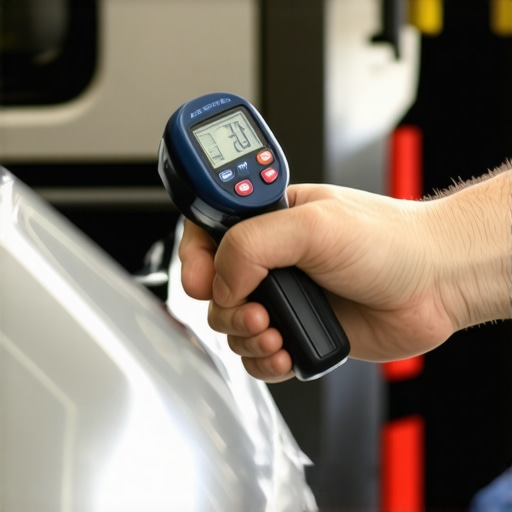
Equally important is a set of high-quality automotive multimeters. I prefer the Fluke 287, because it helps me diagnose electrical issues with precision—be it testing sensor signals or verifying battery health. Using these tools ensures I catch issues early, align with expert repair strategies, and extend my vehicle’s lifespan. In addition, software programs like OBD-II scan tools, such as BlueDriver, give me real-time engine diagnostics and fault code interpretations, helping me make informed maintenance decisions without unnecessary trips to the mechanic.
Looking ahead, I predict that the integration of AI-driven diagnostics will further revolutionize vehicle maintenance. These advanced systems will analyze data from multiple sensors and recommend targeted repairs, saving time and money.
### How do I maintain my tools over time?
Regular calibration is key. I schedule periodic checks against certified standards and keep my equipment clean and protected in a dedicated toolbox. This discipline ensures my tools remain accurate and reliable, aligning with the latest repair tactics from trusted sources. For example, maintaining precision in my infrared thermometer aligns with expert tips on reliable brake system repairs for safer driving. Consistent care of my gear directly translates to better diagnostics and longer tool lifespan.
To get started with a practical upgrade, I suggest investing in a quality scan tool like BlueDriver. Its ease of use and robust diagnostics have saved me hours in troubleshooting, while providing insights covered in authoritative guides for lasting vehicle trust. Give it a try next time your check engine light turns on — early diagnostics can prevent bigger problems down the line. Remember, the right tools are investments in safety, savings, and peace of mind.
Throughout my auto repair journey, I learned that the biggest savings and safety improvements come from understanding the nuances of brake service, even beyond what conventional wisdom suggests. One lightbulb moment was realizing that my instinct to ignore minor noises or small vibrations was a risky deception—small signs often signal larger, more costly problems if ignored. Another eye-opener was discovering that not all brake repairs need to be expensive; sometimes, targeted fixes like resurfacing rotors or reseating calipers can extend system life and save hundreds. Lastly, trusting expert, detailed inspections over myths and assumptions has transformed my approach from reactive to proactive, ensuring confidence on every drive and avoiding the trap of unnecessary replacements. Recognizing these less obvious truths has equipped me with the tools to maintain brakes more wisely and affordably, a lesson I wish I’d known earlier and one I encourage every driver to embrace today.