
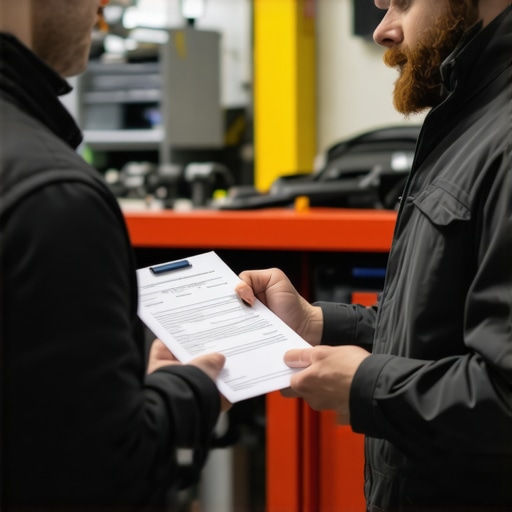
I still vividly remember the sinking feeling when I received that auto repair quote last summer. The number seemed astronomical—more than I expected, but I wasn’t entirely sure if it was justified. Turns out, I had fallen for one of those common traps many drivers still face: trusting a repair shop without doing a little homework first. That moment made me realize how crucial it is to know if the costs being quoted are actually fair—and avoid being overcharged or worse, receiving unnecessary repairs. Today, I want to share with you some real-world tips I’ve learned over the years so you can confidently verify your auto repair quotes in 2026.
Why Verifying Auto Repair Quotes Matters More Than Ever
In our fast-paced world, cars are more than just a convenience—they’re a necessity. When your vehicle needs fixing, the last thing you want is to be duped into paying extra or getting shoddy service. According to a recent survey, nearly 30% of car owners have experienced overcharging at some point—costing them hundreds of dollars needlessly. That’s not just bad luck; it’s a sign that many drivers lack the tools to independently verify repair costs.
Think about it. You’re already concerned about your car’s safety and reliability, but how do you ensure the quote you get is fair and transparent? Relying solely on a mechanic’s word is risky. If you’ve ever been unsure whether a repair quote was inflated or justified, you’re not alone. It’s better to arm yourself with knowledge and strategies that help you spot red flags before it’s too late.
Early in my own auto repair journey, I made the mistake of accepting a mechanic’s estimate without question. It wasn’t until I did some quick research and used a few simple strategies that I realized I had been overcharged for a simple brake replacement. That experience taught me the importance of understanding how to evaluate repair quotes properly. To help others avoid the same pitfalls, I’ve compiled some reliable methods that work well in 2026. Want to learn how to assess whether the price you’ve been quoted is reasonable? Let’s dive into four proven ways.
If you’ve ever wondered whether a repair shop’s estimate is legit or just an opening gambit, keep reading. These tips will not only save you money but also give you peace of mind during your next auto service.
Ready to become a smarter, more confident car owner? Let’s explore the practical steps you can take today to verify your auto repair quote.
Compare Parts and Labor Costs Directly
Start by breaking down the quote into parts and labor. Request a detailed invoice that specifies each part and service. Use online marketplaces like RockAuto or OEM parts websites to check current prices. For example, when I got a quote for caliper replacement, I checked the unit price myself and found the shop marked it up by 50%. This quick comparison saved me hundreds, as I was able to negotiate a fairer price or source the parts myself. Don’t accept vague estimates—demand transparency to avoid overcharging. For additional tips, review trusted strategies on brake service strategies and learn how to scrutinize quotes effectively.
When it comes to auto repair, many car owners believe they understand the essentials—brake service, tune-ups, and regular maintenance. However, even seasoned drivers often fall prey to misconceptions that can cost them time, money, and safety. One common myth is that all brake pads are created equal and that replacing them is a straightforward, quick fix. In reality, the nuances in brake system components and proper maintenance techniques can significantly impact safety and longevity. For example, many overlook the importance of ‘bedding in’ new brake pads properly, which involves a series of controlled stops to ensure optimal performance—a step that, if skipped, could reduce braking efficiency and cause uneven wear.
Why Do Some Auto Repairs Fail to Deliver Lasting Results?
Experts like those at Car Talk Advisor emphasize that beneath the surface of many standard repairs lies a complex web of factors that many technicians might not fully address. For instance, a ‘simple’ tune-up might ignore critical aspects like fuel injector health, spark plug quality, or the state of your vehicle’s emission system, leading to subpar performance down the road. This oversight often stems from a focus on quick fixes rather than comprehensive diagnostics, which can lead to recurring issues and higher costs in the long run. auto repair tune-up tips to ensure you’re getting full value and genuine quality.
Advanced car care isn’t just about replacing worn parts; it’s about understanding the full spectrum of vehicle health, including the subtle signals your car provides—like unusual noises, vibrations, or warning lights—that often go unnoticed by untrained eyes. Today, I want to challenge the common belief that a quick visit to the mechanic guarantees a long-lasting fix. Instead, let’s dig deeper into how paying attention to these hidden nuances can save you money, time, and unwarranted risks.
Are you aware of the small but significant details that could extend the lifespan of your vehicle? Dive into these practical insights and see how your next service appointment can become a true investment in your car’s reliability. Have you ever fallen into this trap? Let me know in the comments.In the realm of auto repair and maintenance, having the right tools and knowing the best methods can dramatically extend your vehicle’s lifespan and performance. A quality diagnostic scan tool, like the Autel MaxiCOM, is indispensable. I personally rely on it because it provides deep insights into engine codes, emission systems, and sensor readings, allowing me to identify potential issues early before costly repairs are needed.
Another critical tool is a reliable set of mechanic’s hand tools, including torque wrenches, pry bars, and specialized sockets. I prefer high-quality brands like Snap-on or Craftsman because they maintain calibration over time and withstand frequent use. Proper torque application ensures components like wheel lugs and cylinder head bolts are tightened to manufacturer specifications, reducing the risk of future failure and ensuring safety.
To keep my vehicle running smoothly, I also utilize software like the Car Scanner app. It syncs with Bluetooth OBD-II adapters and offers real-time data on fuel economy, sensor performance, and engine temperature. Regularly reviewing this data helps me catch anomalies early, saving money and stress in the long run. As auto diagnostics become more sophisticated, integrating such apps with your maintenance routine will be a vital part of proactive care.
How do I maintain my car’s performance over time?
Staying on top of oil changes, fluid checks, and scheduled tune-ups is fundamental. However, leveraging diagnostic tools for proactive troubleshooting is equally important. In 2026, tech-driven solutions are expected to continue evolving with AI integrations that predict part failures before they happen. Keep an eye on industry updates, like Bosch’s latest predictive maintenance systems, which combine sensor data and machine learning to recommend service intervals tailored to your driving habits. this page. To stay informed about specific repairs like brake servicing, I regularly consult expert articles that break down complex concepts into actionable advice, ensuring I never rely solely on what a mechanic tells me. Additionally, local auto parts stores with knowledgeable staff and reliable online marketplaces are my go-to for sourcing genuine components at fair prices.
Keep Driving Forward with Confidence and Curiosity
Now that you’ve uncovered some of the insider wisdom that transformed my car maintenance routine, it’s your turn to elevate your auto repair game. Don’t overlook the small details or assume that every quote is fair—arming yourself with knowledge is your best defense against overspending and subpar service. Whether you’re assessing a quote for brake repair or planning your next tune-up, remember that proactive, informed driving makes all the difference. Take that first step today—test your vehicle’s sensors, ask detailed questions, and stay curious about how your car truly functions. How have you been verifying auto repair quotes, and what surprises have you uncovered along the way? Let me know in the comments below.
Reading this post really resonated with me because I experienced a similar situation last year where I was quoted a surprisingly high amount for what seemed like a simple repair. Since then, I’ve become more proactive about verifying costs. I always ask for detailed invoices and cross-reference parts prices online—it’s amazing how much markup some shops add. I also started using diagnostic apps to monitor my car’s health between visits, which helps catch potential issues early.
One thing I’ve struggled with is knowing which parts to compare online and how much variation is acceptable. Has anyone found reliable sources for authentic parts pricing? I’d love to hear some tips on how to distinguish between fair markup and overcharging, especially when dealing with complex repairs. The more tools and knowledge we have, the better we can protect ourselves from being overcharged or receiving unnecessary repairs. Dive in, folks—it’s worth the effort for peace of mind and your wallet.
This post hits home for me because I used to just trust the mechanic’s estimates without much scrutiny, especially when I was in a hurry. Over time, I realized that understanding the breakdown of parts and labor costs makes a huge difference. On my last brake job, I compared prices across several parts websites and found that some shops were marking parts up by as much as 70%. Bringing this information into negotiation not only saved me a significant amount but also made me more confident in the process.
I’ve been using apps like Car Scanner and checking online marketplaces regularly, which have helped me spot potential issues early and ensure I’m not overpaying in the long run. One challenge I still face is determining what a fair markup should be for complex repairs that involve multiple components. Has anyone found reliable sources for approximate markup percentages depending on the repair type? Would love to hear your experiences on balancing quality, price, and trust in auto repairs.