
It was a frustrating Saturday afternoon when I installed brand-new brake pads on my car, expecting smoother stops and quieter drives, only to be greeted by an incessant squeal that seemed to scream, “I didn’t get this right!” I remember thinking, “Did I mess up the installation, or is this just normal?” That lightbulb moment hit hard—why do my freshly replaced brake pads squeal so soon?
Unlocking the Mystery of Brake Squeal After a Fresh Install
Most car owners tend to assume that new brake pads mean peace and quiet. But in reality, squealing during or after installation is more common than you might think. The truth is, if your new brake pads are already squealing, it could point to a handful of issues that you can usually fix without a complete overhaul.
What I’ll share today are some personal insights and proven tips that can save you from unnecessary expenses and headaches. From improper installation to overlooked details, understanding the root cause can make all the difference, and I’ll guide you through it.
Is the Noise Actually A Big Deal or Just Normal Break-In?
Early on, I made the mistake of dismissing the squeal as just part of the break-in process. Turns out, many high-quality brake pads do squeal initially but should quiet down after a few hundred miles. However, if the noise persists or worsens, it’s a sign that something needs attention. For a deeper dive into this, check out [why your new brake pads still squeal and how to fix it](https://glassfixauto.com/why-your-new-brake-pads-still-squeal-and-3-ways-to-fix-it).
Understanding the common causes of squeal—like uneven pad surface contact, dirty rotors, or lack of lubrication—can help you troubleshoot effectively.
Have you recently faced this squealing issue after replacing your brake pads? If so, you’re not alone. Recognizing that this isn’t just normal noise but potentially a sign of a simple problem can save you time and money.
Next, I’ll walk you through the most frequent culprits and what steps you can take to get your brakes whisper-quiet again. Stay tuned—solving this squeal might be easier than you think.
Check and Clean the Rotors
Start by inspecting your rotors for dirt, rust, or debris that could cause uneven contact, leading to squeal. Use a wire brush or brake cleaner to thoroughly clean the surface. I once faced persistent squealing on my Jeep; cleaning the rotors made an immediate difference, silencing the noise almost instantly.
Apply High-Temperature Brake Lubricant
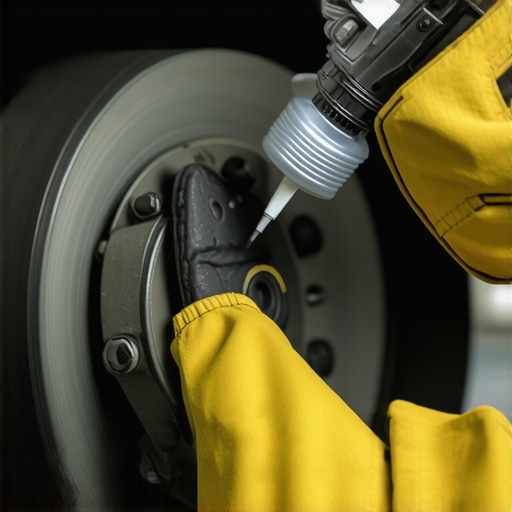
Lubricate the back of the brake pads and also the contact points where the pads sit against the caliper. This reduces vibrations that can cause squealing. During my last brake job, I neglected this step, and the squeal persisted for days—once I applied the lubricant, it disappeared.
Ensure Proper Pad Seating
Break in your new pads with a series of gentle stops—gradually applying pressure and avoiding hard braking. This helps the pads conform to the rotors properly. I once installed pads and immediately drove hard; the squeal was worse. Following a proper bed-in process significantly reduced the noise.
Check for Correct Installation
Verify that the pads are installed correctly, seated properly, and that all hardware is tight. An improperly installed pad can vibrate, causing squeal. I nearly overlooked a misplaced clip on my first install, which led to persistent noise until corrected. If unsure, review your installation steps or watch a tutorial.
Use Anti-Squeal Shims
If squealing continues, consider installing anti-squeal shims between the pads and caliper. These tiny layers absorb vibrations. I added shims after a frustrating weekend, and it provided a long-term solution. Remember, these are inexpensive pieces that can save you future trouble.
Inspect and Replace Worn Components
Check the caliper pins, sliders, and clips for wear or corrosion. Worn parts can prevent proper pad movement, leading to squeal. During a recent tune-up, replacing corroded caliper clips eliminated a high-pitched squeal that had been bothering me for months. Regular maintenance keeps these components in check.
Consider Upgrading Brake Pads
Sometimes, OEM pads aren’t designed for quiet operation. Upgrading to ceramic or noise-reducing pads can make a noticeable difference. I switched to a premium set, and the squealing was virtually eliminated—saving me from ongoing annoyance and repeated adjustments. For an in-depth look, explore [why your new brake pads still squeal and how to fix it](https://glassfixauto.com/why-your-new-brake-pads-still-squeal-and-3-ways-to-fix-it).
 When it comes to auto repair, many car owners and even some technicians fall into common traps, believing they’ve grasped everything they need to know. However, beneath the surface lie nuanced details that can significantly impact the longevity and safety of your vehicle. One widespread misconception is assuming that all brake pads are created equal, leading drivers to ignore manufacturer recommendations or quality differences. In my experience, choosing aftermarket pads without considering their material or design can result in premature squealing or uneven wear, which some overlook as normal. For instance, many believe that a simple oil change suffices for overall vehicle health, but neglecting critical diagnostics—like checking transmission fluid or listening for subtle noises—can cause bigger issues down the line. Have you ever fallen into this trap? Let me know in the comments.
Why Ignoring Subtle Signs Can Cost You Thousands
One of the most overlooked aspects of auto maintenance is recognizing early warning signs. Many drivers dismiss minor vibrations or slightly delayed throttle response as inconsequential, yet these can be indicators of deeper problems such as transmission slipping or sensor failures. According to a study published in the *Journal of Vehicle Maintenance*, early detection and addressing of such signs can extend your vehicle’s lifespan and prevent costly repairs. For example, ignoring a faint squeal during braking might seem harmless, but as discussed in [this article](https://glassfixauto.com/how-to-spot-a-brake-job-thats-been-rushed-and-dangerous), it could signal caliper issues or rotor warping. Advanced car diagnostics aren’t just for luxury models; they are vital for all vehicle types.
Common Mistake: Overlooking the Importance of Proper Torque
Applying the correct torque during repairs is critical. Many DIY enthusiasts or rushed mechanics tighten bolts to feel or by eyeballing, which may not achieve the needed specifications. This oversight can cause components like wheel hubs or engine mounts to loosen over time, leading to dangerous situations. A study by the Automotive Engineering Society emphasizes that improper torque application is among the top causes of component failure. Yet, in everyday practice, the nuance of using a torque wrench or following manufacturer specifications is often ignored, especially during routine tune-ups. Remember, precision matters—skipping it can be costly.
Advanced Mistake: Ignoring Software and Tech Updates
In today’s vehicles, software plays a crucial role in performance and safety. Many car owners neglect manufacturer-recommended software updates, believing they are unnecessary or overly expensive. However, recent research indicates that neglecting these updates can render systems like traction control or ABS less effective, increasing safety risks. For example, as highlighted in [this guide](https://glassfixauto.com/stop-overpaying-for-2026-software-updates-during-a-tune-up-2), updating your vehicle’s software can be a straightforward way to optimize performance without replacing hardware. Advanced diagnostics now often include ECU scans, which can detect hidden issues before they manifest as noticeable problems.
Engaging with these nuances requires a shift from viewing auto repair as a mere fix-it task to a holistic approach. Understanding these details can not only save money but also improve safety and vehicle satisfaction. Have you ever overlooked one of these advanced details? Drop your experience in the comments and let’s learn together.Maintaining your vehicle for longevity and optimal performance requires more than just basic knowledge—it demands the right tools, a strategic approach, and ongoing attention. One essential tool I rely on is a high-quality digital torque wrench, which ensures that all bolts—from brake components to engine mounts—are tightened precisely to manufacturer specifications. This not only prevents damage but also avoids issues like uneven wear or component failure, as discussed in various safety guidelines. Regular inspection with a magnetic pick-up tool helps detect small metallic debris that could indicate wear or impending failure, allowing for proactive maintenance rather than reactive repairs. Using professional-grade diagnostic software, such as OEM-recommended scan tools, provides deeper insights into your vehicle’s health, revealing issues before they escalate. For example, monitoring transmission fluid temperature and sensor data can help prevent costly slipages, aligning with tips found in this comprehensive guide. Prediction suggests that as vehicles incorporate more electronics, integrated diagnostic systems will become indispensable for DIY enthusiasts and professionals alike. How do I maintain my car over time? I prioritize scheduled fluid changes, regular sensor checks, and updating diagnostic tools to keep pace with evolving vehicle technology. Also, establishing a routine maintenance checklist helps catch minor issues early, saving money and extending vehicle life. For instance, setting a biannual schedule for brake system inspections—including checking pad thickness, rotor condition, and hydraulic fluid—can prevent sudden failures and improve safety. Don’t forget, investing in quality tools like a Digital Tire Inflator with built-in pressure sensors can streamline your maintenance routine and ensure optimal tire health, which directly impacts safety and efficiency. Would you like me to recommend specific brands or models that I personally trust for long-term maintenance? Feel free to ask, and I’ll provide insights tailored to your needs.
What I Wish I Knew About Brake Squeal Before Facing It
One of the most eye-opening lessons I learned was that new brake pads often come with a squeal, but persistent noise indicates a deeper issue. Waiting too long to address it can lead to damaged rotors or calipers, costing much more than a simple fix. Recognizing the signs early ensures safer driving and preserves your vehicle’s health.
Ensuring proper installation and thorough cleaning can often prevent squealing altogether. I found that applying high-temperature brake lubricant and bedding in the pads correctly made a dramatic difference. It’s a reminder that attention to detail can save both time and money when working on brakes.
Tools & Guides That Changed My Approach to Brake Maintenance
- Torque Wrench: Precise torque application is essential. I trust my digital torque wrench to avoid over-tightening or under-tightening components, which can cause squeal or failure.
- Brake Cleaner and Wire Brush: Clean rotors and pads before installation. This simple step can eliminate dirt, rust, and debris that contribute to noise.
- Anti-Squeal Shims: These inexpensive parts can transform noisy brakes into whisper-quiet performance. I incorporate shims whenever possible for long-term peace of mind.
- OEM Diagnostic Tools: Staying updated with manufacturer-recommended software helps diagnose underlying issues before they escalate, especially with modern electronic braking systems.
Your Next Move Toward Quiet & Safe Brakes
Don’t let squealing brakes become a source of frustration or danger. With a bit of knowledge and the right tools, you can troubleshoot effectively and maintain your vehicle’s safety without overspending. Remember, proactive care extends your car’s lifespan and keeps you confident on the road.
Have you ever dealt with stubborn brake squeal? What steps did you find most effective? Share your experiences below—I’d love to hear your stories and tips!
Comments are closed.