

Ever been stuck in traffic, feeling that sluggishness in your car’s performance, and wondered if your ride is starting to age faster than you expected? We’ve all been there—pressing the gas pedal, only to realize your engine isn’t responding like it used to. It’s a frustrating feeling that hits you during your daily commute or when you need your car the most. One light bulb moment for me was discovering that a tiny, often overlooked component—the Mass Air Flow (MAF) sensor—could be the culprit behind your engine’s lost power and poor fuel economy.
Why Your Car Might Lose Power Without You Realizing
You might think that, as vehicles age, performance drops naturally. But what if I told you that a simple cleaning of your MAF sensor can restore that lost punch? The MAF sensor measures how much air is entering your engine, helping your car’s computer optimize fuel delivery. When it gets dirty or clogged, your engine’s air-fuel mixture becomes imbalanced, leading to sluggish acceleration, stalling, and even increased emissions. This subtle change can feel like your car is dragging its feet, especially during those crucial moments when response matters.
Early in my own repair attempts, I mistakenly assumed a full throttle body cleaning or replacing spark plugs would fix the issue. It wasn’t until I cleaned my MAF sensor that I saw a noticeable difference. This taught me that sometimes, a quick sensor clean can save you time, money, and a lot of frustration. Plus, keeping your MAF sensor in check helps prolong the life of other components like your catalytic converter—an expensive fix if neglected.
Is Your Car’s Power Loss Just a Fluke or Something More?
Before diving into repairs, it’s natural to be skeptical. Maybe you’ve read about MAF sensors and wondered if cleaning them is just hype. I get it! I made the mistake early on of ignoring this small sensor, which only made the problem worse. The truth is, neglecting a dirty MAF sensor can lead to decreased fuel efficiency, rough idling, and even trigger warning lights on your dashboard. A quick inspection and cleaning can often solve these problems without the need for costly replacements.
According to a study published in the Journal of Automotive Technology, clean sensors are vital for optimal engine performance and emissions control. So, if your engine is feeling sluggish, and you’re tired of wasting gas, a simple sensor cleaning might be the best first step. Ready to learn exactly how to do it right? Let’s get into the practical steps, so you can get your car back to peak performance and say goodbye to that nagging power loss.
Prepare Your Tools and Environment
Begin by gathering the necessary tools: a clean cloth, a screwdriver, and a MAF sensor cleaner spray. Ensure your engine is cool; working on a hot engine can cause injuries or damage components. Find a well-lit, ventilated space to work safely and comfortably. I once attempted this on a cluttered driveway, neglecting proper lighting, which made the task messier but ultimately taught me the importance of a tidy workspace.
Locate and Remove the MAF Sensor
The MAF sensor is usually situated between the air filter box and the throttle body. Consult your vehicle’s manual if you’re unsure. Carefully disconnect the wiring harness by pressing the clip and pulling it out gently. Use a screwdriver to loosen the screws securing the sensor, then remove it. Remember, a gentle touch prevents damaging delicate parts, much like unscrewing a delicate ornament without breaking it.
Clean the Sensor Without Damage
Spray the MAF cleaner generously onto the sensor’s wire or plate, ensuring you don’t touch or scrub it with anything abrasive. Let the cleaner do the work—avoid wiping, which might dislodge or bend sensitive components. I made the mistake once of using a rag that left lint on the sensor, which affected its readings. Patience and proper spray are key here.
Allow the Sensor to Dry and Reinstall Carefully
Let the sensor air dry for a few minutes—this ensures no residue remains that might affect performance. Reattach the sensor to its housing, tighten the screws snugly but not overly tight, and reconnect the wiring harness. Proper reinstallation is critical; a loose connection can cause intermittent errors. I once forgot to reconnect the harness, leading to a check engine light and frustration that could have been avoided with double-checking.
Test Drive and Monitor Results
Start your vehicle, and pay attention to engine response and idle smoothness. For best results, clear any diagnostic trouble codes with an OBD-II scanner if necessary. During my own attempts, I noticed an immediate improvement in throttle responsiveness and fuel efficiency. If your car still underperforms, consider inspecting other sensors or visiting a professional. Regular cleaning can prevent issues from piling up and keep your engine running smoothly, much like regular brake service or tire rotations that maintain safety and efficiency.
Many car owners approach maintenance and repairs with a surface-level understanding, often falling prey to misconceptions that can lead to costly mistakes. Contrary to popular belief, not all tune-ups or brake services are created equal. For instance, a common myth is that replacing spark plugs or air filters alone will dramatically boost engine performance. In reality, neglecting the meticulous inspection of related components, like sensors or fuel injectors, can render such efforts ineffective. Advanced technicians know that a comprehensive diagnosis often reveals underlying issues, such as sensor malfunctions or vacuum leaks, which are easily overlooked but critically impact engine behavior.
Another widely held misconception is that brake squeal is always due to worn pads. However, many times, it results from dust or moisture accumulation, especially after rain, causing a high-pitched squeal that can be remedied with simple fixes like brake squeal pads or lubrication. Overlooking these nuances might lead you to replace parts unnecessarily, wasting time and money. Moreover, rushing into a full brake replacement without checking for issues like uneven rotor wear or caliper sticking can cause problems down the line. Checking for these signs early can save you from more significant repairs later. For instance, if your brake pedal sinks to the floor, it often indicates hydraulic issues, and diagnosing these promptly prevents dangerous situations. You can learn more about this common pitfall in articles on fixing brake pedal sinks or squeals after rain.
What happens when a tune-up misses critical sensor checks?
Many mechanics still treat tune-ups as a routine part of vehicle maintenance, focusing on spark plugs and filters, but neglecting sensors like the MAF or oxygen sensors. Missing these can lead to poor fuel economy, rough idling, and increased emissions, which might seem unrelated to the tune-up itself. A sensor’s failure or dirt accumulation often masquerades as other issues, causing diagnostic confusion. A recent study from the Journal of Automotive Diagnostics highlights that ignoring sensor health during tune-ups diminishes overall engine efficiency and increases repair costs over time. That’s why a comprehensive tune-up should include detailed sensor health assessments and cleaning when necessary. Otherwise, small issues snowball into major repairs. Want to see how advanced diagnostics can prevent this? Check out our article on 2026 engine troubleshooting and sensor checks.
Overcoming these misconceptions requires a shift in approach—thinking beyond parts replacement to understanding the interconnectedness of your vehicle’s systems. For example, a loose steering wheel around corners might seem like a minor issue, but it could be linked to alignment or suspension problems, which often get overlooked during basic service. For a detailed guide on spotting these issues early, visit this article on steering problems. Similarly, a hasty brake service might overlook corrosion in the brake lines, leading to brake failure. Always insist on thorough inspections, especially for critical safety components.
Ultimately, knowledge is your best defense. By understanding the nuances and avoiding common pitfalls—like over-relying on generic advice or ignoring sensor health—you empower yourself to make informed decisions. Remember, a well-maintained vehicle relies on both proper parts and expert diagnostics. Have you ever fallen into this trap? Let me know in the comments and share your experiences!
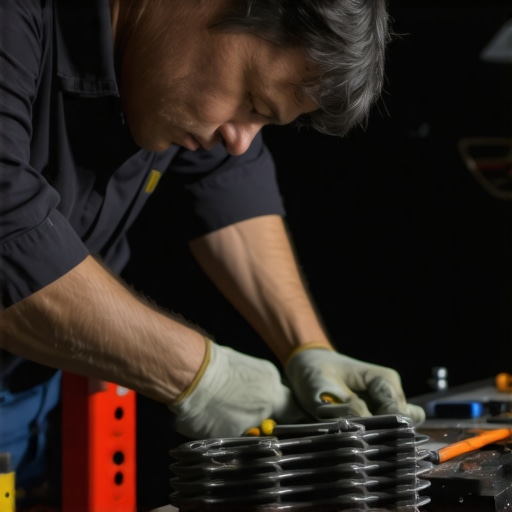
Gear Up with Precision Instruments
Maintaining your vehicle’s performance over time demands the right tools. I personally swear by a high-quality OBD-II scanner like the BlueDriver. It provides real-time data, helps identify sensor faults early, and is user-friendly enough for DIY enthusiasts. Investing in a code reader isn’t just convenient; it’s a proactive step towards averting costly repairs down the line. Additionally, a digital multimeter with auto-ranging capabilities allows me to quickly diagnose electrical issues without guessing, ensuring every component—from alternators to sensors—is functioning as it should.
Master the Art of Proper Cleaning Techniques
When it comes to delicate parts like the MAF sensor, I rely on specific cleaning methods. The secret lies in using the right solvent—specialized MAF sensor cleaner. I avoid any abrasive materials; instead, I spray, let it sit for a few minutes, and gently blow off any loosened debris with compressed air. Over the years, I’ve discovered that this meticulous approach preserves sensor calibration and prolongs the component’s lifespan. Regular cleaning—say, every 10,000 miles—can prevent performance dips and maintain optimal fuel efficiency.
Implement Long-Term Maintenance Routines
Creating a schedule rooted in manufacturer specs and personal experience helps me stay ahead of issues. For instance, I set reminders for fluid checks, belt inspections, and sensor testing. It’s vital to update your knowledge on emerging diagnostics—tools like the OBDLink MX+ integrate with smartphone apps, offering comprehensive insights into your engine’s health. As technology advances, I predict a shift towards adaptive maintenance—where vehicles alert you proactively about parts nearing the end of their service life, much like modern smartwatches monitor health metrics.
Scaling Up: From DIY to Professional Support
While I handle routine checks, I recognize when a professional touch is necessary. For complex systems or sensor recalibrations, I rely on certified mechanics equipped with advanced diagnostic software. However, understanding and performing basic maintenance like changing spark plugs or cleaning sensors empowers me to save money and time. For ambitious DIYers, investing in a quality scan tool combined with proper techniques can be transformative. Remember, consistent upkeep using these tools can extend your vehicle’s life and improve safety.
What Future Looks Like for Maintenance Tools
Expect a rise in AI-driven diagnostics and predictive analytics, making proactive maintenance more accessible and accurate. Such innovations will help you anticipate issues before they escalate, much like early warning systems in health monitoring. Until then, integrating reliable tools like the OBDLink MX+ and practicing meticulous cleaning routines remain your best strategies.
If you haven’t tried using a dedicated sensor cleaner or updating your diagnostic toolkit recently, now’s a great time to do so. These small investments in your car care arsenal can pay off by saving you money and stress in the long run. Want to master the art of precise diagnostics? Start with cleaning your MAF sensor using the recommended spray—I’ve seen firsthand how this simple step can instantly improve engine response and fuel economy. For more insights on optimizing your maintenance approach, check out this guide on car service essentials. Your vehicle will thank you!
Secrets I Didn’t Expect to Learn About Car Care
- One of the most valuable lessons I picked up was that the smallest components, like the MAF sensor, can have a monumental impact on your car’s health. Regularly inspecting and cleaning these parts can prevent bigger issues later on.
- I’ve realized that rushing through DIY repairs without understanding the full system can lead to overlooked problems—like ignoring sensor health during tune-ups—costing me more time and money in the long run.
- Patience is key. Taking your time to properly locate, clean, and reinstall critical parts ensures longevity and optimal performance, rather than rushing and risking damage or misdiagnosis.
Must-Have Tools That Make Car Care Easier
- Investing in a quality OBD-II scanner like the BlueDriver has transformed how I diagnose issues early on and avoid unnecessary repairs.
- A reliable digital multimeter is essential for electrical checks, helping confirm sensor and system health without guesswork.
- Proper cleaning supplies, especially specialized MAF sensors cleaner, make routine maintenance effective and prevent accidental damage, saving money and extending component life.
Moving Forward with Confidence in Your Car Maintenance Journey
Remember, mastering the basics—like cleaning sensors and understanding your vehicle’s warning signs—empowers you to keep your car running smoothly. Embrace the learning curve, use trustworthy tools, and don’t hesitate to seek professional advice when needed. Your vehicle is an investment—treat it with curiosity and care, and it will reward you with reliable performance. If you’ve ever hesitated to dive into maintenance tasks, start small and build your knowledge gradually. Your confidence in handling auto care will grow, making every drive safer and more enjoyable.
Comments are closed.