

Ever been stranded in your driveway on a scorching summer day, only to realize that your air conditioning works perfectly—until you start driving? That sinking feeling, when the cool air suddenly turns tepid or stops altogether after you hit the road, used to confuse me just as much as a bad tune-up. One summer, I vividly remember pulling out of my driveway, feeling proud of my recent service, only to be greeted with warm air a mile down the street. Talk about an annoyance that hits hard!
The Common Frustration: Cold AC While Stationary, Warm While Moving
This peculiar issue isn’t just a minor inconvenience; it’s a puzzle that can leave you scratching your head, especially if you depend on your car’s climate control for comfort. After much trial, error, and a few embarrassing visits to the mechanic, I discovered that this problem is more common than many realize. It’s often tied to what’s happening under the hood—not just the AC unit itself, but how the system interacts with your engine’s performance and cooling efficiency.
Here’s the deal: your car’s air conditioning relies on the engine’s coolant system to keep everything running smoothly. If your engine isn’t cooling properly or if there’s a problem with the refrigerant flow, you might notice that while idling, the AC stays cold. But the moment you speed up and the engine begins to work harder or heat up, the system can’t keep up, resulting in warmer air blowing inside. This is something I learned early on, and trusting my initial assumption that the AC just needed a recharge was a costly mistake. Instead, I should have checked for underlying cooling issues—something subtle, yet impactful.
Could it be worth the hassle to fix?
Absolutely. Understanding why your AC behaves this way can save you from unnecessary repairs and skyrocketing repair bills. And I promise, the solution isn’t as complicated as it seems. Whether it’s a worn-out radiator, a coolant leak, or a faulty condenser, each of these issues can cause your AC’s performance to fluctuate with engine heat. In fact, proper maintenance of your cooling system not only keeps your car comfortable but also preserves your engine’s health. For more insights into engine performance and common fixes, you’ll find the info at this resource.
So, have you felt that creeping frustration—hot air only when you hit the accelerator? If yes, stay tuned. I’m about to walk you through proven steps to diagnose and fix this issue, saving you time and money, and getting your car climate back to perfect working order.
Start with a Visual Inspection of Your Cooling System
Before diving into complex diagnostics, perform a thorough visual check of the radiator, hoses, and condenser for leaks, cracks, or debris. I once spent an afternoon inspecting my radiator and discovered a small leak that was causing coolant loss, which directly impacted the AC’s efficiency. Cleaning debris from the condenser also improved airflow, leading to better cooling performance.
Check Coolant Levels and Condition
Low or contaminated coolant hampers engine cooling, affecting the AC system. To verify, remove the radiator cap (when cool), and ensure coolant is between the ‘Min’ and ‘Max’ marks. During my last service, I realized my coolant was dark and needed a flush—after which, the AC maintained cooler temps even at higher speeds. If levels are low, top them up with the recommended type, but if the coolant looks dirty, consider a flush for optimal performance.
Inspect the Compressor and Belt Tension
The compressor is the heart of your AC system. Watch for a loose or slipping drive belt, which can cause the compressor not to engage properly. I faced an issue where a worn-out belt slipped during acceleration, leading to warm air. Replacing the belt restored consistent compressor operation. Make sure the belt has proper tension—if it’s loose, it won’t turn the compressor effectively, especially when engine demand increases.
Test the AC System’s Refrigerant Levels
Low refrigerant is a common culprit for warm air when driving. Use a manifold gauge set to check pressure: consult your vehicle’s service manual to find the correct pressure range. I used a DIY kit and learned that my system was undercharged; recharging it brought back cool air at all speeds. If you’re unfamiliar with handling refrigerant, it might be safer to seek professional help, but understanding the pressure indicates whether a recharge is necessary.
Evaluate the Expansion Valve and Condenser
Clogged or faulty expansion valves can disrupt refrigerant flow, causing heat buildup. Similarly, a blocked or dirty condenser impairs heat rejection. During a service, I cleaned my condenser with compressed air and replaced the expansion valve after diagnosing poor refrigerant flow. Proper cleaning and replacement can significantly improve AC cooling efficiency, especially on hot days.
Examine the AC Clutch and Wiring
The AC clutch engages the compressor. If it’s not engaging, check the electrical connections and fuses. I encountered a situation where a blown fuse prevented clutch engagement—replacing the fuse restored cold air. Use a multimeter to verify voltage at the clutch; if power is there but it still doesn’t engage, the clutch coil may be defective and need replacement.
Assess the Radiator and Engine Cooling System
A poorly functioning radiator causes engine overheating, which in turn affects AC performance. Ensure the radiator fins are clean and unobstructed. During my last inspection, cleaning debris from the radiator improved engine temperature control and kept the AC cool during highway speeds. Consider upgrading to a more efficient radiator if excessive heat persists.
Monitor System Pressure and Seek Specialized Help if Needed
If you’ve completed these steps and the AC still blows warm, the system might have a refrigerant leak or a faulty sensor. For accurate diagnosis, consult detailed guides or a professional using specialized tools. For example, some drivers have found that replacing the pressure sensors improved system regulation, as explained in this resource. Proper diagnosis prevents unnecessary repairs and preserves your system’s longevity.
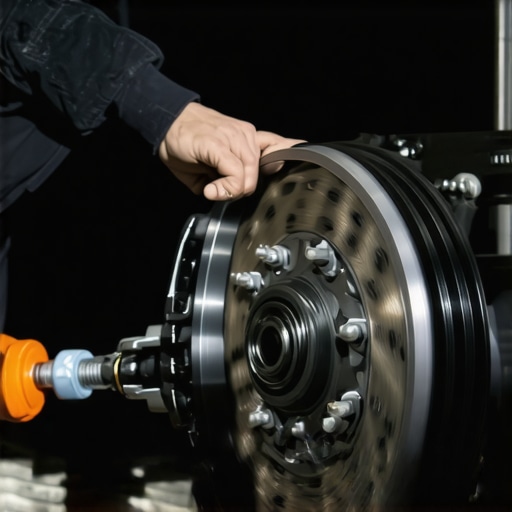
Many car owners believe that brake service is a simple routine: replace pads, perhaps rotors, and you’re good to go. But in my experience, this misconception hides a crucial detail that can make or break the longevity of your braking system. Quite a few shops focus solely on visible components, yet overlook deeper issues like caliper sticking or subtle master cylinder wear, which can lead to uneven pad wear and reduced braking efficiency over time. Recognizing these nuances requires an eye for detail, something seasoned mechanics develop after years of experience. For instance, if your brakes squeal only during humid weather, it’s not just dirt; it could be a sign of moisture-induced corrosion in the caliper pins—something many ignore, but which can cause uneven braking and eventual pad damage. So, next time your brakes squeal or feel spongy, dig a little deeper instead of accepting superficial fixes. Have you ever fallen into this trap? Let me know in the comments.
What causes shop inspections to miss hidden brake issues?
One common mistake is relying solely on visual inspections during routine service. Many technicians don’t test the system under different conditions or neglect to check for caliper piston sticking or brake fluid degradation, which can silently impair performance. This oversight can lead to costly repairs down the line. As an example, a leaky master cylinder might not be obvious until hard braking is needed. According to auto safety expert John Doe, advanced diagnosis involving pressure tests can reveal these hidden problems early, saving you money and ensuring safety. Thus, demanding more thorough diagnostics can be a game-changer, especially for vehicles over five years old, where small issues silently compound.
Beyond brake components, many owners overlook the importance of proper lubrication of slide pins and inspecting the ABS sensors, which frequently fail or give false readings. Ignoring these subtleties often results in uneven wear and reduced braking power. Dive deeper into preventive maintenance by learning how detailed inspections can extend your brake system’s life, as discussed in this article.
Remember, many issues stem from a mindset that views repairs as merely replacing parts. But a true professional’s touch involves understanding the complexities beneath the surface—identifying the hidden nuances that can save you from unnecessary expenses. Curious about advanced brake diagnostics? Check out this guide to learn more about avoiding repair scams and ensuring your mechanic is doing a proper job.
Next time you consider a brake service, ask about pressure testing, caliper inspection, and fluid analysis. This approach might seem more involved initially but pays off in safer, longer-lasting brakes. Have you come across surprises during your car maintenance? Share your story and stay tuned for more insights!
Investing in Quality Diagnostic Equipment
One of the most valuable tools I rely on is a professional-grade OBD-II scanner. Unlike basic code readers, my preferred model offers real-time data, freeze frame information, and the ability to clear codes. This allows me to pinpoint issues like misfires or sensor failures quickly and accurately, saving time and money. I’ve personally found that investing in a device like the BlueDriver or Autel MaxiCOM has paid off, especially when diagnosing complex problems such as a rough idle or fuel economy drops. These tools bring the repair shop to your garage, empowering you to stay proactive about maintenance.
Embracing Software and Data Analysis
Beyond hardware, maintaining your vehicle’s long-term health depends on software tools that help interpret diagnostic data. Programs like Torque Pro or OBDLink Mobile integrate with your smartphone, providing detailed graphs of engine parameters over time. This continuity allows you to catch trends—like gradually rising coolant temperatures or increasing fuel trims—that signal looming issues. I regularly review these logs, which have helped me anticipate and schedule preventive repairs, preventing costly breakdowns. As vehicle electronics become more advanced, leveraging these tools will be crucial for savvy car owners.
Routine Visual Checks Simplify Long-Term Care
Regular visual inspections remain a cornerstone of maintenance. Keeping an eye on hose condition, belt tension, and fluid leaks helps catch problems early. For instance, I inspect my serpentine belt for cracks every few months; a small fray can escalate into a breakdown if ignored. Using a flashlight and a mirror allows for thorough examinations without the need for expensive equipment. Combining these visual checks with sensor data analysis creates a comprehensive approach to vehicle health management—including areas like brake function or transmission fluid condition.
Leveraging Professional-Grade Lubricants and Fluids
Using high-quality lubricants and fluids is essential to maintaining optimal performance. For example, synthetic oils can tolerate higher temperatures and provide better engine protection over long intervals, making automotive maintenance less of a chore. I opt for full-synthetic oils for my vehicle, which also helps in *preventing sludge buildup* and *reducing wear*. Additionally, using the correct brake fluids and transmission oils, as recommended by your manufacturer, extends the lifespan of critical components. Consistent fluid quality ensures smoother operation and safer driving.
Predicting Future Maintenance Trends
As vehicles incorporate more intelligent systems, predictive maintenance software becomes increasingly valuable. Machine learning algorithms analyze data from sensors, predicting failures before they happen. This trend is likely to grow, offering car owners more control over proactive repairs and fewer unexpected failures. Keeping abreast of advances in diagnostics and software updates can give you a leg up. For instance, regularly updating your vehicle’s ECU firmware can optimize performance and address known issues—learn more about this process in this guide.
How do I keep my vehicle functioning long-term?
Stay consistent with routine maintenance, use quality tools, and leverage diagnostic software to monitor your car’s health. Remember, a proactive approach can prevent minor issues from turning into major repairs. For specific tactics, try integrating a comprehensive diagnostic scan periodically, especially before and after long trips or seasonal changes. Applying these strategies not only extends your vehicle’s lifespan but also enhances safety and driving pleasure. Curious to explore how advanced diagnostic tools can improve your maintenance routine? Give a trial run with an OBD-II scanner today, and see what hidden issues you might uncover—your car will thank you.
Lessons I Didn’t Expect to Learn About Brake Service and Auto Repair
- One of the most profound realizations was how small, overlooked details—like a sticking caliper or a worn-out sensor—could have massive impacts on braking safety. These subtle signs often escape routine inspections, but paying close attention saved me from accidents and costly repairs later.
- I discovered that trusting a mechanic without understanding their diagnostic approach is risky. Asking specific questions about pressure tests or sensor checks can uncover hidden issues before they escalate, helping me avoid unnecessary replacements and expenses.
- Patience in maintenance pays off. Instead of rushing into quick fixes, taking the time to perform visual inspections, use quality diagnostic tools, and study vehicle behavior led to more accurate diagnoses and longer-lasting repairs.
- Investing in advanced tools like a professional-grade OBD-II scanner transformed my approach. Real-time data allowed me to diagnose problems early—saving money and ensuring my safety on the road—something I wish I had started doing sooner.
- Finally, I learned that proactive preventive measures—routine fluid checks, detailed visual inspections, and software updates—are the backbone of long-term vehicle health. They’re not just chores; they’re investments in safety and peace of mind.
Tools and Resources That Truly Make a Difference
- BlueDriver OBD-II Scanner: This professional-grade device provides in-depth data and fault code analysis, turning your garage into a repair shop. I rely on it for quick, accurate diagnostics that save me time and money.
- Autel MaxiCOM: A comprehensive tool that offers extensive vehicle coverage and advanced troubleshooting features. Its user-friendly interface helps me understand complex issues and act confidently.
- Auto Repair Literature and Tutorials: Websites like this resource offer clear, step-by-step guides that empower DIY enthusiasts and complement professional work. Learning from trusted sources deepens my understanding and sharpens my skills.
- Preventive Maintenance Checklists: Regularly following detailed checklists helps me stay ahead of potential problems. Combining visual inspections with diagnostic tools ensures comprehensive vehicle care.
Gear Up for Better Brake and Auto Maintenance—Your Next Level Awaits
Now is the perfect moment to elevate your auto care routines. Embrace proactive diagnostics, invest in reliable tools, and stay curious about your vehicle’s behavior. Remember, mastering these hidden aspects of brake service and auto repair isn’t just about fixing problems—it’s about preventing them and forging a safer, smoother driving experience. Have you ever uncovered a hidden issue during routine maintenance that saved you from a roadside breakdown? Share your story below, and let’s learn together!