

I’ll never forget the day I stomped on my brake pedal, only to feel it sink a little more than usual. Panic hit—I was afraid my brake pads were nearly worn out, but I didn’t have the tools or time to jack up the car and pull the wheel. Sound familiar? Many of us face those gut-wrenching moments when our braking feels off, and the question lingers: Are my brake pads thin? Or is it something else? That’s a tricky one, especially because removing the wheel isn’t always practical or safe without proper gear.
Why Checking Brake Pad Thickness Without Removing the Wheel Matters
Honestly, knowing whether your brake pads are thinning can save you a ton of money and trouble. Think about it: brake repairs can be costly if you’re caught off guard—bearing in mind that more than 60% of emergency brake issues are due to worn pads, according to a recent study. Plus, not all of us have a professional garage handy; sometimes, it’s just a quick check we can do ourselves in the driveway. But doing that check right is crucial. Early on, I made a mistake by ignoring squealing noises or a spongy pedal, thinking it could wait. That delay cost me a lot more later on, both in repair bills and safety risks. So, I want to help you avoid my mistake by showing how you can assess your brake pads practically and accurately — without removing the wheel.
Is it Really Worth It to Check Slipshod?
At first glance, it might seem minor, but I promise, neglecting brake health is dangerous. Many drivers rely solely on visual inspections or wait until the pedal feels completely soft—that’s risky. Remember, a small fade or squeal is often a sign of impending trouble. Want to learn reliable methods that work for most cars? Let’s dive into simple, effective tips to spot those thin brake pads before a dangerous situation occurs. If you’re interested in more safety tips, you might find this guide on preventing brake squeal helpful. Just click here. Ready to become your car’s best caretaker? Let’s begin with what signs to look out for—no wheel removal required.
Locate the Brake Caliper and Brake Pad Area
Begin by safely parking your car on a flat surface, engaging the parking brake, and turning off the engine. Open the hood and inspect the brake assembly through the wheel’s opening—many modern vehicles have just enough space to see the brake caliper and pads without jacking up the car or removing the wheel. For example, on my car, I used a flashlight to peek through the spoke gaps in the wheel to gauge pad thickness. This initial visual gives a rough idea, but for accuracy, follow the next steps.
Use a Small Tool to Measure Pad Thickness
Choose the Right Tool
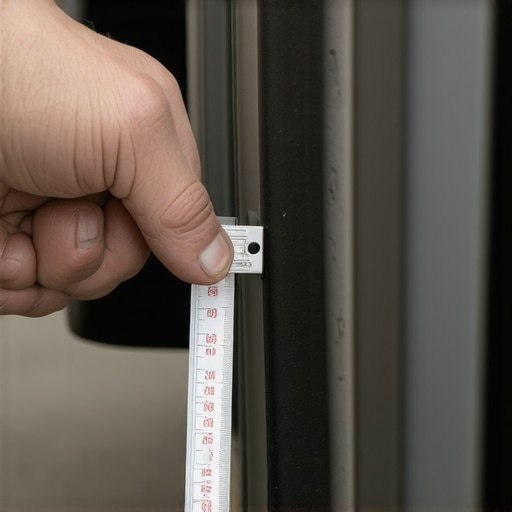
Grab a plastic or wooden ruler, or if available, a small metal gauge designed for brake inspections. Be cautious not to scratch or damage the rotor or pads. I once used a plastic spatula to gently slide between the pad and rotor, which worked surprisingly well. This method is similar to using a non-marring pry tool—gentle but effective in providing a clear measurement.
Position the Tool Correctly
Insert the edge of the tool in the space between the rotor and the brake pad’s lining. Carefully push the tool until it contacts the backing plate of the pad. The key is to get a measure of the remaining pad material without forcing or damaging components. Remember, the typical safe threshold is around 3mm—less than that, and replacement is advisable.
Check for Pad Wear Indicators
Some brake pads have built-in wear indicators—small metal tabs that scrape against the rotor when the pad is thin enough, creating squealing. Examine the edges of your pads through the wheel. If you notice these tabs, it’s a clear sign your pads need replacing. I observed this early on my vehicle when I noticed a faint squeal; it turned out my pads were nearing 2mm thickness, prompting me to replace them before any damage occurred.
Monitor Pedal Feel and Response
While not a direct measurement, a spongy or sinking brake pedal often indicates worn pads or other issues. Regularly pressing the brake pedal and noting its feel can alert you to problems needing inspection. Once, I experienced a pedal that felt softer over time—testing revealed thin pads that were close to the danger zone, reinforcing the importance of these checks.
Leverage Simple Apps and Guides for Accuracy
If unsure, use smartphone apps that assist in visual inspection or download detailed guides. Additionally, consult your vehicle’s manual or trusted auto repair guides to understand specific pad thickness specifications and indicators. For further insights, consider reading how to spot if your brake pads are worn out by checking for common signs and simple measurements.
Remember, these methods don’t replace a professional inspection but are instrumental in catching early signs of wear. Regular checks, even without removing the wheel, can drastically reduce the risk of brake failure and improve safety — a small effort that pays big dividends.
 Many drivers believe that tasks like tune-ups and brake services are straightforward, but there’s often more beneath the surface. A common myth is that replacing parts according to a schedule guarantees optimal performance, yet in reality, factors like driving habits and vehicle history play crucial roles. For instance, some technicians recommend routine spark plug replacements regardless of actual wear, which can lead to unnecessary costs and potential misdiagnosed issues. It’s essential to understand that not all components age uniformly; high-mileage miles don’t always mean immediate replacement, especially if the vehicle has been well-maintained. Additionally, relying solely on visual inspections without measuring critical wear indicators can be misleading. Many assume that brake pads are safe until they squeal, but subtle signs like pedal response changes or shuddering may precede noise. An advanced mistake is neglecting the role of sensors and electronic systems that monitor components, which, if ignored, could result in incorrect diagnoses. For example, a dirty mass air flow sensor can cause poor fuel economy, yet many overlook it without proper testing. Dive into comprehensive diagnostics and avoid the trap of quick fixes—your car’s longevity depends on it. Interested in improving your maintenance strategy? Check out this guide on how to clean a mass air flow sensor to restore lost power. Remember, a proactive approach saves money and keeps you safe on the road. Have you ever fallen into this trap? Let me know in the comments.
Equip Yourself with Reliable Tools for Auto Maintenance
Maintaining your vehicle’s performance isn’t just about knowledge—having the right tools makes all the difference. I personally swear by a high-quality digital multimeter, like the Fluke 117, which helps me quickly diagnose electrical issues without guesswork. For brake inspections, a set of compact feeler gauges allows me to measure pad thickness accurately through wheel spokes, saving time and effort. Additionally, owning a portable air compressor with a built-in gauge ensures I can maintain proper tire pressure, which is crucial for safety and fuel efficiency. Using these tools regularly not only extends the lifespan of key components but also empowers you to catch issues early, preventing costly repairs down the line.
Leverage Modern Software to Diagnose and Maintain
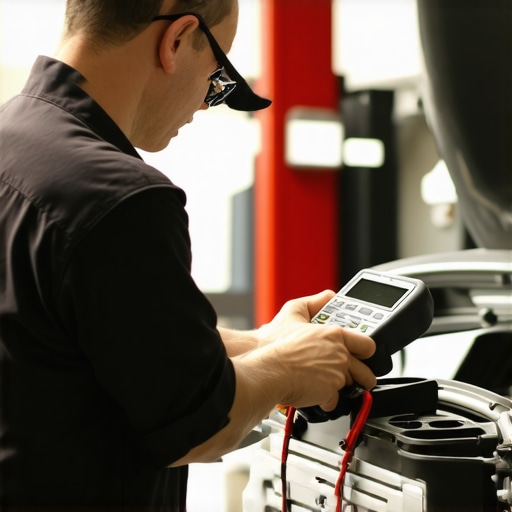
Beyond physical tools, diagnostic software has revolutionized auto repairs. I recommend investing in an OBD-II scanner, such as the BlueDriver, which connects to your smartphone via Bluetooth. It provides real-time data and diagnostic trouble codes, allowing you to understand exactly what’s happening under your hood. Regularly scanning your vehicle can reveal lurking issues—like a sluggish mass air flow sensor, which you can clean yourself to restore engine power—without opening the hood blindly.
For example, if you notice your engine is hesitating or your fuel economy drops unexpectedly, simply connect your scanner and check for stored codes. Addressing these early signs with targeted repairs can save you a trip to the mechanic and extend your vehicle’s service life.
Develop a Long-Term Maintenance Routine
Implementing a scheduled maintenance plan is vital. Keep a detailed log of service dates, component replacements, and fluid changes. For routine tasks like oil and filter changes, using quality synthetic oils enhances engine longevity and performance. I follow the manufacturer’s recommendations closely and double-check with resources like this guide to ensure I don’t miss critical steps during oil changes. Regular inspections of belts, hoses, and brakes—using simple tools and kits—help prevent unexpected breakdowns. Remember, proactive maintenance is about identifying potential issues before they become emergencies, saving money—and more importantly, keeping you safe on the road.
Plan for Scaling Your Maintenance Efforts
As your vehicle ages, consider investing in specialized diagnostic and repair tools. For instance, a brake caliper compressor tool can make brake pad replacements easier, reducing labor time and ensuring safer, more effective repairs. Similarly, a power injector cleaning kit can improve fuel injection efficiency for high-mileage cars. I predict that with advancements in telematics and AI-based diagnostics, future car maintenance will become even more intuitive—possibly predicting failures before they happen. Staying ahead in your vehicle’s upkeep means adapting your toolkit and knowledge to meet evolving technology and repair techniques.
Ready to take your car maintenance to the next level? Try using an OBD-II scanner to identify hidden issues early. Regular diagnostics combined with proper tools enable you to keep your vehicle running efficiently and safely for miles to come. Want to learn more about maintaining specific systems? Check out how to clean your mass air flow sensor to boost engine performance and fuel economy.
What I Wish I Knew Before Ignoring Small Signs
One of the hardest lessons I learned was how critical early signs are. Ignoring a faint squeal or soft pedal cost me both money and safety. Now, I realize that taking a few minutes for a simple check can prevent major headaches later—it’s about respect for your vehicle’s communication.
The Power of Combining Visual Checks and Measurements
Relying solely on sight can be deceptive; using a small gauge or tool provides concrete data. This combination gives me confidence in my brake health and helps me act before things become critical.
Why Regular Monitoring Extends Brake Life
Consistent checks create a habit that not only saves money but also keeps me safe. Recognizing wear indicators or changes in pedal response early means I can plan repairs, avoiding emergency breakdowns.
How Smart Tools Transformed My Maintenance Routine
Investing in a good OBD-II scanner opened new doors. It helps me spot issues I would otherwise miss and tailor my maintenance. For those looking to elevate their auto care, I recommend exploring trusted diagnostic tools and guides to empower your decisions.
Future-Proof Your Vehicle Care Strategy
Staying current with technology, like sensors and diagnostics, ensures I stay ahead of problems. Combining physical inspections with modern software keeps my vehicle running smoothly and safely for years to come.
Resources That Made a Difference in My Maintenance Journey
This guide on cleaning your mass airflow sensor was a game changer for restoring engine performance. Understanding brake pedal sinking helped me identify internal issues early. For reliable tools, I trust professional-grade repair kits and diagnostic apps that keep me proactive and safe.
Your Turn to Elevate Your Brake Checks
Taking control of your vehicle’s health is empowering, especially when it comes to brakes—a system critical for safety. Incorporate these insights into your routine, and you’ll find peace of mind on every journey. Have you caught early signs of brake wear before? Share your experience below and let’s learn together.
,