
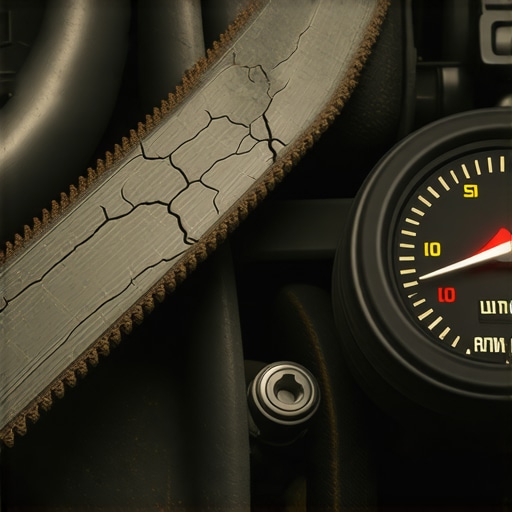
Imagine you’re cruising down the highway, enjoying your favorite playlist, when suddenly, your car starts making a weird screeching noise. You glance at the dashboard, but everything seems normal — for now. Then, out of nowhere, your engine temperature spikes, and you’re stranded on the side of the road. Turns out, it was your serpentine belt giving you an ominous warning before snapping entirely. That feeling of helplessness is incredibly frustrating, especially when you realize it could have been prevented with just a little awareness.
Why Paying Attention to Your Serpentine Belt Could Save Your Day
In my years of working on cars, I’ve seen how overlooked the serpentine belt is until it’s too late. It’s a small component, but it plays a critical role in keeping your engine running smoothly. A worn or slipping serpentine belt can lead to serious breakdowns — from overheating to loss of power steering, and even failure of the alternator. The good news? You don’t need to be a mechanic to spot the early warning signs.
Is Checking My Belt Really Worth the Effort?
Early on, I made the mistake of ignoring a minor squeal that seemed harmless. I thought, “It’s probably just a bit of dust or moisture.” Wrong. That tiny squeal was a signal that my belt was about to give up. If I had taken a moment to inspect it, I could have replaced it before it broke and left me stranded. If you’ve ever wondered whether those strange noises or minor vibrations are worth paying attention to, let me assure you: they are.
Pulling Over Safely and Gathering Tools
When you notice unusual noises or suspect a belt issue, find a safe spot to stop. Turn off your engine and locate your toolbox. For belt inspection, you’ll need a flashlight, a wrench set, and possibly a replacement belt if needed.
Locating the Serpentine Belt in Your Engine
Open the hood and find the serpentine belt—it’s typically a long, flat belt running around several pulleys. Refer to your vehicle’s manual if you’re unsure. I once recorded a quick video of my engine layout to familiarize myself with the belt path, saving time during the inspection.
Visual Inspection for Wear and Damage
Check the belt for cracks, fraying, glazing, or missing chunks. Run your fingers gently along its surface—if it feels rough or shows signs of deterioration, replacements are necessary. Remember, a belt is like a shoelace—if it’s frayed or cracked, it’s time for a new one.
Recognizing Common Signs of Belt Wear
If your belt has glossy spots or cracked ribs, it indicates aging. Also, if you notice squealing noises while driving, it could be a slipping belt. Doing this simple inspection saved me from a roadside breakdown when I caught a frayed belt early.
Checking Belt Tension and Alignment
Press down on the belt midway between pulleys. It should have a slight give—about a half-inch. If it’s too loose or too tight, you’ll need to adjust or replace it. A belt that’s too tight strains components, while a loose one slips, causing poor operation.
How to Test Belt Tension Properly
Use a belt tension gauge if available; if not, a simple press test works. I once improvised with a tension stick, which helped me determine if the belt needed tightening or replacement, thereby avoiding future failures.
Replacing the Belt if Necessary
If your inspection points to a worn or damaged belt, it’s best to replace it. Loosen the pulleys and remove the old belt carefully. Then, route the new belt around the pulleys following the diagram in your manual or sticker under the hood. Tighten pulleys appropriately—refer to your vehicle’s specs for the precise tension.
Tips for Installing a New Belt Without Hassle
Remember, proper tension is crucial for longevity. I once made the mistake of over-tightening, which caused an early pulley bearing failure. Use a tensioner or belt tension gauge to ensure you’re within specifications, precisely like how you would perform a proper brake pad inspection.
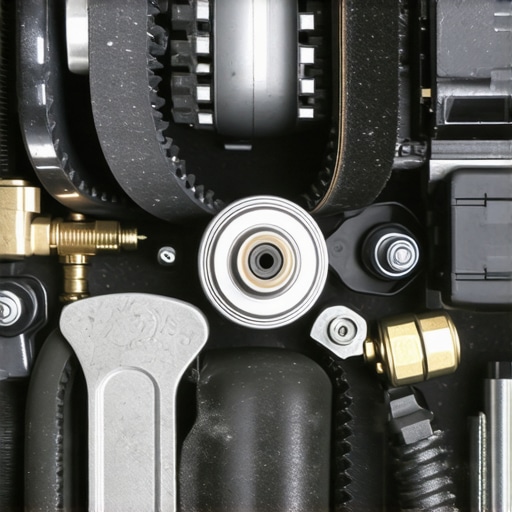
Illustration of a serpentine belt routing diagram to assist with proper installation.
Testing Your Work and Final Checks
Start your engine and observe the belt—listen for squeals and watch for proper movement. Use your hand (with engine off) to rotate pulleys gently to check for smooth operation. If everything runs quietly and smoothly, you’ve done it right.
What to Do if You Still Experience Issues
If problems persist, the belt may be misaligned or the pulleys worn. In such cases, inspecting pulleys and tensioners is essential. For complex issues, consulting a professional or visiting a reliable auto service can prevent further damage and ensure your vehicle’s longevity.
When most car owners think about brake service or regular tune-ups, they often assume that as long as the car stops when they press the pedal, everything’s fine. However, this overlooks critical nuances that could save you from costly repairs or even dangerous situations. I’ve seen many drivers fall into traps based on common misconceptions, and understanding these can dramatically improve your vehicle’s longevity and safety.
One widespread myth is that brake pads are the primary component to worry about when it comes to braking performance. While they are indeed vital, the real secret lies in the often-overlooked brake rotors and hydraulic systems. Neglecting rotor condition or ignoring subtle signs of caliper issues can lead to uneven brake wear, shuddering during stops, or even complete brake failure. This is why comprehensive brake inspections, beyond just pad replacement, are crucial.
Another misconception is that a tune-up only involves changing spark plugs and oil. In reality, a thorough tune-up should encompass inspecting and cleaning fuel injectors, checking the PCV valve, replacing ignition wires if needed, and evaluating the overall ignition system health. Skipping these steps might seem harmless but can lead to reduced fuel efficiency, engine hesitation, or rough idling. To truly optimize your engine, it’s essential to go beyond the basics.
Here’s a critical **
question for advanced enthusiasts**: How does the alignment of wheel geometry influence brake pad wear and overall vehicle handling?
Make no mistake; improper wheel alignment doesn’t just cause uneven tire wear—it also impacts how forces are distributed during braking. Poor alignment can cause your brake pads to wear unevenly, leading to premature replacement and compromised safety. According to a study published in the *SAE International Journal*, accurate wheel alignment can prolong brake component lifespan by up to 25%. Many drivers overlook this relationship, mistakenly believing they only need to address braking issues directly, but in reality, the entire suspension and wheel geometry play a pivotal role.
Overlooking advanced aspects like this can result in unnecessary expenses and safety risks. That’s why consulting expert resources or ensuring your auto shop performs comprehensive diagnostics—covering everything from brake hydraulics to suspension geometry—is vital. Regularly auditing these nuanced factors helps prevent the classic trap of reactive repairs and promotes proactive vehicle maintenance.
Have you ever fallen into this trap? Let me know in the comments. Recognizing the subtle signs and complex interconnections in automotive systems is what truly sets apart seasoned DIYers from novices. Being aware of these details ensures you’re not just maintaining your vehicle but actually optimizing its safety and performance.When it comes to maintaining your vehicle, having the right tools can make all the difference. Over the years, I’ve learned that investing in quality equipment not only speeds up repairs but also ensures safety and accuracy. One essential tool I swear by is a digital torque wrench. Unlike traditional torque wrenches, digital versions provide precise measurements when tightening critical components like suspension parts or brake calipers, reducing the risk of over-tightening, which can lead to premature wear or even damage. I personally use the Woodpecker Precision Torque Wrench because of its reliability and clear digital readout.
For brake system diagnostics, a high-quality scan tool is indispensable. I recommend the Autel MaxiSys series, which can read and clear codes, monitor live data, and even perform some active tests. This helps in pinpointing issues such as warped rotors or caliper malfunctions without guesswork. I’ve seen many colleagues streamline their diagnosis process using this device, saving time and avoiding unnecessary part replacements.
A reliable brake caliper piston tool is another must-have. I prefer the Powerbuilt Caliper Piston Compressor Tool because it allows me to retract pistons smoothly, especially with modern sometimes stubborn calipers. Its adaptability saves me from struggling with stuck pistons or risking damage to seals.
When working on electrical components, a good multimeter is essential. I lean towards Fluke multimeters for their durability and range of functions. Accurate voltage, resistance, and current readings are fundamental when testing sensors or wiring integrity, such as during a brake fluid sensor check.
In the future, I predict that advancements in technology will make diagnostic tools even more integrated with vehicle systems, possibly using augmented reality to guide repairs. As vehicles become more complex, having tools that can interface directly with onboard computers and display visual instructions will be game-changers.
So, what steps can you take today to upgrade your toolkit? Try investing in a digital torque wrench and see how it improves your next brake job. Remember, quality tools are a long-term investment that pays off in safer, more reliable repairs. For more on brake system diagnostics, consider exploring detailed guides on using scan tools effectively, like the comprehensive overview found here.
What I Wish I Knew About Brake Service Before Starting
Early in my career, I underestimated how crucial every component in the braking system truly is. I thought replacing pads was enough, but I learned that uneven rotor wear can be just as dangerous. That light bulb moment taught me to always scrutinize the entire brake assembly rather than just the surface.
How I Discovered the Power of Regular Tune-Ups
Initially, I believed routine maintenance was only necessary when problems arose. However, consistent inspections of spark plugs, air filters, and sensors revealed how small tweaks can prevent major engine hiccups. Taking proactive steps saves both time and money, and keeps your vehicle performing at its best.
The Surprising Impact of Wheel Alignment on Your Car’s Heart
I used to think wheel alignments were just about tire longevity. But I soon realized that misalignment drains brakes and causes uneven wear, which can lead to costly repairs. Ensuring proper wheel geometry isn’t just about tires; it’s about maintaining overall health and safety of your vehicle.
My Favorite Tools That Changed My Approach
Investing in a quality digital torque wrench, a reliable scan tool like Autel MaxiSys, and a sturdy caliper piston tool transformed my repair process. These tools provide precision and confidence, helping me catch issues early and perform fixes with assurance. Upgrading your toolkit can make a tangible difference in your auto repair journey.
When a Simple Inspection Saved My Day
One rainy afternoon, a squealing belt prompted me to check and replace it before it snapped. Had I ignored that squeal, I might have been stranded with a broken serpentine belt. It reminded me that tiny noises often carry the biggest warnings, a lesson I never forget now.
Where to Grow From Here
If you’re eager to deepen your auto repair knowledge, start with comprehensive guides on brake system diagnostics and vehicle maintenance. Regularly revisit your tools and techniques—like reviewing [this detailed guide on brake inspection](https://glassfixauto.com/how-to-tell-if-your-brake-pads-are-thin-without-removing-the-wheel)—to stay ahead. Remember, every small step towards understanding your vehicle adds up to safer drives and fewer surprises on the road.
Boost Your Auto Skills Today
By paying close attention to your car’s signals and investing in the right knowledge and tools, you become your own best mechanic. Whether fixing a squealing belt or understanding the nuances of wheel alignment, every effort counts. Have you discovered a small signal that saved you from a big breakdown? Share your story below, and inspire others to tune into their vehicle’s whispers.