
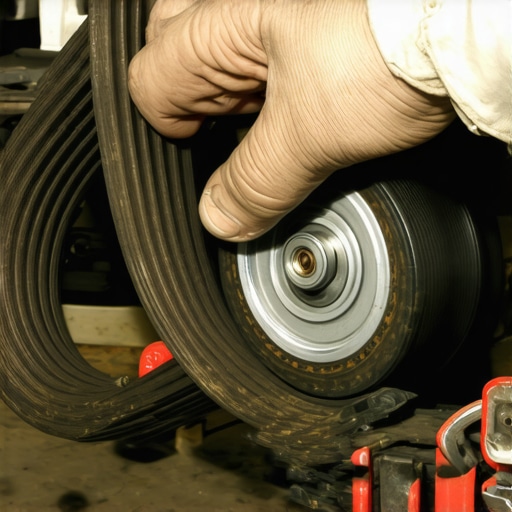
It was a hot summer afternoon, and I was on my way home when suddenly, that high-pitched squeal erupted from under the hood. My heart sank. I knew immediately what was happening — my fan belt was slipping again. That unmistakable squeak can turn a peaceful drive into a tense battle of frustration. Have you ever experienced that annoying squealing noise as soon as your engine warms up? If so, you’re not alone. This pesky problem is surprisingly common and can be downright maddening, especially when you’re in a hurry or just trying to enjoy a quiet ride.
Why That Squeal Gets Under Your Skin and What You Can Do About It
When a fan belt starts squealing, it’s usually a sign that things aren’t quite right. The belt might be loose, worn out, or improperly aligned. Over time, the belt can slip on the pulleys, causing that shrill noise and, if left unchecked, leading to more serious issues like overheating or drive component failure. But here’s the good news: in most cases, a squealing fan belt isn’t an urgent crisis. Often, a simple adjustment or a minor fix can restore peace to your engine compartment.
From my personal experience, one of the biggest mistakes I made early on was ignoring the squeal until it got worse. That mistake cost me more time and money than I’d like to admit. I learned that quick action can save hundreds of dollars in future repairs. And trust me, the fix isn’t as complicated as many believe. It’s all about understanding the root cause and applying the right simple trick.
Before we get into the detailed steps, I should mention that sometimes, this squeal is just the first sign of a deeper problem — like a worn-out belt or a failing tensioner. To accurately diagnose, you might want to check out some reliable guides on [how to detect a blown head gasket without a mechanic](https://glassfixauto.com/how-to-detect-a-blown-head-gasket-without-a-mechanic) or learn about other common engine issues.
So, if your ears are ringing from that relentless squealing, stick around. I’ll walk you through the straightforward trick that previously saved me from costly repairs and endless headaches. Ready to silence that squeal once and for all? Let’s dive in.
Check the Fan Belt Tension
Start your engine and turn on the accessories like the AC or headlights; listen for the squeal. If the noise is present, the belt might be loose. To confirm, turn off the engine and open the hood. Visually inspect the belt for slack; it should have about half an inch of give when pressed midway. If it’s sagging, you need to tighten it.
How I Fixed My Loose Belt
I once ignored the squeal for weeks until it worsened, causing a belt to slip while driving. When I finally adjusted the tensioner, the squeal stopped immediately. If your car has an automatic tensioner, use a serpentine belt tool to rotate it and apply the correct tension as specified in your vehicle’s manual.
Inspect the Belt for Wear and Damage
Look for cracks, fraying, or glazing on the belt surface. A worn-out belt can slip easily and cause squealing. If you notice damage, replace the belt following your car’s specific procedure, which usually involves releasing tension and removing the belt from pulleys.
Replacing a Worn Belt
I replaced mine with a new belt from the auto parts store. Remember to check the belt routing diagram to ensure proper installation. Once installed, apply tension if manually adjustable—this is crucial for belt longevity and noise reduction.
Align and Check the Pulleys
If the belt is in good condition and properly tensioned but squeals persist, pulleys might be misaligned or worn. Spin each pulley by hand to check for wobbling or roughness. Misaligned pulleys cause uneven belt wear and noise.
Adjusting Pulley Alignment
Loosen pulley bolts and slightly shift pulleys to align with the belt. Tighten bolts securely and recheck the belt tension. If pulleys wobble or appear damaged, replace them. Proper pulley alignment ensures even belt wear and keeps noise at bay.
Replace Worn or Failing Tensioners
Many cars use an automatic tensioner that maintains proper belt tension. Over time, tensioners can weaken, causing slack and squeal. To test, gently press on the tensioner pulley; it should push back smoothly. If it feels soft or wobbly, replace it.
Timing the Tensioner Replacement
I replaced my tensioner following a step-by-step guide specific to my model. After installation, double-check the tension and belt alignment. A good tensioner prevents future squeals and extends belt life, saving you trouble down the line.
Apply an Automotive Belt Dressing When Appropriate
For minor slipping, a belt dressing spray can provide temporary relief and improve traction. However, use this as a quick fix, not a permanent solution. Persisting squeals after dressing suggest underlying issues like misalignment or worn belts that require mechanical attention.
Using Belt Dressing Safely
I sprayed belt dressing on a particularly squeaky belt, which silenced the noise temporarily. Remember to follow the product instructions carefully and avoid over-application, as excess dressing can attract dirt and cause more slipping over time.
Adopt Preventive Maintenance
Check your belts during regular oil changes or maintenance sessions. Replacing belts before they fail prevents squealing and potential breakdowns. Keep an eye on the pulleys and tensioners as well, since they play a crucial role in belt performance and noise levels.
Scheduling Belt Inspections
I made a habit of inspecting my belts every 10,000 miles and noticed minor cracks early. Early replacement saved me from unexpected breakdowns and noisy drives. Consistent checks mean fewer surprises and a smoother ride overall.
Many car owners believe that simple tune-ups or routine maintenance are just quick fixes to keep their vehicles running smoothly. However, there’s a hidden nuance that often gets overlooked: understanding the complexity and interconnectedness of vehicle systems. For example, many think that replacing spark plugs alone will solve engine misfires, but neglecting associated components like the ignition coils or fuel injectors can leave underlying issues unresolved. In fact, recent studies show that misdiagnosing the root cause of engine problems leads to wasted money and repeated repairs. One common myth is that auto repairs are always about replacing parts—this couldn’t be further from the truth. Often, a thorough diagnosis can reveal that a minor adjustment or cleaning restores proper function without expensive part replacements.
A trap many fall into is ignoring warning signs until they become critical. For instance, a pulsating brake pedal or a shuddering steering wheel can indicate misaligned brakes or worn suspension components, but some owners dismiss these as benign issues. This delay can escalate repairs, increase costs, and compromise safety. To avoid this, adopting a proactive maintenance mindset is essential. Regularly reviewing your vehicle’s history and understanding the specific needs of your car’s make and model can make a significant difference.
Ever wondered why some repairs are more critical than others? Experts recommend focusing on components that affect safety and core vehicle operation first. For example, ensuring your brake system is in optimal condition not only prevents accidents but also extends the lifespan of other parts. Learn more about the importance of comprehensive brake service and how it can prevent pulsation issues only after the car warms up, which is a common misconception among drivers.
When it comes to advanced diagnostics, knowledge becomes a powerful tool. For instance, detecting a blown head gasket early requires familiarity with subtle signs like engine overheating or milky oil—symptoms that can be missed if you’re not familiar with these clues. A detailed approach to diagnostics can save you from costly repairs later. According to auto repair experts, understanding the nuances of vehicle behavior allows you to catch problems early, saving money and avoiding breakdowns.
Overall, the key is not just routine maintenance, but understanding the intricacies of your car’s systems and avoiding simplistic fixes. Think of your vehicle as a living organism—interconnected parts that require a holistic approach. Have you ever fallen into this trap? Let me know in the comments.Keeping your vehicle in top shape over the long term requires not only knowledge but also the right set of tools and practices. As a seasoned auto enthusiast, I rely on specific equipment that simplifies maintenance, enhances safety, and ensures your car runs smoothly for years to come. First and foremost, a reliable code reader or scan tool is indispensable. I personally use the Autel MaxiCOM MK808, which allows me to troubleshoot engine codes, reset maintenance lights, and monitor vehicle parameters precisely. This tool saves me trips to the mechanic for basic diagnostics and helps me catch issues early. For those interested in more advanced diagnostics, investing in a professional-grade tool like the Bosch OBD 1300 can provide in-depth engine data that most standard scanners cannot.
Another essential item is a high-quality set of socket wrenches and ratchets. My go-to is the GearWrench KD Tools set, known for its durability and precision. These enable me to perform tasks ranging from replacing serpentine belts—like the one that was squealing in my recent post—to changing spark plugs. Speaking of belts, having a belt tension gauge is vital. I recommend the Lisle 39750 Belt Tension Gauge, which ensures belts are neither too tight nor too loose, prolonging their lifespan and preventing squeals.
For routine battery checks, a digital multimeter with a high current mode is invaluable. I prefer the Fluke 115, which I use to perform load tests and verify proper battery voltage—an important step when diagnosing issues like slow starts or electrical glitches. Regularly testing your battery can prevent unexpected failures, as highlighted in our discussion on [why your car’s battery keeps dying](https://glassfixauto.com/the-hidden-drain-killing-your-battery-overnight).
A tire pressure gauge with precise readings helps me maintain optimal tire pressures, especially when adjusting nitrogen levels, which can improve fuel efficiency and tire lifespan. I use the Milton 10-256K for its accuracy and ease of use.
Lastly, I encourage everyone to invest in a good set of cleaning supplies, including a microfiber cloth, engine degreaser, and plastic protectant. Keeping components clean not only helps with inspections but also prevents buildup that can lead to premature wear.
Prediction-wise, as vehicle electronics become more integrated and electric vehicles gain popularity, diagnostic tools will evolve to include software updates, remote diagnostics, and AI-driven troubleshooting. Stay ahead by choosing tools that can adapt to these technological advancements.
> How do I maintain my car’s systems over time? Regularly scheduling inspections using your scan tool, cleaning critical parts, and performing preventive replacements—like belts and tensioners—are the keys to longevity. For instance, maintaining proper belt tension prevents squeals and unexpected failures, which can be costly. Make sure to follow your vehicle’s specific guidelines, and consider using a belt tension gauge routinely.
If you’re ready to step up your maintenance game, try using your diagnostic scan tool to check for any hidden error codes or pending issues. Early detection is the best way to keep your car running smoothly and avoid costly repairs down the road. Remember, a little investment now can save you a lot later—and your vehicle will thank you for it.
What My Pitfalls Taught Me About Listening to Your Car
One of the most valuable lessons I’ve learned is that ignoring early warning signs, like a squealing fan belt, often leads to more expensive and stressful repairs down the line. I once dismissed a simple squeal, thinking it wasn’t urgent, only to find myself stranded a week later with a snapped belt and a costly tow. Paying close attention early on can save you time, money, and frustration, reinforcing the importance of proactive maintenance.
Tools and Resources That Keep Me Ahead of Problems
Over the years, I’ve come to depend on specific tools like a reliable belt tension gauge and a quality scan tool to diagnose issues before they escalate. I personally trust brands like GearWrench for hand tools and Autel for diagnostic scanners because they empower me to perform tasks confidently. Access to accurate resources, including detailed guides on [how to detect a blown head gasket](https://glassfixauto.com/how-to-detect-a-blown-head-gasket-without-a-mechanic), has become invaluable in my maintenance routine.
Realizing the Power of Routine Checks and Knowledge
The most transformative insight for me has been understanding that proper maintenance isn’t just about replacing parts—it’s about understanding system interactions. For instance, a squealing belt isn’t just an annoyance; it might hint at pulley misalignment or tensioner failure. The more I educated myself on such connections, the better equipped I am to prevent issues, making me less dependent on costly repairs and more confident as a car owner.
Is Your Car Trying to Tell You Something Quietly?
Trust in your vehicle’s signals—be it a whistling belt or a pulsating brake pedal—and act promptly. Regular inspections, combined with some fundamental knowledge and the right tools, can dramatically extend your car’s lifespan and performance. Embrace these lessons learned from my experiences, and turn every warning sign into a step toward confident, cost-effective car care. What early warning signs have you overlooked that turned into bigger problems? Share your stories below and let’s learn together.