
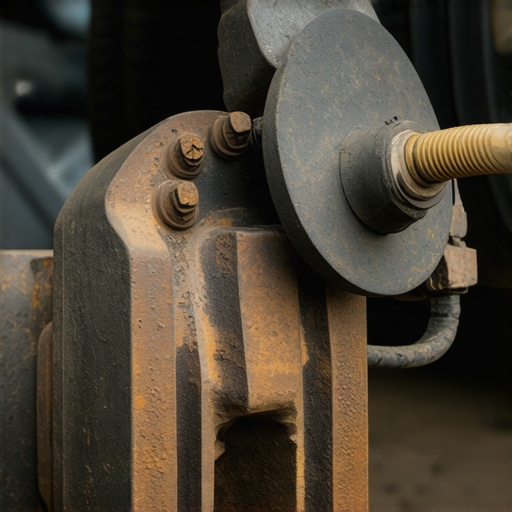
It was a cold morning, and I was pulling out of my driveway when my brake pedal suddenly went soft. Heart pounding, I realized I was inching closer to a potentially dangerous situation. That day, I learned a hard lesson about rusted brake lines—something I had always underestimated until it almost cost me dearly. If you’ve ever wondered why your brakes feel less responsive or why that lingering metallic smell persists, you’re not alone. Many car owners overlook the signs of rust lurking in the most critical part of their braking system.
Why Ignoring Rusted Brake Lines Is a Risk Worth Tackling
Rusted brake lines are stealthy troublemakers. They tend to develop over time, especially in climates where roads are salted during winter. When rust eats through a brake line, it can cause brake fluid leaks, leading to diminished braking power or even total failure. This isn’t just about a squeaky or squeaky brake pedal; it’s a potential safety hazard. Early detection is crucial, and trust me, the signs aren’t always obvious. I discovered that even a tiny surface rust can escalate rapidly — and once a brake line bursts, the damage is done.
Did you know that according to a study from the National Highway Traffic Safety Administration, brake system failures are among the top causes of vehicle accidents caused by mechanical issues? That’s a sobering reminder to pay close attention to your brake system’s health.
So, how do you know if your brake lines are compromised before they lead to disaster? Well, in this guide, I’ll walk you through the telltale signs and simple checks you can do yourself. Whether you’re a seasoned DIY mechanic or just a concerned driver, identifying these red flags early can save lives—and a lot of money on costly repairs.
Let’s start by understanding what to look for and how to prevent brake line failures from catching you off guard. If this sounds familiar, keep reading—your safety might depend on it.
Start With Visual Inspection
Park your vehicle on a flat surface, engage the parking brake, and wear gloves. Crouch down near the wheels and look for any visible signs of rust or corrosion on the brake lines. Use a flashlight to illuminate hard-to-see areas. I oncechecked my driver’s side brake line after noticing a faint metallic smell; I found small rust spots that needed immediate attention. If you spot rust, don’t ignore it—prepare for further checks.
Use a Wire Brush or Pick for Closer Examination
If surface rust is present, gently scrub the affected area with a wire brush or pick to see if corrosion penetrates deeper. This is like brushing away dirt to reveal the true condition underneath. When I did this during a routine check, I discovered some flaky rust that could have worsened without intervention. Keep an eye out for rust that flakes off easily, indicating advancing corrosion.
Look for Fluid Leaks and Brake Pedal Feel
Press the brake pedal firmly and observe how it responds. A soft or spongy pedal suggests air or fluid leaks, possibly from rusted or damaged lines. Also, check beneath the vehicle for wetness or discoloration around the brake lines. I once felt my pedal sink slowly over a few days; inspecting under my car revealed a leaking brake line due to rust. This proactive step can pinpoint issues that visual inspections might miss.
Perform a Brake Fluid Dye Test
Inject a brake fluid dye into the system and use a UV light to trace leaks along the lines. Although more advanced, this method is effective for detecting hidden leaks caused by rust holes. For my older vehicle, I borrowed a dye kit and identified a tiny leak I hadn’t noticed before, preventing potential failure. Consider this if you’re unsure about hidden rust damage.
Assess the Overall Brake Response
Test drive your car in a safe area to evaluate braking performance. Any hesitation, pulling, or unusual noises may signal compromised brake lines. During my test drive, I noticed a slight pulling to one side, which led me to discover a rusted line pinched or leaking on that side. Regularly feeling your brakes can catch problems before they escalate.
Consult a Professional for Suspicious Cases
If your inspections reveal rust or damage, it’s best to have a certified mechanic evaluate your brake system. Professionals can perform pressure tests and internal inspections more thoroughly. Remember, ignoring rusted brake lines is risky; better safe than sorry. For example, a quick inspection saved me from a costly breakdown by catching corrosion early.
Many car owners operate under misconceptions about brake service, tune-ups, and auto repairs that can lead to costly mistakes. One widespread myth is that all brake pads are created equal—yet, as I found out firsthand, cheap brake pads tend to wear out three times faster and can compromise safety, highlighting the importance of choosing quality parts. Another common false belief is that a simple oil change suffices for vehicle longevity, but neglecting specialized inspections like checking for rusted brake lines or worn components can result in dangerous failures that are easily avoidable
Why do so many believe that routine maintenance is enough to keep a vehicle in prime condition?
In reality, routine checks often overlook hidden issues like internal corrosion or subtle wear in critical parts. For example, a standard tune-up won’t fix a cracked intake boot or a badly worn serpentine belt, which can cause engine misfires or sudden breakdowns, respectively.
Many drivers assume that if their dashboard doesn’t light up or their car runs smoothly, no further action is needed. However, experts warn that some problems silently develop. Studies from automotive safety groups indicate that ignoring early warning signs—such as subtle vibrations or faint noises—can lead to expensive repairs or accidents shortly after. In fact, a minor engine misfire might be just a crack in a hose or a failing sensor, which can be diagnosed and fixed early if you pay close attention.
Another trap many fall into is trusting a quick visit to a tire shop or dealership for basic services, without understanding the nuances involved. For example, a well-executed wheel alignment isn’t just about straight steering; it impacts tire life, fuel economy, and overall safety. Misaligned wheels can cause uneven tire wear, leading to
Keep Your Vehicle Running Smoothly with the Right Tools
Maintaining your car over the years requires more than just basic knowledge; it demands a set of reliable tools and a systematic approach. One of my go-to instruments is a high-quality digital multimeter. I use mine not only to test battery voltage but also to diagnose electrical issues efficiently. Unlike analog meters, digital multimeters provide precise readings quickly, which is invaluable during troubleshooting. For example, when I noticed my dashboard lights dimming intermittently, a quick check with my multimeter revealed a slipping alternator belt—a simple fix that prevented my car from dying unexpectedly.
Another essential tool is a brake caliper piston tool. This enables me to retract the caliper pistons when replacing brake pads, ensuring a proper fit. I prefer models with attached adapters for different piston sizes, making the job more straightforward and saving me from costly workshop visits. For routine maintenance, I typically perform a detailed inspection of brake lines and pads every 10,000 miles, which helps catch wear early and prolongs overall brake system health.
Invest in Quality Test Equipment for Future Savings
I highly recommend investing in an OBD-II scanner. This device allows me to quickly read and reset error codes related to engine performance, transmission issues, and emissions. Having a reliable scanner—like the Autel MaxiScan or BlueDriver—has saved me hundreds of dollars in diagnostics. These tools are increasingly affordable and offer comprehensive data to guide DIY repairs or professional diagnostics. Learning to interpret these codes is where I started, and it empowered me to fix minor issues without leaving my garage.
Additionally, a good set of hand tools—like impact wrenches, socket sets, and screwdrivers—is crucial. I prefer tools with ergonomic handles and lifetime warranties, ensuring durability over years of regular use. Properly maintained hand tools can last decades, making each repair safer and more efficient. Remember, using the right tool for a specific task reduces damage risk and provides better leverage, especially during stubborn parts removal.
The Future of Auto Maintenance: Smart and Connected
As vehicles become more sophisticated, integration with diagnostic apps and smart tools is on the rise. The trend is moving toward wireless OBD-II adapters that connect to your smartphone, providing real-time diagnostics and maintenance reminders. I foresee a future where predictive maintenance—powered by AI analyzing your driving patterns—will tell you when to replace components before they fail. Embracing these advancements now can save you time, money, and frustration.
How do I keep my car in top shape over time?
Consistent maintenance routines, combined with the right tools and knowledge, will extend your vehicle’s lifespan. For instance, regularly cleaning and lubricating your door hinges with specialized spray prevents squeaks and rust, a simple but effective tip I’ve adopted from expert mechanics. Another proven method is using a dedicated coolant flush kit annually to prevent engine overheating and corrosion inside the cooling system. Remember, scheduling seasonal checks—like examining your tires with this method—keeps your car safe and reliable. Want to boost your DIY skills? Try using a brake caliper piston tool next time you replace your brake pads; it’s straightforward once you understand how it works and can save you a trip to the shop. For more detailed techniques, check out how to tell if your car needs an alignment or new parts.
Throughout this journey, I realized that many of us, including myself, tend to overlook the silent threats lurking beneath the hood. The lessons learned about rusted brake lines have profoundly shifted my approach to vehicle maintenance, emphasizing vigilance over complacency. Addressing rust isn’t just about prolonging the life of your car; it’s a matter of safety for you and your loved ones.
What Slipped Past My Radar and Could Impact You Too
- One of the most eye-opening lessons was understanding that visual rust isn’t always obvious, and by the time it’s visible, internal damage might have already occurred. This pushed me to adopt more proactive inspection routines.
- The realization that climate and road salt dramatically accelerate brake line corrosion made me reconsider my driving habits and maintenance schedule, especially in winter months.
- discovering that simple tools like a wire brush and UV dye can unearth hidden leaks empowered me to take control of my vehicle’s health rather than relying solely on mechanics.
Tools and Resources That Changed My Maintenance Approach
- My trusty digital multimeter became invaluable—not just for electrical issues but also for diagnosing complex brake problems quickly and accurately.
- A quality brake caliper piston tool made brake pad replacements smoother and prevented unnecessary damage or delays.
- The use of an OBD-II scanner opened my eyes to hidden error codes related to brake and other systems, saving me time and money.
- Books like Understanding Brake System Maintenance provided deep insights that transformed my DIY strategy and confidence.
Your Next Step Could Be a Simple Inspection That Saves Lives
If you’re wondering whether your brake lines are vulnerable, start with a visual check and listen for subtle changes in brake pedal feel. Incorporate routine inspections into your maintenance, especially if you live in areas with harsh winters or aggressive road salt use. Remember, early detection can prevent expensive repairs and potential accidents.
Don’t let assumptions about your vehicle’s health lull you into complacency. Taking control through education, proper tools, and proactive care can make the difference between a safe drive and a roadside emergency. Keep learning, stay vigilant, and your vehicle’s safety is in your hands.