
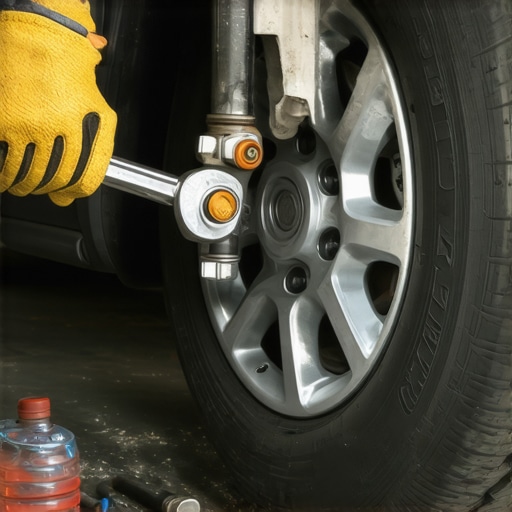
I’ll never forget the instant panic I felt when I tried to brake at a red light, and nothing happened. The pedal sank to the floor, and suddenly I was gripping my steering wheel a little too tightly, wondering if my brake caliper had decided to seize up completely. That frustrating moment made me realize something—I needed a way to handle stuck calipers without relying solely on fancy tools or dangerous methods like a blowtorch, which I definitely don’t have in my driveway. If you’re dealing with a similar problem, you’re not alone, and I promise there’s a solution that doesn’t involve risking your safety.
Why Freeing a Seized Brake Caliper Matters More Than You Think
Many drivers overlook brake issues until it’s almost too late. A seized caliper not only hampers safety but can also cause uneven brake pad wear, leading to costly repairs. The good news is that, with some patience and the right techniques, you can free a stuck caliper on your own—no need for a propane torch or mechanic visit just yet. Plus, tackling this problem yourself gives you a sense of control and prevents small issues from snowballing into bigger, pricier ones. Early intervention keeps you safe on the road and can save a significant amount of money.
Is Freeing a Stuck Caliper Really Worth the Effort?
When I first faced this issue, I thought about calling a mechanic immediately. But I made a costly mistake early on—I assumed that all stuck calipers meant they needed replacement right away. Turns out, many calipers become seized temporarily due to rust or grime, and a proper cleaning can often resolve the problem. Knowing this made me dive into some DIY solutions, which proved quite effective. If you’re cautious and patient, you might just salvage your caliper without spending hundreds. For more insight on how corrosion affects brakes, check out this interesting article on how road salt can lead to rust and part failure.
Now, let’s explore how you can free that stubborn caliper without resorting to dangerous or costly methods. The techniques I’ll share are based on real experience—mine—and are designed to be safe and practical for everyday car owners like you. So, if you’ve ever faced this frustrating brake issue, stay tuned. The fix might be simpler than you think—and hopefully, you’ll avoid the roadside panic I once had.
.
Jack Up the Car Securely
Begin by parking your vehicle on a flat surface, setting the parking brake, and placing wheel chocks behind the wheels that will remain on the ground to prevent rolling. Use a reliable jack to lift the vehicle’s corner with the stuck caliper. Consult your vehicle’s manual for precise jacking points and ensure the car is securely supported with jack stands before proceeding. I once jacked up my car without proper supports, and it wobbleled dangerously — a reminder to always double-check stability.
Remove the Wheel and Prepare the Caliper
Loosen and remove the lug nuts with a wrench, then take off the wheel to expose the brake caliper. This step is like revealing the hidden parts of a machine; now you can see what’s causing the issue. Be cautious with the brake line attached to the caliper—don’t put excessive strain on it. Having the wheel off allows clear access to the caliper pins and piston. I’ve seen DIYers struggle here because they forgot to support the caliper, causing damage to the brake hose.
Loosen the Caliper Bolts and Extract the Caliper
Next, locate the caliper mounting bolts—usually on the inside and outside of the caliper bracket. Use a socket wrench to carefully remove these bolts. Once free, gently lift the caliper away from the rotor. Remember, the piston may be stuck inside; do not force it with excessive pressure. I once used a hammer, which cracked the caliper, making my repair more costly. Gentle persuasion is key here.
Check the Piston and Seal Condition
Inspect the piston for corrosion, rust, or debris that might be causing it to stick. If rusty, cleaning with a wire brush and using brake cleaner can often free it up. If the rubber seal is damaged, replacement might be necessary. Think of this like cleaning a rusty hinge—a little lubricant and cleaning can restore movement. Swapping seals requires a bit more skill but is a worthwhile repair for long-term health.
Apply Penetrating Oil and Move the Piston
Use a spray penetrating oil—like WD-40—to soak the caliper pin and piston area. This step is akin to loosening a stuck door hinge; patience is critical. After spraying, gently wiggle the piston with a brake caliper piston tool or a suitable clamp to see if it moves. Be cautious not to deform the piston—apply steady pressure. I once rushed this step and broke the piston, leading to a full caliper replacement, which was unnecessary with patience.
Clean and Lubricate for Reassembly
Once the piston moves freely, clean the caliper and piston thoroughly using brake cleaner. Apply a thin layer of high-temperature brake lubricant to the caliper sliding pins and the back of the brake pads. This lubrication reduces future sticking. Think of it like oiling a bicycle chain; smooth operation extends component life and safety. Over-lubrication can attract dirt, so use sparingly.
Reassemble and Test
Carefully reattach the caliper to the rotor, tighten bolts to manufacturer’s specifications, and mount the wheel. Torque the lug nuts correctly—under-tightening risks loosening, and over-tightening may warp the rotor. Lower the vehicle, remove the jack, and do a cautious brake test. Pumping the brake pedal a few times helps seat the pads and piston properly. During my last job, I nearly forgot this step, resulting in a spongy feel—an easy mistake to avoid.
Many car owners operate under myths that can lead to costly repairs down the line. One prevalent misconception is that regularly changing your oil is all it takes for engine longevity. In reality, neglecting other critical components, like the engine’s air filter or fuel injectors, can significantly impair performance. Advanced drivers understand that comprehensive maintenance involves inspecting and replacing filters, spark plugs, and spark plug wires according to the manufacturer’s schedule, which can prevent issues like misfires and reduced fuel efficiency. For an in-depth look at overlooked filters impacting engine life, explore our article on the most ignored filter in your car.
Why do some cars seem to develop problems despite regular servicing?
This often relates to the hidden impact of road salt and environmental factors. Road salt accelerates corrosion on brake lines, suspension components, and underbody parts. Many assume that washing the exterior is sufficient, but neglecting undercarriage cleaning allows rust to take hold beneath the paint, leading to dangerous failures like rusted brake lines or suspension parts that cause handling issues. Regularly removing road salt with specialized underbody washes, especially after winter, can extend your vehicle’s lifespan. You can find more on this topic in how to remove road salt from your underbody.
Another advanced mistake is ignoring subtle signs of brake issues. For instance, a faint pulsing vibration when braking might seem minor but often indicates warped rotors or uneven pad wear. If left unaddressed, this can lead to increased stopping distances and compromised safety. Regularly inspecting brake components and listening for noises like squealing or clicking can reveal early problems. For a detailed diagnosis approach, see how to diagnose a bad CV joint by listening to the clicks.
What advanced mistakes do vehicle owners make during routine tune-ups?
One common pitfall is using generic parts instead of OEM (original equipment manufacturer) replacements. While cheaper and more accessible, non-OEM parts may not fit or function correctly, causing issues like engine misfires or premature wear. Furthermore, neglecting to reset diagnostic codes after repair or tune-up can mask underlying problems that could worsen over time. Modern vehicles also demand software updates as part of routine maintenance—overlooking this can result in subpar performance or missed diagnostic trouble codes. For consistent benefits, consult recommended service intervals and stay informed about software updates and maintenance tips.
Ultimately, understanding these nuances helps prevent small faults from escalating. It’s a matter of shifting from reactive repairs to proactive care, which saves money and enhances safety. Regularly questioning the assumptions you hold about your vehicle can uncover overlooked issues. Remember, each overlooked detail can be a sign of bigger underlying problems—don’t dismiss them. Have you ever fallen into this trap? Let me know in the comments and share your experiences.
Essential Maintenance Tools That Make Life Easier
Maintaining your vehicle over the long term is all about using the right tools and following disciplined routines. Personally, I swear by my digital inspection mirror — it allows me to peek into hard-to-see spots like behind the engine bay or beneath the vehicle without crawling underneath. This small investment saves hours during routine checks and helps identify potential issues early. For example, regularly inspecting the undercarriage for rust or leaks, especially if your area sees winter salting, can prevent costly repairs later. Learn how to effectively monitor rust buildup by visiting this guide on removing road salt from your underbody.
Another must-have is a quality multimeter. It’s invaluable for diagnosing electrical issues, such as dead batteries or faulty sensors, and helps confirm if components are receiving power or grounded properly. I recommend a digital multimeter with auto-ranging features; it simplifies testing without fussing over ranges and settings. Using a multimeter, I regularly check my battery voltage and alternator output, ensuring everything stays within healthy limits, especially before long trips.
Investing in Software and Diagnostics
Modern cars are precisely tuned machines, and software tools have become essential for effective maintenance. Personally, I use a professional-grade OBD-II scanner, which is capable of reading and clearing trouble codes, monitoring live sensor data, and verifying system performance. Basic scanners are tempting for their low prices, but investing in a more advanced device pays dividends when troubleshooting tricky problems like intermittent misfires or subtle sensor failures. These tools let me keep an eye on vital stats like fuel trim, MAF sensor readings, and engine temperature, empowering me to catch issues early.
Predicting the future of car maintenance, I believe we’re moving towards integrated diagnostics—cars equipped with in-built sensors that communicate directly with our smartphones. Imagine receiving alerts on your device about imminent brake pad wear or fluid replacements. To prepare, I recommend familiarizing yourself with reputable diagnostic tools early on, as they will be indispensable in an increasingly connected automotive world.
How do I maintain my car’s health over time?
Consistent inspection and using the right equipment are key. For instance, checking your CV joints by listening to clicking sounds during acceleration can prevent a sudden breakdown if diagnosed early, as explained in this article on diagnosing CV joint issues. Regularly scrutinizing fluid levels, brake wear, and electrical connections keeps your car reliable. Remember, a little effort invested in proper tools and routine checks now can save you from expensive repairs later. Trying out a comprehensive inspection with your multimeter and scanner can be a game-changer in proactive maintenance. Once you’ve integrated these tools into your routine, car care becomes less of a chore and more of a strategy to ensure longevity and safety.
Secrets Only Veteran Mechanics Know About Brake Fixes
Looking back, one of the most valuable lessons I learned during my DIY repair journey is that patience outweighs brute force. Rushing to bail out a stuck caliper with a hammer often led to more damage and higher costs. Instead, understanding the subtle signs of corrosion and using penetrating oils carefully saved me from costly replacements and kept my car safe. Trust me, the small details—like inspecting the rubber seals or gently moving the piston—are where the real savings and safety assurance lie.
Another insider tip is recognizing that many seized calipers aren’t beyond repair. Often, rust and grime are the culprits, not mechanical failure. Cleaning and lubricating can restore mobility without needing to buy new parts. This realization prevented me from unnecessary parts purchases and deepened my appreciation for routine maintenance that extends component life and keeps brakes responsive.
The most profound lesson? Regular inspection with the right tools—like a quality multimeter or a simple inspection mirror—can catch problems before they cost a fortune. Developing an eye for early signs, such as uneven brake wear or odd vibrations, means you step into proactive vehicle care rather than reactive repairs. Remember, these habits are about preserving safety and your wallet, often overlooked in routine maintenance but game-changers when it truly counts.
Building My Toolbox for Smarter Car Maintenance
Over time, I’ve curated a set of tools and resources that make maintenance less intimidating and more effective. A digital inspection mirror, for example, has been invaluable for spotting hidden rust or leaks behind engine components—saving hours and preventing surprises. Equally, a professional-grade OBD-II scanner has empowered me to troubleshoot electrical issues early, avoiding roadside breakdowns and expensive diagnostics.
For knowledge, books like Automotive Repair and Maintenance by Patricio G. Vela have deepened my understanding of vehicle systems, giving me confidence to tackle complex problems. Additionally, online resources like trusted repair websites and forums provide real-world advice and troubleshooting tips that complement hands-on experience. Having assembled these tools and knowledge bases, my approach to car care feels more informed and less stressful, emphasizing prevention over costly fixes.
Take Charge and Keep Your Car in Top Shape
Your vehicle is more than a machine—it’s a vital part of your daily life. Embracing the lessons from my own mechanical misadventures can help you develop a proactive maintenance mindset. Regularly checking critical areas, investing in quality tools, and learning from experienced sources will not only save money but ensure your safety on the road. The journey to reliable, trouble-free driving begins with small, informed steps—so why wait?
What’s the biggest brake challenge you’ve faced, and how did you solve it? Share your experience below—your story might just help someone else avoid a roadside panic!