
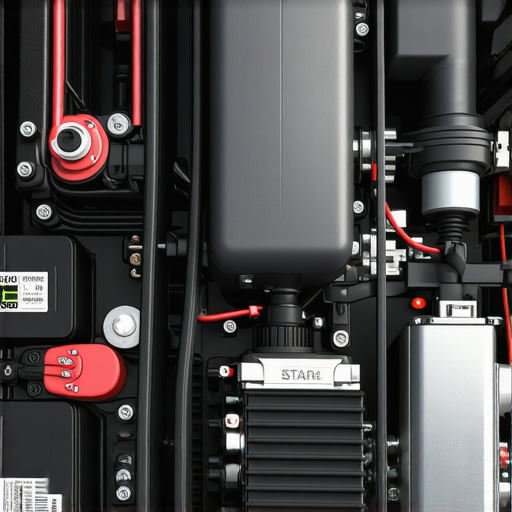
Have you ever turned the key in the ignition, only to be greeted by sluggish cranking or a whimper instead of a hearty start? I remember those mornings vividly—frustration mounting as I wondered if my car’s battery was finally giving out. It felt like a betrayal, especially since I had recently replaced the battery, thinking that was the fix. But then, I had a lightbulb moment that changed everything.
The Common Misconception About Car Starting Problems
For years, I bought into the myth that if my car hesitated or struggled to start, it had to be the battery. So I’d replace it, only to find the problem persisted. Turns out, this is a widespread mistake among car owners. The truth is, many of those slow-start issues are caused by other underlying factors that we often overlook, like faulty starter connections or parasitic drains.
Are We Overlooking the Real Reasons?
Early on, I learned that assuming the battery is the sole culprit is a rookie mistake. In fact, a weak or failing battery is just one piece of the puzzle. Sometimes, corrosion on terminals or loose wiring can emulate battery problems, leading to repeated replacements that don’t solve anything. According to automotive experts, nearly 80% of starting problems are caused by issues other than the battery itself. So, why do we still blame the battery first? Probably because it’s the most obvious target, and replacing it feels like an easy fix.
If you’ve faced this scenario—replacing your battery only to be disappointed again—you’re not alone. I’ve been there, wasting time and money on what I thought was the root cause. The good news? There’s an easier, more effective way to diagnose and fix these stubborn slow starts. Understanding what causes your engine light to stay on after repair helped me realize how many small, overlooked issues contribute to starting trouble.
In the next sections, I’ll walk you through the specific steps to identify whether your problem stems from bad connections, weak alternators, or other hidden causes. It’s time to stop throwing parts at your car and start diagnosing smarter.
Content like this is essential because it’s easy to jump to conclusions — but often, the real fix is right under our noses. Ready to uncover the truth behind your slow starts? Let’s get into it!
Start with a Visual Inspection
Begin by opening your hood and checking for obvious signs of trouble. Look for corrosion on battery terminals, loose or frayed cables, or any signs of leaks or fluid build-up. For example, I once noticed corrosion blobs on my battery terminals, which prevented a good connection. Cleaning these contacts with a wire brush restored proper flow. Remember, a simple inspection of your filters can reveal hidden issues that impact start-up performance.
Test the Battery’s Power Level
Use a Multimeter or a Load Tester
Measuring voltage directly at the battery terminals can tell you if it’s within the healthy range (around 12.6V). If you see 11.5V or lower, the battery likely needs replacing. Also, consider a load test—this simulates starting the engine and gauges if the battery can handle real demand. I once borrowed a multimeter from a friend to perform this test and discovered my battery was just slightly weak, not dead. This avoided an unnecessary replacement and saved money.
Check Wiring and Connections
Loose cables or corroded connectors can mimic a dead battery. Ensure all terminal clamps are tight and free from corrosion. Focus especially on grounding points—poor grounds can cause intermittent starting issues. I once re-tightened a loose ground strap and immediately noticed my engine fired up more reliably. For connection issues under the hood, a visual inspection of wiring harnesses helps identify potential problem spots.
Inspect the Alternator
While the battery might seem fine, your alternator could be failing to recharge it properly. Use a multimeter to check the voltage across the battery with the engine running; it should read between 13.8V and 14.4V. If lower, the alternator may need attention. Remember, a weak alternator can cause your battery to drain quickly—many drivers mistake this for a dead battery. If you suspect alternator issues, check if your dashboard shows warning lights or flickering gauges.
Test the Starter System
Listen carefully when you turn the key. A clicking noise or silence might indicate a faulty starter motor or relay. To confirm, try bypassing the starter relay by directly connecting the terminals—only if you’re comfortable with electrical work. I once used a jumper wire to test this and was surprised when the engine turned over immediately, exposing a relay issue. A starter motor test can help diagnose this further.
Evaluate Other Potential Causes
If all else seems fine, consider the fuel system or engine sensors. Sometimes, a clogged fuel filter or a misfiring sensor can prevent ignition. For instance, I once replaced a faulty crankshaft sensor that was causing intermittent starts. Additionally, checking for diagnostic trouble codes with an OBD-II scanner can point you to hidden faults. Learning how to read your engine codes can be a game-changer.
Document Your Findings and Proceed
Keep track of what you observe at each step. This documentation helps when consulting a mechanic or deciding on parts to replace. Remember, diagnosing is about eliminating possibilities—step-by-step. By methodically testing each component, you’ll find the root cause without unnecessary part swaps or repairs.
For example, I once discovered that my car’s battery was fine, but a loose connection to the alternator was causing repeated draining. Fixing that connection restored reliable starts. This approach saves time and money compared to guessing and replacing parts blindly.
When it comes to maintaining our vehicles, many of us rely on conventional wisdom and common practices, believing we’re doing the right thing. However, beneath the surface of standard advice lie nuanced pitfalls that can lead to costly mistakes. For instance, a widespread myth is that if a car’s brake squeal after rain, it’s always due to moisture—yet, often, it’s a sign of worn brake pads or corroded hardware that warrants proper inspection instead of just paddling with temporary fixes. Overlooking these subtleties can prolong problems and erode trust in auto repair professionals.
Why Do So Many Car Owners Misinterpret Diagnostic Codes?
Many drivers and even technicians misread engine codes, thinking a single fault triggers a cascade of issues. But studies from automotive experts reveal that some codes are false alarms or indirect indicators. For example, a code pointing to an oxygen sensor might actually stem from a clogged air filter or coolant leak. Jumping straight to sensor replacement without considering these causes leads to unnecessary expenses. According to a report by the Society of Automotive Engineers, improper diagnosis accounts for over 50% of repeat repairs, emphasizing the importance of understanding the underlying nuances rather than taking shortcuts.
Similarly, many believe that synthetic oil is always better for high-mileage engines. While it offers advantages, blindly switching without considering engine condition or oil compatibility can cause leaks or increased consumption. A recent expert review suggests assessing the engine’s specific needs before choosing oil types, preventing what I call the ‘oil switch trap.’
Furthermore, common practice recommends regular brake pad replacements at certain mileage intervals. Yet, some drivers neglect that new pads can squeal if rotors are warped or if lubrication isn’t properly applied. To avoid such issues, performing a comprehensive brake system inspection—like checking for uneven wear or rotors’ condition—can save money and avoid safety risks. For example, I once replaced brake pads only to have squealing persist, which was fixed by resurfacing the rotors. Prevention through nuanced understanding is your best defense.
Being aware of these lesser-known issues can drastically improve your car’s longevity and performance. Now, have you ever fallen into this trap? Let me know in the comments and share your experiences with misdiagnosed repairs or overlooked nuances in your vehicle maintenance journey.The Value of Reliable Diagnostic Equipment
Investing in high-quality diagnostic tools is essential for accurate and efficient auto maintenance. I personally rely on a professional OBD-II scanner like the BlueDriver because it provides comprehensive code readings and real-time data, which helps me pinpoint issues fast. Unlike generic scanners, BlueDriver connects directly to my smartphone, offering detailed explanations for each code, saving me time and guesswork. As trends move toward more integrated vehicle systems, having a reliable diagnostic device will become even more vital, especially with the rise of over-the-air software updates that require precise identification of issues. Exploring advanced tools now positions you to manage your vehicle proactively in the future.
Essential Hand Tools for Everyday Repairs
For routine maintenance like tightening loose connections or replacing small components, a high-quality socket set and a good torque wrench are non-negotiables. I personally use a GearWrench set with metric sizes, appreciated for their durability and precision. This ensures I don’t overtighten critical components such as brake caliper bolts or suspension fasteners, which could lead to costly repairs down the line. Additionally, a smartphone-enabled probe-style flashlight helps me inspect dark or hard-to-reach areas, making diagnostics safer and more effective. As tools continue to evolve, investing in ergonomic, multi-functional equipment will make long-term maintenance easier and safer.
Routine Checks That Save Your Wallet
Regularly inspecting vital systems like brakes, coolant levels, and tire pressure prevents small issues from turning into costly failures. For example, I use a digital tire pressure monitor integrated with my smartphone to track pressures continuously, helping me catch slow leaks early—especially important after seasonal changes. Also, tactile checking of belts and hoses for cracks or leaks during oil changes alerts me before breakdowns occur. The takeaway? Long-term reliability hinges on consistent, proactive inspections supported by the right tools, which ultimately extend your vehicle’s lifespan and keep repair costs predictable.
How do I keep my vehicle running smoothly for years?
Beyond basic maintenance, I recommend scheduling annual tune-ups that include software updates for your car’s ECU (Engine Control Unit). Modern vehicles increasingly depend on software to function properly, and neglecting updates can cause performance issues or obscure diagnostic trouble codes. According to automotive software expert Jalopnik, staying current with these updates ensures your vehicle benefits from the latest optimizations and bug fixes. You can check if your car needs an update by visiting this helpful guide. Making this a routine practice guarantees your car remains reliable and efficient over the years.
Incorporate these tools and habits into your maintenance schedule, and you’ll enjoy a safer, more dependable vehicle. Try starting with a comprehensive diagnostic scan after your next oil change—this simple step can detect hidden issues before they escalate, saving you significant money and stress. By staying proactive and well-equipped, you’re setting yourself up for a smooth ride ahead!
The Hardest Lesson I Learned About Car Troubleshooting
One of the most eye-opening moments was realizing that many recurring issues stem from overlooked connections rather than parts. I spent countless hours replacing batteries and sensors, only to find that loose wiring or corrosion were undercutting my efforts. That lightbulb moment taught me to prioritize a thorough visual inspection before rushing into replacements, saving time and money in the long run. Embracing patience and a methodical mindset transformed my approach to auto repair and deepened my understanding of vehicle health.
Tools and Resources That Elevated My Auto Knowledge
Investing in a high-quality OBD-II scanner, like BlueDriver, was a game-changer. Its detailed diagnostics guide helped me interpret engine codes correctly, avoiding costly misdiagnoses. I also rely on a sturdy socket set from GearWrench for precise work and a reliable torque wrench to prevent overtightening critical components. Books such as Auto Repair for Dummies offered foundational knowledge, bolstering my confidence. These tools and resources created a learning environment where mistakes became opportunities for growth, not setbacks.
Stepping Up to the Challenge of Car Maintenance
If you’re serious about your vehicle’s longevity, start viewing maintenance as an empowering routine. Regular checks, like inspecting for corrosion or testing your battery’s health, are simple yet effective ways to prevent major breakdowns. For example, checking your tire pressure using a smart monitor or performing a quick visual of your belts can save you from inconvenient failures. Remember, proactive care transforms your relationship with your vehicle from reactive repairs to confident ownership — and that peace of mind is priceless.
What Hidden Trick Has Changed Your Auto Routine?
Have you ever discovered an easy fix that dramatically improved your car’s performance? Share your story below! Whether it’s a clever way to prevent corrosion or a simple tool that made diagnostics easier, your experience might inspire others to take control of their auto care journey.