
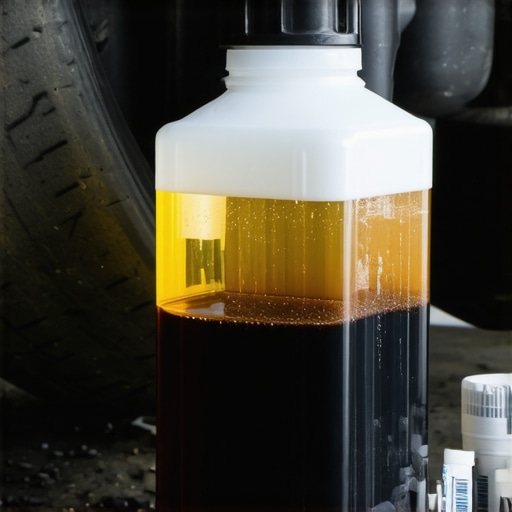
It happened to me on a rainy Tuesday morning. I reached for the brake pedal, expecting its usual resistance, only to feel it sink halfway to the floor. A quick peek under the hood revealed a shocking sight: the brake fluid reservoir was dark and murky, unlike anything I’d seen before. That moment was a lightbulb that finally switched on—something wasn’t right, and I needed to act fast.
The Hidden Danger of Darkening Brake Fluid
Brake fluid plays a crucial role in stopping your vehicle safely. When it starts turning black, it’s a sign that contaminants—like dirt, moisture, and rubber particles—are invading the system. These impurities can lead to corrosion, decreased braking efficiency, and even total brake failure if left unaddressed. Honestly, I learned the hard way that ignoring this warning can put you and your loved ones at unnecessary risk.
Many drivers overlook the color of their brake fluid, thinking it’s a minor issue or just a normal part of aging. But according to professional auto technicians, dark brake fluid indicates that your brake system is under attack from corrosion and debris. Regular brake fluid changes are vital—it’s not just about maintaining the look of your fluid but ensuring your brakes respond reliably when you press that pedal.
Have you ever noticed your brake fluid darkening over time? Or maybe you’re unsure what the color even means? Well, I promise, today we’re going to demystify this common concern. I’ll walk you through why this matters, common mistakes to avoid—like ignoring early signs—and what your next steps should be to keep your brakes in top shape.
Before I discovered the importance of regular brake fluid maintenance, I made the mistake of waiting too long to check it. Trust me, that delay could have cost me dearly. For a comprehensive understanding of your vehicle’s maintenance needs, I recommend reviewing this helpful [car service checklist](https://glassfixauto.com/car-service-checklist-how-to-keep-your-vehicle-in-top-shape). Now, let’s get into the real reasons behind that ominous black brake fluid and what you can do about it.
Prepare Your Tools and Environment
Before diving into the brake fluid replacement, gather essential tools: a socket set, brake fluid container, and a brake bleeder kit. Park your car on a level surface, engage the parking brake, and ensure the engine is cool to prevent burns. Proper preparation is key—think of it as setting the stage for a successful repair, just like tuning a guitar before a concert.
Locate and Access the Brake Master Cylinder
Open your vehicle’s hood and identify the brake master cylinder reservoir, usually situated near the driver’s side. Clean around the cap to prevent dirt from contaminating the new brake fluid. Remove the cap carefully—this is where old, contaminated fluid is stored and will be replaced with fresh fluid. Picture this step as opening a sealed jar; cleanliness is essential to prevent introducing debris into your brake system.
Drain the Old Brake Fluid
Use a turkey baster or a fluid syringe to extract as much old brake fluid as possible from the reservoir. This minimizes the amount of contaminated fluid you need to replace. Remember, old brake fluid is like muddy water—removing it early helps prevent corrosion and ensures your brakes work reliably.
Refill with Fresh Brake Fluid
Pour new, high-quality brake fluid into the reservoir, matching the type specified in your owner’s manual—typically DOT 3, DOT 4, or DOT 5.1. Fill up to the MAX line, but do not overfill. Think of this as topping off a leaky water balloon—adding just enough to restore proper function. Using fresh fluid is like giving your brake system new life, improving responsiveness and safety.
Bleed the Brakes to Remove Air Bubbles
Air in the brake lines can cause spongy pedals and decreased braking power. To remove trapped air, start with the wheel farthest from the master cylinder—usually the right rear. Attach a clear tube to the bleeder valve, place it into a container with a bit of brake fluid, and have an assistant press the brake pedal steadily multiple times. Open the bleeder valve, then close it once fluid—free of air bubbles—starts to flow. Repeat this process on the remaining wheels, working inward towards the master cylinder. It’s akin to squeezing out toothpaste evenly—air bubbles are the bad spots that weaken your brake performance.
Test and Final Checks
After bleeding all brakes, press the pedal firmly to ensure it feels firm and responsive. Top off the brake fluid if necessary. Start the engine and gently test your brakes at low speed in a safe area. If pedal feel is still soft or spongy, repeat the bleeding process. Remember, like tuning a musical instrument, small adjustments can yield significant improvements—consistent monitoring keeps your brakes reliable.
Keep Up with Regular Maintenance
To prevent future darkening of brake fluid, schedule regular fluid exchanges—generally every 2-3 years or as recommended in your owner’s manual. Regularly check the fluid’s color and level; dark fluid indicates it’s time for a change. Think of it as changing oil for your car’s heart—regular care ensures longevity and optimal performance, much like a well-maintained garden thrives under consistent attention.
For a more comprehensive guide on vehicle maintenance routines, visit our car service checklist. Remember, tackling brake fluid replacement yourself can save money and enhance your understanding of your vehicle’s health. Still, if you’re unsure or uncomfortable with the process, don’t hesitate to contact professionals through our contact page.
Many car owners believe that basic maintenance tasks like oil changes or brake pad replacements are straightforward, but in reality, there’s more nuance—and pitfalls—than casual inspections might reveal. A prevalent myth is that “if it looks fine, it works fine,” which can lead owners to overlook subtle signs of impending failure. For example, a seemingly minor synchronization issue in the timing belt can cause engine misfires that are only diagnosable with proper tools and experience. As experts suggest, neglecting these nuances can result in costly repairs down the line.
How can advanced diagnostics reveal problems that simple inspections miss?
Professional auto technicians use sophisticated tools—like oscilloscopes and diagnostic software—to detect issues invisible to the untrained eye. This approach ensures that small, emerging faults don’t escalate into major failures, saving both time and money. According to industry studies, vehicles with regular, detailed diagnostics tend to experience 30% fewer breakdowns annually. So, while it’s tempting to rely solely on visual cues or basic knowledge, understanding the complexities can be the difference between a simple fix and a roadside emergency.
Be cautious of common traps—such as assuming that a dashboard warning light is a minor inconvenience—that can mask underlying problems. For instance, a blinking check engine light might seem like a trivial alert but often indicates something critical like sensor failure or exhaust system issues. Missing these signs because of misconceptions about auto repair can result in component damage, reduced safety, or even compromised emissions compliance.
Let’s explore a few advanced mistakes owners often make. Firstly, delaying brake service because the brake pedal still feels firm. Often, brake pads appear fine visually, but underlying issues like caliper sticking or rotor warping are hidden. Regularly reviewing brake service myths can help clarify what to watch for. Secondly, ignoring the subtle smell of burning rubber—that could stem from a worn serpentine belt or slipping pulley, issues that aren’t immediately evident.
To avoid falling into these traps, consider comprehensive maintenance plans and diagnostic checks. Regularly reviewing car service checklists can help you stay ahead of potential issues, but nothing beats professional diagnostics for uncovering hidden problems. Think of your vehicle like a living organism—interconnected systems often hide warning signs that need expert interpretation.
Remember, proactive awareness and understanding these nuances can extend your vehicle’s lifespan and ensure safety on the road. Have you ever fallen into this trap? Let me know in the comments, and share your experiences or questions about hidden auto repair pitfalls.Maintaining your vehicle’s health over the years requires more than routine checks; it demands precision tools and a strategic approach. One of my go-to instruments is the diagnostic scanner, like the Autel MaxiSYS MS908, which allows me to perform comprehensive live data analysis and pinpoint issues before they escalate. This device is invaluable because it provides real-time insights into engine performance and sensor readings, enabling proactive maintenance. Additionally, I rely on high-quality dielectric grease applicators to prevent corrosion on electrical connectors, extending component lifespan. Regularly updating my software—such as the manufacturer’s service protocols—ensures I stay ahead with the latest repair techniques. As cars evolve with advanced electronics, integrating software solutions like OBD-II diagnostic apps (e.g., CarScanner) on my tablet streamlines the troubleshooting process, especially when working on multiple vehicles or scaling a workshop. Looking ahead, the trend points toward greater automation and remote diagnostics, reducing downtime and increasing efficiency. How do I maintain my tools and procedures to keep them effective long-term? I emphasize routine calibration of my diagnostic equipment and continuous education—for example, attending manufacturer training sessions and subscribing to industry updates. This consistency ensures accuracy and readiness for any repair challenge. By refining my toolkit and staying informed, I can scale my auto repair capabilities without sacrificing quality. If you’re ready to upgrade your maintenance routine, try investing in a professional-grade diagnostic scanner and commit to regular updates—these small steps make a significant difference in long-term vehicle care. For detailed guidance on maintaining your tools and staying current, review our car service checklist and consider scheduling periodic professional calibrations.
What I Wish I Knew Before Ignoring Dark Brake Fluid
One of the most eye-opening lessons I’ve learned is that darkened brake fluid isn’t just a foul-colored liquid—it’s a warning sign that your entire braking system is under threat. Realizing that contaminants like moisture and rubber particles can silently damage your brakes forced me to reevaluate my maintenance approach, emphasizing proactive checks rather than reactive fixes.
The Power of Simple Vigilance
Sometimes, the smallest detail—like checking the fluid’s clarity during routine inspections—can be the difference between safe driving and costly repairs. I discovered that setting a regular schedule for brake fluid replacement not only extends the life of components but also dramatically improves brake responsiveness. An ounce of prevention truly beats a pound of cure, especially when it comes to your safety.
Understanding the Hidden Cost of Neglect
Ignoring signs like dark brake fluid may seem harmless at first, but over time, it leads to corrosion, warped rotors, and compromised hydraulic lines. My personal lightbulb moment was realizing that neglect doesn’t just affect performance—it endangers lives. The most valuable lesson? Never underestimate the power of routine maintenance to prevent emergencies on the road.
Curated Resources for Smarter Car Care
For those eager to deepen their understanding, I highly recommend exploring our comprehensive car service checklist. It provides actionable insights into regular vehicle upkeep. Additionally, reading brake system repair guides has transformed my approach to diagnostics. Investing in quality tools, like a reliable brake bleeder kit, has paid dividends in avoiding roadside issues and ensuring peace of mind.
Your Turn—Take Control of Your Vehicle’s Health
Don’t wait for warning lights to force your hand—be proactive with brake maintenance. Regularly inspecting your brake fluid’s color and level can save you from unexpected failures. Have you noticed your brake fluid darkening? Share your experiences or ask questions below—your vigilance today can mean safety tomorrow.
,