
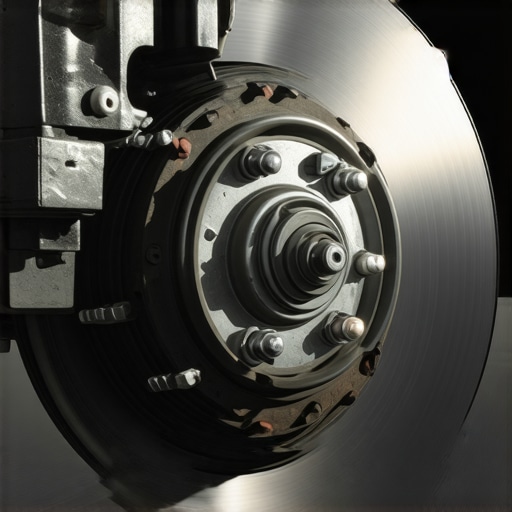
I remember the first time my brakes started making that annoying humming sound as I gently slowed down in traffic. It caught me off guard—here I was, thinking I was on top of my car maintenance game, and suddenly, my vehicle sounded like a buzzing bee every time I tapped the brakes. That lightbulb moment made me realize: if I didn’t address this, I might be heading for bigger, more expensive problems.
Don’t Let Brake Humming Disrupt Your Drive — Here’s What You Can Do About It
Could Your Car Be Sending A Subtle Warning?
That faint humming isn’t just a harmless quirk. It could be your brake system’s way of saying, “Hey, I need attention.” Early on, I made the mistake of ignoring a similar noise, and it led to uneven brake pad wear and increased repair costs. The good news? Recognizing the significance of that sound can save you money and keep your driving safe.
Every time I experienced this issue, I wondered if I was missing something or perhaps overreacting. Rest assured, brake noises are more than just a nuisance—they often point to underlying problems like glazing, dust accumulation, or worn-out components. Addressing them early can prevent more significant damage. I recommend checking out [brake service myths](https://glassfixauto.com/brake-service-myths-what-you-need-to-know-before-your-next-stop) to understand what might be causing the hum.
But before jumping to conclusions, it’s worth asking: Is the humming truly worth the fuss? Sometimes, minor noises can be benign. However, knowing the warning signs makes all the difference. Today, I’ll guide you through easy steps to identify whether your brakes are humming due to simple causes or whether they need a professional tune-up. If you’ve faced this perplexing sound in your own vehicle, stick with me—I’ve been there, and I have the insights you need to turn down the noise.
Slide Under Your Car and Examine the Brakes
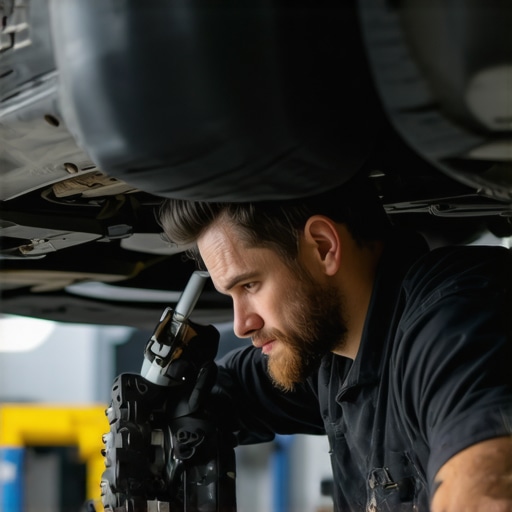
First, safely lift your vehicle using a jack, ensuring it’s on a flat surface, then remove the wheel to access the brake assembly. This step reminds me of changing a flat tire — stability is key. Once the wheel is off, inspect the brake pads for uneven wear or glazing, which appears as a shiny, smooth surface. Worn-out pads might cause vibrations and the humming sound you notice. If you see uneven or cracked pads,it’s time to replace them.
Clean and Lubricate Brake Components
Accumulated dust and rust can contribute to brake noise, much like squeaky hinges. Use a brake cleaner spray to remove dust, and apply high-temperature brake grease to the back of the pads and caliper slides. This maintenance can reduce metal-on-metal contact that causes humming. During my own experience, cleaning the calipers significantly diminished the noise, extending the lifespan of components and improving braking feel.
Assess Brake Rotor Condition and Surface
Check the rotors for excessive wear, warping, or scoring. If you notice uneven surfaces or visible grooves, they may cause vibrations and noise. A simple way to test rotor flatness is to spin the wheel with the brake slightly engaged—any wobbling indicates warping. Resurfacing or replacing rotors might be necessary. Think of rotors like the floor of a dance studio—smooth and even, they allow the dance (braking) to perform flawlessly. If in doubt, professional inspection can confirm whether rotors need machining or replacement, which can be found through trusted auto repair services.
Test Your Brakes and Confirm the Issue
After cleaning, lubricating, and inspecting, reinstall the wheel and take your vehicle for a cautious test drive. Pay attention to the brake pedal feel and noise level. If humming persists, the issue might lie deeper—possibly inside the brake calipers or related hydraulic components. Regular checkups, as outlined in comprehensive car maintenance checklists, can help you track brake health over time.
Decide When to Call in the Experts
While many minor issues can be addressed with DIY maintenance, persistent humming or uneven braking suggests professional intervention. Skilled technicians can perform detailed diagnostics with specialized tools, ensuring no underlying problems like stuck calipers or brake fluid contamination linger. Remember, timely repairs not only extend your brake system’s life but also keep you safe on the road.
While many car owners believe that routine brake pad replacement is all that’s needed to keep their brakes in top shape, the real world reveals a more nuanced picture. Common myths, like the idea that brake fluid never needs changing or that leaping straight to rotor replacement is always necessary, often lead to unnecessary costs. In fact, experts emphasize that neglecting subtle signs of hydraulic system degradation or delaying brake fluid flushes can cause more significant problems down the line. Recent studies highlight that advanced diagnostics, such as using a borescope to check caliper interiors, can uncover hidden damage that traditional inspections might miss, saving you from costly repairs later. Knowing these subtle nuances helps you act proactively, rather than reacting to symptomatic failures. Don’t fall into the trap of overgeneralizing brake care; instead, understand that early intervention with proper knowledge can extend the lifespan of your entire braking system. For example, regular brake fluid analysis, as explained by automotive specialists, can reveal moisture buildup long before it causes corrosion or brake fade. Remember, a comprehensive approach involves inspecting pads, rotors, hydraulics, and fluid condition — not just replacing worn-out parts blindly. Make sure your maintenance strategy aligns with the latest expert insights, like those shared in the latest auto repair trends for 2025, to stay ahead of potential issues. Want to learn more about how to fine-tune your vehicle’s longevity? Check out this detailed guide on maximizing your car’s lifespan with professional tune-ups. Have you ever fallen into this trap? Let me know in the comments.Maintaining your vehicle’s health isn’t just about replacing parts; it’s about adopting the right tools, techniques, and routines to ensure longevity and optimal performance. Over the years, I’ve honed a toolkit tailored specifically for a variety of auto repair and maintenance tasks, enabling me to handle everything from brake adjustments to fluid checks with confidence. Investing in quality equipment might seem daunting at first, but it pays dividends in saved labor costs and improved safety.
A crucial piece of my toolkit is a reliable digital multimeter. I use it not only to test voltage and resistance but also to diagnose electrical issues quickly, which is vital in today’s cars packed with electronic systems. When troubleshooting sensors or checking battery health, an accurate multimeter reduces guesswork. I recommend brands like Fluke for their durability and precision, though even mid-range models can be effective if used correctly.
In addition, I rely heavily on a high-quality set of socket wrenches and a torque wrench. Proper torque application is key in brake work and tightening components to manufacturer specifications, preventing future failures. My personal preference is a click-type torque wrench, which provides tactile feedback and ensures consistency. It’s worth investing in a reputable brand like Tekton or GearWrench, especially if you plan regular DIY maintenance.
For cleaning and lubrication, I swear by a high-temperature brake cleaner and silicone-based lubricants. Brake cleaner helps me remove dust and grease from brake calipers and rotors without leaving residue, prolonging component life. When relubricating parts, I opt for heat-resistant greases that withstand the extreme temperatures generated during braking, maintaining smooth operation over time.
Regarding software, I utilize vehicle-specific diagnostic apps compatible with OBD-II scanners. Regular monitoring through these apps helps me detect issues early, often before warning lights illuminate. Tools like BlueDriver offer comprehensive diagnostics and are user-friendly, making them invaluable for identifying codes related to sensors, emissions, or ABS systems. Staying ahead with diagnostics can save you substantial costs and prevent breakdowns.
Looking ahead, the trend points towards smarter, interconnected tools and predictive diagnostics. As vehicle technology advances, being familiar with OBD-II protocols and software updates will become increasingly essential. By integrating these tools into your routine, you’re setting yourself up for a future where proactive maintenance is the norm.
So, how do I maintain my car tools and ensure they serve me well over time? Regular calibration of your diagnostic devices and cleaning your tools after each use are simple yet effective steps. Keeping your tools organized in a portable toolbox or roll minimizes loss and damage, ensuring you’re ready for repairs whenever needed.
I encourage you to try calibrating your multimeter this week—it’s a straightforward process that significantly improves diagnostic accuracy. Properly maintained tools are your best allies in extending your vehicle’s lifespan and ensuring safety on every drive. For more detailed guidance on essential maintenance routines, check out this comprehensive article on maximizing your car’s lifespan. Remember, investing in quality tools and techniques today means fewer surprises on the road tomorrow.
Lessons That Shifted My Perspective on Brake Service
- Never underestimate the power of early detection—my own experience with brake humming taught me that small sounds can prevent big repairs.
- Personalized maintenance routines trump generic advice—tailoring inspections based on driving habits saved me more than once.
- Quality tools and consistent checks are investments, not expenses—using a reliable multimeter or torque wrench made DIY repairs more effective and safer.
- Sourcing trusted resources is crucial—professional websites and expert guides helped me navigate complex issues with confidence.
My Gear for Keeping Brakes and Cars Happy
- High-temperature brake lubricants from trusted brands like BrakeMate—they withstand the heat and keep parts operating smoothly.
- An OBD-II scanner with up-to-date software—provides early warnings for issues before they become costly.
- A detailed car maintenance logbook—tracking every inspection and repair helps me spot patterns and plan proactive care.
- Educational books on auto repair—reading about the latest trends, such as [auto repair trends to watch in 2025](https://glassfixauto.com/auto-repair-trends-to-watch-in-2025-staying-ahead-of-the-curve), keeps me ahead in maintenance practices.
Take the Wheel of Your Vehicle’s Care
Remember, embracing proactive and personalized maintenance not only keeps your brakes humming quietly but also extends the life of your entire vehicle. By staying curious and well-equipped, you transform car care from a chore into a fulfilling adventure. Ready to make your next repair smoother and more affordable? Dive into the detailed strategies I’ve shared in maximizing your car’s lifespan with expert tune-ups and start your journey today.
Have you ever discovered a simple fix that saved you time or money on brake maintenance? Share your story below—I’d love to hear what worked for you!