

Ever had that moment where you notice your tire wearing thin on the inside edge, and it feels like you’re rolling on a banana peel every time you turn? I remember the first time it happened to me—my car felt unstable, and I couldn’t figure out why one tire looked more worn than the others. I thought maybe I hit a pothole or just did too many tight turns. But then I realized it wasn’t just bad luck; there was a reason behind that uneven wear.
Understanding why your tires wear unevenly, especially on the inside edge, isn’t just about saving money on replacements. It’s about safety, performance, and extending the life of your vehicle. If you ignore this sign, it could lead to more serious issues like compromised handling or even blowouts—something no one wants on a busy highway.
Today, I want to share the top three reasons why this happens and how you can take action to prevent it. Trust me, addressing this early can save you a lot of headaches—and cash—in the long run.
Why Does Inside Tire Wear Happen?
One common culprit is misalignment. When your wheels aren’t properly aligned, they don’t sit straight relative to your vehicle’s frame. Over time, this causes uneven tire contact with the road, leading to faster wear on one side, usually the inside edge. I learned this the hard way when my mechanic pointed out that my toe settings were off—something I had overlooked during my last wheel balancing. Ensuring proper regular tune-ups can actually help catch these issues early.
Another reason is problems with your suspension components. Worn-out shocks or struts can cause your tires to slant inward, a condition called negative camber. This not only wears out your tires faster but also affects your ride quality. I used to dismiss clunks and bumpy rides as normal, but once I replaced my shocks, the tire wear issue disappeared.
And finally, driving habits matter. Frequently taking sharp turns or aggressive driving puts extra stress on your suspension and alignment, accelerating uneven wear. If you’ve been noticing this pattern, it might be time for a comprehensive vehicle check.
If you’re skeptical about how serious misalignment or suspension issues are, think about this: a misaligned wheel can significantly reduce your fuel efficiency—something many overlook. In fact, poor alignment can decrease your miles per gallon by up to 10%, according to automotive experts.
So, have you experienced uneven tire wear on the inside edge? Recognizing the signs early is key to keeping your vehicle safe and in top shape. Up next, I’ll walk you through practical steps to diagnose and fix these issues. But first, let’s tackle the biggest question many drivers ask:
Is fixing your wheel alignment actually worth the effort and expense?
Jack Up Your Vehicle Safely
Begin by parking your car on a flat surface, engaging the parking brake, and placing wheel chocks behind the wheels that will stay on the ground. Use a high-quality hydraulic jack to lift the vehicle, then secure it with jack stands under the recommended lift points. I recall a time I skipped proper jacking and had to redo the entire process—taking your time ensures safety and precision.
Remove the Wheels Carefully
Loosen the lug nuts with a breaker bar or impact wrench before fully lifting the vehicle. Once elevated, remove the lug nuts and tires. Lay the tires flat to prevent any damage, and inspect for cracks or bulges. During my first attempt, I forgot to loosen the lug nuts beforehand, which caused unnecessary strain—highlighting the importance of preparation.
Check Alignment and Suspension Components
Use a wheel alignment tool or take your vehicle to a professional. Visually inspect the suspension parts—shocks, struts, control arms—for wear or damage. A worn suspension can mimic misalignment symptoms; I once detected a broken sway bar link during this step, which I hadn’t considered initially.
Adjust the Wheel Alignment Settings
If you have the proper equipment, follow the manufacturer’s specifications for camber, caster, and toe angles. For instance, to correct negative camber causing inside tire wear, adjust the camber bolts or control arms accordingly. I used a basic camber gauge, which took patience, but the improved tire lifespan justified the effort. For complex adjustments, consulting an auto shop is advisable. Proper alignment not only prolongs tire life but enhances handling and safety—saving you money and preventing accidents.
Reinstall and Torque the Wheels
Place the tires back onto the hubs, hand-tightening the lug nuts in a crisscross pattern. Lower the vehicle slightly so the tires contact the ground but the weight isn’t fully on the tires. Use a torque wrench to tighten the lug nuts to the manufacturer’s specifications—typically around 80-100 ft-lb. I once over-tightened, risking warped rotors, which taught me the importance of correct torque settings. Double-check each lug nut after lowering to ensure even tightness.
Test Drive and Recheck Alignment
Drive the vehicle at moderate speeds, then repark and re-tighten the lug nuts if necessary. Pay attention to steering feel—any pulling or vibrations could indicate misalignment. Regularly scheduling tune-ups and inspections can help prevent misalignment issues; learn how they can improve your vehicle’s overall performance here.
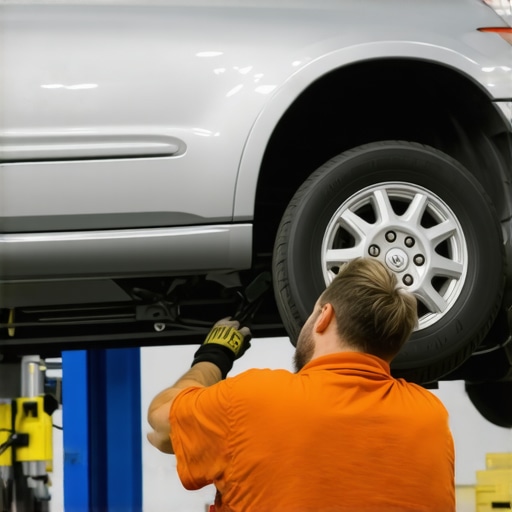 Many drivers assume that brake service is just about replacing pads when they start squealing, but there’s a lot more beneath the surface that even seasoned enthusiasts often overlook. For example, a common misconception is that brake pads are the main culprit behind braking issues, but in reality, the entire system—including rotors, calipers, and brake fluid—plays crucial roles in performance and safety. Focusing only on pads can lead to overlooked underlying problems, which might cause costly repairs down the line. Experts warn that neglecting proper diagnosis can escalate minor issues into system failures, especially since brake components are highly interconnected. Understanding brake system repairs thoroughly helps prevent dangerous surprises on the road. One hidden nuance is the importance of brake fluid maintenance; many drivers forget that old or contaminated brake fluid can drastically diminish braking efficiency, a fact supported by a study from automotive safety researchers. Instead of waiting for noticeable symptoms, proactive fluid changes ensure the entire braking system functions optimally. Have you ever fallen into this trap? Let me know in the comments.
Another misconception pertains to auto repairs in general. Many think that minor noises or vibrations are superficial issues that can be ignored until the next scheduled service. However, these symptoms often signal early stages of wear, such as warped rotors or failing calipers, which if left unaddressed, can significantly compromise safety. For instance, a slight pedal pulsation might seem harmless but could be an indicator of uneven rotor surfaces that need correction. Overlooking such signs is a common mistake I see among drivers who only seek repairs when a warning light appears, underlining the need for regular inspections. Regular tune-ups are essential, as they not only improve fuel efficiency but also catch issues before they escalate here. The key is understanding that preventative maintenance is a proactive approach, not just a way to keep your car running.Maintaining your vehicle’s performance over time requires more than just quick fixes; it demands the right tools, consistent routines, and a proactive mindset. Invest in quality diagnostic equipment like a comprehensive scan tool such as the Autel MaxiScan MS300, which I personally rely on to identify engine codes and monitor real-time data, enabling me to catch issues before they escalate. Additionally, having a reliable torque wrench (preferably digital for accuracy) ensures that lug nuts and critical components are tightened correctly, preventing uneven wear and component failure. Regularly inspecting and replacing consumables like wiper blades, fluids, and filters with high-quality parts—such as OEM-certified oil filters—can significantly extend the lifespan of your vehicle and keep it performing at peak levels.
Another aspect often overlooked is scheduling routine tune-ups, where I focus on replacing spark plugs, checking the ignition system, and inspecting belts and hoses. Consistent tune-ups, guided by a detailed car service checklist, can improve fuel efficiency and prevent unexpected breakdowns. You can learn more about why regular tune-ups matter for your vehicle’s longevity here.
Looking ahead, the auto repair industry is embracing advanced diagnostic software and telematics tools that enable remote monitoring of vehicle health. As technology evolves, staying updated with these innovations can help you keep your car in top shape effortlessly. I predict that integrating IoT-based maintenance devices will become standard, allowing real-time alerts for fluid levels, tire pressure, and even brake wear.
How do I maintain car performance over the long run? Establish a regular maintenance schedule and stick to it. Using a professional-grade diagnostic scanner every few months can help identify lurking issues, saving time and money. I recommend trying out a dedicated scan tool and setting reminders for fluid changes—these simple steps can prevent costly repairs down the road.
What I Wish I Knew Before My First Alignment
One of the most eye-opening lessons I’ve learned is that proper wheel alignment isn’t just routine maintenance—it’s a safeguard for your safety and wallet. I once skipped a professional alignment after a minor bump, only to notice uneven tire wear weeks later. That costly mistake taught me to treat alignment as a proactive measure, not an optional service.
The Surprising Role Suspension Plays in Tire Longevity
Many folks overlook how worn suspension components can accelerate inside tire wear. I didn’t realize a broken shock was causing my tire to slant inward until I felt the bumpy ride and saw the uneven tread pattern. Regular suspension inspections have since become part of my routine, saving me from premature tire replacements.
Driving Habits Can Be Your Worst Enemy
Sharp turns, aggressive acceleration, and high-speed cornering put extra stress on tires and suspension. I used to think stopping at red lights was my biggest brake concern, but I learned that my spirited driving style was wearing out my inside edges faster. Adopting smoother driving habits extended my tire life significantly.
Maintaining Your Vehicle Means Looking Beyond the Obvious
It’s tempting to think that tire wear is solely about tires themselves, but the underlying issues often lie elsewhere—like misaligned wheels or faulty suspension parts. Addressing these root causes not only saves money but also enhances safety, giving me peace of mind on every trip.
Curated Tools and Resources Make the Difference
Investing in a quality torque wrench and alignment tools has empowered me to perform basic checks and maintenance. For more in-depth guidance, I rely on trusted sources like these expert tips on tune-ups and comprehensive brake repair guides. These resources demystify complex repairs and help prolong your vehicle’s lifespan.
Embrace the Journey Toward Smarter Vehicle Care
Remember, the key to avoiding uneven tire wear and costly repairs is staying proactive. Regular inspections, mindful driving, and using the right tools can turn vehicle maintenance from a chore into a mastery. Your car is an extension of you—treat it with the care it deserves, and it will reward you with reliable performance for years to come.
What has been your biggest insight or tip for keeping your tires in top shape? Share your experience below—I’d love to hear your stories and lessons learned.