

There I was, standing in my driveway at sunrise, brake pedal pressed to the floor, cursing my stubborn car that refused to shift out of park. It’s that icy morning when everything seems to conspire against you—the frozen locks, the sluggish engine, and your car’s outright rebellion. If you’ve ever experienced that frustrating moment, you know exactly what I mean. That lightbulb moment hit me: why does my car suddenly become so uncooperative when the thermometer dips? And more importantly, how can I get it moving smoothly again without turning into a mechanic overnight?
The Cold Morning Mystery: Why Does It Happen?
Early mornings can turn into a fight with our vehicles—especially when the temperature drops below freezing. The main culprit? The hydraulic transmission fluid, which thickens when cold. Think of it like syrup coming straight out of the fridge—it takes more effort to pour and move around. When this fluid gets sluggish, your car’s components struggle to work as they should, making shifts jerky or impossible. I learned this the hard way, making the mistake of ignoring my owner’s manual advice about seasonal vehicle check-ups. That oversight meant I was unprepared for how much the cold could affect my transmission. For expert insights, check out auto repair trends in 2025.
Is Fixing Cold Morning Shifting Problems Overhyped?
Some skeptics might say, “It’s just part of winter,” or dismiss it as a minor inconvenience. I was guilty of that mindset early on—until I faced the freezing reality myself. The truth is, ignoring these symptoms can lead to more serious issues like transmission wear or fluid leaks. A mistake I made was neglecting to check my transmission fluid levels and quality during the colder months—something you can easily overlook amid routine maintenance. Learning from that, I ensure my vehicle gets the proper attention before winter hits, which makes all the difference. For comprehensive help, see how tune-ups boost safety and efficiency.
So, if your car is stubbornly refusing to shift first thing in the morning, don’t despair. There are simple, effective steps you can take to get back on the road smoothly. In the following sections, I’ll walk you through the practical, proven solutions—many of which I’ve tried myself—to fix this chilly car conundrum once and for all.
Check and Replace Transmission Fluid
Start by inspecting your transmission fluid level, especially before winter. Remove the transmission dipstick—think of it like checking a soup’s broth to see if it needs more flavor. If the fluid appears dark, thick, or smells burnt, it’s time to drain and replace it. During a cold snap, thickened fluid hampers smooth shifting, much like syrup slowing down pouring. I remember one chilly morning when I noticed my car hesitating to shift out of park. After checking the fluid and topping it up with fresh, low-temperature transmission fluid, the shifts became smoother—like butter. A well-maintained transmission fluid acts as a lubricant that keeps everything flowing, especially in cold weather.
Keep Transmission Components Free of Debris
Dirty or corroded transmission parts can make cold starts even worse. Use a soft brush and appropriate cleaning products to remove grime from connectors and the transmission pan. Think of it as cleaning the gears of a bicycle chain—smooth operation depends on removing dirt that can cause resistance. During my own project, I sprayed a degreaser on the transmission pan and carefully scrubbed away grime, revealing shiny metal beneath. This simple step ensures better contact and less resistance when the fluid thickens in freezing temperatures.
Use a Block Heater or Parking in a Garage
This might sound basic, but employing a block heater is like giving your engine a morning coffee—warming it up makes all parts more responsive. If your car doesn’t have one, parking inside a garage can help maintain a slightly warmer environment, preventing the transmission fluid from getting too viscous. I installed a block heater in my vehicle last winter, and the difference was night and day—no more struggles first thing in the morning. Applying this method minimizes the thickening of hydraulic fluid and allows for easier shifting.
Shift Gently and Precondition the Car
When starting your vehicle, avoid aggressive shifts. Instead, turn on the engine, let it idle for a minute, and then shift slowly from park to drive or reverse. Think of this like waking up muscle fibers gently rather than pushing them into action all at once. I learned this the hard way during a particularly cold week; forcing my car to shift instantly resulted in grinding gears. Allowing the vehicle to warm up a bit helps the transmission fluid circulate thoroughly, reducing strain and easing movement.
Schedule Regular Tune-Ups and Maintenance
The best way to stay ahead of cold weather surprises is regular car care. Consider a comprehensive tune-up—checking spark plugs, fluid levels, and transmission health—to ensure optimal performance. Regular maintenance acts like a health check-up for your car—preventing problems before they become serious. For example, I booked a tune-up before winter kicked in, which included transmission inspection. As a result, my car shifted smoothly even on the coldest mornings—an investment that pays off in peace of mind. Explore more about how tune-ups can enhance your vehicle’s performance at this guide.
Summing Up
Dealing with cold morning shifting issues doesn’t require a miracle—just a few targeted steps. Checking and maintaining your transmission fluid, keeping components clean, warming the engine, shifting gently, and scheduling routine tune-ups can significantly improve cold-weather performance. Remember, a little proactive care today saves you from costly repairs tomorrow. Keep your vehicle responsive and reliable; after all, the open road waits for no one, even in winter.
When it comes to car care, there’s a common trap many fall into: trusting surface-level fixes without understanding the deeper mechanics at play. For example, a frequent misconception is that a simple oil change is all your vehicle needs for optimal performance. In reality, comprehensive maintenance includes inspecting and replacing multiple fluids and components that wear out over time, especially in varying driving conditions. Overlooking these nuances can lead to premature parts failure and costly repairs down the line.
One often-missed detail is how individual components interact—like how the suspension, alignment, and tire condition collectively influence ride quality and safety. Many assume that realignment alone addresses uneven tire wear, but neglecting issues like worn control arms or improper shock absorbers can negate the benefits of alignment. This oversight might seem minor initially but can cause uneven tire wear and handling problems over time.
A common myth is that brake pads last forever with regular driving. The truth is, brake pads wear at different rates depending on your driving style and terrain. Aggressive braking or driving in hilly areas accelerates their deterioration. Failing to monitor and replace them timely increases stopping distance and risks brake failure—serious safety concerns. Expert sources emphasize the importance of periodic brake system inspections, as outlined in this comprehensive brake guide.
Furthermore, many car owners overlook the significance of seasonal tune-ups. Beyond just swapping fluids, tuning involves cleaning and inspecting sensors, filters, and connections that can develop issues in extreme weather. Neglecting these can result in reduced fuel efficiency and engine performance. According to automotive experts, routine tune-ups help identify hidden problems before they escalate, maximizing your vehicle’s lifespan. Explore strategies for effective tune-ups to learn more.
Have you ever fallen into this trap of underestimating the complexity of vehicle maintenance? Share your experience in the comments! Remember, the difference between a well-maintained car and one riddled with issues often lies in understanding these hidden nuances that most people ignore.
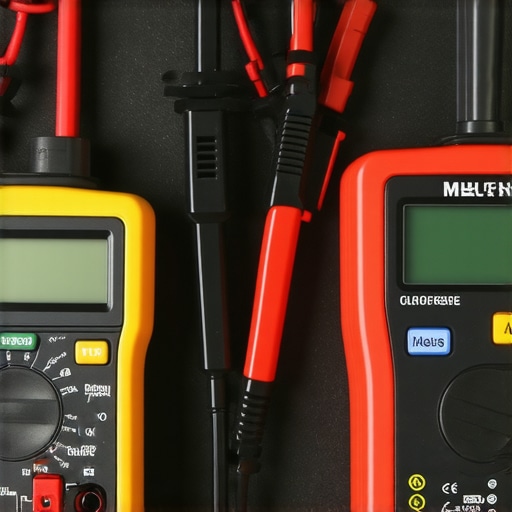
Keeping your vehicle in top shape over the long haul demands more than just routine oil changes and tire rotations. Equipping yourself with the right tools and adopting effective techniques can make maintenance tasks more manageable and ensure your car continues to perform reliably. One must-have is a high-quality digital multimeter, which I personally rely on to diagnose electrical issues like faulty sensors or voltage irregularities. Its precision helps me identify bad connections quickly, preventing minor issues from escalating into costly repairs. Additionally, a code reader is indispensable for reading and clearing diagnostic trouble codes, providing immediate insights into engine or transmission problems without a trip to the shop.
When it comes to preventive maintenance, investing in a lubrication gun with an extension is a game-changer. I use mine to grease suspension components and door hinges, reducing wear and preventing squeaks—an often overlooked aspect of car upkeep that pays dividends in longevity. For brake service, a brake caliper piston compressor tool streamlines the process of replacing brake pads, saving time and ensuring proper piston retraction. These tools not only empower DIY enthusiasts but also serve as safeguards against inadequate repairs that can compromise safety.
To keep up with evolving automotive technology, I stay informed about trends through resources like auto repair trends for 2025. This foresight guides me to adopt advanced diagnostic software and specialized tools, ensuring my vehicle remains dependable amid upcoming innovations.
Moreover, regular practice using these tools enhances familiarity and efficiency. For example, routinely checking battery connections with a multimeter can prevent unexpected stalls, especially in colder months. I encourage fellow car owners to include a compressed air duster in their toolkit as well—it’s perfect for cleaning out sensors, vents, and delicate electronics without risking damage.
How do I keep my car system functioning smoothly over time?
Consistent maintenance, such as timely fluid replacements and thorough inspections, supported by the right equipment, sustains performance and extends vehicle lifespan. Adopting a disciplined approach with these tools and techniques means problems are caught early, often before they even manifest as visible issues. For instance, using an infrared thermometer to monitor brake rotor temperatures during routine checks can alert you to uneven wear or impending failure, allowing preventive action rather than reactive repair.
Planning ahead by maintaining a comprehensive service schedule, informed by expert advice, ensures your vehicle can handle long-distance drives, heavy loads, and adverse weather with confidence. Remember, investing in quality tools and honing your maintenance skills is an ongoing process—one that ultimately ensures your ride remains dependable for years to come. Why not start today by testing your battery’s health with a multimeter or inspecting your brake fluid’s condition? Small steps now save big headaches later.
For more detailed guidance, check out how routine tune-ups enhance safety and efficiency or tips to prevent uneven tire wear. Equip yourself with knowledge and the right tools, and your vehicle will reward you with dependable performance mile after mile.
The Hardest Lesson I Learned About Preparing for Winter
One cold morning, I discovered the importance of preemptive maintenance firsthand. Failing to check my transmission fluid levels before the temperature dropped resulted in stubborn, jerky shifts—an inconvenience I could have avoided with early attention. That experience taught me that proactive care, especially in colder months, saves time, money, and frustration.
Why Relying on Quick Fixes Can Backfire
At first, I thought topping off the transmission fluid was enough—but I realized that seasonal changes demand a thorough inspection. Temporary solutions may mask symptoms but don’t resolve underlying issues. Recognizing this has encouraged me to adopt a mindset of comprehensive maintenance, understanding that lasting performance requires addressing root causes rather than just symptoms. For expert guidance on maintaining your vehicle’s longevity, explore how tune-ups improve safety and efficiency.
My Unexpected Discovery about Transmission Care
During a routine winter check, I learned that clean transmission components and proper fluid viscosity are vital. Cleaning debris and ensuring the transmission is free of grime made a noticeable difference in cold-weather shifting smoothness. It’s a small step that yields big results, reaffirming that attention to detail matters more than I initially thought. Tools like a soft brush and quality degreaser became my go-to arsenal in preparing my car for winter’s challenges.