
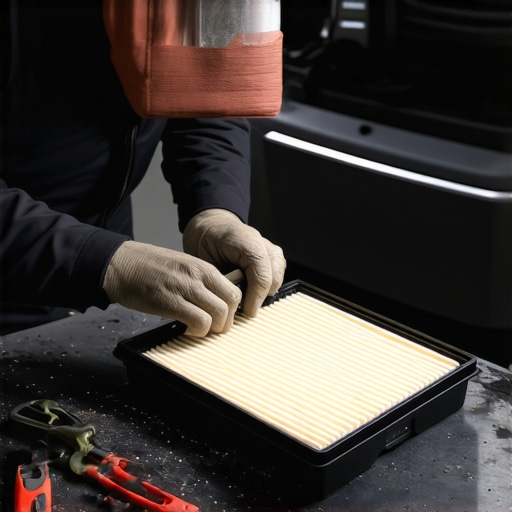
It was a sweltering summer day when my car sputtered and finally ground to a halt in the middle of a busy intersection. I was frustrated, embarrassed, and honestly a little worried about how much I’d underestimated the importance of routine maintenance. That moment was my lightbulb moment—realizing that I’d been fooled into thinking a quick tune-up would magically solve all my engine issues, including the dreaded dirty air filter myth.
Why So Many Car Owners Fall for the Tune-Up Trap
Many of us believe that a simple tune-up can resolve almost any engine problem. I used to think the same—getting some fresh spark plugs, changing the oil, maybe a new air filter, and we’re good to go. But here’s the thing: not everything a tune-up addresses has an immediate impact. The myth that replacing or cleaning an air filter alone will significantly boost your car’s performance is just that—a myth. While a clogged air filter can reduce efficiency, it’s rarely the magic fix for engine troubles, especially if other components are neglected.
Early in my own experience, I made the mistake of ignoring more critical aspects like spark plug health or fuel system issues, assuming that a new air filter would resurrect my engine’s vitality. That misstep almost cost me more than a simple repair bill—it taught me the importance of understanding exactly what routine tune-ups can and cannot do.
Is a Tune-Up Still Worth It or Just Expensive Noise?
Honestly, I’ve seen many car owners get robbed of their time and money by believing that a tune-up fixes everything. It’s crucial to know what aspects are truly enhanced by regular maintenance. For example, a tune-up can improve fuel efficiency or extend the lifespan of your vehicle, but it won’t magically fix problems caused by neglecting issues like worn belts or malfunctioning sensors.
Want to gain a clearer picture? Check out [how regular tune-ups improve fuel efficiency and safety](https://glassfixauto.com/how-regular-tune-ups-improve-fuel-efficiency-and-safety). You’ll see that proper maintenance is more about prevention and optimization rather than fixing major problems with a quick fix.
Now that we’ve cleared up some misconceptions, let’s dive into what a proper tune-up covers and what it truly accomplishes. Knowing the difference can save you money and frustration in the long run. Have you ever been convinced a simple tune-up was your engine’s salvation? Stick around—I’ll show you how to approach your vehicle’s maintenance with a smarter, more informed outlook.
Start with a Comprehensive Inspection
Before diving into specific maintenance tasks, perform a thorough visual inspection of your vehicle. Check for leaks, worn belts, frayed wires, and damaged hoses. Use a flashlight to look under the hood and beneath the car. This initial step is like a health check-up—spotting issues early can save money and prevent breakdowns. Remember, neglecting small signs can lead to bigger problems down the road.
Gather Your Tools and Supplies
Compile essential tools such as a socket set, screwdrivers, a jack, wrenches, and a presence of mind. Also, buy quality replacement parts—think of it as using the right ingredients for a recipe. High-grade spark plugs, filters, and oil are worth investing in. Having everything ready ensures a smooth workflow and minimizes interruptions during the process.
Change the Oil and Filter
This is the backbone of a basic tune-up. Drain the old oil by removing the drain plug, then replace the oil filter—it’s like cleaning your lungs, ensuring clean airflow. Use a funnel to add new oil, matching the correct type and quantity specified in your owner’s manual. This step enhances engine performance and longevity. I once spilled oil all over the engine bay because I skipped preparing my workspace—lesson learned: always have absorbent materials and a clean area ready.
Replace Spark Plugs for Better Ignition
Removing worn spark plugs restores smooth engine firing. Use a spark plug socket and torque wrench to avoid over-tightening. Properly gapping new plugs ensures optimal combustion. I once installed new plugs without checking the gap; the engine misfired until I adjusted them, highlighting how small details matter.
Clean or Replace the Air Filter
The air filter is like a screenshot of your lungs—clean air makes the engine breathe better. Remove the filter housing, take out the old filter, and inspect it. If it’s dirty or clogged, replace it with a new one. This simple step can improve acceleration and fuel efficiency, saving money over time. Remember, a dusty filter may seem minor but impacts overall engine health.
Inspect and Top Off Fluids
Check coolant, brake fluid, power steering fluid, and windshield washer fluid. Use your owner’s manual to locate the correct levels. Topping off or replacing these fluids maintains cooling, braking, and steering performance. I once neglected brake fluid checks, which led to a spongy pedal—preventable with routine maintenance.
Examine and Replace Belts and Hoses
Worn belts can snap unexpectedly—imagine losing your alternator or power steering in traffic. Inspect belts for cracks, fraying, or looseness. Hoses should be firm and free of leaks or bulges. Replace any damaged components promptly. Visual inspection is key—detailed as checking your own pulse for any irregularities, it’s a critical safety step.
Check the Battery and Terminals
Ensure the battery terminals are free of corrosion. Clean with a mixture of baking soda and water if needed. Tighten connections and make sure the battery is securely mounted. A reliable battery is essential for starting your vehicle every day; I once ignored corrosion, resulting in a dead battery on a cold morning.
Test Drive and Fine-Tune
After completing maintenance, take the car for a test drive. Listen for unusual sounds, feel for vibrations, and observe if the vehicle accelerates smoothly. If you notice issues, revisit your inspection points or consult a professional. This step confirms your efforts paid off. Sometimes, a simple adjustment after a test drive can eradicate persistent problems.
Following these concrete steps ensures your vehicle operates at peak performance without unnecessary expenses. Regular, hands-on maintenance helps you understand your car better and extend its lifespan—think of it as giving your trusted companion regular health check-ups.
While it might seem straightforward to schedule routine maintenance, many car owners fall prey to misconceptions about auto repair, especially regarding brake service, tune-ups, and general car care. A common myth is that more frequent repairs always mean better vehicle health, but in reality, understanding the nuances can save you money and prevent critical mistakes. For example, some assume that replacing brake pads alone will restore full braking efficiency; however, neglecting the brake fluid system can lead to premature pad wear and brake fade. Proper brake service involves inspecting and replacing brake fluid, rotors, and calipers as needed—skipping these can compromise safety.
Why Do We Overlook the Fine Print in Car Maintenance? How Many Drivers Miss Critical Details?
Many underestimate the importance of precision in scheduling tune-ups. They believe that ‘if it runs okay, it’s fine,’ but vehicle systems are intricate. For instance, ignoring the significance of a clean air intake or the necessity of precise spark plug gapping can reduce engine performance over time. Moreover, some assume that all oils are created equal, ignoring the fact that synthetic oils can offer superior protection for high-performance engines, especially under demanding conditions. According to automotive expert John Cadogan, overlooking this subtlety can accelerate engine wear, leading to costly repairs down the line—make sure you differentiate optimized maintenance from generic routines. Even more, some think that minor symptoms, like slight vibrations or unusual noises, are negligible; in reality, these often indicate underlying issues that, if addressed early, can prevent major failures. Are you aware of the advanced diagnostics available that can identify hidden problems before they escalate? Properly diagnosing such nuances can materially extend vehicle lifespan and safety. Don’t fall into the trap of oversimplification—deep knowledge empowers smarter decisions. Have you ever fallen into this trap? Let me know in the comments.Maintaining your vehicle over the years requires more than just routine checks; it demands a strategic approach to tooling, software, and consistent practices that ensure longevity and optimal performance. One of the best investments I’ve made is in a high-quality digital scan tool like the Autel Maxidiag Elite. This device allows me to read and clear OBD-II codes quickly, monitor real-time sensor data, and perform specific module resets. Its precision helps me diagnose issues early, avoiding costly repairs later. I personally favor this model because of its expansive compatibility with various vehicle makes and its ease of use, which is crucial for DIY enthusiasts aiming for professional-grade diagnostics.
Complementing hardware tools, I utilize automotive software such as Factory Service Manuals from brands like Alldata or Mitchell 1, which provide detailed repair procedures and maintenance schedules tailored to my car’s model. Access to these resources over the cloud means I can stay updated with the latest technical bulletins and recall information, ensuring my maintenance approach evolves with manufacturer recommendations.
Regularly, I also keep a detailed maintenance log either digitally or in a dedicated notebook. Tracking oil changes, fluid top-ups, and part replacements helps me spot patterns indicating component wear or impending failure. This proactive approach often unveils issues before they become serious, saving money and time.
Looking ahead, the trend in auto maintenance is moving towards integrated diagnostic platforms powered by artificial intelligence. These systems will analyze vehicle data over time and predict failures before symptoms even appear, similar to predictive health in medicine. Staying ahead of this curve means investing in compatible tools and learning to interpret complex data sets. Check out upcoming trends in [auto repair innovations through 2025](https://glassfixauto.com/auto-repair-trends-to-watch-in-2025-staying-ahead-of-the-curve) to understand what cutting-edge solutions might soon become essential.
**Ever wondered how to maintain your car’s health over decades?** One effective method is to use advanced diagnostic techniques like regularly scanning your vehicle with a dependable OBD-II scanner and cross-referencing data with professional repair databases. For example, diagnosing issues with your braking system early with precise codes from your scanner can prevent expensive repairs and safety hazards. Take this tip: schedule monthly diagnostics sessions, especially after long drives or rough conditions, to catch problems early and keep your ride smooth.
By integrating these specific tools and practices into your routine, you set a foundation for long-term vehicle health. Implementing a system of regular diagnostics, backed by the right technology, transforms auto maintenance from reactive fixes to proactive management. Ready to upgrade your maintenance approach? Start with investing in a quality scanner like the Autel Maxidiag Elite and make diagnostics a monthly habit. Your future self will thank you for it.
The Hardest Lessons I Learned About auto repair, brake service, tune-up, and car care
One pivotal moment changed my entire approach to vehicle maintenance—realizing that rushing through routine checks often leads to overlooked issues and costly repairs. I learned that not every problem can be fixed with a quick tune-up, especially when I ignored warning signs like uneven tire wear or sluggish performance. The biggest lesson? Patience and attention to detail outweigh shortcuts and assumptions.
My Toolkit for Staying Ahead in Vehicle Health
Over time, I discovered that investing in a quality diagnostic scanner, like the Autel Maxidiag Elite, transformed my ability to catch problems early. Pairing this with comprehensive service manuals from trusted sources such as Mitchell 1 shifted my maintenance from reactive to proactive. Keeping a detailed log of repairs and inspections has been invaluable in predicting when parts need attention, saving me both money and stress.
Take Charge of Your Car’s Future Today
Remember, maintaining your vehicle isn’t just about routine chores—it’s about mastering the art of anticipation and prevention. By adopting a strategic, informed approach, you ensure your car’s longevity and safety. Start small: schedule an initial comprehensive inspection or invest in a reliable scanner. Your car, and your wallet, will thank you. Are you ready to take control of your auto care journey? Let’s make smarter, safer choices for the road ahead.