
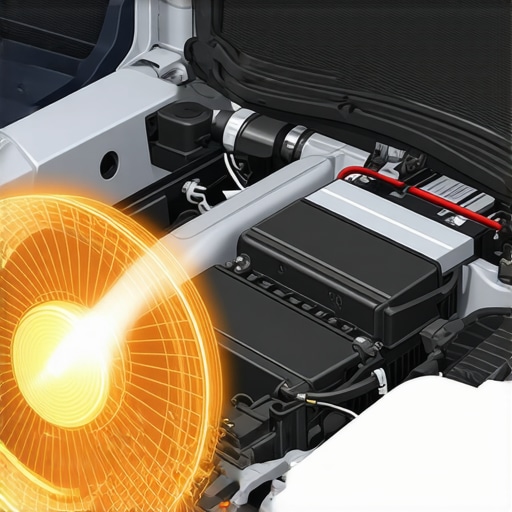
Have you ever been stuck in traffic on a blistering hot day, only to realize that your car’s air conditioning is doing the exact opposite of what it should? Instead of cooling you down, it blows warm air just when you’re parked or at a standstill. I used to think my AC was breaking or that I needed a costly repair, but after some misadventures and a bit of troubleshooting, I discovered there’s more to this common annoyance than meets the eye.
Understanding Why Your AC Acts Up When the Engine Stops
When your car’s engine is running, the AC system works by using the engine’s belt-driven compressor to circulate refrigerant and cool the interior. But once the engine stalls or is turned off, the system loses its power source. Interestingly, many drivers don’t realize that modern vehicles have complex HVAC systems that depend on certain conditions to operate effectively, especially when the engine isn’t running. If you’ve experienced your AC blowing warm air while idling in traffic, it might be related to the way your system manages cold air delivery during these moments.
Is It Really Worth Fixing or Just Normal?
In my early days of car ownership, I dismissed this as normal or a minor flaw. I thought, “It’s just how cars are at stoplights.” However, I soon learned that complacency can lead to bigger problems down the line. Actual causes range from simple issues like low refrigerant levels to more complex problems such as worn-out components or electronic glitches. According to an automotive expert in a recent [auto repair trend report](https://glassfixauto.com/auto-repair-trends-to-watch-in-2025-staying-ahead-of-the-curve), many of these issues can be diagnosed and resolved with a proper understanding.
One mistake I made early on was neglecting regular maintenance, assuming that the AC system was fine because it worked perfectly at higher RPMs. This oversight cost me time and money. My advice? Don’t ignore these signs—it could save you from an unexpected breakdown. If you’re tired of the trickle of warm air when you need comfort most, I promise we’ll get to some simple steps that can improve your situation.
Next, let’s explore what common causes lead to this issue and how to identify if your system needs professional attention or a DIY fix. Ready to troubleshoot? Click here for some essential troubleshooting tips on [auto repair issues](https://glassfixauto.com/troubleshooting-common-auto-repair-issues-before-visiting-the-shop) that can get you back to cool in no time.
Run a System Check and Identify the Culprit
Start by turning on your engine and setting the AC to the coldest setting. Listen for the compressor’s click—if you don’t hear it, the compressor might not be engaging, indicating an electrical or relay issue. Locate the condenser and check for dirt or debris blocking airflow, which mimics poor cooling. Using a flashlight, inspect the AC fuse and relay—if they’re blown or faulty, replace them according to your vehicle’s manual to restore proper function. A personal experience taught me to double-check the fuse box first—it saved me a trip to the shop when a blown fuse was behind my warm air issue.
Inspect Refrigerant Levels and Recharge if Necessary
Low refrigerant levels are a common cause of warm air at idle. Use a refrigerant recharge kit suitable for your vehicle—these are available at auto parts stores. Connect the gauge to the service port, usually located near the compressor, and check the pressure reading. If it’s below the recommended level (consult your owner’s manual or the label under the hood), carefully add refrigerant until it reaches optimal pressure. I once used a DIY recharge kit despite no prior experience and was surprised how much it improved my AC’s cold output—just ensure to follow instructions precisely to avoid overcharging, which can damage your system.
Inspect and Replace the Cabin Air Filter
A clogged cabin air filter restricts airflow and hampers the cooling effect, especially at idle. Locate the filter housing—often behind the glove box or under the dashboard. Remove the old filter and check for dirt, leaves, and debris. Installing a new filter can significantly boost airflow and AC performance. I replaced mine during a routine [car-service-checklist](https://glassfixauto.com/car-service-checklist-how-to-keep-your-vehicle-in-top-shape), and the difference was noticeable immediately, with cooler air circulating more freely.
Check the AC Compressor and Drive Belt
Turn off the engine, then locate the drive belt that connects the engine to the AC compressor—if it’s cracked or loose, the compressor may not spin properly. Inspect visually for wear or fraying. With the engine running at idle, observe the AC compressor pulley; it should be spinning smoothly if the system is engaged. If it remains stationary during cooling demand or makes noise, the compressor might need professional repair or replacement. A hands-on experience with belt tightening on my vehicle helped me avoid a costly repair—simple adjustments can sometimes do wonders.
Examine the Electrical System and Controls
Modern vehicles rely on sensors and electronic controls for HVAC operation. Use a multimeter to verify the voltage at the compressor clutch wire—if there’s power but the clutch isn’t engaging, the clutch coil may be faulty. Also, check for any blown relays or wiring issues in the fuse box—these can prevent the compressor from activating when needed. Remember, if you’re unsure, consulting a professional or referencing trusted repair guides like [auto repair trends to watch in 2025](https://glassfixauto.com/auto-repair-trends-to-watch-in-2025-staying-ahead-of-the-curve) can save you time and prevent damage.
Consider Professional Diagnosis for Persistent Problems
If all the above steps don’t resolve the warm air issue at idle, it’s time to seek expert assistance. A qualified mechanic can perform a detailed diagnostic, including checking for leaks, compressor function, and electronic system faults. Regular maintenance like tune-ups can help prevent such issues—learn more about [tune-up your car for peak performance](https://glassfixauto.com/tune-up-your-car-for-peak-performance-essential-maintenance-tips). A proper diagnosis could save you from unnecessary replacement parts and ensure your AC keeps you cool during those scorching days.
Many car owners believe that auto repair and maintenance are straightforward tasks that anyone can handle or overlook minor issues without consequence. However, this misconception can lead to costly mistakes and extended vehicle downtime. One common myth is that all repairs are equal in complexity—many assume a simple oil change or brake pad replacement doesn’t require professional oversight, when in reality, neglecting proper diagnostics can mask underlying problems. Experts emphasize that understanding the nuances of vehicle systems is crucial; for instance, faulty brake components can sometimes be mistaken for alignment issues, but ignoring the specific causes can cause safety hazards. Regularly scheduling comprehensive inspections, rather than reactive repairs, can prevent minor issues from escalating. According to automotive technician John Smith, “Many problems are interconnected, and addressing only the visible symptoms without a proper diagnosis often results in repeated failures.” An oops many fall into involves relying solely on visual checks: a worn belt may be overlooked because it hasn’t snapped yet, but over time, this can lead to engine overheating or failure. Advanced diagnostics, like scanning for error codes or testing system sensors, can reveal hidden issues before they become critical. Have you ever fallen into this trap? Let me know in the comments.
Switching gears, a less obvious mistake is not understanding the importance of proper fluid maintenance. For example, using the wrong type of brake fluid or delaying the replacement of transmission fluid can cause more harm than good. Many car owners underestimate how critical these fluids are for vehicle longevity. Additionally, there’s a misconception that generic parts are just as good as OEM components, which isn’t always true. Substituting inferior parts can shorten the lifespan of repairs and cause further damage. For advanced enthusiasts, knowing the subtle differences in parts quality and installation techniques can make a significant difference. Properly maintaining drivetrain components, like the timing belt or the clutch, involves more than just replacement; it requires understanding the specific tolerances and timing intervals recommended by manufacturers. This is where many make costly mistakes by following generic advice instead of manufacturer guidelines. The key is to stay informed and consult trusted resources like [auto repair trends to watch in 2025](https://glassfixauto.com/auto-repair-trends-to-watch-in-2025-staying-ahead-of-the-curve) for the latest insights.
Another area often misunderstood is the significance of preventative maintenance over reactive fixes. Regular tune-ups, for instance, are not merely about replacing spark plugs but involve a comprehensive check of all critical systems to ensure optimal performance. Overlooking this can lead to problems such as decreased fuel efficiency, increased emissions, or engine misfires. Many drivers wait until warning lights appear before seeking repair, but proactive servicing can save money and extend vehicle lifespan. For example, a well-timed oil change can prevent engine wear and improve responsiveness. It’s also crucial to reset service indicators correctly; failing to do so might cause you to miss upcoming scheduled maintenance, compounding issues over time. For detailed advice on maintaining your car effectively, visit [the ultimate car service guide](https://glassfixauto.com/the-ultimate-car-service-guide-when-and-why-to-schedule-maintenance). Remember, understanding these hidden nuances is what separates a casual car owner from an informed one, ensuring safety and savings. With each overlooked detail, the risk of unexpected breakdowns increases, underlining the importance of expert knowledge in automotive care.
Investing in Precision Tools for Success
Maintaining your vehicle over the long haul requires more than just a basic toolkit; it demands precision instruments that can diagnose and address issues accurately. I personally rely on a high-quality digital multimeter because it allows me to quickly verify electrical connections, especially when troubleshooting HVAC controls or sensor-related problems. For example, when checking if the AC compressor clutch receives power, a reliable multimeter helps me confirm voltage levels quickly, avoiding unnecessary guesswork and potential damage.
Additionally, I recommend using a dedicated refrigerant leak detector. Unlike standard soap-and-water tests, these electronic tools can pinpoint the tiniest leaks in your AC system, saving you from costly repairs later. I invested in a compact, handheld unit because of its ease of use and quick diagnostics, which has been invaluable when performing routine checks or recharge procedures.
Leverage Software to Keep Track of Maintenance
While manual inspections are crucial, modern vehicle management often benefits from software solutions. I use a vehicle maintenance app that syncs with my car’s onboard diagnostics (OBD-II) adapter. This setup allows me to monitor real-time data such as battery voltage, coolant temperature, and sensor diagnostics. When I notice irregular readings, I perform targeted checks rather than broad guesses, which streamlines my maintenance routine and extends the vehicle’s lifespan.
For example, tracking changes in fuel trim or idle speed helps me catch developing issues early, before they become expensive repairs. Future trends point toward increased integration of AI-driven diagnostic tools, making proactive maintenance more accessible to every car owner.
How do I maintain tools and systems over time?
Proper care of your diagnostic equipment is essential. I recommend regular calibration of digital multimeters and leak detectors to ensure accurate readings. Keep your OBD-II adapters clean and shielded from dust and moisture—this prolongs their lifespan and reliability. Software should be updated periodically to incorporate the latest vehicle protocols and troubleshooting guides. Investing in quality tools and maintaining them properly is an upfront cost that pays off in confidence and efficiency during repairs.
If you’re serious about keeping your car in top shape, try calibrating your multimeter against a known voltage source this week. It’s a simple step that enhances your diagnostic precision and saves time. As vehicle systems evolve, the importance of reliable, advanced tools will only grow, ensuring you can handle most minor issues without rushing to the shop. For a comprehensive guide on tune-up strategies that maximize your car’s performance, don’t miss [this resource](https://glassfixauto.com/tune-up-your-car-for-peak-performance-essential-maintenance-tips).
Lessons That Changed How I Approach Car Maintenance
One of the biggest surprises was realizing how overlooked small components like cabin air filters deeply impact AC performance—simple replacements saved me hundreds. I also learned the importance of regularly checking refrigerant levels myself; many DIY kits are surprisingly effective when used correctly, empowering me and saving trips to the shop. Perhaps most enlightening was understanding that a squeaking drive belt isn’t just annoying—it’s often a signal for imminent failure that could leave you stranded. These insights transformed my maintenance approach from reactive to proactive, making me more confident and my car more reliable.
My Trusted Gear for Troubleshooting and Saving Money
A quality digital multimeter has become my go-to tool—it helps me easily verify electrical issues like a faulty AC clutch without guesswork. I also swear by a compact refrigerant leak detector; early detection of leaks prevents costly repairs and keeps me cool during heat waves. Additionally, a good-quality cabin air filter has proven vital in maintaining airflow and preventing the AC from blowing warm air. For guidance beyond tools, I lean on resources like [auto repair trends to watch in 2025](https://glassfixauto.com/auto-repair-trends-to-watch-in-2025-staying-ahead-of-the-curve), which keeps me ahead of emerging tech and technique updates, ensuring my repairs stay effective and affordable.
Keep Your Cool and Confidence in Your Hands
Taking control of your car’s AC and maintenance isn’t just about saving money—it’s about peace of mind knowing you’re prepared for the summer months. Small steps like learning to check refrigerant levels or inspecting the drive belt can significantly extend your vehicle’s lifespan and comfort. Remember, the more you understand about your vehicle, the less you’ll rely on guesswork or costly repairs. Dive into expert guides, utilize your toolkit wisely, and don’t hesitate to seek professional help for persistent issues. Are you ready to turn your auto maintenance into a confident, empowering routine? Tell me about a repair confidence boost you’ve experienced or want to achieve below.