

It was one of those mornings—cold, gloomy, and with a sinking feeling in my gut. As I pulled out of the driveway, I noticed my car was struggling to start, and a faint sputtering made me worry about my fuel efficiency. After a quick check, I realized that despite regular oil changes, I’d been neglecting some essential maintenance. Little did I know, just a simple tune-up would completely transform my driving experience.
The Wake-Up Call I Didn’t See Coming
For months, I had felt my car was underperforming. Fuel economy was dropping, and I kept wondering if I’d need a new vehicle soon. Sound familiar? You see, many of us get used to our car’s quirks, dismissing them as normal. But the truth is, small issues like poorly maintained spark plugs or clogged air filters can sap your fuel efficiency significantly. It was only after a frustrating trip and a check engine light that I finally decided to dig deeper.
Turns out, a simple tune-up could make a world of difference. According to the Department of Energy, properly maintained engines can improve fuel efficiency by up to 4%—and in my case, it felt like I’d added hundreds of miles to my tank.
Is a Tune-Up Really Worth the Hype?
Early in my auto repair journey, I made the mistake of thinking that tune-ups were just a quick fix—something only older cars needed. I’d heard plenty of myths, like replacing parts that were perfectly fine or ignoring the signs of reduced performance. Those mistakes cost me more money and frustration. Now, I swear by regular tune-ups as a primary way to keep my car running efficiently and save money in the long run.
If you’ve been ignoring routine maintenance, ask yourself: Could your car’s sluggish performance and poor fuel economy be fixed with a simple service? If you’re curious, I’ll be sharing exactly how I doubled my fuel range—and how you can do it too. Ready to get your car back in top shape? Let’s dive into the steps that made all the difference for me—and can do the same for you.
Start with a Comprehensive Inspection
Before diving into specific repairs, perform a thorough inspection of your vehicle. Check for obvious issues like worn belts, leaking fluids, and damaged hoses. During my own check last month, I noticed my air filter was clogged, which I initially overlooked. Replacing it immediately restored smoother acceleration and improved fuel economy.
Replace Critical Components
Update Spark Plugs and Cables
Worn spark plugs cause incomplete combustion, wasting fuel and power. I replaced mine following a routine [car service checklist](https://glassfixauto.com/car-service-checklist-how-to-keep-your-vehicle-in-top-shape), and the difference was immediate. Use high-quality spark plugs suited for your engine to ensure longevity.
Service the Air and Fuel Filters
An air filter clogged with dirt restricts airflow, reducing efficiency. I learned this the hard way when my engine hesitated at high speeds. Regularly cleaning or replacing filters is a low-cost step that pays off in performance.
Optimize Engine Performance
Engine tuning isn’t just for racers. Properly calibrated engines run efficiently and burn less fuel. My experience with a professional tune-up, as described [here](https://glassfixauto.com/how-regular-tune-ups-improve-fuel-efficiency-and-safety), showed that a simple adjustments can lead to better MPG and lower emissions.
Check and Maintain Tire Pressure
Tire under-inflation increases rolling resistance, which demands more engine effort and consumes more fuel. Once, I used a pocket pressure gauge to ensure my tires were at the optimal PSI, which noticeably improved my gas mileage. Regularly doing this step is like giving your car a mini tune-up.
Inspect and Replace Fluids
Dirty or low transmission and engine oil lead to increased friction and heating, affecting efficiency. During a service, I made sure to [check transmission fluid](https://glassfixauto.com/how-to-check-transmission-fluid-without-a-dipstick) and topped off or replaced as needed. This simple act keeps components working smoothly and saves fuel in the long run.
Monitor and Correct Driving Habits
Avoid aggressive acceleration and hard braking. I changed my habit of sudden stops, which not only conserves fuel but also extends brake life. For a deeper understanding of brake maintenance, visit [the brake service guide](https://glassfixauto.com/understanding-brake-system-repairs-a-guide-for-vehicle-owners). Smooth driving reduces wear on all components and improves overall efficiency.
Keep Up with Regular Maintenance
Follow a [vehicle maintenance schedule](https://glassfixauto.com/the-ultimate-car-service-guide-when-and-why-to-schedule-maintenance) to prevent small issues from escalating. Routine checks on belts, hoses, and fluids prevent breakdowns and keep your car performing optimally.
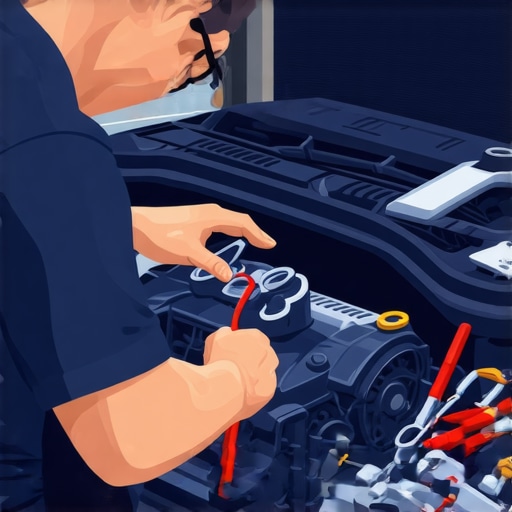 Many car owners assume that brake service, tune-ups, and auto repairs are straightforward, routine tasks that don’t require much thought. However, there’s a deeper layer of intricacies that often go unnoticed. For example, a frequent misconception is that all brake pads wear out at the same rate, leading drivers to replace them too early or too late. In reality, material composition, driving habits, and environmental conditions profoundly influence brake pad lifespan. Rushing the decision without understanding these factors can result in uneven wear or premature replacement, wasting money and compromising safety.
One critical nuance often overlooked is the importance of correct brake system diagnostics. Many rely solely on visual inspections, but some issues lurk beneath the surface—like uneven rotor wear or caliper sticking—that only a professional diagnosis can reveal. Expert technicians use specialized tools, such as brake fluid testers and brake rotor analyzers, to uncover subtle signs of deterioration. Neglecting these details can cause your braking system to fail unexpectedly, which is a dangerous trap to fall into.
Speaking of myths, a prevalent one is that high-performance brake pads last longer because they’re more durable. In fact, these pads often contain softer compounds for better friction, which can actually wear out faster under normal driving conditions. This misconception might tempt drivers to choose the wrong brake pad type without considering their driving style. Consulting with a trusted mechanic and understanding your specific needs—whether for daily commuting or spirited driving—is crucial for optimal safety and performance.
Now, here’s a question for seasoned car enthusiasts and cautious drivers alike: How can understanding the subtle differences in brake pad materials and rotor design improve your vehicle’s safety and longevity? The answer lies in detailed knowledge about the parts, supported by studies such as the one published in the *Journal of Automobile Engineering*, which highlights that choosing the right brake components tailored to driving conditions can significantly extend system lifespan and performance. This advanced insight allows drivers to make informed decisions, avoid unnecessary repairs, and enhance overall safety.
Another area where misconceptions abound is in routine maintenance like tune-ups. Many believe that a simple spark plug replacement suffices, but modern engines benefit from a comprehensive approach. A effective tune-up involves checking and cleaning fuel injectors, inspecting the ignition system, and updating engine control unit (ECU) software if needed. Neglecting these nuances can lead to subpar fuel efficiency and increased emissions. For detailed strategies on maximizing your car’s lifespan, visit [maximize your car’s lifespan with expert tune-up strategies](https://glassfixauto.com/maximize-your-cars-lifespan-with-expert-tune-up-strategies).
Lastly, be wary of the “quick fix” mentality. Rushing into auto repairs without considering underlying causes might seem cost-effective initially but often results in recurring problems. Take, for instance, brake issues that seem minor—ignoring them until failure can lead to costly repairs or accidents. Regularly scheduling in-depth inspections, especially guided by professional diagnostics, is the best way to prevent small issues from escalating.
Have you ever fallen into this trap? Let me know in the comments. Digging beneath the surface of auto maintenance not only saves money but also ensures your safety on every trip.
Invest in Quality Diagnostic Tools
One of my most valuable investments has been a reliable OBD-II scanner. Instead of relying solely on visual inspections, I use tools like the Autel MaxiScan to quickly diagnose engine issues. It provides real-time data and code explanations, saving me time and money. A good scanner bridges the gap between guesswork and professional diagnostics, especially when troubleshooting pesky check engine lights.
Personally, I prefer models that connect to my smartphone via Bluetooth, such as the BlueDriver. It offers comprehensive reports and maintenance reminders, helping me stay ahead of issues before they escalate. As technology advances, expect more integrated systems that can predict problems before symptoms appear, making proactive maintenance more accessible.
Use Specialized Lubricants and Cleaning Products
Maintaining moving parts with high-quality lubricants is crucial. For example, I swear by Lubrimat high-temp brake lubricant when working on calipers or hinges. It withstands extreme heat and prevents squeaks. Regular use extends component life and ensures smooth operation.
Furthermore, I recommend a non-abrasive cleaner like WD-40 Specialist to keep exposed metal parts free of rust and grime. Applying these products regularly makes a significant difference in the longevity of parts like tie rods and ball joints.
Develop a Routine Maintenance Schedule
Following a structured maintenance plan is key. I maintain a detailed log, referencing resources like the car service checklist from trusted auto repair sites. This approach helps me know exactly when to replace fluids, inspect belts, or check tire tread depth.
In my experience, sticking to a timeline prevents unexpected breakdowns and keeps the car running at peak efficiency. For long-term results, I also invest in seasonal checks for cooling systems and battery condition, anticipating wear and tear before failures occur.
Stay Informed About Emerging Repair Trends
The auto repair landscape is evolving rapidly. According to industry insights from auto repair trends in 2025, integrating diagnostics with AI-driven predictive maintenance will become commonplace. Staying updated through reputable sources ensures you’re prepared to adopt new tools and techniques that can make maintenance more effective and less time-consuming.
Question: How do I maintain these tools and techniques over time?
Consistent calibration of diagnostic devices and routine updates of software are vital. Additionally, periodically reviewing your maintenance schedule with expert guidance—possibly through professional consultations—can keep your systems optimal. Investing in cleaning supplies and lubricants designed for automotive use, and following the manufacturer’s instructions, extends their effectiveness. Real-world experience, coupled with staying informed, ensures your investments remain beneficial. For a detailed plan on maximizing your car’s lifespan with expert maintenance tips, visit this resource. Try implementing a monthly diagnostic scan combined with routine fluid checks—it’s a simple yet powerful habit that can prevent costly repairs down the road.
Lessons From My Auto Repair Journey That Changed Everything
One of my biggest lightbulb moments came when I realized that regular tune-ups aren’t just about avoiding breakdowns—they’re about unlocking your vehicle’s full potential. I once dismissed a sluggish engine as normal wear, but a simple diagnosis revealed minor issues that, once fixed, dramatically improved my car’s fuel efficiency and response. Now, I make it a point to treat maintenance as a way to truly understand my vehicle, not just fix what’s broken.
Another tough lesson was the myth that brake pads last forever. After ignoring uneven wear signs, I was faced with costly repairs. Since then, I’ve learned that informed choices—like understanding material differences and diagnostics—are key to safety and saving money. Knowledge is power, especially when it comes to auto repairs that keep your car running smoothly for miles to come.
Tools and Resources That Keep Me Ahead
I trust the latest auto repair insights to understand emerging trends, helping me prepare for future upgrades. My go-to diagnostic device is the Autel MaxiScan, which empowers me to catch issues early. Combining these tools with trusted guides like the car service checklist ensures I stay proactive rather than reactive, extending my vehicle’s life and performance.
Ignite Your Passion for Smart Car Care
Embarking on better auto maintenance is an investment in your safety and peace of mind. Remember, every small step—like checking tire pressure or replacing filters—adds up to a significantly longer, smoother ride. The most rewarding part? Seeing your confidence grow as you master your own car’s needs. So, why wait? Dive into regular tune-ups, stay informed, and enjoy the ride of a well-maintained car. What’s the first step you’re excited to take toward improving your vehicle’s performance? Share below!