
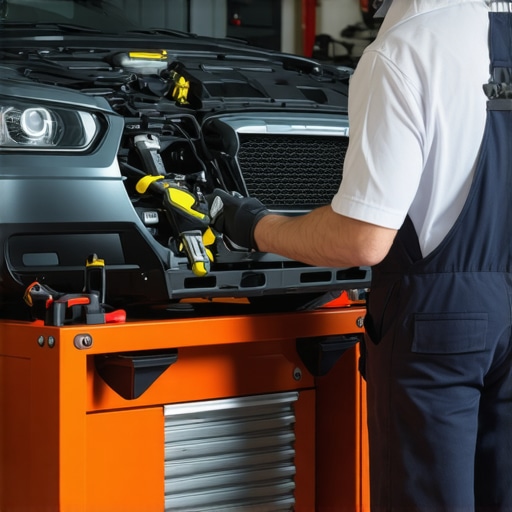
It was a chilly morning when I turned the ignition and heard that unsettling squeal. My heart sank. I knew right then that neglecting routine maintenance had finally caught up with me. That light on the dashboard, ignored for too long, turned into a costly repair. It was a lightbulb moment—trust in your vehicle doesn’t happen by chance; it’s built through consistent care.
Why Proper Auto Maintenance Is Essential for Lasting Vehicle Trust
Over the years, I’ve learned that a well-maintained car isn’t just about avoiding breakdowns—it’s about peace of mind. When I neglected regular tune-ups and brake services, I faced unexpected failures that disrupted my schedule and drained my wallet. Studies show that regular auto service can extend your vehicle’s lifespan by up to 50%, saving you thousands in the long run (Consumer Reports).
Imagine this: a simple tune-up every 10,000 miles can prevent major engine issues. It’s not just about fixing problems; it’s about building trust in your car’s reliability. Today, I want to share with you the top auto repair and tune-up tips that will help you keep your vehicle running smoothly and ensure lasting trust with your auto service provider.
Is Auto Maintenance Really Worth the Effort?
Early in my driving days, I thought skipping oil changes and brake checks saved time and money. I was wrong. The mistake I made was believing that my car could go without routine care, which led to costly repairs and a loss of confidence in my vehicle. The truth is, regular maintenance isn’t just a recommendation; it’s a necessity for safety and longevity. If you’ve ever wondered whether auto tune-ups really matter, you’re not alone. But the evidence—and my personal experience—show that consistent care builds trust and keeps your vehicle dependable.
If you’re ready to avoid costly breakdowns and build a trustworthy relationship with your auto mechanic, keep reading. We’ll explore proven strategies and expert tips to make your vehicle last longer and perform better.
,
Follow a Consistent Maintenance Schedule
Start by setting a regular schedule for oil changes, tire rotations, and fluid checks. I remember a time when I ignored my oil change, thinking I’d save a few bucks. Weeks later, my engine started misfiring, and the repair cost was double what I would have paid for routine maintenance. Use your vehicle’s manual as a guide and mark your calendar for these essential services. This consistency acts like a health check-up for your car, preventing small issues from becoming big problems. For detailed schedules, check out auto repair and tune-up tips.
Learn to Perform Basic Checks Yourself
Check Tire Pressure and Tread
Maintaining proper tire pressure optimizes fuel efficiency and safety. I once noticed my tires looked a bit flat and took a few minutes to check with a gauge. The pressure was below recommended levels, which could have led to premature tire wear. Regularly inspecting your tires is like giving your car a health report—easy, quick, and effective. Keep a portable air compressor and a tire gauge in your trunk, and check weekly. Properly inflated tires also help your brakes work better and extend their lifespan. For a step-by-step guide, visit auto repair tips.
Inspect Fluid Levels
Engine oil, coolant, brake fluid, and transmission fluid are vital for your car’s performance. I learned this the hard way when I neglected coolant levels during a summer road trip. The engine started overheating, and I had to pull over. Now, I check these fluids monthly, making sure they are at proper levels and look clean. Think of fluids as your car’s bloodstream—if they’re blocked or contaminated, your vehicle struggles. A quick visual inspection can save you from costly repairs. For detailed instructions, see auto maintenance strategies.
Invest in Regular Professional Tune-Ups
While DIY checks are helpful, professional tune-ups are critical. I once took my car for a comprehensive service, and the mechanic found a worn-out spark plug that was causing poor fuel economy. Regular tune-ups include inspecting the ignition system, replacing filters, and checking belts and hoses. It’s like a doctor’s visit for your car—ensuring everything functions harmoniously. These visits can prevent unexpected breakdowns and prolong your vehicle’s life. Find a trusted mechanic who explains what they’re doing, and don’t hesitate to ask questions. For expert advice, visit auto repair and tune-up tips.
Monitor and Replace Worn Components Promptly
Worn brakes, old batteries, or cracked belts are red flags. I learned this during a routine brake check—an old brake pad was almost metal to metal, risking a dangerous failure. Replacing worn parts early is like catching a cold before it turns into the flu. Keep an eye on brake pads, battery terminals, and belt condition, especially before long trips. Use visual inspections or ask your mechanic for regular assessments. This proactive approach builds trust that your vehicle will perform reliably. For more guidance, see brake and car service guides.
Keep a Record of Maintenance and Repairs
Document every service, repair, and part replacement. I started a simple log, and it made future diagnostics easier. This record acts like a health journal for your car, helping mechanics identify recurring issues and confirming what has been recently done. It also boosts your confidence in your vehicle’s history. Digital apps can help you keep track efficiently. For detailed tips on record-keeping, explore auto repair tips for lasting confidence.
Build a Relationship with a Trusted Auto Shop
Finally, establish a rapport with a reputable mechanic. I once switched shops after a bad experience, and my new mechanic earned my trust through honest advice and transparency. Trustworthy auto repair isn’t just about fixing the car; it’s about feeling confident that your mechanic has your best interest at heart. Ask for recommendations, read reviews, and visit the shop beforehand. A good mechanic will educate you on your car’s needs and never push unnecessary repairs. For more insights, see trustworthy auto repair tips.
Let’s dig deeper into auto maintenance and uncover some of the most pervasive misconceptions that can sabotage your vehicle’s reliability. Many drivers operate under assumptions that seem logical but are actually myths, leading to costly mistakes. As an automotive enthusiast and experienced mechanic, I’ve seen these myths repeatedly cause harm, so it’s time to set the record straight.
Myth 1: You Only Need to Service Your Car When It Breaks Down
This is perhaps the most dangerous misconception. Waiting until your car shows obvious signs of failure—like strange noises or warning lights—often results in more extensive damage. Preventive maintenance, such as regular oil changes and fluid checks, is essential for catching issues early. Studies indicate that proactive servicing can reduce breakdowns by up to 70%, saving you money and time (Consumer Reports).
Myth 2: All Mechanics Are the Same
Not true. The quality and honesty of auto repair shops vary widely. Many believe that all mechanics are equally trustworthy, but experience shows that building a relationship with a reputable, transparent shop leads to better long-term trust. Always check reviews and ask for certifications to ensure you’re getting reliable service. For tips on choosing the right shop, visit auto repair tips.
Myth 3: High-Performance Parts Are Always Better
While high-performance parts can enhance specific aspects of your vehicle, they are not always suitable for everyday driving and can sometimes cause more harm than good if used improperly. For most drivers, OEM parts or those recommended by your vehicle manufacturer offer the best balance of reliability and longevity. Remember, the goal of maintenance is to keep your car dependable, not necessarily to boost performance beyond factory specs.
What About the Hidden Nuance? The Advanced Mistake
One often-overlooked mistake is neglecting the importance of correct torque specifications during repairs and maintenance. Over-tightening or under-tightening bolts—especially on critical components like wheel lug nuts, engine mounts, or transmission connections—can lead to premature wear, damage, or even catastrophic failure. Many drivers don’t realize that the torque value is not just a number; it’s a carefully calculated parameter that ensures safety and durability.
According to a study by SAE International, improper torque application is a leading cause of component failure in vehicles, accounting for nearly 30% of repair issues related to fasteners (SAE International). This subtle mistake can undermine years of proper maintenance, so investing in a quality torque wrench and following manufacturer specifications is a wise move.
Have you ever fallen into this trap? Let me know in the comments. Being aware of these myths and nuances can make all the difference in how long your vehicle lasts and how much trust you can place in it.
How do I maintain my vehicle’s reliability over time?
Maintaining your vehicle’s reliability isn’t just about quick fixes or basic checks; it involves investing in the right tools and adopting effective methods that ensure longevity. One of my favorite tools is a high-precision digital torque wrench. Unlike standard wrenches, a digital torque wrench provides exact torque measurements, preventing over-tightening or under-tightening critical fasteners like wheel lug nuts or engine components. Following manufacturer torque specifications, as outlined in SAE International standards (SAE), helps prevent damage and ensures safety.
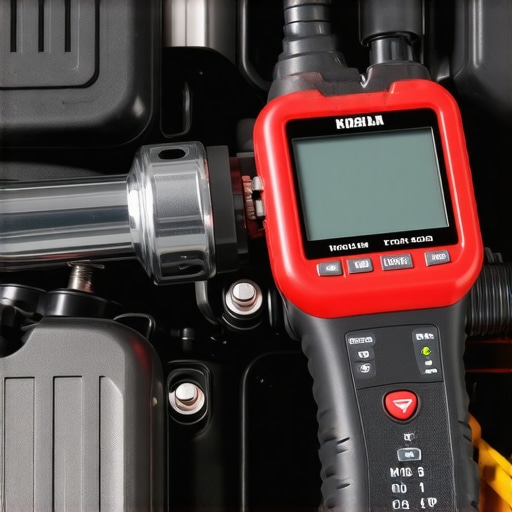
Another essential tool is an OBD-II scanner. This device allows me to read and clear diagnostic trouble codes directly from my vehicle’s onboard computer. Using a reliable scanner like the BlueDriver or FIXD helps catch issues early, saving money and preventing breakdowns. I personally use the BlueDriver because of its compatibility with most makes and models and its detailed reporting, which guides me on whether I need professional service or can handle a quick fix myself.
In addition, I recommend investing in a good set of automotive fluid testers and a quality funnel for fluid top-ups. Regularly checking coolant, brake fluid, and transmission fluid with dedicated testers ensures your car’s vital systems stay in optimal condition. For long-term results, I also keep a dedicated maintenance log, tracking every service and repair. Digital apps like Drivvo or Simply Auto make this process straightforward and accessible across devices. This record-keeping builds trust with your auto mechanic and helps identify recurring issues before they escalate.
Looking ahead, the trend is moving towards smart tools integrated with mobile apps, enabling real-time diagnostics and predictive maintenance. I believe that as vehicle technology evolves, tools that leverage AI and IoT (Internet of Things) will become standard, providing proactive alerts for upcoming maintenance needs and potential failures.
To keep your vehicle working reliably over the years, I highly recommend adopting a disciplined approach—use precise torque tools, leverage diagnostic scanners, and maintain detailed logs. For a comprehensive guide on building a trusted maintenance routine, check out auto repair and tune-up tips. And don’t forget, the key to long-term trust is consistent, informed care. So, try calibrating your torque wrench today and experience the difference precision makes!
The Hardest Lesson I Learned About Auto Trust and Maintenance
One of the most eye-opening experiences I had was realizing that neglecting small maintenance tasks could lead to major repairs. It taught me that consistent care isn’t just about saving money—it’s about building a relationship of trust with your vehicle and mechanic. This lesson changed my entire approach to auto care, emphasizing proactive maintenance over reactive fixes.
3 Myths About Auto Maintenance That Held Me Back
For years, I believed that only major repairs warranted a visit to the mechanic, which almost cost me my car’s reliability. I also thought all mechanics were the same, leading to mistrust. Lastly, I assumed that high-performance parts always meant better, which isn’t necessarily true. Debunking these myths helped me develop a smarter, more trustworthy maintenance routine.
What Experts Won’t Tell You About Building Vehicle Confidence
One subtle but crucial aspect is the importance of correct torque when tightening bolts. Over-tightening or under-tightening can cause premature wear or catastrophic failure, yet many drivers overlook this detail. Following manufacturer specifications and using precision tools like a digital torque wrench can dramatically extend your vehicle’s lifespan and trustworthiness.
My Essential Toolkit for Auto Trust and Longevity
My go-to tools include a high-precision digital torque wrench, an OBD-II scanner like BlueDriver for early diagnostics, and a reliable fluid tester. These tools empower me to perform basic checks at home and catch issues before they escalate. For trusted resources, I regularly consult auto repair guides that are rooted in expert advice and real-world experience.
Your Turn to Try Building Confidence with Your Vehicle
Remember, the key to lasting vehicle trust lies in consistent, informed care. Equip yourself with the right tools, follow a regular maintenance schedule, and don’t hesitate to ask questions at your mechanic’s shop. Your car is an investment—treat it with the respect it deserves, and it will reward you with dependable performance for years to come.