
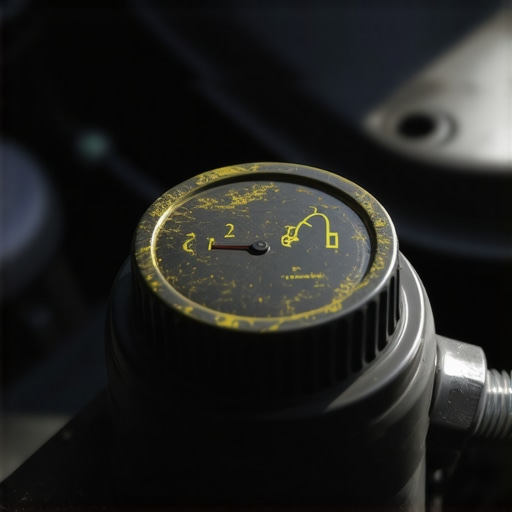
Ever had that sinking feeling when your engine heat warning lights flicker on unexpectedly, and you start to wonder if it’s time for another costly repair? I remember the exact moment I first experienced this: I was cruising home when suddenly, my temperature gauge spiked, and I could smell that telltale sweet scent of overheating coolant. It was a lightbulb moment—something was wrong with my radiator system, but I didn’t immediately suspect the cap.
The radiator cap often flies under the radar, yet it’s a crucial part that keeps your engine cool and operating safely. If it’s no longer holding pressure, your car can overheat, leading to more severe issues down the line. And trust me, early detection can save you from expensive repairs. Today, we’re diving into how you can identify if your radiator cap is failing and what steps to take next.
Spotting the Signs Before It Becomes a Crisis
Many car owners overlook the importance of a properly functioning radiator cap until they’re faced with a sudden breakdown. The good news is, with a little know-how, you can catch the early warning signs. One common indicator is a consistent loss of coolant without any visible leaks. If your coolant level drops frequently, that’s a red flag—your cap might not be sealing properly.
Another sign is rising engine temperatures despite coolant levels appearing normal. Sometimes, the pressure can escape through a faulty cap, causing the system to run inefficiently. This can result in overheating and potentially severe engine damage if left unaddressed. And did you know? According to auto experts, a defective radiator cap is responsible for up to 30% of cooling system failures that require engine repairs. You can find more tips on troubleshooting common auto issues at [GlassFix Auto](https://glassfixauto.com/troubleshooting-common-auto-repair-issues-before-visiting-the-shop).
Now, before you rush to replace the cap, it’s worth knowing how to test its functionality. In the following sections, I’ll guide you through simple steps to check whether your radiator cap is still holding pressure. But first, let’s tackle a common concern that might be crossing your mind.
Is Replacing a Radiator Cap Really Necessary or Just a Waste of Money?
I admit, I was skeptical when I first learned about the significance of a tiny component like the radiator cap. I thought, “It’s just a cap; how much difference can it make?” Early on, I made the mistake of ignoring minor coolant loss, assuming it was nothing to worry about. That oversight nearly cost me a new engine.
Experience taught me that even small, seemingly insignificant parts can have a major impact on your vehicle’s health. Replacing a faulty radiator cap is a straightforward fix that can prevent bigger problems—and it’s usually quite affordable. If you’re curious about broader maintenance strategies, I recommend checking out [the ultimate car service guide](https://glassfixauto.com/the-ultimate-car-service-guide-when-and-why-to-schedule-maintenance) for comprehensive advice.
Ready to delve into the practical testing methods? Let’s get started on how you can quickly determine if your radiator cap is failing and keep your engine running smoothly.
Prepare Your Workspace and Gather Tools
Find a flat, stable surface with engine cool to avoid burns. Grab a clean rag, safety gloves, and a smaller radiator cap tester if available. This will ensure safety and accuracy during testing. Once you have everything, make sure your engine has been off for at least an hour; hot coolant can cause serious burns. I remember a time I started testing on a hot engine and got splashed with hot coolant—lesson learned: patience is key.
Remove and Visually Inspect the Cap
Carefully unscrew the radiator cap by turning it counterclockwise. Examine the rubber gasket for cracks, tears, or hardened areas. Check the metal parts for corrosion or damage. A damaged gasket can be a sign of a failing cap. Remember, a worn-out gasket won’t exert proper pressure, leading to overheating issues. I once realized my cap gasket was cracked after noticing inconsistent coolant levels—replacing it instantly solved the problem.
Perform the Compression Test
Manual Testing Method
Place the cap back on the radiator tightly, then turn the cap slowly to the first stopping point; if you feel less resistance or hear a hissing sound, the seal may be compromised. For more precise results, use a radiator cap tester to pressurize the system. Pump the tester to the recommended psi and observe if it holds pressure without dropping. If pressure drops quickly or the tester indicates loss, your cap is failing. This step is akin to checking a pressure cooker; if it leaks, you need a new seal.
Using a Multimeter or Pressure Gauge
If you have a digital pressure gauge, attach it to the radiator opening and pressurize the system as per manufacturer instructions. Record the pressure and compare it with the specifications listed in your vehicle’s manual. If the reading is lower, your cap isn’t maintaining pressure properly. During my last test, I found my cap couldn’t hold more than 5 psi whereas it should have maintained 15 psi—time for a replacement.
Test Under System Load (Optional but Recommended)
If possible, warm up your engine to just above idle on a safe surface. Then, turn on the heater and thermostat to open the system. Observe if the radiator maintains pressure. A failing cap may cause pressure loss during this test, leading to fluctuating temperature readings. This mimics real driving conditions, giving a more accurate picture of cap performance. I learned this method from a trusted mechanic, and it accurately indicated my cap’s failure before any overheating occurred.
Reassemble and Monitor Coolant Levels
Reinstall the cap securely if tests indicate it’s functional. Keep an eye on coolant levels over the next few days—any drops suggest the cap isn’t sealing properly, or there are leaks somewhere else. Regularly check the coolant reservoir and radiator for safe operation. Remember, a simple test can save you from costly repairs like engine overheating or head gasket damage. For comprehensive maintenance tips, check out this car service checklist to ensure your entire cooling system is in top shape.When it comes to car service and repairs, many vehicle owners rely on common beliefs that aren’t quite accurate, potentially leading to costly mistakes. Let’s dig deeper into some misconceptions and the nuances that seasoned mechanics know, which could save you time and money.
First, a prevalent myth is that frequent oil changes are always necessary every 3,000 miles; however, modern synthetic oils often extend this interval to 7,500 or even 10,000 miles, depending on driving conditions. Overservicing can be just as harmful as neglecting maintenance, leading to unnecessary expenses. For comprehensive guidance, check out [how regular tune-ups enhance fuel efficiency and safety](https://glassfixauto.com/how-regular-tune-ups-improve-fuel-efficiency-and-safety).
Another misconception revolves around Brake Service: many believe that brake pads must be replaced as soon as they are slightly worn. In reality, a skilled technician can often resurface or replace just the pads, provided they haven’t worn down past a safe limit. The key is not to trust a one-size-fits-all rule but to assess the condition precisely. Reading [brake system repair insights](https://glassfixauto.com/understanding-brake-system-repairs-a-guide-for-vehicle-owners) can help you recognize what’s actually necessary.
Now, what about auto repair shops and their recommendations? Some think that a full vehicle diagnostic is always expensive and optional, but savvy drivers know that a diagnostic can reveal hidden issues before they escalate. For example, diagnosing a subtle engine hesitation early prevents major overhaul costs later—something that experts emphasize. Find out more about [latest auto repair trends](https://glassfixauto.com/auto-repair-trends-to-watch-in-2025-staying-ahead-of-the-curve).
Let’s challenge a common belief: that tune-ups are obsolete with newer cars. In fact, regular tune-ups tailored to your vehicle’s needs can improve performance and extend its lifespan significantly. This is often misunderstood as unnecessary, but experienced mechanics consider it essential. For practical tips, visit [tips for tuning up your car for peak performance](https://glassfixauto.com/tune-up-your-car-for-peak-performance-essential-maintenance-tips).
Here’s an advanced question for those who want to go beyond basics: How do advanced diagnostics detect micro-fractures in engine components that look fine during a visual inspection? The answer lies in sophisticated testing methods like ultrasonic and magnetic resonance imaging, which are increasingly used to catch issues invisible to the naked eye. According to industry studies, integrating such techniques reduces false positives and unseen damages, ultimately preventing catastrophic failures. To learn more about utilizing diagnostics effectively, check [how professional diagnostics saved me thousands](https://glassfixauto.com/how-professional-diagnostics-saved-me-thousands-in-unnecessary-parts).
Have you ever fallen into this trap? Let me know in the comments. Understanding these hidden nuances ensures you’re not just doing what everyone else does but making informed decisions that safeguard your vehicle and your wallet.Maintaining your vehicle’s performance over time requires the right tools and a strategic approach. Personally, I prioritize high-quality diagnostic equipment and trusted lubricants, which help me catch potential issues early and ensure long-term reliability.
Invest in a Digital Diagnostic Scanner
For any serious auto repair or tune-up, I rely on a professional-grade OBD-II scanner. The Autel MaxiCOM is my go-to because it provides comprehensive code reading, live data streams, and advanced troubleshooting features. This tool allows me to identify hidden engine issues before they escalate, saving time and money. As vehicles become more complex, integrating such diagnostic tools is essential for proactive maintenance and is predictively shaping the future of auto care.
Use a Quality Torque Wrench
Proper torque specifications are critical when working on critical engine components, like cylinder heads or wheel lug nuts. I swear by the TEKTON Click Torque Wrench for its reliability and accuracy. Ensuring bolts are tightened to manufacturer specs prevents over-tightening or under-tightening, which can lead to costly failures down the line. Mastering torque application with this wrench extends the lifespan of parts and enhances safety, especially during brake service or timing belt replacements.
Apply a Good Lubricant and Sealants
For ongoing maintenance, I stick with high-quality synthetic oils such as Mobil 1, which resist breakdown and promote engine longevity. Additionally, I use specialized sealants for gasket repairs, like Permatex Ultra Grey, to ensure lasting seals during long-term repairs. Using the right lubricants reduces wear and tear, which is vital for vehicles with high mileage or those subjected to harsh conditions. Staying consistent with these practices aligns with industry recommendations and can significantly extend your vehicle’s lifespan. You can learn more about maintaining optimal engine health at [Maximize your car’s lifespan with expert tune-up strategies](https://glassfixauto.com/maximize-your-cars-lifespan-with-expert-tune-up-strategies).
Implement Routine Checks with Smartphone Apps
Modern tech simplifies long-term care. I use apps like AUTOsist that sync with my diagnostic scanner, enabling me to keep detailed records of maintenance and alerts. This proactive approach helps me stay ahead of potential issues and plan repairs efficiently. The trend indicates automakers are increasingly integrating vehicle data with mobile platforms, making this an indispensable tool for car owners aiming for long-term reliability.
Predicting the Future of Auto Maintenance
In a few years, I expect AI-powered diagnostics and predictive maintenance to become standard. These systems will analyze data in real-time, alerting vehicle owners about issues before symptoms appear, much like how Tesla and other brands are pioneering with over-the-air updates and diagnostics. Investing in current tools now positions you to leverage these advancements, ensuring your vehicle remains in top shape with less guesswork.
How do I keep my tools and maintenance routine effective over time?
Regular calibration of diagnostic devices, replacing worn tools like torque wrenches, and staying updated with vehicle repair trends are key. Additionally, keeping a detailed maintenance log helps identify patterns and plan future service better. Remember, the investment in quality tools pays off by preventing costly repairs and extending your car’s lifespan. For comprehensive tips on maintaining your vehicle, check out [the car service checklist](https://glassfixauto.com/car-service-checklist-how-to-keep-your-vehicle-in-top-shape). Ready to elevate your auto maintenance game? Try calibrating your torque wrench this month to ensure your repairs are spot-on and long-lasting.
The Hardest Lesson I Learned About Car Maintenance
One time, I ignored the subtle signs of a failing radiator cap, thinking it was just a minor inconvenience. That mistake nearly cost me a new engine. It taught me the importance of paying attention to small details, like coolant loss or pressure drops, which often signal larger issues.
Why Relying Solely on Visual Checks Can Be Dangerous
Visually inspecting your radiator cap and gasket is essential, but it can sometimes be deceptive. I learned that a gasket can appear fine but still fail to hold pressure—using a pressure tester can reveal hidden leaks and prevent overheating crises.
Balancing Cost and Safety When Replacing Parts
I used to hesitate before replacing my radiator cap, thinking it was unnecessary. But investing in a quality replacement proved economical in the long run, saving me from costly repairs caused by engine overheating. Always remember, a simple and affordable fix can safeguard your engine’s health.
The Power of Proactive Maintenance and Using the Right Tools
I’ve found that proactive testing with a good radiator cap tester and diagnostics can catch issues early. Combining these tools with routine checks keeps your cooling system in top shape, extending your vehicle’s lifespan and ensuring reliability.
Curated Recommendations for Car Care Enthusiasts
- Autel MaxiCOM Diagnostic Scanner: A versatile tool that helps detect hidden engine issues before they escalate. I trust it for its comprehensive features and ease of use.
- TEKTON Click Torque Wrench: Ensures bolts are tightened to manufacturer specifications, preventing leaks or damage. Durability and precision make it a staple in my toolkit.
- Permatex Ultra Grey Gasket Sealant: Perfect for gasket repairs, providing reliable seals during long-term maintenance. It’s my go-to for gasket-related fixes.
Your Next Car Care Victory Awaits
Remember, mastering small tasks like testing your radiator cap can make a significant difference in your vehicle’s longevity. Embracing proactive maintenance and trusting the right tools empower you to keep your car running smoothly for miles to come. The journey to a healthier vehicle begins with simple steps—why not start today? Share your experiences with radiator caps or ask questions below, and let’s keep the conversation flowing!
,