
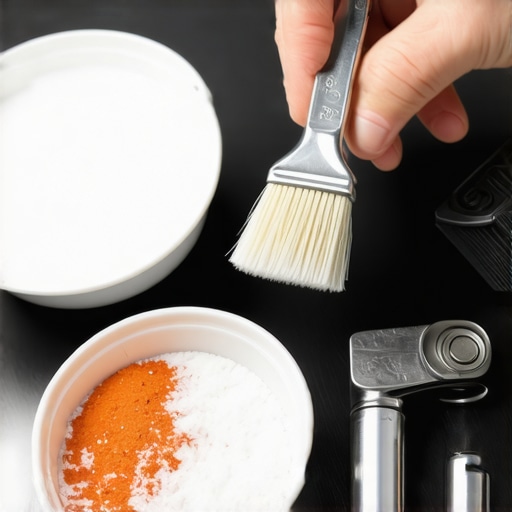
Ever been stranded with a sluggish battery or struggled with that stubborn corrosion on the terminals? I remember the first time my car refused to start on a cold winter morning. Frustration turned to concern as I nervously jiggled the wires, desperately hoping for a miracle. It was then I realized my simple car tweak had turned into a bigger headache. That lightbulb moment made me question: could I fix this myself without expensive tools or fancy chemicals?
Discover a Hassle-Free Way to Clean Battery Terminals
Nothing beats the satisfaction of fixing something with just household staples, right? Today, I want to share a time-tested, wallet-friendly method I found—using nothing but baking soda—to revitalize my car’s battery terminals. Not only is this approach easy, but it’s also surprisingly effective against the corrosion that can sap your car’s power. By the end of this guide, you’ll be equipped to tackle this common problem without calling in a mechanic or pouring harsh chemicals down your driveway.
Is Baking Soda Really Enough to Clean Corrosion?
You might be skeptical—”Baking soda? That’s too simple to work!” Believe me, I was too at first. But early on, I made the mistake of using aggressive acids that damaged the terminals more than they helped. Once I abandoned those and embraced the humble baking soda paste, my car’s starting power returned. According to auto experts, baking soda’s mild abrasive and alkaline properties effectively neutralize the acid buildup that causes corrosion. Plus, it’s safe for your vehicle and environmentally friendly.
If you’ve ever faced similar struggles—struggling with stubborn corrosion, or simply wanting to save some bucks—you’re not alone. Many car owners overlook this simple maintenance step, which can lead to more significant issues down the road. Regular cleaning of your battery terminals can improve starting reliability and extend the life of your battery. Curious about how to do it properly? Stay tuned, because next, we’ll go through everything you need to know to get your battery terminals shiny and corrosion-free—using just baking soda and a few household items.
Prepare Your Workspace and Gather Supplies
Before diving into the cleaning process, ensure your vehicle is turned off and parked on a flat surface. Put on protective gloves and safety glasses to shield yourself from any splashes. You’ll need baking soda, water, a toothbrush or wire brush, a cloth, and possibly a wrench if you need to disconnect the terminals. I remember the first time I did this, I laid rags around to catch any spills—messy but effective. Having everything ready saves time and prevents accidental spills on engine components.
Disconnect Battery Terminals Carefully
Loosen the nut holding the negative (black) terminal first, then the positive (red) terminal. Think of it as breaking a chain—start from the negative side to prevent sparks. Use a wrench if needed, and gently wiggle the cables free. Once disconnected, inspect the terminals for heavy corrosion or damage. I once neglected this step, and the wrench slipped, causing a small scratch—I learned to be gentle and patient. Remember, this step is crucial to prevent electrical shorts during cleaning.
Apply Baking Soda Paste for Effective Cleaning
Mix a tablespoon of baking soda with a few drops of water until you achieve a thick paste. This paste acts like an abrasive scrub that neutralizes acid corrosion. Spread the paste over the terminals and the surrounding area. I once applied too much, creating excess mess, so go easy—just enough to cover the affected areas. Let it sit for 5–10 minutes to break down the corrosion.
Scrub and Rinse Thoroughly
Use a toothbrush or wire brush to scrub the terminals and clamp connections, applying firm but gentle pressure. Think of this as cleaning a stubborn rusty bolt—you need a bit of grit to loosen grime without damaging parts. After scrubbing, rinse the area with cold water to wash away loosened corrosion and baking soda residue. Be cautious to avoid splashing water into the battery itself. I recall a time I was too vigorous—water got into unintended spots, so patience is key.
Dry and Reconnect with Care
Wipe the terminals dry with a clean cloth, ensuring there’s no moisture left. Moisture can hasten future corrosion, so thorough drying is essential. Reattach the positive terminal first, then the negative, tightening the nuts snugly but not overly tight—similar to tightening a lug nut. When I first started doing this, I underestimated the importance of not overtightening, which can deform the terminal. Proper tightening ensures good contact and reliable starting power.
Final Checks and Preventive Measures
Once reconnected, start your vehicle to verify the connection’s stability. Consider applying a thin layer of petroleum jelly or terminal protectant spray to shield against future corrosion. Regular maintenance, like this, can significantly extend your battery’s lifespan and improve your vehicle’s reliability. For more tips on keeping your vehicle in top shape, check out our car service checklist. Remember, a clean battery terminal is a small step with a big impact on your car’s performance.Many car owners are under the misconception that brake service and general auto repairs are straightforward tasks that require little expertise. However, this common myth can lead to costly mistakes and safety hazards. For example, some believe that simply replacing brake pads is enough, but overlook the importance of inspecting the entire brake system, including rotors, calipers, and fluid lines, which can be hidden culprits behind brake failures.
One of the most overlooked nuances is the significance of proper bleeding and fluid maintenance. Brake fluid absorbs moisture over time, reducing braking efficiency and potentially causing brake fade during critical moments. Skipping regular brake fluid exchanges—believed by some to be unnecessary—actually compromises safety. Expert auto technicians recommend adhering to the manufacturer’s schedule, typically every 2–3 years, to prevent corrosion and ensure optimal performance.
Another common myth is that all brake components wear at the same rate. In reality, differences in driving habits, environment, and vehicle type dictate which parts need attention first. For instance, aggressive braking or driving in hilly terrain accelerates rotor and pad wear, making timely replacements essential for safety and vehicle longevity.
Why Do Some Brake Repairs Fail Prematurely, Despite Following the Book?
This question addresses a critical challenge faced by vehicle owners: why are some repairs short-lived? The answer often lies in neglecting proper preparation and understanding the complex interplay of brake components. For example, installing new pads on warped rotors without resurfacing or replacing the rotors can lead to uneven wear and noise, negating the repair’s purpose. Even expert shops can fall into this trap if they don’t perform a thorough inspection and address underlying issues.
It’s also vital to recognize emerging trends—such as the adoption of ceramic brake pads—that offer extended lifespan and reduced dust. Staying updated with industry innovations, as discussed in auto repair trends for 2025, helps avoid outdated practices that might short-circuit your vehicle’s safety or efficiency.
Understanding the nuances of brake service isn’t just about fixing parts; it’s about holistic vehicle care. Regular inspections, understanding component interactions, and staying current with technological advancements can make a significant difference. For detailed guidance on maintaining your entire vehicle, explore our comprehensive car service checklist.
Have you ever fallen into this trap? Let me know in the comments.
Investing in Reliable Equipment Makes All the Difference
Maintaining your vehicle’s performance over time hinges on having the right tools at hand. Personally, I swear by a high-quality digital multimeter, like the Fluke 115, which provides precise readings of battery voltage and electrical circuits. It’s invaluable for diagnosing tricky issues, especially when your car’s electronic systems act up. For brake checks, I rely on a tread depth gauge—the AccuRight Tread Checker is my go-to because it offers quick, accurate measurements to evaluate pad wear and prevent unsafe driving conditions.
When it comes to routine tune-ups, nothing beats an advanced spark plug socket with a rubber seal, like the Lisle 65400. It grips the plugs securely, preventing damage and making installation easier, especially in tight engine bays. I also always keep a set of ratchet wrenches, specifically a stubby pair, to reach into confined spots without fuss. These simple, yet specialized tools save me hours during maintenance sessions and increase precision.
Software Keeps Maintenance on the Cutting Edge
Beyond physical tools, leveraging diagnostic software has revolutionized car repair. I recommend a reliable OBD-II scanner, such as the BlueDriver, which connects to your smartphone via Bluetooth. It quickly identifies trouble codes and provides real-time sensor data, helping prevent minor issues from escalating. This software is particularly useful for catching early signs of trouble in your ignition coils or fuel system—saving you both time and money.
For deeper insights, I use a maintenance scheduling app that reminds me when to perform essential services like fluid changes, spark plug replacements, or brake inspections. Integrated with your vehicle’s data, apps like Car Minder Plus support long-term planning, making sure you keep up with manufacturer recommendations without the guesswork.
Future Trends in Car Maintenance Toolkits
Looking ahead, I believe the trend toward wireless diagnostic tools will continue to grow. These devices will become more affordable and smarter, providing diagnostic insights directly to your mobile device with minimal setup. Additionally, emerging AI-driven maintenance platforms may soon predict component failures before they happen, shifting auto repair from reactive to proactive.
Maintain Your Car Effectively: Tips for Longevity
How do I maintain my vehicle over time? I focus on regular inspections, adhering to the recommended maintenance schedule, and keeping detailed records of all work performed. For example, regular tune-ups are vital, as they optimize engine performance and fuel economy, while also catching minor issues early. Investing in quality diagnostic tools, like a proven OBD-II scanner, allows for quick problem detection—extending your car’s lifespan and ensuring safety on the road.
Challenge yourself to try out a new device or software tonight, like verifying your battery voltage with your multimeter or scanning for hidden error codes. These small actions, when integrated into your regular routine, make a big difference in the long run and keep your vehicle running smoothly for miles to come.
The Hardest Lesson I Learned About Brake Service and Auto Repairs
During my early days of car maintenance, I underestimated the complexity of brake systems and the importance of proper inspection. I once replaced brake pads without checking the rotors, only to find out they were warped—causing more damage and costing more than a professional inspection. This taught me that even simple repairs require a holistic approach and patience.
Why Trustworthy Tools Are a Game-Changer
Investing in quality tools like a reliable OBD-II scanner or a tread depth gauge has transformed my maintenance routine. They provide precise information and save time, making DIY projects more manageable and less stressful. For instance, knowing exactly when to replace brake pads with accurate measurements prevents premature wear and costly repairs.
Embracing the Unexpected in Car Maintenance
One of the most valuable insights I gained is staying adaptable. Despite following guides and schedules, I learned to listen to my vehicle’s subtle signals—like strange noises or vibrations—which often indicate underlying issues. Regularly checking things like brake fluid levels and tire wear can catch problems early, avoiding major breakdowns and ensuring safety on the road.
Where to Grow Your Knowledge Next
For those eager to deepen their auto repair skills, I recommend exploring resources like auto repair trends for 2025 and comprehensive maintenance guides. Investing in the right manuals and understanding industry developments helps you stay ahead—saving money and maintaining peace of mind.
Keep Moving Forward and Keep Your Car Running Smoothly
The journey toward confident, effective car maintenance is ongoing. Every small step, from cleaning battery terminals with baking soda to learning how to assess brake components, adds up to longer-lasting, safer vehicles. Remember, the real power lies in your willingness to learn and adapt. Take what you’ve learned today and implement it—your car, and your wallet, will thank you.