
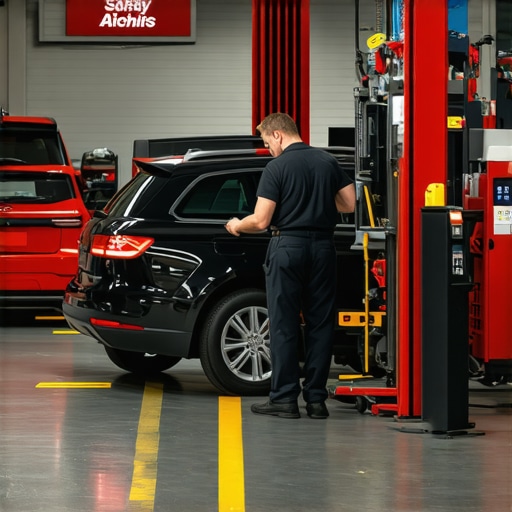
Ever been caught in a sudden rainstorm, only to realize your brakes feel less responsive than they should? Or maybe you’ve anxiously watched your dashboard light flicker on just as you’re about to leave for an important appointment. I’ve been there—facing that unsettling moment when your vehicle’s reliability suddenly feels uncertain. That light, that squeal, that hesitation—those aren’t just minor annoyances; they’re signals begging for attention. And trust me, ignoring them can turn a safe drive into a risky gamble.
Why Trusting Your Auto Repair Strategy Matters More Than Ever
In my years of driving and maintaining vehicles, I’ve learned that the secret to peace of mind on the road isn’t just about having a reliable car—it’s about having a solid auto repair plan. When you know where to turn for trustworthy service, you’ll avoid the stress of last-minute breakdowns and costly repairs. It’s like insurance for your confidence behind the wheel. According to the Car Care Council, regular maintenance and quality auto repairs significantly extend your vehicle’s lifespan and safety. So, if you’re tired of surprises that shake your trust in your car, it’s time to get serious about your auto care approach.
Have you ever faced a breakdown that could have been prevented with better auto maintenance? If so, you’re not alone. I once ignored a small squeak in my brakes, thinking it was nothing. Turns out, that squeak was a warning sign, and neglecting it nearly cost me a lot more down the line. That mistake? A lesson in the importance of proactive service. Today, I’m here to share what I’ve learned about building a reliable, safe driving experience through trusted brake and auto repair strategies.
Let’s face it—auto repairs can feel overwhelming and sometimes even suspicious. But the good news is, with the right knowledge and a trusted mechanic, you can keep your vehicle running smoothly and safely. We’ll explore practical tips, common pitfalls to avoid, and how to find auto repair shops you can truly rely on. Ready to make your driving safer and more confident? Let’s dive into the essentials that every responsible driver needs to know.
The Key to Lasting Vehicle Confidence Starts Here
Start with a Routine Checkup
Think of your vehicle as a patient that needs regular health scans. When I first began applying this, I scheduled a comprehensive tune-up for my car after noticing minor irregularities. This proactive step revealed worn spark plugs and a slightly loose belt, which I promptly replaced. The result? Smoother engine performance and peace of mind on my daily commute. Regular tune-ups, like those outlined in auto repair tune-up tips, are the backbone of reliable vehicle care.
Prioritize Brake System Health
Your brakes are your safety net. I once ignored a subtle squeal when braking, assuming it was just dust. That oversight almost led to brake failure during a traffic stop. After visiting a trustworthy shop, I learned that squeaking often signals worn brake pads. Replacing them early using top brake repair tips saved me from a dangerous situation. Regular brake inspections ensure your stopping power is always reliable.
Use Quality Parts and Genuine Fluids
When I replaced my car’s oil, I chose high-quality, manufacturer-recommended fluids. It’s tempting to cut costs here, but I learned that inferior fluids can cause engine strain and reduce lifespan. Always opt for trusted brands and genuine parts, as suggested in trusted auto repair advice. This practice ensures your vehicle remains in peak condition longer.
Develop a Relationship with a Trusted Mechanic
Finding a mechanic you trust is like having a reliable doctor. I once attempted DIY repairs, which ended in a trip to the emergency mechanic. Now, I rely on a local shop with excellent reviews. They provide honest assessments and transparent pricing, making auto repair less intimidating. This relationship allows for regular diagnostics and personalized maintenance plans, as highlighted in auto repair trust tips.
Stay Informed About Your Vehicle’s Needs
Reading your vehicle’s manual and staying updated on recall notices or service advisories helps prevent surprises. When I learned about a pending recall on my model’s transmission, I contacted the dealer immediately. This proactive approach, supported by effective auto care strategies, keeps my car running safely and efficiently.
Schedule Regular Maintenance Appointments
Consistency is key. I now set reminders for oil changes, tire rotations, and fluid checks. This schedule, based on my car’s manual and trusted advice like reliable auto maintenance tips, helps catch issues early before they escalate. It’s the difference between a smooth ride and roadside emergencies.
Many car owners believe they understand auto repair, but some common myths can lead to costly mistakes. Let’s dig deeper into what most people get wrong about maintaining vehicle reliability. One widespread misconception is that all brake squeals are harmless dust or dirt. In reality, that squeal often indicates worn brake pads that need immediate attention. Ignoring this warning can compromise your safety and lead to more expensive repairs down the line. Regular brake inspections, guided by expert advice like trusted auto repair tips, are crucial to prevent dangerous failures.
Another myth is that using cheap, generic fluids and parts won’t affect your vehicle’s performance. This couldn’t be further from the truth. Inferior fluids can cause engine strain and reduce lifespan, especially if you overlook the importance of genuine parts. For example, high-quality oils and trusted brands help maintain optimal engine health, as emphasized in auto repair tune-up tips. Cutting corners here might save money initially but can lead to costly repairs later.
Advanced vehicle maintenance also involves understanding the nuances of diagnostic tools. Many drivers rely solely on dashboard warning lights, but these signals are often the last step in a series of issues. A comprehensive diagnostic approach, utilizing expert auto repair strategies, can identify underlying problems before they escalate. This proactive mindset is supported by research from automotive safety experts, highlighting the importance of early detection and regular diagnostics.
Now, for the sophisticated reader asking, “How can I better interpret my vehicle’s warning signs to avoid unnecessary repairs?” the answer lies in developing a relationship with a trustworthy mechanic and staying informed about your specific vehicle model. Learning about recall notices, service advisories, and performing routine checkups are essential to prevent surprises. Check out effective auto care strategies to deepen your understanding.
Have you ever fallen into this trap? Let me know in the comments. By challenging common myths and understanding the hidden nuances of auto repair, you can save money and ensure your vehicle remains safe and dependable for years to come.
How do I keep my vehicle running smoothly over time?
Maintaining your car’s reliability isn’t just about reactive repairs; it’s about proactive management and using the right tools. Over the years, I’ve refined my approach to auto maintenance, focusing on specific equipment and methods that ensure long-term performance. A key part of this is investing in quality diagnostic tools. For instance, a reputable OBD-II scanner like the BlueDriver allows me to read and clear error codes accurately, giving me early insight into potential issues before they escalate. This kind of proactive diagnostics saves me money and prevents breakdowns, especially when combined with regular checkups outlined in auto repair tune-up tips.
Another essential tool I rely on is a high-quality multimeter. It helps me troubleshoot electrical issues, such as faulty sensors or weak batteries, with precision. I personally prefer digital multimeters like the Fluke 115 because of their durability and accuracy, making it easier to maintain critical systems like lights, sensors, and starters. Pairing this with a reliable service manual—either OEM or trusted online sources—provides detailed procedures that ensure I don’t miss vital steps during repairs or routine maintenance.
When it comes to long-term results, regular fluid analysis can be a game changer. I’ve adopted a practice of periodically testing my engine oil using a simple test kit, which reveals contamination or breakdown products early. This helps me decide whether to change fluids sooner or to investigate underlying issues. Also, staying organized with a maintenance log—either digital or paper—helps me track service intervals and anticipate upcoming needs, aligning with strategies found in effective auto care strategies.
Looking ahead, I believe evolving diagnostic software and remote monitoring devices will further revolutionize auto maintenance. Imagine having an app that integrates with your vehicle’s onboard systems, providing real-time health updates and scheduling service proactively. This trend will make reliable auto care more accessible and less time-consuming, empowering drivers to take control of their vehicle’s longevity.
Tools I Recommend for Keeping Your Car in Top Shape
Beyond basic tools, I recommend investing in a torque wrench for precise tightening of critical fasteners, preventing over-tightening or under-tightening that can lead to future failures. I use the Tekton 24335 because of its durability and consistent performance. For cleaning and preventive maintenance, a quality compressor with various nozzles allows me to blow out dirt from hard-to-reach places, especially around the engine bay and brakes, which is vital for longevity.
Lastly, don’t forget software. A trusted auto repair management app helps me stay on top of schedules, recalls, and service records, simplifying the entire process and making it easier to keep my vehicle reliable over the years.
Try implementing one of these strategies today—like using a diagnostic scanner regularly—and see how it transforms your auto care routine. The right tools and proactive mindset are your best allies in ensuring your vehicle remains dependable for miles to come.
The Hardest Lesson I Learned About Vehicle Maintenance
One of my biggest wake-up calls was ignoring a small squeal in my brakes, dismissing it as mere dust. That oversight nearly resulted in a dangerous situation. It was a clear reminder that even minor warning signs deserve immediate attention, and trusting expert advice, like the tips found on trusted brake repair resources, can save lives.
My Mistake with Cheap Parts That Cost Me Dearly
I once replaced critical engine fluids with cheaper, generic brands, thinking I was saving money. This decision backfired when my engine started to strain under inferior fluids, leading to costly repairs. Since then, I’ve learned that using genuine parts and trusted fluids, recommended in auto repair tune-up tips, is essential for longevity and safety.
Why Regular Diagnostics Are a Game Changer
Relying solely on dashboard warning lights can be risky. I adopted a habit of using a quality OBD-II scanner like the BlueDriver for early problem detection. This proactive step helps me address issues before they escalate, aligning with strategies in auto repair strategies.
Building Trust with Your Mechanic Makes All the Difference
Trying DIY repairs without proper knowledge often led to more problems. Now, I have a trusted mechanic I rely on for honest assessments and consistent maintenance. This relationship, supported by auto repair trust tips, has transformed my approach to vehicle care from reactive to proactive.
Reading through this post really hit home for me, especially the part about trusting a mechanic and not ignoring warning signs like squeaking brakes. I once dismissed a faint brake squeal as just dust, and it turned out to be worn brake pads that could have caused a dangerous failure if I hadn’t caught it early. The proactive approach you’ve shared about regular checkups and using quality parts makes a lot of sense. I’ve personally started using an OBD-II scanner now, which has helped me catch issues before they escalate. It’s fascinating how small, consistent steps can save a lot of money and keep us safe. Has anyone else found that investing in good diagnostic tools like the BlueDriver has changed how they handle car maintenance? I believe so many problems could be prevented with a bit of early detection and routine care—what are your go-to strategies for staying ahead of potential car troubles?
This post really resonates with me, especially the emphasis on proactive maintenance. A couple of years ago, I ignored a small vibration in my steering wheel, thinking it was just uneven tire wear. Turns out, it was a sign of wheel alignment issues that could have led to more serious problems or even tire blowouts. Since then, I’ve made it a point to schedule regular inspections, especially before long trips. I also started using an OBD-II scanner, much like the BlueDriver mentioned, which has been a game-changer in catching minor issues early.
I’d love to hear from others—what’s been your most unexpected warning sign that prompted you to get a car checked out sooner? Sometimes it’s those little hints that save us from bigger expenses or safety risks down the line. Also, do you have any tips for choosing a trustworthy mechanic? Finding someone honest and skilled really takes the stress out of auto repairs and helps maintain that confidence every driver needs.
This post really highlights how crucial it is to stay vigilant about our vehicle’s warning signs and to establish a relationship with a trustworthy mechanic. I remember once neglecting a small hesitation during acceleration, thinking it was just a minor glitch. It turned out to be a developing fuel injector issue that could have led to a much costlier repair. Since then, I’ve committed to regular diagnostics and routine checkups, which have saved me both money and stress. I especially agree with the importance of using quality parts and genuine fluids—cutting corners might save a few bucks upfront, but the long-term consequences can be severe. I’m curious, how do others decide when it’s worth investing in more advanced diagnostic tools versus basic manual inspections? Have you found certain brands or types of tools that have made a real difference in maintaining your vehicle’s health? I’d love to hear everyone’s experiences and tips on staying ahead of potential issues before they become emergencies.