
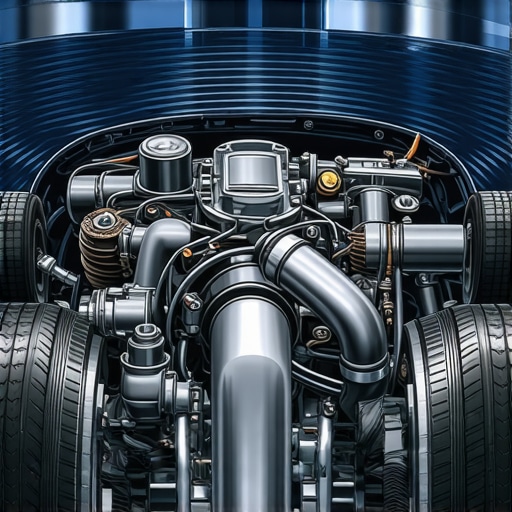
Ever been caught off guard by that unsettling shudder when you shift your car into reverse? One moment, you’re gently backing out of the driveway, and the next, your vehicle jolts as if it’s protesting. I remember the first time it happened to me; I thought it was just a rough day for my car or maybe an alignment issue. But as it persisted, I realized it was more than just a minor inconvenience — it was a warning sign that something needed attention.
Facing the Shudder: When Your Car Doesn’t Want to Reverse Smoothly
When you’re ready to park or back out, the last thing you want is a shaky, jerky start. That feeling isn’t just annoying; it could be an indicator of underlying problems with your transmission, drive train, or even your engine mounts. Trust me, ignoring it could lead to bigger, costlier repairs down the line.
Did you know that according to experts, a shuddering reverse can sometimes be linked to worn-out motor mounts or transmission fluid issues? Regular maintenance, like tune-ups, can make a significant difference. Not only do they enhance your car’s performance, but they also safeguard against unexpected breakdowns.
If you’ve ever grappled with this problem, you know how disruptive it can be to your daily routine. From parking hassles to mounting repair bills, it affects your peace of mind. But here’s the good news: with a few simple checks or professional adjustments, you can often resolve the shudder and restore that smooth, confident drive. And don’t worry — I’ll guide you through the common causes and practical solutions.
But before we dive into fixing things, I want to share a quick mistake I once made that actually made the problem worse. Early on, I tried to DIY my transmission fluid change without proper tools, which resulted in more shudders and noise. It taught me that some tasks, especially those involving crucial components, are best left to the pros. If you’re not sure where to start, consulting trusted sources like [GlassFixAuto’s comprehensive car service guides](https://glassfixauto.com/auto-repair-trends-to-watch-in-2025-staying-ahead-of-the-curve) can be a great first step.
Now that we’ve acknowledged that shuddering when shifting into reverse isn’t just a weird quirk — but a signal demanding attention — let’s explore what’s really happening under the hood and how you can address it effectively.
Check the Transmission Fluid Level and Condition
Start by locating your vehicle’s transmission dipstick—usually near the engine bay—pull it out, wipe it clean, and reinsert it to check fluid level and color. If the fluid is low or dark, it indicates wear or leaks. I once topped off my fluid without checking, which temporarily reduced the shudder but didn’t solve the root problem. Replenishing or replacing old transmission fluid with the correct type can restore smoother reverse movement. For precise guidance, consult your owner’s manual or visit [GlassFixAuto’s car service checklist](https://glassfixauto.com/car-service-checklist-how-to-keep-your-vehicle-in-top-shape).
Inspect and Replace Worn Drive Components
Next, examine your CV axles and driveshafts for any signs of damage or wear. These components transfer power to your wheels, and worn joints can cause shuddering. I once noticed a clicking noise before reversing and realized my CV joint was failing. Replacing these parts requires specific tools, so if you’re unsure, seek professional help. Visual inspections can be simplified by raising the vehicle and spinning the axles to detect any abnormal play or noise. An accurate diagnosis helps prevent further damage and ensures a smoother reverse experience.
Assess the Engine Mounts for Stability
Engine mounts cushion your engine and transmission; if they’re broken, vibrations become more noticeable during gear changes, especially reverse. To evaluate, with the engine idling, listen for excessive vibrations or look for visible cracks or deterioration in the mounts. I once observed my engine bouncing during reverse, prompting me to replace worn mounts, which eliminated the shudder. For detailed procedures, you can review guides on [auto repair trends for 2025](https://glassfixauto.com/auto-repair-trends-to-watch-in-2025-staying-ahead-of-the-curve).
Verify the Transmission Control System
Modern cars depend on sensors and computer modules to manage shifting. A malfunctioning sensor, like the speed sensor, can cause rough reverse engagement. Using a diagnostic scanner or a multimeter to test these sensors can identify faults. I tested my gear position sensor with a multimeter, found it out of spec, and replaced it, resulting in a much smoother reverse. Regularly updating your vehicle’s software and running diagnostic scans can prevent such issues from escalating. Learn more about troubleshooting common auto repair issues [here](https://glassfixauto.com/troubleshooting-common-auto-repair-issues-before-visiting-the-shop).
Schedule a Professional Tune-Up if Needed
If after performing these checks the shudder persists, a comprehensive tune-up might be necessary. A professional tune-up includes inspecting spark plugs, air filters, fuel injectors, and more—steps that restore optimal engine and transmission performance. My experience with a neglected tune-up was sluggish acceleration and rough shifting, which improved dramatically after a visit to the shop. Regular tune-ups, as recommended by experts, are vital for maintaining vehicle health and avoiding costly repairs down the road. For more tips on maximizing your car’s lifespan, visit [this guide](https://glassfixauto.com/maximize-your-cars-lifespan-with-expert-tune-up-strategies).When it comes to vehicle maintenance, many car owners believe they’ve got the basics down, but there are underlying nuances that often go unnoticed. One common misconception is that regular brake pad replacements alone address all brake issues. In reality, a comprehensive brake service involves inspecting rotors, calipers, brake lines, and brake fluid quality—neglecting these can lead to uneven wear or even brake failure. Many assume that once the brake pedal feels normal, the system is fine, but issues like internal fluid contamination or sticking calipers require professional assessment to prevent costly repairs.
Another frequent mistake is oversimplifying tune-ups as just replacing spark plugs and air filters. While these are components of a tune-up, advanced engine systems now rely heavily on sensors and adaptive components. A misdiagnosis or skipping a thorough diagnosis using diagnostic tools can cause you to miss issues affecting fuel efficiency and emissions. Regular tune-ups, when correctly performed, can improve your fuel economy and prolong engine life; learn more about this at [GlassFixAuto’s guide on how tune-ups enhance fuel efficiency](https://glassfixauto.com/how-regular-tune-ups-improve-fuel-efficiency-and-safety).
Many car owners overlook the importance of timing and scope in auto repairs. A small leak or worn belt might seem insignificant but can escalate into major problems if not caught early. For example, ignoring a serpentine belt crack can lead to your battery draining or your power steering failing unexpectedly. Being proactive by following a detailed service checklist minimizes these risks and can save money in the long run.
The myth that all service intervals are the same for every vehicle is also pervasive. Many rely solely on mileage or time intervals, but driving conditions—like frequent short trips versus highway cruising—affect how often maintenance should be scheduled. Tailoring maintenance to your driving habits ensures components like transmission fluid or coolant are replaced before they cause damage.
From my experience, one of the most insidious misconceptions is that auto repairs are always expensive and best left to the professionals. While it’s true that some repairs require specialized tools, understanding the basics can empower vehicle owners and prevent overcharging. For instance, simple tasks such as checking brake fluid levels or inspecting coolant hoses can be done at home with minimal tools and help identify issues early.
Now, considering advanced systems, a common mistake owners make is believing that newer cars are maintenance-free—nothing could be further from the truth. Modern vehicles incorporate complex computer systems and sensors that need specialized diagnostics. Failing to update software or ignoring warning lights can lead to unnoticed failures. Regular diagnostic scans can unearth hidden problems before they manifest as costly breakdowns. For in-depth guidance on preventive diagnostics, visit [GlassFixAuto’s auto repair trend insights](https://glassfixauto.com/auto-repair-trends-to-watch-in-2025-staying-ahead-of-the-curve).
And here’s a crucial tip: always opt for a trusted auto service provider. Trustworthy shops don’t just fix the problem—they educate you about it, demonstrating the true value of maintenance. Remember, neglecting nuanced issues can cause expensive repairs down the line or even compromise safety. Have you ever fallen into this trap? Let me know in the comments.Maintaining your vehicle’s optimal performance over the years requires more than just regular oil changes. It involves investing in the right tools, mastering key diagnostic methods, and adopting a proactive approach. As someone who’s been deep into auto repair for years, I can attest that certain equipment truly makes a difference in diagnosing issues early and ensuring long-term reliability.
Precision Diagnostics with an OBD-II Scanner
Using a high-quality OBD-II scanner has revolutionized how I maintain my car. Unlike basic code readers, advanced models like the BlueDriver provide detailed live data, real-time fault code descriptions, and even suggest potential fixes. I’ve personally relied on it to identify subtle sensor malfunctions that could lead to significant issues if left unchecked. Regular scans can reveal problems with your transmission control module, oxygen sensors, or coolant temperature sensors, which might otherwise slip under the radar until they cause more serious damage. This proactive approach aligns with expert advice from [auto repair trends for 2025](https://glassfixauto.com/auto-repair-trends-to-watch-in-2025-staying-ahead-of-the-curve), emphasizing diagnostics’ role in future auto maintenance.
Reliable Multimeter Skills for Electric Issues
Beyond diagnostic scans, a quality multimeter is indispensable for troubleshooting electrical concerns, such as sluggish engine starts or dead batteries. I recommend the Fluke 117 AC/DC Digital Multimeter; its true RMS measurement ensures accuracy even in complex circuits. Learning to test relayed circuits or confirm sensor voltage outputs can save you money and time. For instance, testing the ABS sensor wiring with a multimeter, as outlined in [how-to guides](https://glassfixauto.com/how-to-test-a-relayed-circuit-with-a-simple-multimeter), helps pinpoint issues before they trigger warning lights or affect braking performance.
Maintaining Tire and Brake Systems Effectively
Tools like torque wrenches and brake caliper piston compressors are essential for ensuring correct installation and maintenance. Using a calibrated torque wrench prevents over-tightening the lug nuts, which could cause warping or damage. Similarly, a brake caliper piston compressor helps in replacing pads without damaging the caliper assembly. Regularly inspecting and maintaining these components with proper tools extends their lifespan and keeps your vehicle safe. Since brake issues are among the most hazardous, understanding proper maintenance is key—learn more from [brake service myths](https://glassfixauto.com/brake-service-myths-what-you-need-to-know-before-your-next-stop).
Future Trends in Car Maintenance Technology
Looking ahead, I believe the integration of AI-driven diagnostics and wireless sensor data will make vehicle upkeep more automated and precise. Companies are developing systems that monitor wearable components in real-time and flag potential failures before symptoms arise. This evolution will make vehicle care more about prevention than repair, ultimately saving costs and reducing downtime. To stay ahead, embracing smart diagnostic tools and continuous learning about emerging tech is vital.
How do I keep my auto repairs lasting? Explore the best practices by consistently updating your diagnostic tools and learning new maintenance techniques. Starting with an advanced OBD-II scanner or mastering multimeter troubleshooting can significantly impact your vehicle’s longevity. And don’t forget to regularly check critical systems like brakes and tires using the proper equipment to maintain safety and performance. For more insights, visit [auto repair tips](https://glassfixauto.com/tune-up-your-car-for-peak-performance-essential-maintenance-tips). Give one of these tools a try today, and experience the difference quality maintenance makes! 
3 Unexpected Lessons That Changed How I Approach Auto Care
One of the most valuable lessons I learned was that not all warning signs are obvious; sometimes, a subtle vibration or a faint squeak hints at a bigger issue. Listening closely and trusting those small cues can prevent costly repairs. I also discovered that regular maintenance is less about adhering to a schedule and more about understanding your car’s unique needs—like how different driving habits impact component wear. Finally, I realized that investing in quality tools, like a reliable multimeter or an advanced OBD-II scanner, empowers me to diagnose problems early, saving both time and money. These insights transformed my approach from reactive to proactive, ensuring my vehicle stays reliable and safe.
Tools and Resources That Keep Me Ahead of the Curve
My top recommendation is the BlueDriver OBD-II scanner—its detailed diagnostics are unmatched and help me catch issues before they escalate. I also swear by the Fluke 117 multimeter; it offers precision needed to troubleshoot electrical problems effectively. For comprehensive guides, [GlassFixAuto’s auto repair trends](https://glassfixauto.com/auto-repair-trends-to-watch-in-2025-staying-ahead-of-the-curve) provide insights into upcoming advancements that are shaping vehicle maintenance. Lastly, the [car service checklist](https://glassfixauto.com/car-service-checklist-how-to-keep-your-vehicle-in-top-shape) has become my go-to resource for routine inspections, ensuring I don’t overlook critical components.
Keep Pushing Forward with Confidence
Your journey into mastering auto repair and maintenance is just beginning. Remember, the more you learn and invest in the right tools, the more empowered you’ll feel when facing potential issues. With consistent effort and curiosity, you’ll be able to extend your vehicle’s lifespan and enjoy a safer, more reliable ride. Don’t hesitate to take that first step—your car and your wallet will thank you. What’s one auto maintenance task you’ve been hesitant to try, but you’re ready to tackle now? Share your thoughts below!