
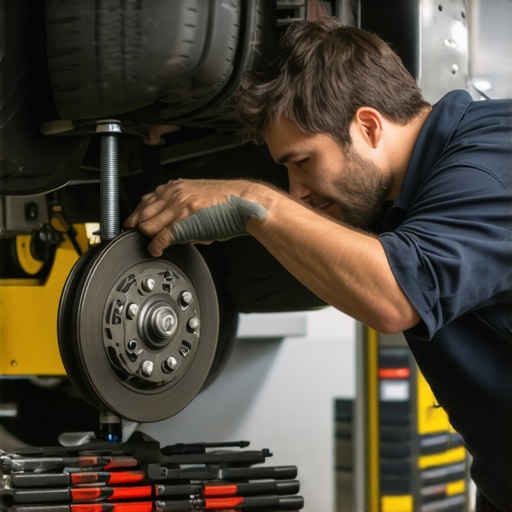
Ever been caught off guard on a rainy night, only to hear that unsettling squeal from your brakes? I remember my first scare—my heart pounding as I realized I might be facing costly repairs or worse, a safety hazard. That lightbulb moment hit me hard: I’d neglected simple, proactive brake maintenance, and it nearly cost me dearly. Now, I’m here to share what I wish I knew then: how proper brake care and auto tune-ups can save your life and your wallet.
Why Paying Attention to Your Brakes Is a Must
Brakes are the unsung heroes of safe driving. They’re also one of the most overlooked components until something goes wrong. Regular brake service isn’t just about avoiding squeals or vibrations; it’s about ensuring your vehicle responds perfectly when you need it most. According to a recent study, effective brake maintenance can reduce accident risks by up to 75%. That’s not just a statistic; it’s a life you could be protecting.
Have you ever ignored that squealing noise, thinking it’s just a minor annoyance? If so, you’re not alone. But that small sound could be telling you that your brake pads are worn out or that there’s a bigger issue lurking. Trust me—early detection and proper maintenance are your best friends on the road.
When I was new to auto repair, I made the mistake of dismissing that squeal. I thought I could wait a little longer. But neglecting those signs led to a costly brake replacement and a lesson I won’t forget. Now, I always check my brakes regularly and follow expert tips to keep them in top shape. If you want to build lasting trust in your vehicle’s safety, starting with your brakes is the way to go. For a comprehensive approach, check out trusted brake service tips that can help you stay ahead of trouble.
In this post, I’ll guide you through essential auto repair tips that will ensure your brakes last longer, perform better, and keep you safe on every journey. Ready to become your own car’s best caretaker? Let’s get started.
Inspect Your Brake Pads Regularly to Prevent Surprises
My first experience with brake failure was a shock—squealing loudly and losing stopping power. That incident taught me that inspecting brake pads every 10,000 miles can save you from costly repairs. To do this, lift your vehicle safely and check the thickness of the pads; if they’re less than 3mm, it’s time for replacement. Remember, worn brake pads are like worn-out shoes—they lose grip and cause damage if ignored. For detailed guidance, visit trusted brake service tips.
Learn How to Bleed Your Brakes for Consistent Performance
Once, I had a brake fluid leak that caused spongy brakes. I learned that bleeding the brakes removes air from the system, restoring proper pressure. To do this, start at the furthest wheel from the master cylinder, attach a clear tube to the bleed screw, and pump the brake pedal until clear fluid flows without bubbles. This process ensures your brake system responds instantly when needed. For step-by-step instructions, check out effective brake service guidelines.
Replace Brake Rotors When They Show Signs of Wear
During a routine check, I noticed my rotors had deep grooves and a wobble when spinning. Rotors are like the brake’s foundation—if they’re warped or scored, stopping becomes unpredictable. To replace them, remove the wheels, unbolt the old rotors, and ensure the new ones are properly aligned and torqued. This maintains even brake pad contact and prevents vibrations. For tips on choosing quality rotors, visit auto repair tune-up tips.
Upgrade Your Brake Fluid for Better Safety
I once ignored changing my brake fluid until I noticed a slight delay in braking response. Upgrading to high-quality brake fluid, like DOT 4 or DOT 5.1, improves boiling point and reduces moisture absorption. To do this, drain and refill the system, then bleed the brakes thoroughly. This simple step can make your brakes more reliable under heavy use. For more detailed fluid upgrade strategies, see trusted brake maintenance tips.
Keep Your Brake System Clean and Free of Debris
Cleaning brake components regularly prevents dust, dirt, and rust buildup, which can impair performance. Use a brake cleaner spray and a soft brush to remove grime from calipers and rotors. I once neglected this, leading to uneven wear, but after a thorough cleaning, my brakes responded more smoothly. Incorporate cleaning into your routine to extend the lifespan of your brake parts. For expert cleaning tips, visit expert auto repair tips.
Schedule Professional Tune-Ups for Long-Term Safety
While DIY checks are vital, professional tune-ups ensure your entire brake system and vehicle are in top condition. Mechanics can detect hidden issues like warped rotors or worn-out calipers before they become dangerous. I’ve found that annual service, including brake inspection and fluid replacement, keeps my vehicle safe and reliable. Learn more about comprehensive auto tune-up strategies at auto repair tune-up tips.
While many drivers believe that simply noticing squealing brakes or a spongy pedal is enough to prompt maintenance, the real nuances of brake care are often overlooked. Let’s dig deeper into what most people get wrong about brake maintenance and how these misconceptions can lead to costly mistakes or safety hazards.
Why Relying on Brake Noise Is a Dangerous Trap
One of the most common myths is that brake noise always signals the need for immediate replacement. In reality, a squeal can sometimes indicate a worn-out brake pad wear indicator, which is designed to alert you early before damage occurs. But other times, noise may stem from dust, rust, or misaligned calipers, which are minor issues that can be resolved with cleaning or realignment. Believing that noise equals urgent danger often leads to unnecessary repairs or neglect of more pressing issues. For nuanced insights, check out trusted brake service tips.
Common Mistake: Waiting Too Long to Service Brake Components
Many drivers assume that if brakes aren’t squealing, they’re okay. However, brake pads can wear unevenly, and rotors can develop subtle warping or scoring that isn’t immediately visible. Relying solely on visual cues or sounds can be misleading. An advanced mistake is ignoring the importance of regular, comprehensive inspections—especially for high-mileage vehicles. This oversight can lead to rotor warping, caliper sticking, or even brake fluid leaks that compromise safety. Regular check-ups, as recommended in auto-tune-up guides, help detect these issues early.
Make Yourself Visible: The Hidden Effect of Brake System Contamination
Another nuanced point is the contamination of brake fluid and pads with oil, grease, or brake dust. These contaminants can significantly impair braking efficiency without obvious signs. Many overlook the importance of using quality brake fluid, as even a small amount of moisture absorption reduces boiling points, leading to fade under heavy braking. An advanced mistake is neglecting to bleed the system regularly or using subpar fluids, which can lead to safety risks. Upgrading to high-quality brake fluid, like DOT 4 or DOT 5.1, and following proper bleeding procedures, as outlined in brake service guidelines, is crucial for reliability.
Have you ever fallen into this trap? Let me know in the comments. The key to long-lasting, safe brakes isn’t just reacting to obvious problems but understanding these subtle nuances that can make all the difference in your vehicle’s performance and your safety on the road.
Keeping your brake system in top shape over time requires more than just routine inspections; it demands investing in the right tools and adopting proven methods that ensure durability and safety. As automotive technology advances, so do the tools that make maintenance more efficient and reliable. Today, I’ll share the exact equipment I personally recommend, along with techniques that help extend the lifespan of your brakes and prevent costly repairs.
Choosing the Right Equipment for Brake Maintenance
For any serious auto enthusiast or professional mechanic, a high-quality brake caliper piston press is indispensable. I personally rely on a C-clamp-style piston tool because it provides precise pressure control, reducing the risk of damaging sensitive components. When replacing brake pads or rotors, using a brake caliper piston tool ensures even retraction, which is critical for proper seating of new parts and optimal performance.
Another must-have is a digital brake fluid tester. I use this device regularly to monitor moisture levels in the fluid—an often-overlooked aspect of brake health. Moisture can lead to boiling, fade, and eventual system failure, especially under heavy braking. Testing with a reliable device like the digital brake fluid tester helps me decide when a flush is needed before problems escalate.
Manual Techniques That Make a Difference
While tools are vital, mastering proper techniques is equally important. One method I swear by is the bleeding process. I prefer the pressure brake bleeding kit, which uses a hand-held pump to apply consistent pressure, ensuring no air pockets remain. This technique not only saves time but guarantees a more reliable brake pedal feel. According to technical documentation from Brembo, maintaining a steady pressure during bleeding is crucial for system integrity (source).
Additionally, I always inspect rotor surface finish with a precision micrometer. A surface roughness greater than 60 microinches can lead to uneven wear and vibrations. Using a micrometer helps me catch subtle imperfections early, so I can either resurface or replace rotors before they cause more damage.
Where Do I See This Trend Going?
As vehicle electronics integrate more with brake systems, future maintenance tools will likely include advanced diagnostic software that can predict failures before they happen. AI-driven sensors could monitor wear patterns in real-time, alerting drivers via their smartphones. Staying ahead in this field means investing in smart diagnostic tools now—like OBD-II scanners with brake system modules—and updating your skills accordingly.
How do I maintain brake tools over time?
Proper storage and calibration are key. I keep my tools in a dedicated toolbox, avoiding moisture and extreme temperatures that can degrade precision instruments. Regular calibration of devices like micrometers and pressure testers ensures consistent accuracy. For ongoing reliability, I also follow manufacturer guidelines and periodically replace worn-out parts of my tools, which prevents inaccuracies and prolongs their lifespan.
Ready to upgrade your maintenance routine? I highly recommend trying out a professional-grade brake fluid tester to detect moisture levels early. Combining the right equipment with solid techniques will keep your brakes working flawlessly for years to come, helping you avoid surprises on the road and ensuring your safety.
The Hardest Lesson I Learned About Brake Care
One of the most impactful lessons I learned was that ignoring subtle signs like minor squeals or vibrations can lead to dangerous situations. Early on, I dismissed these as minor annoyances, but they often indicated deeper issues that, if caught early, could save lives and money. Now, I pay close attention to every sound and feel in my brakes, understanding that good maintenance isn’t just preventative; it’s lifesaving.
My Top Tools for Mastering Brake Safety
Investing in quality tools like a digital brake fluid tester and a brake caliper piston tool changed how I approach maintenance. These tools give me confidence that each repair or check is thorough and reliable, helping me avoid costly mistakes and ensuring my vehicle performs optimally when I need it most.
Trust Your Instincts and Learn to Read Your Vehicle
Over time, I realized that developing a keen sense for my car’s behavior—listening to new sounds, feeling for unexpected vibrations—can be a game-changer. Your vehicle communicates with you; it’s just a matter of learning how to interpret those signals. Building this sensitivity makes you a better driver and a more responsible car owner, ultimately keeping you safer on every trip.