

It was a morning like any other, slipping behind the wheel, ready to tackle errands, when I suddenly noticed it—an annoyingly loud humming noise coming from my tires. At first, I thought it was just the road, but as I picked up speed, the hum intensified, turning into a steady drone that made my driving experience less enjoyable and more stressful. That moment of irritation led me down a rabbit hole of auto repair confusion, realizing many drivers face the same unsettling issue without knowing its cause or how to fix it.
Decoding the Hum: Why Do Tires Make That Guessing Sound?
Have you ever wondered why your tires seem to hum louder as you speed up? It’s more common than you might think and often signals underlying problems with your wheel balance, alignment, or even the tread itself. I learned early on that ignoring these sounds can lead to more serious, costly issues—like uneven tire wear or even suspension damage. The good news? You don’t have to be a mechanic to address this problem. With a little knowledge and regular maintenance, you can stop that relentless hum before it turns into a full-blown breakdown. For further insights, check out [this guide on troubleshooting common auto repair issues](https://glassfixauto.com/troubleshooting-common-auto-repair-issues-before-visiting-the-shop).
Is Tire Noise Actually Worth the Hype? That Constant Hum
One mistake I made initially was dismissing the noise as normal or simply an aesthetic issue—something I believed would resolve on its own. Turns out, that was a costly misconception. Studies show that consistent tire noise can be a warning sign of uneven wear, which, if left unchecked, can impact your safety and fuel efficiency. So, the next time your car seems to drum a little louder every mile, don’t brush it off. Instead, treat it as a call to action—an early warning that your vehicle needs some attention. Understanding what’s happening under your wheels is key to preventing bigger problems down the road, and I’ll guide you through the steps to diagnose and fix this common annoyance, restoring peace and quiet to your drive.
Inspect Your Tires for Uneven Wear and Damage
Start by examining your tires closely. Look for balding patches, bulges, or cuts that could cause abnormal noise. During my first attempt, I used a tire tread depth gauge and discovered uneven wear patterns, indicating misalignment or imbalance. If you notice issues, address them promptly to prevent further damage.
Check Tire Pressure Regularly
Maintaining proper tire pressure is vital. Use a reliable pressure gauge to compare your tires’ PSI against recommended levels—found in your owner’s manual or on a sticker inside the driver’s door. I learned this the hard way after a cold morning; low pressure increased the humming noise and decreased fuel efficiency. Adjust pressure accordingly, especially as temperatures fluctuate.
Balance Your Wheels to Eliminate Vibration
Wheel imbalance can create a humming sound and vibrations. Have your wheels balanced by a professional or DIY using a wheel balancer if you have experience. I once attempted balancing my wheels at home; it was messy but effective, and the noise reduced immediately. Proper balancing ensures your tires roll smoothly, extending their lifespan.
Align Your Vehicle to Correct Steering and Tire Issues
Misalignment causes uneven tire wear and noise. Schedule a professional alignment using specialized equipment. When I experienced pulling to one side along with increased hum, a quick alignment fixed both issues instantly. Regular alignment checks save money on tire replacements and improve driving safety.
Replace Worn or Damaged Tires and Components
If inspections reveal worn treads or damage, replacing tires is essential. Additionally, inspect the suspension and wheel bearings for wear—these can cause noise similar to tire issues. I replaced a worn tire and had my suspension checked simultaneously, which drastically quieted my ride.
Maintain Regular Auto Service Checks
Consistent maintenance prevents small problems from escalating. Schedule services like brake checks, oil changes, and tire rotations as outlined in this checklist. I set reminders and found my car ran quieter and more efficiently, avoiding costly repairs.
Address Noise with Professional Diagnostics
If you cannot identify the cause of the hum, consult a mechanic. They can run diagnostics, check for issues like worn wheel bearings or faulty brakes. I once ignored persistent noise until a mechanic diagnosed a failing bearing, saving me from a roadside breakdown.
While many drivers believe that sticking to a basic oil change keeps their vehicle in top shape, the reality is far more nuanced. One widespread myth is that a simple tune-up is only necessary when there’s noticeable performance issues. In truth, regular tune-ups—aligned with expert strategies—prevent small problems from escalating and extend your car’s lifespan, as detailed in our comprehensive guide on [maximizing your car’s longevity with expert tune-up techniques](https://glassfixauto.com/maximize-your-cars-lifespan-with-expert-tune-up-strategies). Another common misconception revolves around brake service; many assume that replacing brake pads is always enough. However, neglecting underlying issues like worn rotors or faulty calipers can lead to costly repairs and safety risks. For insights on avoiding these pitfalls, see [what you need to know before your next brake service](https://glassfixauto.com/brake-service-myths-what-you-need-to-know-before-your-next-stop). A critical nuance often overlooked is the timing of regular service appointments. Some owners delay scheduling maintenance until there’s an obvious problem, but this reactive approach can cause unnecessary wear and tear. Instead, proactive scheduling based on vehicle manufacturer recommendations ensures optimal performance, as explained in [the ultimate car service scheduling guide](https://glassfixauto.com/the-ultimate-car-service-guide-when-and-why-to-schedule-maintenance). Many drivers also underestimate the importance of diagnosing auto repair issues early. A persistent squeal or vibration, if dismissed, can lead to severe damage, such as a failing wheel bearing or worn-out suspension components. Recognizing these signs early and consulting experts can save significant money and time. The tricky part is that most drivers don’t have the diagnostic tools or knowledge to identify the problem correctly, which is why consulting a trusted mechanic is always advisable. Have you ever fallen into this trap? Let me know in the comments. Remember, understanding the subtle nuances of auto maintenance not only saves you money but also keeps you safe on the road.Maintaining your vehicle’s performance over time requires not only knowledge but also the right tools. I’m a strong believer in investing in quality equipment that will last and serve your needs effectively. One essential tool I recommend is a digital Multimeter. It allows me to accurately diagnose electrical issues, such as checking battery voltage or testing fuses, which can save hours of troubleshooting. I personally prefer a multimeter with auto-ranging capabilities and a True RMS feature because it provides precise readings even with fluctuating signals, making diagnostics more reliable.
Why a Torque Wrench Is Non-Negotiable for Proper Maintenance
Ensuring bolts and nuts are tightened to factory specifications is crucial, especially during tire rotations or brake servicing. I use a digital torque wrench with a memory feature so I can set specific torque values for different car components. This prevents over-tightening that could damage parts or under-tightening that compromises safety. Investing in a quality torque wrench has paid off by extending the lifespan of critical components and maintaining optimal performance.
Embracing Software for Diagnostic Accuracy
Modern vehicles are increasingly dependent on electronic control units (ECUs). I utilize professional-grade OBD-II scanners that connect to a laptop or smartphone app. These devices give me comprehensive fault code reports, live data streams, and system freeze frames. I personally favor a scanner that supports bidirectional control, enabling me to run actuator tests directly from my device. This helps catch issues early and avoids unnecessary repairs.
Trend Prediction: Automated Maintenance Continues to Grow
Looking ahead, the integration of AI and machine learning with diagnostic tools promises smarter maintenance solutions. Imagine systems that alert you proactively about potential issues before symptoms manifest. As these technologies evolve, DIY enthusiasts and professional mechanics alike will benefit from more intuitive, cost-effective tools that simplify complex diagnostics and maintenance tasks. Staying informed about these advancements can give you a significant edge in vehicle care.
How do I maintain my tools over time? Improve longevity and accuracy by cleaning electronic contacts regularly, storing them in a dry environment, and calibrating precision instruments as recommended by manufacturers. Regular calibration ensures your tools deliver accurate readings, which is vital when performing critical tasks like brake service or timing adjustments. Proper maintenance of your equipment directly translates into better vehicle performance and safety.
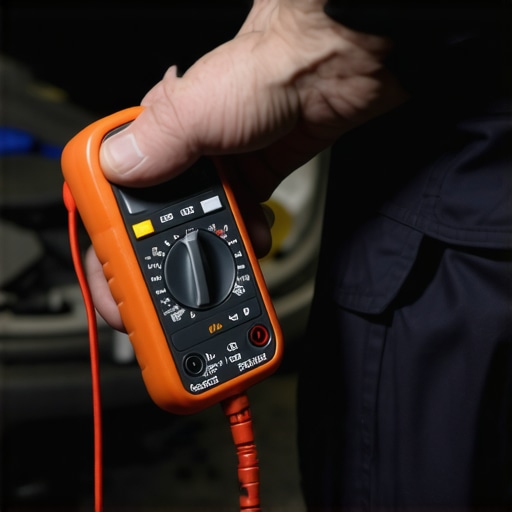 For example, calibrating a digital multimeter with a known voltage source ensures your measurements remain trustworthy. Remember, equipment precision is as important as the mechanics themselves—don’t overlook it. If you’re eager to improve your diagnostic skills further, I recommend trying out a bidirectional OBD-II scanner with a dedicated software package. It’s a game-changer for early detection and effective repairs. For professional advice on choosing the best tools, consider consulting experts at trusted auto repair shops or referencing detailed technical documentation like the [SAE J2534 standard](https://www.sae.org/standards/content/j2534/), which outlines procedures for vehicle communication interfaces.
Lessons From the Road: What My Tire Hum Had to Teach Me
One of the most impactful lessons I learned was that listening to your vehicle’s sounds can be a powerful diagnostic tool. Ignoring that constant hum might seem harmless, but it can hide underlying issues that, if left unchecked, could lead to costly repairs or safety risks. I realized that regular attention to such cues not only extends the lifespan of my tires but also keeps my journey smooth and safe.
Another insight was the value of proactive maintenance. Waiting until a strange noise becomes unbearable often results in emergency repairs. Scheduling routine checks for wheel balance, alignment, and tire condition proved to be a simple step that prevented many headaches. This approach transformed my perspective on auto care from reactive to preventive, truly saving both money and peace of mind.
Lastly, I discovered that educating myself about vehicle nuances empowers me. Understanding the signs of uneven wear or imbalance means I can address issues early, avoiding inconvenience and danger. Trusting expert resources and tools enhances this knowledge, making me confident that every mile I drive is safer and more efficient.
Tools and Resources That Make a Difference
My go-to toolkit includes a reliable digital tire pressure gauge, which ensures proper inflation—crucial for smooth operation and noise reduction. I also rely on a wheel balancing kit I can use at home, though professional calibration is always recommended for accuracy. For in-depth guidance, I highly recommend [the comprehensive auto repair troubleshooting guide](https://glassfixauto.com/troubleshooting-common-auto-repair-issues-before-visiting-the-shop), which has saved me from unnecessary visits and expenses.
Reading materials like [maximizing your car’s lifespan with expert tune-up strategies](https://glassfixauto.com/maximize-your-cars-lifespan-with-expert-tune-up-strategies) broaden my understanding and help me stay ahead of issues. Lastly, establishing a relationship with a trusted mechanic enables me to seek advice and diagnostics when self-assessment isn’t enough. These tools and resources have elevated my auto care from guesswork to confident precision.
Your Turn to Accelerate Confidence
The journey toward hassle-free driving begins with paying attention to your vehicle’s whispers and investing in the right tools. Don’t wait for that hum to grow into a costly problem—proactive care makes all the difference. Remember, understanding your car’s signals empowers you to maintain safety, efficiency, and peace of mind on every trip. Keep learning, stay curious, and your vehicle will thank you.