
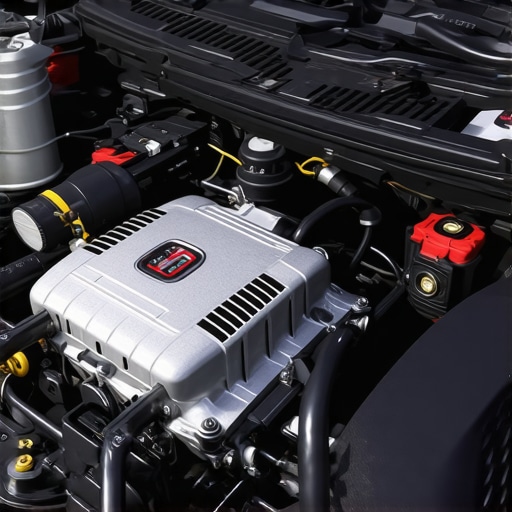
It was another Monday morning, and as I reached into my car to start my day, the engine hesitated just a moment too long. Then, the dashboard lights flickered, and I felt that uncomfortable sinking feeling in my gut—was my car on its last legs? If you’ve ever experienced your vehicle acting up out of nowhere, you know how disruptive and stressful it can be. More often than not, we suspect a dead battery, but what if the real culprit is the alternator slowly giving up?
Why Catching a Failing Alternator Matters More Than You Think
The alternator is the unsung hero of your car’s electrical system. It keeps your battery charged and powers all the electronic components while you’re driving. When it starts to fail, your battery gets overworked, leading to a cascade of issues—strange electrical behaviors, dimming headlights, or even unexpected stalling. The sad truth is that many drivers don’t recognize the warning signs early enough, often ending up stranded or facing costly repairs.
In my early days as a DIY enthusiast, I made the mistake of assuming a dead battery was to blame whenever my car acted sluggish. Turns out, I was overlooking clues that pointed to my alternator’s decline. According to a study by the Car Care Council, a failing alternator can cause complete electrical failure if left unchecked, which is a risk no driver should ignore. Recognizing the signs early can save you the headache and expense of a breakdown—and keep your vehicle running smoothly.
If this scenario sounds familiar, you’re not alone. Many car owners only discover their alternator is dying when it’s already too late, often when the engine won’t start or the vehicle stalls unexpectedly. That’s why today, I want to share practical tips and insights to help you identify the early warning signs of a failing alternator—before your battery gives out and leaves you stranded. Ready to become your own car’s detective? Let’s dive into how you can tell if your alternator is on its way out.
Test Your Battery First to Rule Out Simple Issues
Before diving into complex diagnostics, start with a basic test of your battery using a multimeter. Set the device to DC volts and measure the voltage across the terminals with the engine off; a healthy battery should read around 12.6 volts. If it’s significantly lower, your battery might be the culprit, and replacing or charging it could resolve the problem without further steps.
Inspect Your Alternator Using a Voltmeter
Next, start your engine and re-measure the voltage. It should be between 13.8 and 14.4 volts, indicating the alternator is charging properly. If the reading is below this range, your alternator may be failing. For a more accurate assessment, you can perform a load test by turning on headlights and accessories; the voltage should remain steady. Fluctuations or drops suggest that the alternator isn’t maintaining the charge, and replacement might be necessary.
Check the Alternator Drive Belt for Wear and Proper Tension
The alternator relies on a belt to rotate the pulley. Examine the belt for cracks, fraying, or glazing—these signs point to wear that could impair alternator function. Ensure the belt has proper tension; if it’s loose, the alternator won’t spin effectively. In my experience, replacing a worn belt corrects the issue immediately and prevents future alternator problems.
How to Replace a Worn Drive Belt
If you find the belt is damaged or loose, loosen the tensioner pulley and remove the old belt carefully. Replace it with a new one of the correct size and adjust the tension so it’s tight enough not to slip but not so tight as to strain the alternator bearings. You can find detailed step-by-step guides at this link.
Assess the Alternator Connections for Corrosion or Damage
With the engine off, visually inspect the wiring leading to your alternator. Look for corroded or loose terminals, damaged wires, or melted insulation. Clean any corrosion with a wire brush and ensure all connections are secure. A poor connection can mimic alternator failure, so this step can often fix intermittent charging issues without replacing parts.
Perform a Bench Test or Seek Professional Help
If you’ve completed these steps and still suspect an alternator problem, consider removing it for a bench test at an auto parts store or mechanic shop. They can test the alternator’s output under load, confirming whether it needs replacement. For a comprehensive understanding of how regular tune-ups can prevent such issues, check this resource.
When it comes to vehicle care, many car owners operate under common myths that can lead to costly mistakes. One pervasive misconception is that a simple oil change or brake pad replacement suffices for optimal performance. In reality, modern autos demand a comprehensive maintenance approach that considers advanced systems like sensors and computer modules. Overlooking these can result in premature component failure and diminished safety.
Are We Overlooking the Subtle Signs of System Interplay?
Many believe that addressing individual issues—like replacing a brake pad—solves the problem entirely. However, vehicle systems are deeply interconnected; a worn suspension can accelerate brake wear, and improper alignment affects tire lifespan. According to a study published in the Journal of Automobile Engineering, neglecting system interactions significantly increases repair costs over a vehicle’s lifespan. Therefore, a holistic diagnostic approach is vital, rather than isolated fixes.
Another common myth is that high-mileage or age-related maintenance is unnecessary if the vehicle appears to run fine. This assumption can be a trap, as small, overlooked issues can cascade into major failures. For example, ignoring early signs of coolant leaks might lead to engine overheating, causing severe damage. Regular, proactive diagnostics—like inspecting the cooling system or checking fluid quality—are essential. For detailed strategies on maximizing your car’s lifespan, consider visiting this resource.
Many drivers also fall prey to the myth that more expensive parts always guarantee longer-lasting repairs. While quality parts are important, their longevity depends on proper installation and system compatibility. Choosing the right component for your specific vehicle model and maintaining proper maintenance schedules can be more impactful than cost alone. For example, a high-quality brake rotor installed without proper bedding can wear out prematurely, undermining the investment.
Furthermore, understanding the nuances of auto service can prevent you from falling into the ‘trap of quick fixes.’ For example, replacing a failed alternator without checking the belt tension, wiring integrity, or charging system diagnostics might only yield temporary results. Investing in comprehensive diagnostics and trusting experts who understand the complex interactions within your vehicle ensures longer-lasting repairs and safety.
For those who want to stay ahead of potential issues, keeping an eye on emerging auto repair trends is beneficial. Read about auto repair trends to watch in 2025 to ensure your vehicle remains reliable and efficient in the years to come. Remember, proactive maintenance isn’t just about fixing what’s broken but about preventing breakdowns before they happen. Have you ever fallen into this trap? Let me know in the comments.Maintaining your vehicle efficiently requires more than just basic knowledge; it demands reliable tools and methods tailored for precise diagnostics and effective repairs. As an experienced DIY enthusiast and auto mechanic, I rely on specific equipment that ensures safety, accuracy, and long-term performance. One essential tool I never leave home without is a high-quality digital multimeter. Unlike cheap analog testers, a premium multimeter provides digital readouts with high accuracy—vital for testing batteries, alternators, and wiring. I personally prefer models like the Fluke 115, which offers true RMS readings and a robust build, giving me confidence during troubleshooting sessions. For example, when checking the alternator’s output, I measure voltage across the battery terminals with the engine running; a stable 13.8 to 14.4 volts indicates proper charging.
3 Unexpected Insights From My Auto Repair Journey That Changed How I Approach Car Maintenance
Over the years, I’ve learned that one-size-fits-all advice often falls short in real-world car care. One lesson that stands out is the importance of trust—trusting your intuition when a warning sign appears, even if it doesn’t match textbook symptoms. I’ve seen firsthand that consistently inspecting your vehicle beyond surface issues—like checking wiring connections, belts, and grounding—can prevent major breakdowns. Lastly, embracing the mindset that proactive, regular diagnostics can save money and extend your vehicle’s lifespan is a game-changer I wish more owners knew early on.
Tools and Resources That Elevate Auto Maintenance
My go-to resource is the comprehensive guide on how regular tune-ups enhance your car’s efficiency and safety. It’s packed with actionable tips that demystify complex repairs. For diagnostic tools, I swear by a high-quality multimeter; my personal favorite is the Fluke 115, which offers precision that saves me guesswork during troubleshooting. Additionally, connecting with trusted brands like auto maintenance strategies ensures I stay ahead of wear and tear—making my repairs more effective and less costly. These resources have truly heightened my confidence behind the wheel.
Time to Take Charge of Your Vehicle’s Future
Remember, your car’s health is a reflection of your vigilance and care. Learning to recognize early warning signs and arming yourself with reliable tools can dramatically reduce stress and costs down the road. Every journey becomes safer and more enjoyable when you’re proactive rather than reactive. So, why not start today? Your vehicle will thank you for it and keep you moving smoothly for miles to come.
Have you ever caught a potential issue early that others might overlook? Share your experience below and help others drive smarter!
,