
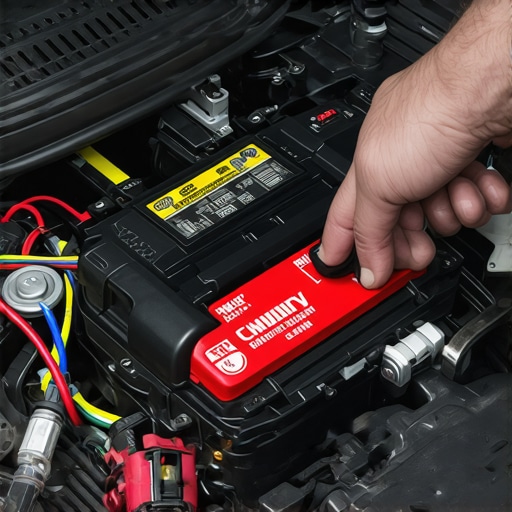
Ever been in a rush, arms full of groceries or backpacks, fumbling to start your car, only to be met with that frustrating clicking sound? I remember the first time it happened to me—my heart sank, thinking I was about to face a hefty repair bill. It’s a helpless feeling, like your car is mocking you when you just want to get on with your day.
Decoding That Persistent Clicking When You Turn the Key
That relentless clicking isn’t just noise—it’s your car’s way of telling you something’s wrong beneath the hood. Early on, I learned that this sound often signals a problem with the electrical system or the starter itself. But here’s the thing: it can also be caused by something as simple as a weak battery. And trust me, misdiagnosing is all too easy if you jump to conclusions too fast.
Will This Issue Fix Itself or Cost a Fortune?
Many folks worry that a clicking symptom signals major damage, but sometimes, a fresh battery or a quick connection fix can solve the problem rapidly. I’ve been there—replacing parts prematurely and wasting money. That’s why I urge you to diagnose the cause before heading to the repair shop. As I learned early in my auto adventures, understanding the root cause can save you time and money.
Skeptical About DIY Fixes?
It’s natural to feel unsure—I’ve been in your shoes, doubting whether a quick fix is safe or if only a professional can help. Rest assured, many clicking issues stem from simple issues like loose connections or corroded terminals. Just remember, doing some homework and checking the battery terminals regularly can make all the difference. For detailed tips on handling battery care, check out this guide on cleaning battery terminals.
So, have you experienced that unsettling click when starting your car? If so, don’t worry—help is on the way. In the sections ahead, we’ll dive into practical steps to diagnose and fix this common yet fixable problem, saving you both time and money.
Let’s get your car back to purring smoothly and keep that frustrating sound from ruining your day again.
Test the Battery First
Begin by assessing your car’s battery, as weak or dead batteries are the most common culprits behind that clicking noise. I recall a time when my car wouldn’t start, and after using a multimeter, I discovered the battery voltage was just below the ideal level. Replacing or recharging the battery immediately resolved the issue. To do this, turn off all accessories, then use a multimeter across the terminals to check voltage; a healthy battery should read around 12.6 volts. If it’s lower, consider jump-starting your car or replacing the battery. You can find detailed charging and testing guides here.”},While many car owners believe they understand the basics of auto maintenance, a few nuanced misconceptions often lead to unnecessary repairs or overlooked issues. One widespread myth is that all auto repairs are equal in urgency; in reality, not every symptom warrants immediate attention, and misjudging this can lead to costly outcomes. For example, some assume that a squeaking brake pad always indicates the need for replacement, but often, it may simply be due to dirt or debris that can be cleaned without replacing parts. This misconception can push owners to spend more than necessary, when less invasive solutions might suffice.
Another common mistake is neglecting regular tune-ups, with many believing they are only essential for old or poorly maintained cars. However, regular tune-ups, such as spark plug replacements and fuel system cleaning, proactively address minor issues, improving fuel efficiency and preventing breakdowns. For advanced drivers, the misconception that “if it runs, it’s fine” can be dangerous; subtle signs like unusual vibrations or slight decreases in performance could signal early-stage problems that benefit from early intervention. Exploring these nuances can save money and extend your vehicle’s lifespan.
A critical area often misunderstood is brake service. Many think that brake pads need replacing only when they are completely worn out. In fact, regular inspections can reveal uneven wear or fading that indicates issues with rotors or calipers, which, if ignored, can compromise safety. To navigate this complexity, consult detailed guides like auto-repair trends and take advantage of expert service checklists.
Have you ever fallen into this trap of misconceptions? Let me know in the comments. The key takeaway is that understanding the hidden nuances—like how regular tune-ups and precise brake inspections can prevent bigger problems—can significantly enhance your car’s performance and safety. Don’t just follow myths; get informed and stay ahead of potential issues.
Investing in the Right Equipment Makes All the Difference
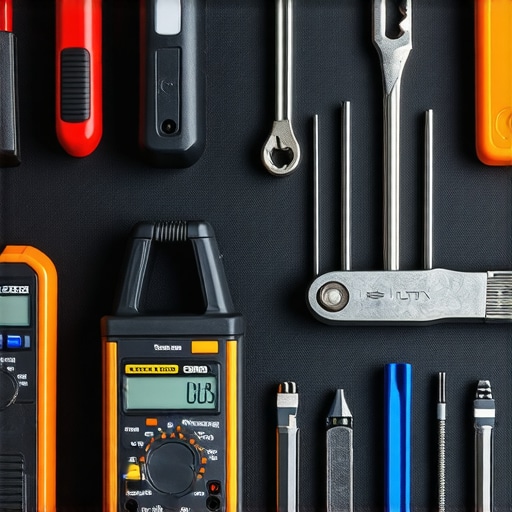
When it comes to maintaining your vehicle over the long term, having a trusted set of tools is essential. I personally rely on a high-quality digital multimeter to regularly test your battery and alternator health; I use the spark plug tester to ensure optimal engine performance. Additionally, a good diagnostic scanner helps me catch potential issues early before they become costly repairs. Remember, keeping a garage-specific set of hand tools—such as wrenches, screwdrivers, and pliers—can empower you to handle minor fixes promptly, saving both time and money.
Prioritize Routine Maintenance Using Proven Methods
Establishing a regular maintenance schedule is key. I recommend consulting detailed service checklists to track essential tasks like oil changes, brake inspections, and fluid top-offs. Implementing a tune-up routine, including spark plug replacement and fuel system cleaning, can dramatically extend your vehicle’s lifespan. For instance, regular tune-ups have been shown to improve fuel efficiency and safety significantly.
How do I maintain [Topic] over time?
Consistency is everything. I set reminders to check tire pressure weekly and inspect belts and hoses monthly. Using diagnostic tools like an OBD-II scanner can alert you to emerging issues early, preventing costly repairs down the line. As automotive technology advances, integrating new tools such as cutting-edge diagnostic software will become increasingly valuable, making maintenance more precise and efficient. Start by adopting a comprehensive maintenance schedule that fits your vehicle’s needs—it’s the best way to ensure long-term reliability and peace of mind.
Remember, proper tools and consistent care are your best allies for keeping your car in tip-top shape. Consider investing in an advanced tune-up kit and make it part of your regular maintenance routine. Try diagnosing your battery with a digital multimeter this weekend—it’s simple, effective, and could save you from unexpected breakdowns.
The Hardest Lesson I Learned About auto repair,car service,tune up,brake service
One of my biggest revelations came when I realized that not every clicking sound is a sign of a looming catastrophe. For instance, I used to panic over every misfire, assuming I needed new parts immediately. However, I discovered that simple issues like loose terminals or battery corrosion often cause these symptoms, and addressing them early can save a ton of money and stress.
My Evolving View on DIY Auto Fixes
Initially, I thought professional help was the only way to diagnose and fix car issues. But with proper research and the right tools—like a quality multimeter or an OBD-II scanner—I learned I could handle many small repairs myself. This empowered me to perform routine checks and minor fixes, turning car care from a chore into a rewarding experience.
Beyond the Basics: Recognizing Subtle Signs of Trouble
Over time, I understood that paying attention to subtle cues—like a slight shift in steering or a faint squeal—can alert you to underlying problems before they escalate. Regularly consulting trusted resources such as this maintenance checklist helped me maintain a proactive approach, extending my vehicle’s lifespan and safety.
Curated Tools and Resources That Changed My Approach
Investing in a good diagnostic scanner transformed how I approach car troubles. Paired with a digital multimeter, these tools provided immediate insights, preventing guesswork. I also rely on trusted guides, like this resource on tune-up benefits, which kept me informed and confident in my DIY efforts. These resources collectively empowered me to troubleshoot smarter and save more in the long run.
Take Action and Keep Learning
The journey to mastering auto repairs is ongoing, but every small fix boosts your confidence and understanding. I encourage you to start with simple tests—like checking the battery voltage—and gradually learn more advanced skills. Remember, the key is consistency and curiosity. With the right tools and mindset, you’ll be surprised how much you can handle yourself and how much it will enhance your vehicle’s longevity and safety.
So, have you ever faced a mysterious clicking or another odd symptom and wondered whether to fix it yourself or consult a professional? Share your experiences below—I’d love to hear how you’ve tackled your car troubles!
,