
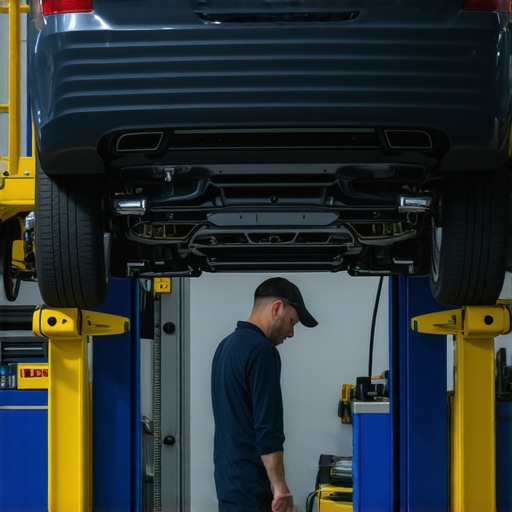
Ever had that sinking feeling when your brakes squeal unexpectedly or your steering feels a little off? I remember the first time I ignored that strange noise under my car’s hood. It was a small thing, I thought. But that tiny warning turned into a costly repair and a scare that made me rethink everything about auto maintenance. Trust me, I’ve been there, and I learned the hard way how crucial it is to stay ahead of auto repair issues, especially with brakes and steering. Today, I want to share how simple, effective strategies can save you from headaches—and more importantly, keep you safe.
Why Staying on Top of Auto Maintenance Matters More Than Ever
With the chaos of daily traffic and unpredictable road conditions, your car needs to be in prime shape. Brake failures or steering issues can happen suddenly, but often they are signs of neglected maintenance that could have been prevented. Regularly checking and maintaining your auto systems isn’t just about avoiding repair bills; it’s about ensuring your safety and that of your loved ones. Did you know that according to the National Highway Traffic Safety Administration, proper brake maintenance can significantly reduce accident risk? That’s why I always recommend proactive care, not reactive fixes. If you’ve ever faced a sudden brake problem or wondered whether your vehicle is truly reliable, you’re not alone. Many drivers overlook these critical aspects until it’s too late.
Is Routine Auto Maintenance Really Necessary or Just a Hassle?
I used to think auto repairs could wait until something broke. My early mistake was skipping regular check-ups, assuming I was saving time and money. But neglecting routine tune-ups and brake inspections only made eventual repairs more expensive—and riskier. Trust me, staying vigilant can save you from surprises on the road. For reliable advice on what to prioritize, check out trusted auto repair tune-up tips. The key is to understand what signs to watch for and when to get expert help. Now, I make it a point to follow simple, scheduled maintenance routines, which I’ve found to be the most cost-effective way to drive confidently and safely.
Check Your Brake System Regularly
Before hitting the road, ensure your brakes are in top shape. I once noticed a slight softness in my brake pedal after a long trip. Instead of ignoring it, I scheduled an inspection immediately. During the check, the mechanic identified worn brake pads that needed replacement. This quick action prevented potential brake failure, saving me from a dangerous situation. To learn more about how to keep your brakes reliable, visit trusted brake auto repair tips.
Learn to Recognize Warning Signs
Strange noises, vibrating pedals, or a spongy feel are signs your brakes need attention. Addressing these early can prevent costly repairs and ensure safety. Keep a mental note of how your brakes feel during regular drives.
Inspect and Maintain Your Steering System
Steering issues can be subtle. I once experienced a slight pull to the right while driving. Instead of dismissing it, I had my steering components checked. It turned out to be a misaligned wheel that was easily corrected. Regularly checking your steering helps catch issues before they escalate. For detailed guidance, see auto repair tune-up tips.
Perform Wheel Alignments
Proper alignment not only extends tire life but also improves vehicle handling. Schedule alignments at least once a year or after hitting a pothole.
Follow a Routine Maintenance Schedule
Stick to a maintenance calendar. I set reminders for oil changes, brake inspections, and fluid checks. This disciplined approach has kept my vehicle running smoothly for years. For a comprehensive routine, check auto repair car service tips.
Keep Fluids Fresh and Levels Correct
Engine oil, brake fluid, coolant, and transmission fluid are vital. Low or dirty fluids can cause major problems. Regularly check levels and replace fluids as recommended.
Use Quality Parts and Professional Services
Invest in high-quality brake pads and steering components. When I replaced my brake pads, I chose a reputable brand recommended by my mechanic. Reliable parts combined with professional installation ensure safety and durability. For trusted auto repair, visit trusted brake system repairs.
Choose Certified Mechanics
Always opt for certified professionals who follow manufacturer standards. This ensures your repairs are done right the first time, saving you money and worry.
Stay Informed and Proactive
Regularly educate yourself about your vehicle’s needs. I subscribe to auto maintenance newsletters and read up on best practices. Knowledge empowers you to spot issues early and maintain your car’s trustworthiness.
Schedule Preventive Checks
Preventive maintenance is your best defense against unexpected breakdowns. Book regular inspections, especially before long trips or seasonal changes.
Many drivers operate under assumptions about auto maintenance that, while widespread, can actually lead to costly mistakes. As an auto enthusiast and experienced mechanic, I want to shed light on these misconceptions and help you avoid common pitfalls that compromise your vehicle’s safety and longevity.
Why Most People Overlook the Nuances of Brake and Steering Care
One of the biggest myths is that brakes and steering systems are maintenance-free until they fail. In reality, these components require proactive attention. For example, some believe that brake pads last forever once replaced, but in truth, regular inspection and timely replacement are crucial for safety. Over time, even high-quality parts wear down due to heat, debris, and usage. Ignoring subtle signs like a soft pedal or pulling steering wheel can turn into dangerous failures. Advanced mistake: many think that brake fluid only needs attention when there’s a problem, but according to experts, regular fluid checks prevent corrosion and system failure.
Common Misbelief: All Auto Parts Are Created Equal
This misconception can be dangerous. Some assume that generic, budget parts are just as reliable as OEM or premium components. However, using inferior parts can lead to premature wear or even system failure. Investing in quality parts and professional installation ensures your vehicle performs reliably. Remember, cheap parts may save money upfront but cost much more in repairs or safety risks later.
How to Spot the Hidden Warning Signs
Many drivers miss early indicators of problems. For instance, a slight vibration when braking or a faint squeal might seem minor but often signals worn brake pads or misaligned wheels. A nuanced understanding of these signs can save you thousands. Regular preventive checks are essential. Don’t wait for a warning light—trust your senses and get inspections before issues escalate.
Facing the Question: When Should You Really Perform a Full System Check?
Advanced drivers ask: How often should I get a comprehensive inspection? The answer depends on your driving habits, but generally, a professional tune-up every 6 to 12 months helps identify potential issues early. Especially before long trips or seasonal changes, a thorough check can prevent breakdowns and ensure safety.
By understanding these nuances, you can make informed decisions that protect your vehicle and your safety. Don’t fall into the trap of thinking auto maintenance is just a hassle—it’s an investment in your safety and peace of mind. Have you ever fallen into this trap? Let me know in the comments!
Keeping your vehicle in prime condition requires the right tools and a strategic approach. Over the years, I’ve tested various equipment to ensure my auto maintenance is thorough and effective. One staple in my toolkit is a high-quality digital multimeter. This device is indispensable for checking electrical components like sensors and wiring, which are often overlooked but critical for steering and braking systems. I personally prefer the Fluke 117 because of its accuracy and durability, especially when diagnosing complex issues.
Another must-have is a tire pressure gauge. Proper tire pressure directly affects steering responsiveness and brake efficiency. I use the Slime Digital Tire Gauge because it provides precise readings and is easy to carry around. Maintaining optimal tire pressure helps prevent uneven wear and prolongs the lifespan of your brake pads and tires, contributing to safer drives.
For more advanced maintenance, I rely on a brake caliper piston tool. This tool allows me to compress brake calipers when replacing pads, ensuring a smooth fit. I recommend the Lisle 14700 Caliper Piston Tool because of its compatibility with most vehicles and sturdy construction. Using the right tools here not only saves time but also prevents damage to sensitive components.
To keep track of maintenance schedules and diagnostic data, I use a OBD-II scanner. This device connects to your car’s computer and reveals error codes that can hint at issues with steering sensors or brake system malfunctions. I prefer the BlueDriver Bluetooth Scanner because it offers detailed explanations and repair tips, making it ideal for DIY enthusiasts and professionals alike.
Looking ahead, I believe that integration of smart diagnostic tools with AI-driven analysis will revolutionize auto maintenance. These tools will predict failures before symptoms even appear, saving you time and money. As technology advances, staying updated on these innovations will be crucial for anyone serious about long-term vehicle health.
Ready to elevate your auto maintenance game? I highly recommend trying out a professional-grade OBD-II scanner today. It’s an investment that pays off by catching issues early and giving you peace of mind on every drive.
How do I maintain my tools and equipment over time?
Proper maintenance of your tools is essential for their longevity and accuracy. Keep your multimeter clean and store it in a dry place. Regularly calibrate your tire pressure gauge to ensure precise readings. After each use, clean and lubricate your brake caliper tool to prevent rust and ensure smooth operation. For electronic devices like OBD-II scanners, update the firmware periodically to access the latest diagnostic features. Treat your tools as investments—they will serve you well for years if cared for properly, making your auto maintenance more reliable and efficient.
The Hardest Lesson I Learned About Maintaining Brakes and Steering
One of the most valuable insights I gained was that auto maintenance is an ongoing journey, not a one-time fix. Ignoring subtle signs like a squealing brake or a pulling steering wheel can turn into major safety risks. My lightbulb moment came when I realized that proactive checks and regular tune-ups are the best way to avoid unexpected breakdowns. If I had known earlier how much small issues can escalate, I would have prioritized routine inspections more diligently.
The Tools That Transformed My Auto Maintenance Routine
Over the years, I discovered some tools that made a real difference. A quality OBD-II scanner helped me catch errors before they became costly problems, while a reliable tire pressure gauge ensured my steering responsiveness was always optimal. Investing in a sturdy brake caliper piston tool allowed me to replace brake pads confidently without damaging components. These tools empower me to maintain safety and performance reliably.
Stay Ahead, Stay Safe — Your Next Step
Now, I encourage you to take action with your vehicle. Regularly inspect your brakes and steering, keep fluids fresh, and use quality parts. Remember, auto maintenance isn’t just about saving money; it’s about protecting yourself and your loved ones. If you’re ready to elevate your auto care, explore trusted auto repair tips and start your journey toward safer driving today. Your vehicle’s health depends on your vigilance — so don’t wait until it’s too late. What’s the first step you’ll take to improve your car’s safety today? Let me know below!