
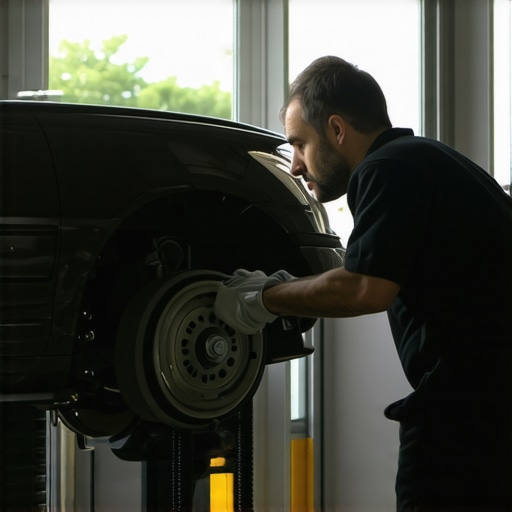
Ever experienced that sudden jolt of panic when you press the brake pedal and feel nothing but a soft, squishy sensation? Or maybe you’ve ignored that squealing noise, thinking it’s just a minor annoyance, only to find out later it was a warning sign of serious trouble. I’ve been there, and I can tell you, those moments are eye-openers. They made me realize how crucial reliable brake maintenance really is for safe driving—and how easy it is to overlook the signs until it’s almost too late.
Why Your Brakes Could Be a Hidden Danger
Trust me, I learned the hard way that neglecting trusted brake service can turn everyday drives into risky adventures. The truth is, your vehicle’s braking system is your primary safety net on the road. When it fails or underperforms, your chances of avoiding an accident drop dramatically. According to the National Highway Traffic Safety Administration, brake failure is a leading cause of vehicle accidents, emphasizing the importance of regular checks and maintenance. Yet, many drivers still gamble with their safety by skipping routine brake inspections.
So, what can we do to avoid this trap? Today, I want to share how proper, trusted brake service can give you peace of mind and confidence behind the wheel. Whether it’s a simple brake tune-up or a comprehensive brake repair, knowing the signs of trouble and addressing them early makes all the difference. And trust me, it’s not just about avoiding accidents; it’s about making sure your vehicle performs flawlessly whenever you need it most.
Is Trusted Brake Service Worth the Extra Step?
I used to think that delaying brake maintenance saved me money. Big mistake. I once ignored a minor squeal, thinking it was just dirt or wear, only to face a costly repair when my brake pads finally gave out. That mistake taught me the value of proactive care. Now, I make it a point to follow expert advice on reliable brake maintenance, like those shared in effective brake tune-up strategies. Trust me, investing in trusted brake services isn’t just a safety measure; it’s a smart way to extend your vehicle’s lifespan and save money in the long run.
Have you ever faced a similar dilemma, wondering if your brakes are still trustworthy? If so, stay tuned. I’ll walk you through the practical steps to ensure your brakes are always in top shape, so you can drive confidently, knowing you’re protected. Let’s dive into what makes a trustworthy brake service truly effective—and how you can find the right professionals to keep you safe on the road.
Inspect Your Brake System Regularly
Think of your brakes as the shoes you wear every day; if they’re worn out or damaged, your comfort and safety suffer. I remember a time when I ignored a persistent squeal, dismissing it as minor wear. One rainy afternoon, my brake suddenly felt soft, and I almost lost control. That experience taught me to schedule regular inspections, which is the first step toward trusted brake maintenance. Expert advice suggests regular brake system checks to catch issues early before they escalate into costly repairs or safety risks.
Check Brake Pads and Rotors
Remove the wheel and visually examine the brake pads for thickness. If they’re less than a quarter-inch thick, it’s time for a replacement. Also, inspect the rotors for deep grooves or warping—these are signs of uneven wear or overheating. When I did this myself, I found uneven rotor surfaces that could cause vibrations. Replacing worn pads and resurfacing or replacing rotors restored my confidence and ensured smooth braking. This simple routine is vital for ongoing safety, and professionals can perform this with precision, following trusted procedures.
Maintain Brake Fluid Quality
Brake fluid is like the blood of your braking system—if it’s contaminated or old, your brakes won’t perform reliably. I once ignored the brake fluid warning light, assuming it was a false alarm. When I finally replaced the fluid, I noticed improved responsiveness. Regularly flushing and replacing brake fluid, typically every 2-3 years, prevents moisture buildup and corrosion. For guidance, check out auto-repair strategies that emphasize fluid maintenance. A trusted mechanic will test your brake fluid’s condition and recommend replacements, extending the life of your system.
Test Brake Response and Feel
During routine checks, gently press the brake pedal to feel for softness or sponginess. A firm pedal indicates healthy brakes, while a soft or sinking pedal signals internal issues. I recall a time when my pedal felt unusually soft, which turned out to be air in the brake lines—a fix I managed after a quick bleed procedure. Regular testing, especially before long trips, ensures your brakes respond promptly when needed. If you notice delays or inconsistencies, it’s crucial to visit a trusted service provider for diagnostics.
Choose Reliable Brake Services
When it’s time for repairs or maintenance, selecting a trusted service provider is essential. Look for shops with positive reviews and transparent pricing. A good mechanic will follow top auto repair tips that emphasize quality parts and thorough inspections. In my experience, working with professionals who prioritize safety and use genuine parts gives me peace of mind on the road. Don’t hesitate to ask about their process and warranties—trustworthy brake services will always be upfront and comprehensive.
Ask About Your Brake System’s History
Keep a maintenance log and ask your mechanic about the history of your brake system. Knowing when components were last replaced or inspected helps anticipate future needs. I learned this the hard way when I ignored a routine check, leading to unexpected brake failure. Now, I stay proactive, scheduling regular reviews to ensure my vehicle’s safety. Reliable service providers will provide detailed reports and recommendations, helping you stay ahead of potential issues.
Stay Vigilant and Proactive
Finally, trust your instincts and be alert to signs like squealing, vibrating, or reduced braking power. These are alerts that your trusted brake system needs attention. I once felt a slight pulsing in my brake pedal, which prompted an immediate visit to the shop. The technician discovered uneven wear and performed necessary repairs, preventing a dangerous situation. Combining routine inspections with professional maintenance is the best way to ensure your brakes are always ready for action, giving you confidence and safety on every journey.
Many drivers believe that as long as their brakes seem to work, their system is in good shape. However, this common misconception can lead to costly repairs and dangerous driving conditions down the line. Let’s dig deeper into what most people get wrong about trusted brake services and why understanding these nuances can make all the difference.
Why Do People Rely on Visual Inspection Alone?
It’s a widespread myth that a quick visual check of brake pads and rotors suffices for assessing brake health. In reality, visual inspections can be deceptive because many issues are internal or hidden. For example, brake fluid contamination or internal corrosion often go unnoticed without proper diagnostics. Professionals use specialized tools and procedures to evaluate these hidden problems—something an untrained eye can’t detect. Relying solely on sight can cause you to miss critical signs of deterioration, leading to sudden brake failure. For comprehensive safety, regular professional inspections following trusted maintenance strategies are essential.
Common Mistake: Overlooking Brake Fluid Changes
Many drivers assume that brake fluid lasts forever, but this couldn’t be further from the truth. Brake fluid absorbs moisture over time, which lowers its boiling point and can cause brake fade or failure under heavy use. Some believe that topping off brake fluid is enough, yet this doesn’t address the root issue of contamination. An advanced mistake is neglecting regular flushes—typically every 2-3 years—as recommended by experts. Failing to do so can result in internal corrosion and compromised brake performance. To avoid this trap, consider routine brake fluid maintenance, which is a cornerstone of trustworthy brake care.
What About Brake Noise? Is It Always a Sign of Wear?
Many assume that squealing brakes are merely annoying but harmless. However, this noise often indicates a need for immediate attention, such as worn brake pads, glazing, or debris lodged in the system. Some drivers ignore minor squeaks, thinking they will vanish, but this can escalate into rotor damage or even brake failure. An advanced nuance is that certain brake noises can also stem from misaligned calipers or warped rotors, issues requiring professional diagnostics. Recognizing these signs early and consulting trusted experts can prevent costly repairs. For detailed insights, check out top auto repair tips for long-lasting safety.
Are You Falling for the Cost-Saving Trap?
It’s tempting to cut corners by choosing the cheapest brake service or delaying repairs. But this often results in poorer quality parts and less thorough inspections, which can jeopardize your safety. A common mistake is assuming that all repair shops provide equally reliable service. In reality, the difference lies in the expertise, parts quality, and diagnostic procedures used. Investing in trusted brake services ensures that your vehicle receives proper care, extending its lifespan and safeguarding your journeys. To find a reputable provider, look for shops with positive reviews and transparent processes, as outlined in trusted repair strategies.
Have you ever fallen into this trap? Let me know in the comments. Remember, understanding these nuances isn’t just about saving money—it’s about ensuring your safety on every drive. By paying attention to the real signs of brake health and trusting experienced professionals, you can avoid the hidden pitfalls that many overlook. Stay proactive, stay safe, and keep your brakes in top condition for a reliable ride every time.
Keeping your vehicle’s brake system in top shape requires more than just good intentions; it demands the right tools and a systematic approach. Over the years, I’ve refined my maintenance routine by investing in specific equipment that ensures accuracy and longevity. One of my go-to tools is a high-quality brake caliper piston tool, which I use to retract calipers smoothly during pad replacements. This tool prevents damage and guarantees a perfect fit when assembling components again, aligning with expert strategies outlined in effective brake tune-up strategies.
Another essential piece I rely on is a digital brake fluid tester. This device provides instant readings of brake fluid quality, helping me decide when a flush is necessary. Regularly testing the fluid prevents moisture buildup and corrosion, which are common pitfalls in brake maintenance. I personally prefer a model with a built-in Bluetooth connection, allowing me to log results over time and track trends, aligning with future trends in vehicle diagnostics. For detailed guidance, check out top auto repair tips.
When it comes to cleaning, I swear by a set of brake cleaning brushes with stiff nylon bristles. These are perfect for removing brake dust and debris without harming sensitive surfaces. I avoid compressed air, which can push dust into seals or other internal parts, risking damage. Using these brushes, combined with a trusted brake cleaner, I ensure every component is spotless before reassembly, extending the system’s lifespan.
For precision work, I always keep a digital torque wrench in my toolkit. Proper torque application prevents over-tightening or under-tightening fasteners, which could lead to uneven wear or component failure. Following manufacturer specifications, I use this torque wrench to secure calipers, rotors, and other parts, ensuring safe and reliable operation. This method is emphasized in trusted brake auto repair strategies.
How do I maintain tools over time?
To keep my tools performing reliably, I clean and lubricate them regularly, especially after exposure to brake dust and cleaning chemicals. I store them in a dedicated toolbox with moisture absorbers to prevent rust. Calibration of precision tools like torque wrenches is scheduled annually, following the manufacturer’s guidelines, to maintain accuracy. Investing in quality tools is crucial, and I prefer brands with excellent customer support and warranty services, which I’ve found to be invaluable over the years. Looking ahead, advancements in smart diagnostic tools—integrating AI and IoT—are poised to revolutionize brake maintenance, making it even more precise and predictive.
One advanced tip I recommend trying is using a brake bleeding kit with a built-in vacuum system. This equipment simplifies the process, ensures thorough removal of air, and reduces the risk of contamination. It’s a game-changer for both DIY enthusiasts and professionals aiming for the highest standards of safety. For more insights on reliable brake care, visit auto repair strategies and upgrade your toolkit today!
The Hardest Lesson I Learned About Brake Maintenance
One of my biggest lightbulb moments came when I ignored a squealing sound from my brakes, thinking it was minor wear. That mistake almost cost me a lot more than just money—my safety. It taught me that trusting professional brake inspections and not just visual cues can make all the difference. Going the extra mile with trusted brake services means you’re catching problems early rather than fighting costly repairs later.
3 Myths About Brake Care That Held Me Back
Many drivers believe that brake fluid lasts forever or that a quick check is enough. These myths can lull you into false security. I used to think a visual inspection was sufficient until I learned that internal issues like corrosion or contaminated fluid are invisible to the naked eye. Real trust in brake maintenance comes from understanding these hidden dangers and addressing them proactively, like following tips from trusted auto repair strategies.
What Experts Won’t Tell You About Brake Noise
Squealing brakes are often brushed off as minor, but I discovered that this noise can signal serious issues like worn pads or warped rotors. Ignoring these signs can lead to dangerous situations or even total brake failure. Recognizing early warning signs and trusting experienced mechanics to diagnose problems saves you from surprises on the road. For more insights, check out top auto repair tips.
My Essential Toolkit for Maintaining Brakes
Over the years, I’ve learned that quality tools like a digital brake fluid tester and a high-quality torque wrench are game changers. These tools help me perform accurate inspections and repairs, ensuring my brakes are always in top shape. I trust brands that offer reliable support and warranties, which makes my maintenance routine more effective and stress-free. For more details, visit auto repair strategies.
Your Turn to Try Safety-First Brake Care
Now that I’ve shared my personal lessons and trusted tools, I encourage you to take proactive steps with your brake system. Regular inspections, honest diagnostics, and trusted professionals can keep you safe and confident on every drive. Don’t wait for warning signs—be proactive and treat your brake system with the care it deserves. The road to safer driving starts with you!