
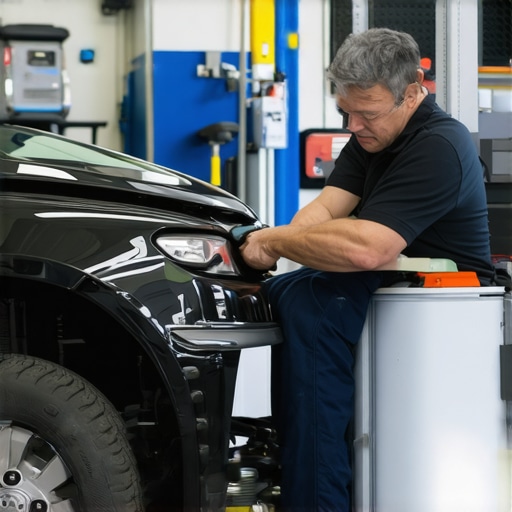
It was a chilly morning, and I was pulling out of my driveway when suddenly, I felt a strange softness in my brake pedal. My heart raced — had I overlooked a warning sign? That moment of uncertainty sparked a realization that many of us autop fans might relate to: how often do we truly pay attention to our brakes until something goes wrong? In my own experience, neglecting routine brake checks almost cost me more than just time; it almost put me in a risky situation on the road.
Why Your Brake System Deserves Continuous Attention
Often, drivers assume brakes are a sort of ‘set-it-and-forget-it’ feature. But that couldn’t be farther from the truth. Brakes are a vital safety component that needs regular inspection and proper maintenance. Making sure your brakes are in top shape doesn’t just prevent breakdowns — it can literally save lives. During my early auto repair days, I learned a costly lesson from a mistake I made: ignoring early warning signs like squealing or a spongy pedal can lead to expensive repairs or, worse, an accident. Trust me, the investment in regular brake service is well worth it.
Is Brake Service Actually Worth the Hype?
You might wonder, “Do I really need professional brake checks, or can I just wait until I notice a problem?” Honestly, I used to think the same way — until I skipped what I thought were minor inspections. That oversight turned out to be a costly mistake, highlighting the importance of trusting expert advice. If you’re skeptical about routine brake maintenance, rest assured that expert-guided services can help catch issues early, ensuring your drives remain safe and reliable. For comprehensive tips on maintaining your vehicle’s braking system, check out [trusted auto repair strategies](https://glassfixauto.com/trusted-brake-auto-repair-strategies-for-safe-reliable-drives) for lasting peace of mind.
So, whether you’re a seasoned car owner or just getting acquainted with your vehicle, understanding the significance of proactive brake maintenance is essential. Stay tuned, because the next steps could prevent you from facing costly repairs or dangerous road mishaps.
Inspect Your Brake Pads and Rotors Regularly
Start by visually examining your brake pads every 10,000 miles or during oil changes. Look for pads worn down past the wear indicator or uneven surfaces on the rotors. I once caught a rotor groove that was deep enough to cause vibrations; addressing it early saved me from a more costly repair. Use a flashlight and remove the wheel if necessary to get a clear view. Remember, regular brake inspections are crucial for detecting issues before they escalate.
Check Brake Fluid Levels and Quality
Maintaining proper brake fluid is essential. Locate the master cylinder reservoir under the hood and ensure the fluid is between the min and max lines. Dirty or low fluid can impair braking performance. During my last tune-up, I replaced corroded brake fluid, which dramatically improved pedal feel. If your brake pedal feels spongy or sinks before stopping, it’s a sign to replace or flush the fluid. Consult the vehicle’s manual or a professional to determine the correct type of brake fluid. For detailed guidance, visit auto repair tune-up tips.
Test Brake Response and Performance
Before hitting the road, do a simple brake test in a safe area. Accelerate to about 10 mph and then gently apply the brakes. The vehicle should stop smoothly without pulling to one side or feeling overly soft. I remember a time when I ignored a slight pulling; it turned out to be uneven brake pad wear, which I had replaced promptly. This simple test can reveal underlying issues needing professional attention. If you notice any abnormal responses, schedule a service immediately. For trusted strategies on reliable auto service, see trustworthy auto repair tips.
Replace Worn Components Promptly
When your inspection or test indicates worn brake pads, warped rotors, or leaking fluid, act quickly. Cutting corners here risks safety and leads to more expensive fixes. During my experience, replacing the pads and resurfacing rotors in one session prevented further damage. Use quality replacement parts compatible with your vehicle, and consider professional help if you’re unsure. To ensure your auto repairs are trustworthy and effective, review top brake service tips.
Maintain Your Brake System with Preventative Care
Beyond immediate repairs, schedule regular preventative brake maintenance. This includes bleeding the brake lines, inspecting calipers, and replacing brake fluid every 2-3 years. My routine check-ups have extended the lifespan of my brake components and kept my vehicle reliable. Think of it like an auto tune-up for safety—a small investment that yields long-term peace of mind. Consider aligning your maintenance routine with trusted vehicle care practices outlined at auto repair tune-up tips.
Many car owners fall for the myth that routine auto repairs, including brake services and tune-ups, are straightforward tasks that don’t require much thought beyond scheduling an appointment. However, **there’s a deeper layer of nuance that many forget** or are simply unaware of, which can significantly impact your vehicle’s longevity and safety.
One common misconception is that all auto repairs are equal in importance. In reality, **neglecting the subtle signs of wear in specific components like calipers or brake lines can lead to sudden failures without warning**. For instance, a slight pull to one side during braking might seem minor, but it often indicates uneven brake pad wear or caliper sticking, issues that, if ignored, can cause uneven rotor damage or even brake failure. Regularly inspecting these overlooked parts is essential—and professional guidance helps catch such nuances early. For expert advice, consider reviewing [trusted brake auto repair strategies](https://glassfixauto.com/trusted-brake-auto-repair-strategies-for-safe-reliable-drives) to learn more about nuanced maintenance practices.
**Advanced Mistake to Avoid**: relying solely on automatic dashboard warning lights might be tempting, but they aren’t always immediate indicators of underlying problems. For example, brake warning lights can sometimes be triggered by sensor issues rather than actual braking system failure. This is why *visual inspections remain crucial*—a lesson I learned during my early days when I dismissed subtle brake vibrations, only to find warped rotors after an intense drive. A comprehensive visual assessment can reveal early signs of trouble that sensors haven’t detected.
Another often-missed aspect is the importance of **upgrading preventive measures based on driving habits and environmental conditions**. For example, drivers in mountainous areas or regions with harsh winters need tailored maintenance routines, like more frequent brake fluid flushes or rotor checks. This personalization underscores that maintenance isn’t one-size-fits-all. To develop a routine suited to your specific driving conditions, explore [auto repair trusted car service tips](https://glassfixauto.com/trusted-car-service-auto-repair-tips-for-lasting-confidence).
Diving deeper, **understanding the mechanics behind auto repair failures reveals common pitfalls**. For example, attempting to replace brake components without proper tools or knowledge can cause skewed assembly, leading to uneven brake pad wear or caliper damage—problems that manifest as reduced stopping power and increased safety risks. This highlights the importance of working with professionals who understand these nuances, ensuring that repairs are done correctly the first time.
In essence, *the devil is in the details*—and mastering these details turns a routine service into a reliable safeguard against bigger issues. Remember, regular inspections combined with informed awareness of your vehicle’s behavior are your best defenses. Have you ever fallen into this trap? Let me know in the comments.
By paying attention to these less obvious factors and avoiding common pitfalls, you make your auto maintenance truly effective and trustworthy. For comprehensive strategies that elevate your vehicle’s performance and safety, reviewing [top auto repair tune-up tips](https://glassfixauto.com/top-auto-repair-tune-up-tips-for-lasting-vehicle-trust) is highly recommended.Maintaining your vehicle effectively over time requires more than just routine checks; it demands the right tools, consistent methods, and a proactive approach. As someone deeply engaged in auto repair, I rely on specific equipment and software that ensure precision and reliability in every service. One indispensable tool I personally use is the digital brake caliper gauge, which allows me to measure caliper piston retraction accurately—ensuring my brake repairs are not only effective but also long-lasting. This precision tool helps prevent uneven wear and guarantees optimal brake performance for the miles ahead. Additionally, I favor high-quality ultrasonic cleaners for cleaning small components like calipers and valves, which significantly extends their lifespan and maintains system efficiency. For software, I utilize professional diagnostic scanners capable of reading advanced ECU codes; these help identify underlying issues that standard dashboards may overlook, thus preventing minor problems from escalating into costly repairs. Looking ahead, the trend is moving towards integrated diagnostic platforms that combine hardware sensors and cloud-based data analysis, offering real-time insights and predictive maintenance alerts—making auto care more precise and preventative than ever before. To keep your vehicle running smoothly over the years, I recommend establishing a regular maintenance routine with these tools, ensuring each component receives detailed attention. For example, performing quarterly brake checks with a caliper gauge helps catch wear early. How do I maintain these tools over time? I always calibrate my measuring devices annually and follow manufacturer guidelines for ultrasonic cleaner cleaning cycles, which maintains their accuracy and effectiveness. Incorporating these practices into your auto maintenance regimen will save you from surprises on the road. Consider exploring trusted strategies outlined in [auto repair tune-up tips](https://glassfixauto.com/trustworthy-auto-repair-tune-up-tips-for-lasting-vehicle-confidence) to further enhance your vehicle’s longevity. Don’t hesitate to invest in high-quality diagnostic tools—they are your best allies for ensuring safe, reliable, and long-lasting performance.
Over the years, I’ve learned that auto maintenance isn’t just about fixing what’s broken—it’s about understanding the nuances that can make or break your driving safety. One of the toughest lessons I encountered was realizing how small signs, like a slight pulsing brake pedal or a faint squeal, can signal bigger issues looming ahead. Recognizing these subtle cues early has saved me from costly repairs and, more importantly, kept me safe on the road.
Lessons That Changed My Approach to Auto Care
- Not every warning light is equal: At first, I thought a blinking brake warning was a minor issue, but it often indicates serious trouble like fluid leaks or worn calipers. Trust your eyes and hands as much as your dashboard.
- Routine inspections are your best allies: Visiting a professional for regular brake checks and fluid analyses has prevented emergency repairs. Don’t wait until your brakes fail—stay ahead of the problem.
- Invest in quality tools and knowledge: I found that having a reliable caliper gauge and learning basic inspection techniques empowered me to catch early signs of wear before they become emergencies.
Resources That Elevated My Maintenance Game
- Trusted auto repair strategies: This site offers comprehensive insights into routine brake maintenance that I personally rely on for trustworthy repair advice.
- Top tune-up tips: A guide that helped me structure my regular service intervals to prolong my vehicle’s health.
- Effective brake strategies: Practical approaches to ensure safety and performance that go beyond basic maintenance.
Keep Your Drive Safe and Confident
Every time you step into your vehicle, you’re trusting it to get you safely where you need to go. By paying close attention to the subtle signals your car sends and applying proactive maintenance strategies, you’re not just avoiding costly repairs—you’re improving your overall driving confidence. Take the initiative today, start those regular brake inspections, and stay ahead of potential issues. Your future self will thank you for the peace of mind.
What’s the one small sign you’ve learned to never ignore when it comes to your vehicle’s safety? Share your experiences below—I’d love to hear how you’ve uncovered hidden auto care lessons!
Comments are closed.