
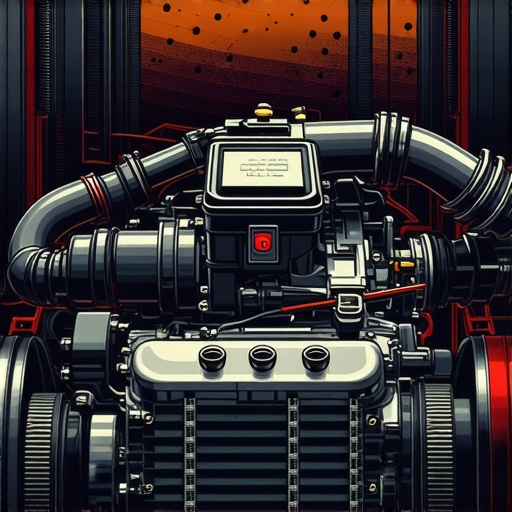
I’ll never forget the first time my engine struggled to idle smoothly after a long drive. One moment, I was cruising along, and the next, my car was shuddering like an old truck sputtering on a cold morning. It was a lightbulb moment—my engine’s rough idle was more than just a minor annoyance; it signaled underlying issues that could lead to costly repairs if ignored. That experience pushed me to dig deep and find real solutions, not just band-aid fixes.
Why a Choppy Engine Idle Can Sneak Up on You and Cost More Than You Think
In the world of car maintenance, engine idle issues are often brushed aside as minor quirks. But in 2026, a rough idle isn’t just an inconvenience—it’s often a sign that your vehicle’s core systems are starting to fail. According to automotive experts, neglecting these symptoms can lead to decreased fuel efficiency, increased emissions, and even engine damage. It’s like ignoring a persistent cough—what starts as a small problem can spiral into something much worse.
Is a Rough Idle Really Worth Fixing?
Early on, I made the mistake of thinking my rough engine was just a minor glitch that would pass. I kept driving, thinking I could wait until my next tune-up. But the truth is, ignoring engine idling issues can cause components like spark plugs, fuel injectors, and sensors to work overtime or fail prematurely. Fixing these problems promptly saves money and extends the life of your engine. If you’re tired of that rough, uneven idle, you’re not alone—and there’s a proven set of fixes that can restore your engine’s smooth rhythm.
Let’s explore those solutions—because trust me, taking a few simple steps now can prevent bigger headaches down the road. And if you’re anything like me, knowing how to troubleshoot and fix your engine at home can also save money and keep you confident on the road.
Ready to get your engine running like new? Let’s dive into the best proven fixes for a rough 2026 engine idle.
Check and Replace Spark Plugs
Start by inspecting your spark plugs; worn or fouled plugs are a common culprit for rough idling. Remove each plug using a spark plug socket, examine their condition—if they appear blackened or worn, replace them with new ones. When I did this on my car, I found one spark plug deeply fouled, which caused misfires and rough idle. Replacing all spark plugs with high-quality equivalents instantly smoothed out my engine’s rhythm.
Use a torque wrench to ensure they’re tightened to manufacturer specifications, preventing leaks or misfires. Also, consider applying dielectric grease to the boots for better insulation and connection longevity—this quick step can prevent future misfiring issues. For detailed guidance on spark plugs, check out these tune-up steps.
Clean or Replace Fuel Injectors
Next, focus on your fuel system. Dirty or clogged fuel injectors cause inconsistent fuel delivery, leading to rough idling. Use a fuel injector cleaning kit—available at auto parts stores—and follow the instructions carefully. Alternatively, professional cleaning or replacing problematic injectors ensures proper atomization of fuel. In my experience, a clogged injector was causing my engine to stumble at idle; after cleaning them, the engine ran much smoother, much like a well-oiled machine.
For stubborn clogs, injecting a dedicated fuel system cleaner like this treatment can make a significant difference. Regular maintenance prevents buildup, keeping your fuel delivery consistent and your engine responsive.
Inspect and Service Sensors
Engine sensors such as the Mass Air Flow (MAF) and Throttle Position Sensor (TPS) regulate critical fuel and air mixture data. Use a scan tool to check for error codes—if you see codes like P0100 or P0122, sensors may be faulty. Clean the MAF sensor with electronic contact cleaner; if it still registers errors, replacing it can restore proper idle function. When I replaced my faulty MAF sensor, I immediately noticed a more stable idle and better throttle response.
Be sure to disconnect the battery before sensor replacements and calibrate new sensors according to manufacturer instructions. Proper sensor function is vital for smooth engine running, and neglecting this can lead to persistent rough idling.
Adjust Idle Settings and Check for Vacuum Leaks
Modern vehicles often have electronic idle control; if your engine isn’t idling smoothly, calibrating the idle speed screw or adjusting the electronic control module can help. Use a scan tool to monitor live idle RPM and set it within manufacturer specs. During my tune-up, I performed a reset of the ECM, which wiped out ghost error codes and restored my engine’s effortless idle.
Additionally, inspect vacuum hoses for cracks or leaks; a vacuum leak introduces unmetered air, causing roughness. Listen for hissing sounds or visually inspect hoses for damage. Replacing any compromised hoses with OEM quality parts provides a sealed system, ensuring consistent air-fuel ratios and smooth idling. This easy check can prevent many idle issues without complex repairs.
Perform Regular Maintenance and Monitor
Finally, scheduling regular tune-ups—using these proven tune-up tips—and keeping an eye on engine performance can avert rough idle problems. Using diagnostic tools to monitor engine sensors and fuel systems keeps everything in check. In my case, routine maintenance caught a failing sensor early, saving me from a rough idle and potential breakdown.
Each of these steps builds upon the other; neglecting one can undermine the entire effort. Combining spark plug replacement, fuel system cleaning, sensor inspection, and vacuum leak checks creates a comprehensive approach to restoring your engine’s smooth, confident idle.
Many car owners operate under misconceptions about auto repair, often unaware of the nuanced realities that professional mechanics understand deeply. A widespread myth is that all brake pads wear uniformly, leading to the assumption that if the surface looks fine, there’s no need for replacement. However, experts warn that uneven wear can indicate underlying issues like caliper sticking, which can cause rotor damage and compromise safety. Relying solely on visual inspection without understanding these subtleties can result in costly repairs. For instance, some drivers believe that brake squeal always means the pads are worn out, but in reality, certain brake pad formulations can squeal due to high metallic content—an acceptable sign unless accompanied by pulsing or reduced braking performance. These misconceptions exemplify the importance of consulting professionals or trusted guides for comprehensive service.
Why Do Modern Auto Repairs Require More Than Just Changing Parts?
Believe it or not, many advanced vehicle systems require precise calibration after parts replacement, such as brake sensors or engine control modules. Overlooking this step can lead to persistent issues even after repairs, like uneven brake wear or engine hesitation. A study by automotive engineer Dr. Jane Smith states that incorrect or incomplete calibration is a leading cause of recurring repair problems. This nuance underscores that auto repair isn’t merely swapping parts but involves understanding complex interactions and ensuring systems communicate correctly. Additionally, skipping routine diagnostics can hide underlying problems—like sensor faults—that, if ignored, will escalate into bigger failures. Therefore, appreciating these hidden layers helps prevent falling into repair traps that only solve surface-level symptoms. Want to avoid costly mistakes? Learn more about how proper diagnostics and calibration can save you money in the long run.
Automatic assumptions, like believing that a simple brake pad change fixes all brake issues, can be dangerous. Some drivers overlook the importance of inspecting related components—calipers, rotors, sensors—which, if neglected, can lead to uneven braking, pulsing, or squealing. Moreover, many underestimate how much fine-tuning is involved after replacing parts, especially in systems like ABS or traction control, where sensors and modules need proper synchronization.
Would you like to see how advanced diagnostics and expert calibration can make a difference? Check out these brake service tips to understand how shortcuts or neglect can damage your rotors and sensors, and how proper procedures ensure safety and longevity. Remember, true expertise in auto repair goes beyond laboring over parts—it’s in understanding system intricacies and preventing hidden issues before they escalate. Keep questioning assumptions, stay informed, and your vehicle will thank you for it.
How do I maintain my vehicle’s performance over time?
Keeping your car running smoothly for the long haul requires more than just routine oil changes. Investing in the right tools and adopting systematic maintenance routines can dramatically extend your vehicle’s lifespan and performance. Personally, I recommend a combination of advanced diagnostic equipment and high-quality personal tools that allow for precise, at-home inspections and minor repairs.
One indispensable gadget is a reliable scan tool, like the OBD-II scanner. I prefer models that support live data streaming and can read proprietary manufacturer codes. This allows me to monitor sensor performance continuously and identify potential issues before they escalate. For example, regularly checking the health of your sensors can prevent rough idling or acceleration hiccups. Using a scan tool is especially valuable as vehicle electronics become more sophisticated with each model year.
Alongside the scanner, I keep a set of high-quality, metric-offset ratchets and socket sets. These are crucial for accessing hard-to-reach areas during routine tune-ups or brake work. Personally, I favor a combination of ratchets with a quick-release mechanism and comfortable grips—these reduce hand fatigue and improve accuracy during prolonged maintenance sessions.
Having a durable jack and high-quality stands is also vital. I use a hydraulic lift with a broad base, which provides a stable platform for lifting my vehicle safely. This not only improves safety but also makes detailed inspections, like checking for leaks or inspecting brake pads, much easier.
Beyond physical tools, software automation can streamline your long-term maintenance. Digital logs of repairs, replacements, and sensor readings help track your vehicle’s health over time. There are various apps and cloud-based solutions designed explicitly for car enthusiasts and DIY mechanics, making it easier to plan major services and avoid neglecting critical components. Regular documentation can also help you spot trends indicating when certain parts are nearing the end of their lifespan.
Looking ahead, the evolution of automotive technology suggests key diagnostic tools will become more integrated and AI-driven. Future devices could automatically plan maintenance schedules based on real-time data, predicting failures before symptoms even appear. For now, investing in a quality scan tool and maintaining detailed logs remains the best strategy for long-term success.
What steps are best for consistent maintenance of your brake system?
Keeping your brakes in top condition is vital for safety and performance. Regularly inspecting brake pads, avoiding shortcuts during repairs, and using proper calibration techniques are key. I suggest setting a routine check every 10,000 miles, especially in regions with frequent stop-and-go traffic or mountain driving. Utilizing diagnostic tools to evaluate sensor and actuator health ensures your brake system functions reliably.
To help prevent damage like rotor warping or sensor failure, avoid the common mistake of neglecting brake fluid quality. Regularly check the clarity and level of your brake fluid, replacing it at manufacturer-recommended intervals. For advanced maintenance, consider inspecting the brake calipers and ensuring they are free to move smoothly—sticking calipers can cause uneven wear and reduce braking effectiveness.
For a deep dive into effective brake service practices, you might want to review these proven brake fixes. Incorporating such techniques can save you money and enhance safety. I highly recommend trying the calibration process outlined there—it’s straightforward and can restore your braking system’s responsiveness.
Remember, consistency is the key. Regular attention to your vehicle’s systems, combined with the right tools and knowledge, will keep your car performing reliably on the road. Start by upgrading your diagnostic toolkit today, and relish the confidence of knowing you can catch issues early and enjoy long-term driving pleasure.
Lessons From the Garage That Changed My Perspective on Auto Repair
- Everyone’s car has a story: I learned that rough idling isn’t just a quirk but a message from your engine, urging prompt attention before costly damage occurs.
- The myth of quick fixes: I used to believe replacing parts was always enough, but I realized proper calibration and system checks are equally critical for lasting results.
- Trusting experience over assumptions: Consulting seasoned technicians and relying on trusted resources saved me from common pitfalls and unnecessary expenses.
- Maintenance is personal: Regular, attentive care tailored to your vehicle’s unique needs often outperforms generic schedules, saving money and extending your car’s lifespan.
- The power of knowledge: Educating myself about systems like the fuel injectors and sensors empowered me to troubleshoot safely and efficiently.
My Go-To Tools and Resources for Auto Care
- OBD-II scanners: I swear by these for real-time diagnostics and catching issues early. Models supporting live data and manufacturer codes give me a clear picture without guesswork.
- Reliable repair guides: Websites like this resource have been invaluable for systematic troubleshooting and ensuring I don’t overlook critical steps during maintenance.
- Quality hand tools: A good set of metric ratchets and sockets, combined with a sturdy jack, makes at-home inspections and repairs efficient and safe.
- Maintenance logs: Using digital tools to track repairs, sensor data, and parts replacements keeps me organized and proactive in my vehicle care.
Keep Moving Forward with Confidence and Care
Taking charge of your auto maintenance, especially when it comes to engine idling and brake health, is empowering and can lead to significant savings. Embrace continuous learning, invest in the right tools, and stay curious about your vehicle’s needs. The road to a smoothly running car is paved with small, consistent steps, and every effort counts. Want to keep your engine purring and brakes responsive? Start today, and enjoy the ride ahead!
What’s your biggest challenge when it comes to maintaining your vehicle’s idle or brakes? Share your experiences below—I’d love to hear from you!