
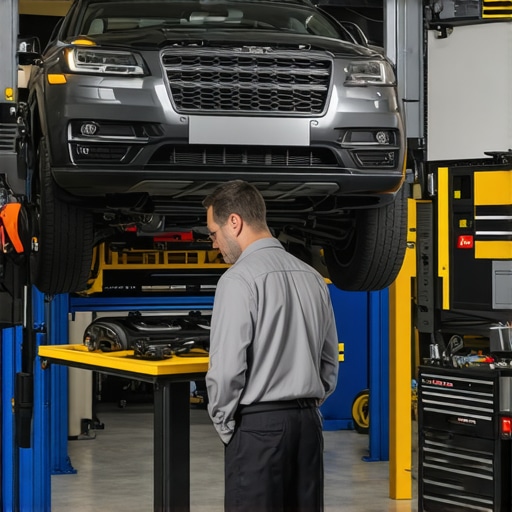
I remember the first time I felt that gut punch at the auto shop—thinking I was getting a straightforward tune-up, only to see the bill skyrocket with unexpected charges. It hit me hard because I trusted that my mechanic was honest, but somehow, I was being pulled into a hidden web of fees. That lightbulb moment made me realize, if I didn’t start paying closer attention, I might keep throwing money away or, worse, accept subpar work without knowing.
Why You Can’t Just Take Your Mechanic’s Word for It
Every car owner faces this dilemma at some point—how do you know if the quote is fair or dangerously padded? It’s frustrating, especially because most of us aren’t auto experts. But here’s the truth: a substantial number of repairs can include hidden costs, and if you’re not vigilant, you could end up overpaying by hundreds (or even thousands). An insightful study revealed that nearly 60% of car owners experienced surprise charges during repairs, often due to inflated shop rates or unnecessary services. Recognizing the signs early can save your wallet and ensure your car actually gets the fix it needs.
Is Your Car Service Worth the Hype or a Scam in Disguise?
Honestly, I made a classic mistake early on—I took my mechanic’s recommendations at face value without questioning. That left me with a hefty bill for services I didn’t really need, like extra fluid flushes or unnecessary diagnostics. By learning to spot telltale signs of inflated quotes, I saved hundreds and avoided unnecessary repairs. If you’re wondering whether your current shop might be padding the bill, you’re not alone. The good news is, with just a little knowledge, you can to become a savvy consumer—check out this guide to red flags that might be hiding in your service quote.
In the next sections, I’ll walk you through practical ways to identify whether you’re being quoted a fair price or if the shop is padding your bill. It’s all about knowing what to look for and asking the right questions—things I wish I had known from the start. Remember, a little vigilance today can prevent a big headache tomorrow. Ready to become your own automotive detective? Let’s dive into the simple, effective steps that will keep your money where it belongs—in your pocket, not in some mechanic’s overstocked toolbox.
Compare Quotes Effectively
Start by gathering at least three written estimates for your needed repairs. When I faced a mysterious brake repair,I asked multiple shops for detailed quotes. I requested a breakdown showing parts and labor costs, which made it easier to spot inflated charges. As a rule of thumb, a reputable shop should provide transparent pricing and willingly explain each item. Use this comparison to identify anomalies and ensure you’re not paying extra for unnecessary services.
Research Parts and Labor Costs
Before heading to the shop, research average costs for parts and labor online. Websites like this guide offer insights into typical pricing for common repairs like brake fluid changes or tune-ups. Having this knowledge prevents you from accepting unrealistic estimates. When I needed a tune-up, I checked online prices and found that some shops quoted double the standard rate, which prompted me to question their quote directly.
Ask Precise Questions
Don’t hesitate to probe into the specifics of each quote. Ask if parts are OEM or aftermarket, what warranties come with the repairs, and whether diagnostics or shop supplies are included. For example, when I was told I needed a new alternator, I asked whether the quoted part was new or remanufactured, and what the warranty covered. This clarity helped me avoid overpriced, low-quality parts and unnecessary diagnostics.
Inspect the Work and Verify
After repairs, review the invoice carefully, verifying that only the services you approved are listed. If you notice unfamiliar charges, ask for a detailed explanation. During my last brake service, I noticed an extra fee labeled as “Additional Diagnostics”—I requested a breakdown and found it was for a sensor check I never authorized. This step enforces accountability and ensures no hidden fees slip through.
Use Proven Tools and Resources
Leverage online tools and resources to check if the quote aligns with standard rates. Websites like this guide detail common red flags indicating inflated prices. Additionally, consider consulting local consumer reviews of shops to gauge their transparency and reputation. When I read reviews warning about hidden charges at a nearby shop, I decided to avoid their services altogether.
Recognize Warning Signs of Overcharging
Stay alert for signs like unusually high markup on parts, vague descriptions, or shops insisting on unnecessary diagnostics. For example, when a mechanic recommended several extra services without prior approval, I paused and asked for explanations. This immediate questioning often deters shops from padding bills and keeps your costs transparent.
By mastering these steps—comparing quotes, researching costs, asking targeted questions, verifying work, and recognizing warning signs—you become your own best advocate. Remember, a little effort upfront prevents costly surprises later and secures fair treatment in every repair shop visit.
Many drivers believe that replacing brake pads or getting a routine tune-up will completely solve their vehicle issues, but there’s a lot more beneath the surface that often goes unnoticed. In fact, a common misconception is that all brake replacements are straightforward and cheap, yet many shops may overlook underlying problems like warped rotors or internal corrosion, which can lead to more costly repairs down the line. Additionally, the idea that a quick oil change is all your car needs is flawed; advanced issues such as variable valve timing or electrical sensor malfunctions often require specialized diagnostics that most drivers are unaware of.
One significant trap to avoid is trusting a shop’s initial assessment without second opinions, especially when they push for unnecessary repairs. This is where understanding the nuances of auto repair becomes crucial. For example, some shops might suggest replacing parts that are still within their service life to pad the bill, often hiding these charges among unrelated fees. Recognizing these tactics can save you hundreds. Research shows that nearly 40% of car owners have been overcharged at some point due to hidden fees or unnecessary diagnostics.
**What about the myths surrounding brake squeal?** Many assume it’s always due to worn pads that need replacement, but in reality, brake squeal can also stem from debris lodged in the calipers or poor lubrication of contact points, which can often be fixed with a simple tune-up rather than a complete brake overhaul. For those who want to dive deeper, check out these advanced brake service tricks that go beyond the basics.
Another advanced point worth noting is diagnosing low-performance issues that seem minor but signal larger problems—like uneven tire wear indicating suspension misalignment or internal braking system corrosion. These are often overlooked, yet they can severely impact vehicle safety and longevity if left unaddressed. A good way to prevent missing these signs is regularly reviewing detailed inspection reports and asking your mechanic pointed questions about the health of your vehicle’s critical components.
Have you ever fallen into this trap? Let me know in the comments! Being aware of these nuances helps you become a proactive car owner, saving money and ensuring safety on every journey. Remember, not every repair is as simple as it looks, and understanding the hidden aspects can make all the difference in maintaining a healthy vehicle.
How do I keep my car in top shape over time?
Consistency is key when it comes to ensuring your vehicle remains reliable and safe. I rely heavily on specialized diagnostic tools like the
Another essential tool I swear by is a quality torque wrench. Proper torque application prevents over-tightening or under-tightening bolts, which can lead to more serious repairs or safety concerns. I prefer the Torq Master Pro because of its precise calibration and durability, making routine tasks like brake caliper replacements and oil pan bolts more accurate and safe. Regular use of these specialized tools ensures that maintenance not only keeps your car running smoothly but also extends its lifespan.
For maintenance routines like oil changes, I follow a systematic approach: I mark the date and mileage on a dedicated maintenance log, and regularly check fluid levels using a transparent dipstick or digital checkers. This habit, combined with routine inspections, helps maintain optimal engine performance and prevents costly breakdowns. To stay ahead of potential issues, I often check online resources like this article for specific tune-up tips tailored to my vehicle model.
As the automotive technology evolves, I predict that diagnostic tools will become even more integrated with vehicle systems, offering real-time insights via smartphone apps. Embracing these innovations now will prepare you to handle future challenges effortlessly.
What should you focus on for ongoing vehicle maintenance?
Investing in the right tools simplifies routine checks and small repairs, preventing big issues. Remember, early detection through precise diagnostics and regular upkeep are your best allies. I strongly recommend trying out a professional-grade scan tool or a quality torque wrench—these can significantly improve your maintenance routine and give you peace of mind. Combining these tools with consistent habits will ensure your car remains reliable for years to come.
Three Hidden Truths That Changed My Approach to Auto Repairs
- Don’t assume the first quote is the final price—I learned the hard way that comparing multiple estimates reveals hidden fees and inflated charges, saving me hundreds.
- Research parts and labor costs beforehand—knowing the standard prices allowed me to question outrageous estimates and avoid unnecessary repairs.
- Ask precise questions about warranties and diagnostics—clarity from the mechanic helped me choose quality parts and avoid being upsold on services I didn’t need.
- Inspect the work and detailed invoices—reviewing the final service receipt prevents surprises and ensures I only pay for what was agreed upon.
Tools and Guides That Keep My Car Running Smoothly
- ProScan 1500 for proactive diagnostics—trustworthy for early trouble detection without technical hassle.
- Torque wrench like Torq Master Pro—ensures proper fastening, prolonging the life of critical components.
- Trusted online resources that detail typical costs and red flags—like this guide—to prevent me from overpaying at shady shops.
Now It’s Your Turn to Take Charge of Your Car Maintenance
Empowering yourself with knowledge and the right tools can dramatically reduce repair costs and increase your vehicle’s lifespan. Remember, better information leads to smarter decisions, so stay curious and proactive about your car health. Are there specific auto repair questions or experiences you want to share? I’d love to hear your story—drop a comment below and let’s learn together!