
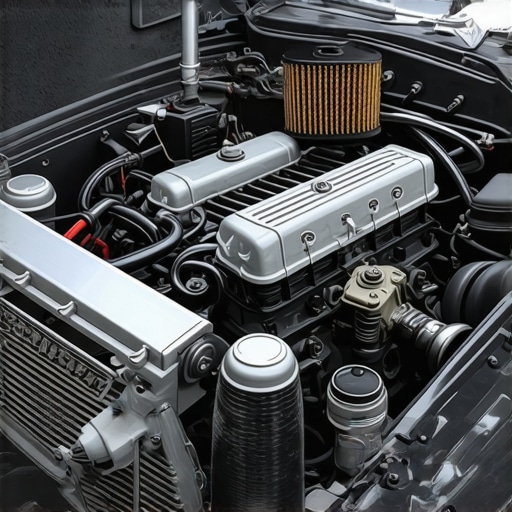
I’ll never forget the time I was running late, gears revving, ready to leave when suddenly my car lurched forward like it had a mind of its own. That frustrating hesitation while pressing the accelerator is a problem I’ve faced firsthand—and I know you’re probably all too familiar with that sinking feeling of wondering, “Is my engine about to die on me?” The good news is, it’s a common issue with manageable fixes, and today, I’ll guide you through the best solutions I’ve discovered over years of auto repair experience.
Understanding Why Your Engine Holds Back
That sudden jerk or sluggish response isn’t just annoying—it’s a sign something’s off with your engine’s health or its components. From dirty fuel injectors to worn spark plugs, numerous factors could be causing your car to hesitate. Knowing what to look for can save you time, money, and the frustration of being stranded.
In fact, according to a recent report by the Car Care Council, about 60% of engine performance issues stem from basic maintenance problems that drivers overlook. Whether it’s a simple tune-up or replacing a faulty sensor, addressing these issues early can extend your vehicle’s lifespan and keep it running smoothly.
Is Fixing Hesitation Worth the Effort?
Let me share a mistake I made early on: ignoring that rough acceleration and postponing repairs. I thought it was normal or just a minor hiccup. But neglecting engine hesitation can lead to more significant, more expensive problems down the road. Now, I always recommend tackling these issues promptly.
Are you experiencing that awkward delay when pressing the gas pedal? If so, you’re not alone, and the good news is, there are effective fixes you can try yourself or with your mechanic’s help. Let’s dive into what might be causing your engine to balk and how you can fix it without breaking the bank.
Ready to get your car back to peak performance? Next, we’ll look at some practical steps that can make a real difference and restore that responsive throttle you deserve.
Inspect the Fuel System for Blockages
Start by checking your fuel injectors, which are like tiny faucets delivering gasoline into your engine. If they’re clogged, your engine won’t receive the proper fuel flow, causing hesitation. To diagnose, listen for a clicking sound when the engine runs; a silent injector might be clogged. Use a fuel injector cleaner additive—pour it into your tank and run the engine at high RPMs for a few minutes. In my experience, this often clears minor blockages, restoring smoother acceleration. For stubborn issues, removing and cleaning injectors is necessary; consult a mechanic or detailed DIY guides. Remember, clean injectors equate to reliable fuel delivery, much like ensuring your pipes are clear for water flow.
Check and Replace Spark Plugs
Next, examine your spark plugs, which ignite the air-fuel mixture. Worn or dirty plugs cause weak or inconsistent sparks, leading to engine hesitation. Remove a spark plug using a spark plug socket—think of it as unscrewing a tiny chimney cap. Inspect for carbon buildup or signs of wear; if the electrode is eroded or the gap widened, replacement is necessary. I once replaced my spark plugs during a weekend project; the process was straightforward, and the engine responded instantly. Properly gapped plugs ensure efficient combustion, similar to tuning a guitar string for maximum resonance.
Test and Replace Mass Air Flow Sensor
The mass air flow (MAF) sensor measures incoming air and helps the ECU adjust fuel delivery. A faulty MAF can send incorrect data, causing hesitation. To test it, disconnect the sensor and note if the hesitation persists—if it improves, the sensor is likely failing. Cleaning the MAF with specialized cleaner can sometimes revive it; spray thoroughly and let dry before reconnecting. If cleaning doesn’t help, replacing the sensor is best. This step is akin to calibrating a scale; accurate input leads to correct output, ensuring your engine’s responsiveness remains top-notch.
Check for Exhaust Blockages or Leaks
Obstructions in your exhaust system, such as a clogged catalytic converter, restrict airflow and cause performance drops. Feel for excessive heat or strange smells—indicators of blockages. I once experienced engine hesitation that was remedied after replacing a clogged catalytic converter. For leaks, listen for hissing sounds or detect soot marks around the exhaust joints. Repairing exhaust issues improves not just acceleration but also engine longevity. Think of it like breathing clean air: unobstructed flow keeps everything running smoothly and efficiently.
Perform a Throttle Body Cleaning
Your throttle body acts like a gatekeeper controlling airflow into the engine. Dirt and carbon buildup cause it to stick or respond sluggishly. Remove the air intake hose from the throttle body and spray a throttle-body cleaner onto the blades; scrub gently with a soft brush if needed. Reinstall the parts and idle the engine for a few minutes to let the cleaner work. I did this routine during a tune-up, and the car’s response felt revitalized. Maintaining a clean throttle body is like keeping your eyes clear—free movement fosters better control and reaction.
Address Sensor and Computer Diagnostics
If none of the above resolve the hesitation, running a diagnostic check with an OBD-II scanner is crucial. It reveals stored error codes pointing to faulty sensors or electronic issues. For instance, a misfire code may indicate a coil problem, while an oxygen sensor code could relate to incorrect air-fuel mixture readings. I once borrowed a scanner from a local auto parts store, which pinpointed a failing sensor—saving me from unnecessary parts replacement. Remember, your vehicle’s onboard computer is like its nervous system; keeping it properly calibrated ensures your engine responds as designed.
Believing All Services Are Equal Can Cost You
One common myth I often see is the assumption that every brake service or tune-up is the same, regardless of the shop or technician. But in my experience, quality varies dramatically, and choosing the cheapest option might lead to subpar work that could compromise your safety and end up costing more in the long run. For instance, spotty brake pad replacement or improper rotor resurfacing can induce vibrations or squeals that aren’t just annoying—they’re dangerous. To ensure you’re not getting duped, always research the shop’s reputation and look for evidence of proper certifications or reviews. Remember, a thorough service involves more than just replacing parts; it includes meticulous inspection and adherence to manufacturer specs, which sometimes gets overlooked in budget jobs. Want to avoid the trap of quick fixes? Check out our guide on 4 signs your brake service was done wrong
Many Think They Can Fix Cars Without Proper Testing
A widespread mistake is skipping proper diagnostic procedures. For example, replacing brake pads without inspecting the calipers or brake fluid can lead to premature wear or failure. Advanced symptoms, like subtle noises or pedal vibrations, often indicate underlying issues that simple replacements won’t address. Failing to perform a complete electrical check or sensor diagnostics is another oops that can cause needless repairs or safety risks. In fact, studies emphasize that comprehensive testing reduces repeat visits and ensures longevity of repairs. If you’re tempted to DIY, remember that proper testing isn’t optional—it’s the backbone of effective auto repair. Not sure if your mechanic is thorough? See our guide on missing electrical checks.
How Deep Does Your Knowledge Go When Waiting for Service?
Advanced drivers often ask: what hidden nuances should I look for during a brake or tune-up? The truth is, many experienced techs check beyond the obvious. They evaluate brake fluid quality, inspect ABS sensors, and scrutinize caliper functioning, which greatly influences braking efficiency. A quick glance may miss issues like internal corrosion or misaligned sensors that trip warning lights later. Moreover, understanding the interplay between different systems—like how engine tuning affects brake performance—transforms you from a passive customer into an informed partner. One common mistake drivers make is ignoring small warning signs that, if caught early, can save hundreds. For instance, unpredictable brake pedal firmness hints at internal leaks or booster problems. Curious about some signs you might overlook? Read about shortcuts that cause rotor damage and what they reveal about your overall system health.
Have you ever fallen into this trap? Let me know in the comments.
Maintaining your vehicle’s performance over the long haul requires more than just basic upkeep; it calls for the right tools and proven methods. One of my favorite investments is a high-quality scan tool, like the Autel MaxiAP AP200, which allows me to run comprehensive diagnostics right in my garage. This device provides real-time data and accesses manufacturer-specific codes, enabling me to quickly pinpoint issues before they escalate. Coupling this with a dedicated set of precision screwdrivers and a torque wrench ensures I perform repairs and adjustments accurately—saving time and preventing damage. When it comes to fluid changes, I rely on a fluorescent dye tester and a UV light to detect leaks or contamination, ensuring that systems like the cooling and brake circuits stay in prime condition. For engine tune-ups, I use a scope camera to inspect internal components without disassembly, giving me a detailed view that helps catch early signs of wear.
Looking ahead, the trend in auto maintenance is moving towards smart, connected tools that synchronize with your vehicle’s onboard systems via Bluetooth or Wi-Fi. This integration not only simplifies diagnostics but also provides ongoing maintenance alerts, making proactive care easier than ever. For example, systems like the FIXD sensor monitor your car’s health continuously and send updates straight to your smartphone, which is a game-changer for understanding your vehicle’s needs in real time.
How do I keep my tools effective over time?
Maintaining the accuracy and longevity of your automotive tools is crucial. Regular calibration of electronic devices like scan tools ensures that codes and readings remain precise. Clean your tools after each use—especially those that come into contact with fluids or dirt—to prevent corrosion and debris buildup. Proper storage in a dry, organized toolbox minimizes damage andmakes tools easier to find when needed. Additionally, staying updated with software updates for electronic diagnostic devices ensures compatibility with newer vehicle models, thereby maintaining your ability to troubleshoot effectively. Investing in quality tools pays off, as they serve you well for years, reducing the need for costly professional repairs.
In my experience, adopting these precise tools and maintenance habits has drastically improved my ability to catch issues early and execute effective repairs. Trying out a calibrated scan tool or inspecting components with a camera can reveal hidden problems before they escalate. For example, catching a small leak with a UV dye tester saved me from a costly radiator replacement later. Consider integrating these tools into your routine for long-term reliability and peace of mind. Curious about a more advanced approach? Dive into detailed diagnostics with an OBD-II scanner and see how early detection can prevent major breakdowns, such as those detailed in this guide on electrical checks. Ready to upgrade your maintenance arsenal? Start by trying a diagnostic scan this weekend—and see what insights it uncovers about your vehicle’s health.
The Wrench in My Plans and What It Taught Me
One of the most valuable lessons I learned was from an unexpected brake squeal that persisted despite multiple repairs. It wasn’t just about fixing the noise but understanding the root cause—often, quick fixes mask deeper issues. This experience pushed me to look beyond surface symptoms and develop a more thorough approach to auto repair, ensuring safety and longevity instead of just immediate silence.
Tools and Tips That Changed How I Approach Auto Troubles
Investing in quality diagnostic tools like a reliable scan gauge or UV dye tester has been a game-changer. These tools reveal hidden problems—like internal leaks or faulty sensors—that straightforward inspections might miss. Using these, I’ve saved countless dollars and avoided headaches, reinforcing that the right equipment is worth its weight in gold for any serious car owner or mechanic.
What I Wish I Knew Before Starting My Car Maintenance Journey
One of the biggest surprises was realizing how interconnected different systems are—how a sluggish engine response could be linked to exhaust flow issues or sensor failures. Recognizing these links early prevented unnecessary replacements and kept my vehicle running smoothly. It’s a reminder that patience, detailed testing, and a curious mind are vital for effective auto care.
My Essential Gear for Keeping Your Car in Peak Condition
From high-quality torque wrenches to professional-grade cleaning sprays, my toolkit has grown over the years. These investments allow me to perform precise repairs and diagnostics, such as adjusting components to exact manufacturer specs or cleaning sensors without removing them. Maintaining these tools ensures accurate readings and successful fixes, empowering me to keep my vehicle trustworthy and safe.
Stay Proactive and Keep Your Engine Happy
With advances in connected car technology, proactive maintenance is more accessible than ever. Devices that sync with your vehicle’s systems can alert you to issues before they become serious. Embracing these smart tools and continuing education helps you stay one step ahead, saving money and extending your car’s lifespan. So, don’t hesitate—start integrating these strategies today for a smoother, safer drive.
What Hard-Earned Lessons Have You Discovered on Your Auto Repair Path? Let Me Know Below
Subscription and learning about the intricacies of brake service and auto repair is a continuous journey. Sharing your experiences might just help others avoid costly mistakes and find better solutions faster. Drop your stories or questions in the comments—your insights could be the first step in someone else’s automotive breakthrough.
Comments are closed.