
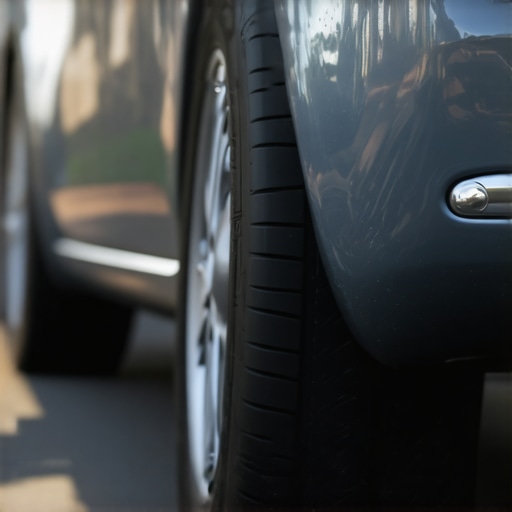
Have you ever slammed on the brakes during a quick stop and felt your car lurch hard to one side? That sudden tug can be unsettling, especially when you’re in a rush or just trying to stay safe on the road. I remember the first time it happened to me—my heart skipped a beat, and I couldn’t help but wonder if I’d overlooked some critical maintenance. It’s that lightbulb moment where you realize, ‘Something’s not right,’ and it demands your attention.
In my years of working on cars and helping friends troubleshoot their brake issues, I’ve learned that this common problem isn’t just annoying—it can be a serious safety concern if left unaddressed. That pulling sensation could point to several underlying causes, from uneven brake wear to suspension problems or even issues with your brake fluid. The good news is, most of these issues are manageable with the right knowledge and a few proactive steps.
So, what’s really going on when your car pulls to one side every time you hit the brakes? More importantly, how can you fix it before it becomes a bigger, more expensive headache?
### Why Ignoring Brake Pulls Could Cost You More Than You Think
Many drivers dismiss this feeling as a minor inconvenience—just a quirk of their aging vehicle. But according to recent auto safety studies, uneven braking can lead to loss of control, especially on wet or slippery roads, increasing the risk of accidents. Not to mention, continued driving with brake imbalance can cause uneven wear on your brake rotors and pads, ultimately leading to costly repairs.
Early mistakes, like neglecting to replace worn brake pads promptly or ignoring brake fluid contamination, can compound the problem. I made that mistake early on with my first car, assuming a little pull was harmless. Turns out, it was a sign of a deeper issue—one I overlooked until my brakes started squealing and increased in cost to fix.
If you’re unsure whether your car’s pulling to one side is a minor glitch or a sign of something serious, it’s worth checking out some trusted sources. For instance, GlassFix Auto highlights certain warning signs that indicate your brake system might need professional attention, ensuring you’re not risking your safety.
Today, I’ll walk you through the key causes behind this phenomenon and how you can address them. By the end, you’ll not only understand what’s wrong but also learn effective, budget-friendly ways to get your brakes back in shape. Ready to get to the bottom of this? Let’s dive into the common causes and practical solutions to stop your car from pulling to one side every time you brake.
Inspect Brake Pads and Rotors
Start by safely elevating your vehicle on jack stands, ensuring stability. Remove the wheels to access the brake components. Visually examine the brake pads for uneven wear or damage—worn spots or glazing indicate they need replacement. Check the rotors for warping, scoring, or cracks. An analogy here is comparing warped rotors to a bent bicycle wheel—causing vibration and misalignment. During my last tune-up, I replaced uneven brake pads and resurfaced the rotors, which immediately improved the braking performance. For more detailed guidance, visit this resource on brake system checks.
Assess Brake Fluid Condition
Next, evaluate your brake fluid, which acts like the oil in your car—crucial for smooth operation. Open the master cylinder reservoir and inspect the fluid’s color and level. Cloudy or dark fluid signals contamination, reducing braking efficiency. If necessary, perform a brake fluid flush to restore proper hydraulic pressure, preventing brake pull caused by inconsistent fluid pressure. Before jumping into a flush, consider whether your fluid has become cloudy—this is a red flag for internal contamination. I once changed mine out and noticed the pedal became firmer and more responsive afterward. For a detailed process, check this guide.
Replace or Repair Brake Components
If the pads or rotors show significant damage, replace them. Use a torque wrench to ensure calipers are properly secured, like tightening nuts on a bicycle wheel. For uneven wear, this simple step can eliminate bias during braking. Also, inspect caliper pistons; sticking pistons can cause uneven pad wear and pull. In a recent project, replacing a stuck caliper fixed the pulling problem instantly, making steering feel like new. When in doubt, always ask your mechanic about potential signs of caliper or piston issues; they can recommend specific repairs like in these fixes.
Test Brake System After Repairs
Reinstall wheels and carefully lower your vehicle. Test the brakes at low speed: brake firmly and observe if the pull persists. If the car still pulls, recheck the components or consider a professional brake alignment. Remember, uneven brake operation can sometimes stem from hidden issues like sticky calipers or brake line blockages, so persistent problems warrant expert diagnostics. I found that after replacing the brake pads and flush, the car stopped pulling and braking felt smooth as silk. For further tips, see additional troubleshooting steps.
Schedule Regular Maintenance to Prevent Future Pulls
Finally, routine maintenance like brake fluid changes, pad inspection, and rotor resurfacing can preempt the problem before it worsens. Think of it as dental checkups—regular care keeps everything in alignment. Applying this proactive approach has saved me from costly repairs in the past, as small issues were caught early. For routine maintenance intervals, visit this guide.
When it comes to car maintenance, many drivers cling to myths that can hinder proper care and lead to costly mistakes. One widespread misconception is that all brake service involves simply replacing pads and calling it a day. While basic pad replacement is crucial, experienced mechanics know that a truly comprehensive brake repair considers rotor condition, hydraulic system integrity, and even suspension components that influence braking performance. Relying solely on pad swaps may overlook underlying issues such as warped rotors or caliper problems, which can cause uneven wear and brake pull. For a deeper dive into proper brake diagnostics, check out this detailed guide. Another myth is that auto repairs always require expensive parts and labor—when in fact, skilled technicians can often perform targeted fixes that extend component lifespan and save you money. One common trap to avoid is neglecting to address subtle symptoms early, as small irregularities can escalate into major failures. For example, ignoring a slightly spongy brake pedal might lead to caliper sticking or brake fluid boiling, problems that could have been prevented with a simple bleed or seal replacement. An advanced question many drivers overlook: Why do some vehicles experience brake sensor triggers in humid weather, even when the brakes are functioning correctly? Experts suggest that moisture ingress can cause sensor corrosion or false signals, emphasizing the importance of thorough electrical checks during routine maintenance (see this article). Let’s not forget the oops factor—failing to verify the condition of brake fluid regularly can lead to internal corrosion and reduced hydraulic pressure, dangerously compromising braking efficiency. Regular testing and timely fluid replacement are key to avoiding surprises. Remember, proactive care not only keeps you safe but also preserves your vehicle’s value. Have you ever fallen into this trap? Let me know in the comments. By understanding these nuances and avoiding common pitfalls, you’ll approach auto repair with confidence and save yourself from unnecessary headaches.Keeping your brakes in top condition isn’t just about quick fixes—it’s about investing in the right tools and establishing a sustainable maintenance routine. One of my favorite tools for ensuring long-term brake health is a high-quality digital brake rotor gauge. I personally use the Mitutoyo Dial Indicator because its precision helps me detect subtle warping or unevenness early, preventing more costly repairs down the line. I’ve found that regular measurement sessions, every 10,000 miles or during major service intervals, help me catch issues before they become emergencies.
How do I maintain brake performance over time
In addition to handheld tools, a reliable brake fluid tester like the Valvoline Brake Fluid Test Strip is essential. It quickly indicates if your fluid has absorbed moisture or degraded—both common causes of brake system deterioration. Why am I so particular about using these specific tools? Because they provide actionable data rather than guessing, enabling me to schedule timely replacements or adjustments. Looking ahead, the trend is moving towards integrated diagnostic systems that monitor brake health in real-time through your vehicle’s onboard computer—something I believe will democratize expert-level maintenance for everyday drivers. To stay ahead, I recommend pairing these tools with software like the BrakeCheck app, which logs measurements and flags irregularities after every service. 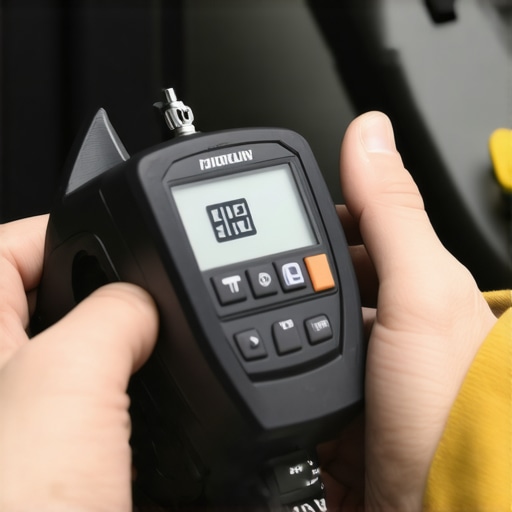
Proper maintenance isn’t just about tools; it’s about adopting a routine that balances inspections, fluid changes, and component checks. For example, making a habit of checking your brake fluid condition when performing tire rotations can save you from unexpected brake fade or failure. Remember, neglecting these steps can lead to uneven wear, reduced stopping power, or even rotor warping—problems that are far more expensive if left unaddressed. By integrating a schedule and using precise tools, you set yourself up for a safer, smoother drive. If you’re ready to get serious, start by integrating a digital rotor gauge into your next brake inspection. Trust me, the peace of mind it brings is worth the small investment. For targeted insights on extending your brake system’s lifespan, see how simple measures can prevent issues like brake squealing or vibration at this resource.
The Hardest Lesson I Learned About Brake Service, Auto Repair, Car Service, and Tune-Ups
One of my most eye-opening experiences was realizing that seemingly minor issues like a car pulling to one side can be harbingers of bigger, more costly problems. I used to dismiss these signs, thinking they’d resolve themselves or weren’t worth the trouble. But I learned the hard way that ignoring brake pulls can compromise safety and lead to uneven wear on essential components. Now, I understand the importance of proactive maintenance, including regular brake inspections and fluid checks, which can save you a lot of headaches and cash in the long run.
Secrets That Changed My Approach to Car Care
- Trust in precision tools like a digital rotor gauge has transformed my maintenance routine. It helps me detect issues early, before they become big expenses.
- Regularly testing brake fluid with reliable strips has been a game-changer—keeping hydraulic pressure optimal and avoiding internal corrosion.
- Understanding that brake issues often stem from multiple causes—pads, rotors, calipers, or fluid—has made me more thorough with diagnostics and repairs.
- A proactive maintenance schedule, including scheduled fluid changes and component inspections, prevents the dreaded ‘surprise’ failures that leave you stranded.
- Learning about common myths, such as “brakes just wear out,” helped me approach repairs more intelligently, ensuring I don’t overlook simple fixes that preserve safety and savings.
Tools and Resources That Keep Me on Track
- The Mitutoyo Dial Indicator has been invaluable for measuring rotor warping with precision, catching problems early on.
- BrakeCheck app allows me to log measurements and monitor changes over time, which helps schedule timely interventions.
- Trusted online guides like GlassFix Auto’s comprehensive articles provide step-by-step instructions that empower me to handle minor repairs myself safely.
- High-quality brake fluid test strips like Valvoline’s offer quick insights into the health of my brake fluid, preventing internal damage.
Don’t Wait for a Warning Sign — Take Charge of Your Brake Health
Remember, your brakes are your vehicle’s most critical safety feature. By staying informed, using the right tools, and maintaining a regular schedule, you can keep your brake system working flawlessly and avoid costly surprises. The road to safe driving isn’t paved by luck—it’s built on knowledge and proactive care. Ready to start your own maintenance routine today? Better brakes await you!
What’s the most surprising thing you’ve learned about auto repair or brake maintenance? Share your story below!
Comments are closed.