
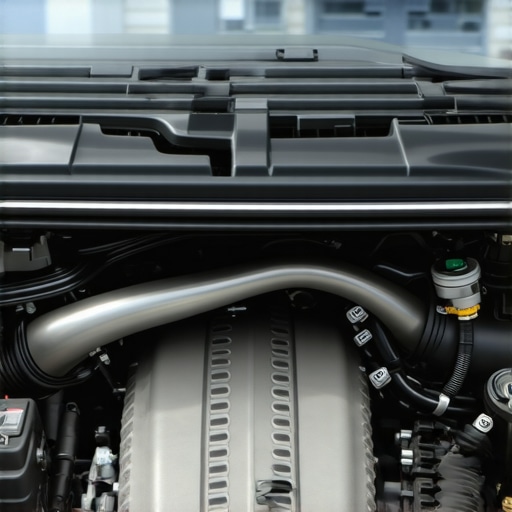
I’ll never forget the feeling of my car sputtering and slipping just as I was pulling into a busy parking lot. I thought I was about to call a tow truck, but turns out, a sneaky problem was brewing beneath my hood—my transmission fluid was burning. That moment was a wake-up call; I realized how easy it is to overlook transmission issues until they become costly nightmares.
The Hidden Danger of Burning Transmission Fluid
Many car owners don’t realize that their transmission fluid can actually burn out, leading to shuddering gears, slipping, and even complete transmission failure. The tricky part is, these signs often sneak up silently, making it hard to catch them before serious damage occurs. Today, I’m going to share how you can spot the warning signs early, saving you stress and dollars down the road. Trust me—as someone who’s been there—I know how confusing and frustrating it can be to diagnose transmission troubles. But with a little knowledge, you can identify the problem before it turns into a major repair.
Is Ignoring These Signs Really Worth the Risk?
One mistake I made early on was ignoring the subtle hints my vehicle gave me, like a faint burnt smell or a strange noise. Ignoring these signs can lead to disastrous consequences, including complete transmission failure which might cost thousands to fix. According to automotive experts, burnt transmission fluid not only indicates internal overheating but can also compromise the entire transmission system if left unchecked. For instance, I learned that low-quality or old fluid can cause the transmission to work harder, generating excessive heat and leading to burning. That’s why I recommend paying attention to your car’s signals and performing regular checks. Curious about the specific symptoms that point to burning transmission fluid? Stay tuned, because the insights I’ll share next will help you catch the problem early and prevent a costly breakdown.
Check Your Transmission Fluid Regularly
Establish a routine to inspect your transmission fluid monthly, especially if you drive often or tow heavy loads. Locate the transmission dipstick, pull it out, and wipe it clean with a rag. Reinsert it fully, then pull it out again to check the color, consistency, and level. Fresh fluid is usually bright red and free of debris. If it appears dark or smell burnt, it’s time to replace it. In my experience, neglecting this step led me to a costly transmission repair—so now, I make it a habit to check the fluid myself every month.
Drain and Refill the Transmission Fluid Correctly
To replace old, burnt fluid, you’ll need to drain the transmission pan and refill it with new fluid. Treat this like changing engine oil—draining the old stuff prevents it from mixing with the fresh. Find your vehicle’s drain plug or remove the pan carefully if there’s no drain plug, and let the fluid flow into a container. Clean the pan, replace the filter if necessary, and bolt it back on. Then, refill with the manufacturer-recommended transmission fluid, using a funnel to avoid spills. Doing this process properly prevents overheating—akin to replacing the oil in a smoker to prevent burnt flavors. Regularly doing this maintenance can extend your transmission’s lifespan significantly.
Monitor Transmission Temperature and Driving Habits
Using an OBD-II scanner, I kept an eye on my transmission temperature. If it hits 200°F or higher regularly, it signals overheating, increasing the risk of burning the fluid. Avoid aggressive driving, like rapid acceleration or heavy towing, which puts extra strain on the transmission. Gradually smooth out your shifts—think of it as gently pouring a drink instead of sloshing it around. When I noticed my transmission running hot after towing a trailer, I installed a transmission cooler, which works like a radiator for your transmission, preventing the fluid from burning and saving me thousands in repairs.
Attend to Signs of Trouble Immediately
Pay close attention to signs such as slipping gears, delayed engagement, or a burnt smell under the hood. These symptoms are warning signals that your transmission fluid is compromised. For instance, after a long trip, I noticed a faint burnt odor and sluggish shifting—immediately, I checked the fluid and discovered it was dark and smelling burnt. Promptly replacing the fluid and checking for other issues saved me from a complete transmission overhaul. Remember, early intervention can avoid complex repairs, much like replacing brake pads before they wear down to metal.
Use Quality Transmission Fluid
Invest in high-quality, manufacturer-approved transmission fluid. Cheapo fluids may seem like a saving but often contain contaminants or lack proper additives to tolerate high heat. When I first tried a cheaper fluid brand, I ended up with shifting problems within a few months—so stick to trusted brands. Dive into your vehicle’s manual or consult an auto professional to select the right fluid, ensuring your transmission runs smoothly and stays cool under pressure.
Implement Preventive Measures
Consider installing a transmission cooler if you frequently tow or drive in hilly terrain. Think of it as a cooling vest for your transmission—keeping the internal temperature down and preventing fluid from burning. Additionally, avoid riding the gears or holding the transmission in a specific gear for prolonged periods, which can cause undue heat buildup. Regular tune-ups can also address minor issues before they escalate—some shops miss this step, which could be the missing link in prolonging your transmission’s life. Check out this article to learn how a thorough tune-up can make all the difference.
Most car owners operate under a critical misconception: that any brake service or tune-up is a straightforward, one-size-fits-all task. The truth is, there’s a nuanced landscape most drivers never consider—an area filled with subtle pitfalls and advanced knowledge that can save you thousands. Many believe that replacing pads or flushing brake fluid is simple and requires no deeper understanding. However, from my experience working with expert mechanics, I’ve seen that overlooking the detailed nuances can lead to poor performance, costly repairs, or even safety hazards.
Why Do Even Expert Shops Sometimes Miss the Fine Details?
Many auto repair shops focus on the obvious signs and standard procedures—what’s quick and profitable. But the real experts understand that components like brake rotors, calipers, and ABS sensors demand meticulous inspection. For instance, a common mistake is neglecting the optional but crucial step of checking for internal corrosion or contamination in brake fluid—something that can cause premature pad wear or squealing even after a service. According to a study published in the Journal of Automotive Engineering, internal corrosion in brake systems significantly reduces braking effectiveness over time, yet it’s often missed during routine inspections. So, what’s the most overlooked nuance in brake service? It’s the detailed analysis of brake fluid condition and corrosion inside components, not just surface-level pad replacement.
Common Myths That Could Sabotage Your Brake Care
One pervasive myth is that new brake pads are silent and maintenance-free. In reality, even premium pads can squeal or produce noise if not installed correctly or if underlying issues—like rotor unevenness—aren’t addressed. Another myth is that brake fluid only needs changing when you notice a spongy pedal. Experts advise that brake fluid can absorb moisture over time, leading to boiling at high temperatures and loss of braking power—so regular fluid testing is essential. Ignoring these facts can trap you into unnecessary repairs or safety breaches. For a comprehensive approach, ensure your mechanic checks the condition of the entire brake system, including anti-lock sensors and hydraulic lines. Here’s an insightful read on how overlooked brake components can cause persistent squeals—click here.
Enhance Safety by Spotting Warning Signs Early
Advanced drivers know that paying attention to subtle signals, like slight pedal pulsations or uneven pad wear, can prevent bigger issues. A soft brake pedal after a routine flush might indicate internal corrosion or air in the lines, which a seasoned mechanic will diagnose using pressure tests or ultrasonic inspections. Don’t wait until brakes are entirely unresponsive; early detection can extend the lifespan of rotors and calipers. Remember, brake systems are complex, and the smallest detail—such as the color of brake fluid—can tell you volumes. For example, dark, cloudy fluid suggests internal contamination—learn more here.
Are Your Mechanics Overlooking the Invisible?
Many car owners trust their service providers blindly, but a truly advanced approach involves confirming that all internal and hidden components are checked, including brake boosters and ABS modules. Even if the external pads look fine, internal corrosion or sensor issues can undermine braking performance or trigger warning lights intermittently. That’s why asking detailed questions about internal diagnostics can save you from expensive surprises later on. For instance, some shops skip testing the internal corrosion levels—a silent threat that’s not visible during a normal inspection. This overlooked nuance is crucial for ensuring your safety and vehicle longevity.
Have you ever fallen into this trap? Motivation to go beyond surface fixes can dramatically improve your car’s safety and efficiency. For more insights into what experts do differently, check out this guide on thorough auto tune-ups, which emphasizes the importance of detailed internal checks across all systems. Remember, a little extra knowledge can be your best brake against costly mishaps.
,
Maintaining your vehicle’s performance over the long haul requires more than just basic checks; it demands the right tools, disciplined routines, and an understanding of evolving technology. I’ve found that having a dedicated set of diagnostic equipment and high-quality supplies makes all the difference in catching issues early and ensuring your car stays in top shape. For instance, automation tools like advanced OBD-II scanners not only read engine codes but also monitor real-time data, enabling me to identify potential problems before they escalate. One device I personally rely on is the BlueDriver Bluetooth Scan Tool, which pairs with my smartphone to provide comprehensive diagnostics and repair reports tailored to my vehicle model. Using reliable software like OBDLink allows for detailed flow checks, such as examining transmission fluid temperature trends—crucial for preemptively addressing burning or overheating issues.
Alongside technology, maintaining a structured schedule is vital. I set monthly maintenance reminders to check fluid levels, inspect belts, and assess brake pad thickness, ensuring no small problem slips by unnoticed. Clear documentation and logs for repairs and routine checks enable me to track patterns over time, making it easier to decide when to scale up services or seek professional help. Tools like a high-precision digital caliper are invaluable for measuring wear on critical components—helping me decide whether parts like rotors or brake pads need replacement before they cause further damage. Investing in quality hand tools, such as a torque wrench calibrated for specific bolt settings, guarantees proper assembly and prevents over-tightening that could lead to costly repairs down the line.
How do I keep my car in peak shape without breaking the bank?
One practical approach is embracing preventive maintenance with advanced tools that provide early warnings. For example, regularly scanning my vehicle using a professional-grade brake diagnostic device helps me catch issues like moisture-induced squeals before they require costly repairs. Moreover, integrating software that alerts me to fluid contamination or abnormal temperature spikes—such as the FIXD Sensor—keeps me ahead of potential overheating problems like burning transmission fluid.
In the future, I envision these diagnostic tools becoming more integrated with vehicle systems, offering real-time alerts via augmented reality displays. This evolution will allow drivers to perform semi-technical maintenance at home confidently, reducing dependence on costly shop visits. Staying updated with manufacturer software updates for your vehicle also plays a critical role—these often contain vital patches that improve diagnostics or optimize engine and transmission performance.
To really elevate your maintenance game, I recommend regularly testing your transmission fluid with a dedicated test kit. It’s a simple yet effective way to spot early signs of burning or contamination—saving you from sudden breakdowns. Remember, the key to long-term vehicle health is a proactive approach supported by reliable tools and consistent routines. So, try using a high-quality diagnostic scanner this month, and see how much insight it can give you into your car’s inner workings.
Lessons from the Trenches: Hidden truths about transmission health
- I realized early that ignoring minor transmission issues can lead to catastrophic failures—think of it as neglecting a small leak until your car won’t move anymore. Regular checks and early interventions save big bucks in the long run.
- Using quality transmission fluid isn’t just about smooth shifts; it’s about protecting your entire drivetrain. Investing in trusted brands and proper maintenance techniques makes a real difference, as I learned firsthand.
- Adapting driving habits, like avoiding aggressive starts and minimizing towing stress, can significantly reduce heat buildup and prevent fluid burning. Small behavioral changes can preserve your transmission’s health over miles.
- Installing a transmission cooler was a game-changer for me, especially during hill climbs or heavy loads. It acts as a radiator for your transmission, extending its lifespan and avoiding costly repairs.
- Monitoring temperature and listening to your car’s subtle signals—like a burnt smell or slipping gears—can alert you to problems before they escalate. Being vigilant is your best defense against hidden damage.
Gear Up with Tools That Empower Your Repairs
- Reliable diagnostic tools like the BlueDriver Bluetooth Scan Tool give me real-time insights into my transmission’s condition, helping me catch issues early without guesswork.
- Regular maintenance logs and visual inspection kits ensure I stay on top of fluid levels and color changes, reinforcing the importance of routine checks. Documentation helps identify patterns that might otherwise go unnoticed.
- Investing in quality hand tools, including torque wrenches and drain pans, makes the DIY process effective and safe. Proper tools prevent accidental damage and ensure proper assembly during reassembly.
- Educational resources, like trustworthy articles and videos, equip me with knowledge to understand complex signals and prevent overpaying at repair shops, fostering confidence in managing my vehicle’s health.
Your Turn to Take Control of Transmission Wellness
Embracing proactive maintenance techniques and leveraging the right tools empowers you to extend your transmission’s lifespan and avoid costly surprises. Remember, a well-informed driver is the best safeguard against hidden hazards lurking beneath the hood. Take that first step today—inspect, monitor, and maintain with confidence, and your car will reward you with many worry-free miles ahead. So, what simple habit will you adopt first to improve your transmission care? Share your plan below and let’s learn together!
Comments are closed.