
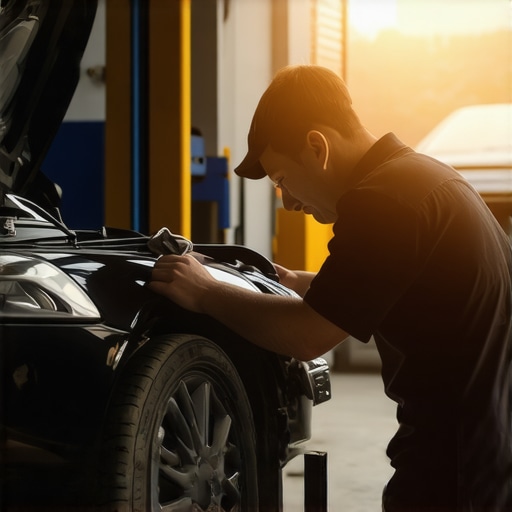
Ever been halfway down the street when you suddenly hear that unsettling squeal from your wheels? It’s a sinking feeling, isn’t it? I remember the first time I ignored that warning—thinking it was just some dirt or a minor annoyance. Turns out, that tiny squeal was a sign my brakes were crying out for help. Ignoring it nearly cost me more than I wanted to pay. That was my lightbulb moment—realizing that trusting my instincts and understanding what my car was telling me could save me big time.
Why Proper Brake Maintenance Matters More Than You Think
Brakes aren’t just a safety feature; they’re the backbone of your confidence on the road. When your brakes are in good shape, you drive with peace of mind. But neglect them, and you’re risking much more than a sudden stop—you’re risking your safety and your wallet. According to the National Highway Traffic Safety Administration, brake failure is a leading cause of car accidents. That’s a stark reminder that we shouldn’t take our braking system lightly. The good news? Many issues are preventable if you spot the warning signs early.
Is Brake Replacement Actually Worth the Hype?
Early on, I made the mistake of thinking I could stretch my brake pads longer than I should have. I ignored the subtle signs, like a softer brake pedal or a bit of pulsing. When I finally took my car in, the mechanic told me I’d been risking a much more expensive repair. That taught me a crucial lesson: regular check-ups and understanding the signs of wear are essential. If you’re wondering whether to replace or repair, I’ll tell you—staying ahead of brake issues is the best way to keep your car reliable and safe. For detailed guidance, check out trusted brake service strategies.
Now that I’ve shared my mistake, let’s dive into how you can keep your brakes in check and avoid the stress and expense of sudden failures. Because a little knowledge and proactive care go a long way towards safe, confident driving.
Start with a Visual Inspection of Your Brakes
Pull out a flashlight and examine your brake components, focusing on the brake pads, rotors, and calipers. Look for uneven wear, cracks, or rust buildup. During one instance, I noticed my brake pads were thinner than recommended—about 2mm—and that was a clear sign to replace them before they caused further damage. Regular visual checks can prevent costly repairs and keep your vehicle dependable. For more detailed guidance, visit reliable brake service solutions.
Check Brake Fluid Levels and Quality
Brake fluid is the lifeblood of your braking system. Use the dipstick or reservoir window to check the fluid level—if it’s below the minimum line, top it off with the manufacturer-recommended type. Also, inspect the fluid for contamination; dark, murky fluid indicates it’s time for a flush. I once ignored this step, and my brake pedal became soft and unresponsive. After a brake fluid change, my brakes felt instantly more responsive, proving the importance of this simple maintenance task. For expert tips, see reliable car tune-up strategies.
Test Brake Response and Pedal Feel
Carefully test your brakes in a safe area. Accelerate slightly and then apply firm, steady pressure to the brake pedal. It should feel firm and stop your vehicle smoothly without pulsing or excessive softness. If your pedal sinks to the floor or feels spongy, it could indicate air in the system or worn-out brake components. I once experienced a spongy pedal and promptly scheduled a brake bleed, which restored my confidence on the road. Regular testing helps catch issues early. For more on maintaining reliable brakes, check trusted brake maintenance strategies.
Listen for Unusual Noises During Braking
Squealing, grinding, or screeching sounds are often early warnings of brake problems. I remember hearing a high-pitched squeal which signaled my brake pads were nearing the end of their life. Addressing this promptly with a professional service like top brake service tips prevents further damage to rotors and calipers. Don’t ignore these sounds—they’re your vehicle’s way of telling you something needs attention.
Schedule Regular Professional Inspections
While visual checks and tests are vital, a professional inspection ensures all hidden components are in top shape. Mechanics can measure pad thickness, check for rotor warping, and test brake fluid quality using specialized tools. I learned this the hard way when my mechanic caught a small crack in the rotor before it became a dangerous failure. Regular inspections, ideally every 12,000 miles or annually, keep your brakes performing reliably. For comprehensive service, explore auto repair tune-up strategies.
Many car owners believe that as long as their brakes look fine and stop the vehicle when needed, they are in good shape. However, this misconception can lead to costly repairs and safety risks. The reality is that most people underestimate the importance of subtle nuances in brake maintenance that can make a significant difference in performance and longevity.
One common myth is that ignoring minor squeals or vibrations isn’t a big deal. In fact, these signs are often early warnings of underlying issues like uneven pad wear or rotor warping. Many drivers think they can just ‘wait it out’ until the next scheduled service, but this approach can cause further damage, making repairs more expensive and reducing safety. Regular inspections, especially focusing on these small indicators, are crucial. For detailed strategies to stay ahead of problems, consider visiting reliable brake service solutions.
Another advanced mistake is neglecting the role of brake fluid quality. While many know to check fluid levels, few realize that brake fluid can become contaminated or lose its effectiveness over time, especially if exposed to moisture. This deterioration can cause a spongy pedal or even total brake failure under heavy use. Experts recommend replacing brake fluid every 2-3 years, but a surprising number of drivers skip this step, risking safety. For expert advice on maintaining optimal brake fluid condition, see reliable car tune-up strategies.
Why do many drivers overlook the importance of rotor surface quality?
It’s common to focus solely on brake pads, but rotors are equally vital. Many believe that resurfacing or replacing rotors is unnecessary unless there’s a loud noise or vibration. In reality, rotor surface irregularities—even microscopic ones—can cause uneven brake pad contact, reducing braking efficiency and causing premature pad wear. Advanced diagnostics can detect rotor warping or surface degradation early, but most drivers aren’t aware of these nuances. Regular professional inspections, including rotor surface analysis, are essential for long-term safety. For comprehensive insights, explore auto repair maintenance strategies.
Have you ever fallen into this trap? Let me know in the comments. Remember, understanding these hidden nuances and avoiding common mistakes can save you money and keep you safe on the road. Staying proactive with your brake maintenance isn’t just about avoiding breakdowns—it’s about ensuring peace of mind every time you hit the pedal.
Invest in Quality Diagnostic Equipment
One of the most reliable ways to ensure your brakes stay in excellent condition over time is by using advanced diagnostic tools. Personally, I rely on a digital brake rotor gauge, which provides precise measurements of rotor surface evenness, helping me catch early signs of warping or uneven wear. This tool is essential because it allows for accurate assessments that simple visual inspections might miss, ultimately saving money and increasing safety. When combined with a high-quality code scanner capable of reading ABS and brake system sensors, I can diagnose issues before they escalate. For instance, regularly checking sensor data helps prevent unexpected failures, aligning with the advice found in trusted car tune-up strategies for ongoing reliability.
Use Specialized Cleaning and Lubrication Products
Maintaining your brake components includes more than inspections; it’s about keeping parts clean and well-lubricated. I recommend using a high-temperature brake cleaner spray designed to remove brake dust, grease, and grime without damaging rubber seals. Plus, applying a silicone-based brake lubricant on caliper slide pins and contact points ensures smooth operation and prevents sticking or uneven pad wear. These small but crucial steps extend component life and ensure responsive braking. Regularly performing this maintenance, especially during seasonal changes, can dramatically improve your brake system’s longevity. For trusted products, check out reliable brake service strategies.
Implement Routine Software Updates
Modern vehicles rely heavily on electronic control units (ECUs) for managing braking functions like Anti-lock Braking System (ABS) and Electronic Stability Control (ESC). Keeping this software up to date is vital for optimal performance. I make it a habit to visit my dealership or a trusted mechanic for periodic updates using manufacturer-specific diagnostic software. These updates often include improvements in brake system diagnostics, safety features, and fault code algorithms, ensuring that the system functions correctly under all conditions. As technology advances, future trends may include over-the-air updates, making maintenance even more seamless and proactive. To stay ahead, regularly check for updates and incorporate them into your maintenance routine.
How do I maintain brake system software over time?
Regularly consulting with your mechanic about software updates and ensuring your vehicle’s ECU is running the latest firmware can prevent system glitches. It’s also wise to keep an eye on manufacturer recalls related to brake electronics, which often address software vulnerabilities. For enhanced safety, consider subscribing to your vehicle’s manufacturer alerts or using dedicated apps that notify you about updates and recalls. This proactive approach aligns with the trend toward integrated vehicle maintenance solutions, ensuring your brakes perform flawlessly for the long haul.
Finally, I recommend trying out the advanced diagnostic tools and maintenance techniques I’ve shared here—investing in the right equipment and staying informed about software updates can make all the difference in keeping your braking system reliable and safe. Remember, a little effort today can save you significant costs and stress tomorrow.
The Hardest Lesson I Learned About Brake Care
One of the most eye-opening moments in my driving experience was realizing how small signs like a slight squeal or a soft pedal could signal major issues. Ignoring these warnings nearly led to costly repairs and safety risks. This taught me to pay close attention to my brakes and trust my instincts, which ultimately saved me money and kept me safe on the road.
3 Myths About Brakes That Can Hold You Back
Many drivers believe that as long as their car stops when they press the pedal, their brakes are fine. But the truth is, surface irregularities on rotors, contaminated brake fluid, and uneven pad wear can all compromise safety even if the car still stops. Busting these myths helped me take proactive steps in brake maintenance, avoiding unnecessary dangers.
What Experts Won’t Tell You About Brake Maintenance
Professionals often emphasize routine inspections, but what they might not stress enough is the importance of using precise diagnostic tools like rotor gauges and software updates. These hidden details can detect issues early, preventing emergencies. Investing in the right tools and staying informed about technological advances can make all the difference in long-term brake reliability.
My Essential Toolkit for Brake Care
Using high-quality diagnostic equipment, such as digital rotor gauges and ABS sensors readers, has transformed how I monitor my brake system. I trust these tools because they provide accurate insights that simple visual checks might miss, helping me catch problems before they escalate. For expert-recommended tools, visit trusted car tune-up strategies.
Where to Go from Here
If you’re serious about keeping your brakes in top shape, I recommend scheduling regular professional inspections and investing in preventive maintenance. Learning to recognize early warning signs and leveraging advanced diagnostic tools will give you confidence and peace of mind. Remember, a little effort today ensures safe, reliable driving tomorrow. Explore more about reliable brake service solutions here.