
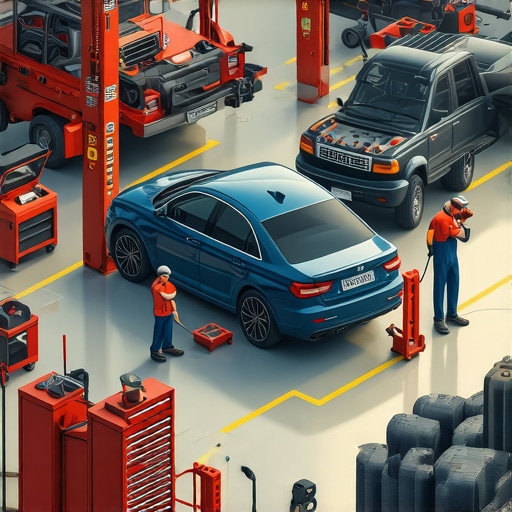
There was a moment not long ago when I hit the brakes a little too late and felt that sinking panic—it was a wake-up call I won’t forget. That fleeting sensation of the car sluggishly responding made me realize how crucial proper brake maintenance really is. If you’ve ever experienced that jittery feeling or wondered if your brakes are truly reliable, you’re not alone. Many drivers overlook the small signs until it’s almost too late.
Stop Guessing: The Secret to Reliable Brakes
Trust me, I learned the hard way that preventive brake service isn’t just about avoiding surprises—it’s about peace of mind and safety on the road. Today, I want to share how you can ensure your brakes are always ready to respond when you need them most. We’ll explore proven strategies that keep your braking system in top shape, so you can drive confidently without the fear of brake failure.
Is Putting Off Brake Maintenance Actually Worth the Risk?
Admittedly, I used to think that ignoring minor squeaks or vibrations was no big deal. That was a mistake. Early in my auto repair journey, I believed that brakes would last forever if I didn’t bother them. Turns out, neglecting regular checks leads to more costly repairs and, worse, dangerous situations. According to the National Highway Traffic Safety Administration, brake failure contributes to thousands of accidents annually—an eye-opener for me and hopefully for you too. Learning from my oversight, I now prioritize regular brake inspections, which you can read more about here.
Have you ever dismissed that annoying grinding or felt hesitant applying your brakes? If so, you’re in good company. But being proactive can make all the difference. Next, we’ll dive into practical steps that will boost your confidence in your vehicle’s braking system and keep you safe on every drive.
Inspect Your Brake System Regularly
Starting with a visual inspection is akin to a doctor checking your vital signs—simple but essential. Pull back your wheel to examine the brake pads and rotors for wear or damage. I remember once finding a cracked rotor on my sedan after a routine tire change, which, if unnoticed, could have led to brake failure. Use a flashlight to look for uneven wear, warping, or glazing—a shiny surface on pads indicates overheating. Regular visuals prevent unplanned breakdowns and enhance safety.
Check Brake Pad Thickness
Use a ruler or a brake pad gauge to measure the pad thickness. The rule of thumb? Replace pads before they reach 3mm to avoid metal-on-metal contact, which can ruin rotors. I learned this when I ignored slight squeaking—later, I paid more for replacing both pads and rotors. Keeping an eye on pad thickness is quick, cost-effective, and translates into safe stopping power.
Test Brake Fluid Quality and Level
Think of brake fluid as the blood of your braking system—it transmits force from pedal to calipers. Check the reservoir regularly; it should be between ‘MIN’ and ‘MAX’ marks. If the fluid is dark, murky, or has a burnt smell, it’s time for a flush. I once ignored a low fluid level, and air entered the system, causing spongy brakes. Flushing and replacing brake fluid every two years ensures reliable performance and prevents corrosion inside the system.
Perform a Brake Pedal Test
With your engine off, press the brake pedal multiple times to check for firmness. If it feels soft or sinks to the floor, air in the lines could be the culprit. I experienced this firsthand during a DIY brake bleed, which restored pedal firmness and restored my confidence. This simple test confirms whether your hydraulic system is functioning properly and helps spot potential issues early.
Assess Brake Rotors for Warping
While driving, if you notice vibrations or pulsing in the brake pedal, your rotors might be warped—as if your steering wheel is fighting against you. To verify, gently apply the brakes at moderate speed and observe. I once felt a persistent wobble, which led me to have the rotors machined, prolonging their lifespan significantly. Addressing rotor issues promptly prevents uneven brake pad wear and maintains smooth stopping power.
Listen for Unusual Noises During Braking
Squealing, grinding, or squeaking can signal worn pads or debris lodged between the pad and rotor. Sound is often the first alert to a problem. I remember when a tiny rock caused a high-pitched squeal, but neglecting persistent grinding led to more extensive repairs. Regularly listening to your brake sounds and acting swiftly keeps your system reliable and avoids costly replacements.
Schedule Professional Brake Service
While routine checks help catch minor issues early, professional inspection is vital for thorough assessment. Mechanics can measure rotor thickness precisely, check calipers, and bleed hydraulic systems. I once ignored a scheduled service, which culminated in a sudden brake failure on a rainy day. Regular professional maintenance, like the trustworthy services discussed here, ensures your brakes respond flawlessly when it matters most.
Replace Components Before They Fail
Knowing when to replace pads, rotors, or brake lines is crucial. Worn pads expose rotors to damage, leading to more invasive and costly repairs. My experience with a failing caliper underscored the importance of timely replacement—preventing brake drag and overheating. Staying proactive with component replacements maintains your vehicle’s safety and your peace of mind.
When it comes to automotive maintenance, many car owners operate under myths that can jeopardize their safety and inflate repair costs. One common misconception is that waiting for warning signs before servicing a vehicle will save money. But in my experience, proactive maintenance—especially with critical systems like brakes—actually reduces long-term expenses. Delaying brake service until you hear squealing or feel pulsing often leads to rotor damage and more costly repairs. Experts agree that regular check-ups are essential for reliable performance; a study by the National Institute for Automotive Service Excellence highlights this, emphasizing that preventative care can extend vehicle lifespan significantly. Another trap I see drivers fall into is relying solely on synthetic oils, believing they negate the need for regular oil changes. While synthetic oils have advantages, they still degrade over time and require scheduled replacements. Missing these intervals can cause engine wear, and in some cases, lead to severe engine failure—an outcome no driver wants. For the advanced car enthusiast, understanding the nuances like the impact of brake fluid boiling point on stopping power is crucial. Over time, brake fluid absorbs moisture, which lowers its boiling point—compromising safety during heavy braking. Mechanics recommend replacing brake fluid every two years to prevent this issue. If you’re serious about maintaining a vehicle that runs smoothly and safely, it’s important to look beyond surface-level advice. Regular, detailed inspections can catch problems before they escalate, preserving safety and vehicle longevity. Missing these subtle signs or trusting outdated advice can be a costly mistake. For comprehensive guidance, review strategies discussed in trusted sources like this article on effective brake maintenance strategies. Remember, being informed about the hidden nuances of car care empowers you to make smarter decisions and avoid common pitfalls. Have you ever fallen into this trap? Let me know in the comments.Maintaining your vehicle’s brake system over time requires more than just frequent visits to the mechanic—it’s about arming yourself with the right tools and knowledge to keep things running smoothly. From specialized diagnostic equipment to simple manual inspections, knowing what and how to check can save you money and enhance your safety.
One essential tool I personally rely on is a digital caliper for measuring brake pad thickness accurately. Unlike generic gauges, a high-quality digital caliper offers precision down to thousandths of an inch, enabling me to track pad wear with confidence. Regularly checking pad thickness helps me determine when it’s time for replacements before the pads wear down to critical levels, which could cause rotor damage. For brake fluid level monitoring, I use a clear, graduated container to verify fluid at-a-glance, ensuring it’s within optimal ranges.
When it comes to inspecting rotors, a dial indicator comes in handy for detecting warping or runout. If you notice vibrations during braking, using this tool can confirm if rotors are out of spec. Additionally, a flashlight with a focused beam illuminates hidden cracks or glazing on brake components that might be missed otherwise.
For routine checks, I set up a checklist that incorporates these tools, along with visual inspections, to ensure nothing is overlooked. Keeping detailed records of measurements over time allows me to spot patterns indicating systemic issues—like consistently thinning pads or increasing rotor runout—which informs my maintenance schedule.
Looking ahead, the trend is moving towards integrated diagnostic systems. Many modern vehicles come equipped with onboard sensors that monitor brake component wear and alert drivers proactively. As technology advances, I predict these systems will become standard, making maintenance even more accessible and less guesswork-based.
**How do I maintain my brake system over time?** Regularly calibrating diagnostic tools and following a structured inspection routine is key. Incorporating professional services like those found at trusted auto repair shops guarantees comprehensive evaluations. For example, a detailed brake inspection outlined here emphasizes the importance of combining manual checks with advanced diagnostics.
Don’t hesitate to try integrating a dial indicator into your maintenance process—it’s a game-changer for early detection of rotor issues. By leveraging these precise tools and techniques, you can extend the lifespan of your brake components and enjoy safer, more reliable driving for years to come.
What I Got Wrong About Brake Maintenance and How You Can Avoid the Same Pitfalls
One of my biggest learning moments was realizing that even seemingly minor issues, like a faint squeal or a slight vibration, shouldn’t be ignored. Over those years, I discovered that neglecting small signs often leads to costly repairs or dangerous breakdowns. If I could turn back time, I would’ve prioritized systematic inspections rather than waiting for warning signs.
Another lesson was understanding that trust in high-quality components is essential, but it isn’t enough without proper installation and regular checks. I’ve seen firsthand how a premium brake pad can still fail prematurely if not maintained correctly, reinforcing that knowledge and proactive care go hand-in-hand.
Lastly, I learned that professional guidance isn’t just for repairs—it’s your best defense against hidden issues. Routine professional brake service can uncover problems the eye can’t see, saving you money and keeping your safety a priority. This realization has motivated me to seek expert inspections consistently, which I now recommend to anyone serious about vehicle safety.
Tools and Resources I Swear By for Reliable Brakes
For anyone eager to get hands-on, I highly recommend a comprehensive guide that covers essential maintenance strategies. Additionally, investing in a good set of tools like a digital caliper helps me monitor brake pad wear precisely, preventing premature replacements.
Books such as Auto Repair for Dummies have provided me with foundational knowledge that demystifies complex systems and deepens my understanding. And, of course, maintaining a relationship with trusted mechanics is invaluable—they serve as my safety net and knowledge source, helping me stay ahead of potential issues.
Lastly, I keep a simple checklist for regular inspections, ensuring I don’t overlook critical aspects like fluid levels or rotor condition. Combining these tools and resources has transformed my approach from reactive to proactive, which I recommend to anyone committed to safe, reliable driving.
Take Control and Drive With Confidence
Remember, your vehicle’s brake system is the guardian of your safety—fair warning, regular maintenance isn’t optional but essential. Trust me, honing your knowledge and skills in brake care not only saves money but empowers you to face the road with confidence. So why wait for a warning sign? Begin your proactive brake care journey today and experience the peace of mind that comes with knowing your brakes are always ready to perform.
How have your experiences with brake maintenance shaped your approach to vehicle care? Share your story below and let’s learn from each other!