

I remember it like yesterday—the moment I realized my trusty car had been secretly cheating me out of fuel efficiency. It was a chilly morning, and I was on my way to work when my engine suddenly sputtered and lost power. Frustrated, I pulled over and popped the hood, only to discover a thick layer of dirt and debris clogging the air filter. That lightbulb moment hit me hard—something I’d overlooked was actually costing me hundreds of dollars a year in fuel.
Why a Dirty Engine Air Filter Could Be Stealing Your Gas Money
Let me ask you—have you ever noticed your car seems to be running a bit sluggish or your fuel gauge dropping faster than usual? Most folks chalk it up to bad gas or a mysterious mechanical issue, but often, the culprit is something simple—your engine air filter. When this tiny component gets clogged with dirt, dust, and debris, it restricts airflow into the engine. As a result, your car’s computer compensates by working harder, burning more fuel to meet performance standards. Over time, this inefficiency can significantly lower your gas mileage, costing you money and energy.
Early in my own experience, I made a costly mistake—ignoring the air filter during regular maintenance. I believed that only major repairs or fluid changes mattered. But skipping simple checks like this can add up quickly. Honestly, I wish I had learned about the importance of air filters sooner. It’s a small part, but it has a big impact. According to the U.S. Department of Energy, replacing a clogged air filter can improve fuel economy by up to 10%, which is nothing to sneeze at when you’re filling up every week.
If you’re like me, maybe you’ve been skeptical or worried that replacing a filter is just a ploy to make more money for mechanics. But the truth is, a clean air filter is one of the easiest and most cost-effective ways to boost your vehicle’s efficiency and prolong its lifespan. Now, I want to show you exactly how a simple check and replacement can save you a ton of money—and why you shouldn’t ignore this tiny but mighty filter.
Let’s dig into the nuts and bolts of how to identify a dirty air filter, and the crucial steps to keep your engine breathing easy. Are you ready to stop letting dirt rob your wallet? Let’s get started.
Locating Your Air Filter and Preparing for Inspection
First, find your vehicle’s air filter, which is typically housed in a plastic or metal box near the engine. Consult your owner’s manual or look for a box connected to intake hoses. Before opening the housing, ensure the engine is cool to avoid burns. Gather necessary tools such as screwdrivers or pliers if needed. Remember, safety first: disconnect the negative terminal of your battery if the setup requires it. When I did this on my sedan, I used a flat-head screwdriver to loosen the clips holding the air filter cover, and the process took only a few minutes.
Inspecting the Air Filter for Dirt and Damage
Once open, gently remove the filter and hold it up to a light source. If the light doesn’t pass through or you see a thick layer of dirt, debris, or mold, it’s time for a replacement. Spin the filter between your fingers—if it feels clogged or crumbly, it’s definitely overdue. I once ignored the filter for too long, which led to sluggish acceleration and increased fuel consumption. Regular inspection prevents these issues. If unsure, compare your filter with a new one or check with your mechanic.
Cleaning or Replacing the Air Filter
If your filter is just dirty but intact, some models can be gently cleaned with compressed air—blow from the inside out to dislodge dust. However, for most OEM filters, replacement is best. Use a manufacturer-approved filter that fits your vehicle; consult the [car service checklist](https://glassfixauto.com/car-service-checklist-how-to-keep-your-vehicle-in-top-shape) to verify compatibility. When installing, make sure the filter is seated correctly, with the rubber gasket sealed tightly, to prevent unfiltered air from bypassing. During a recent tune-up, I replaced my filter in less than ten minutes, noticing immediate smoother acceleration afterward.
Securing the Cover and Final Checks
Replace the cover or clips securely, ensuring they’re latched properly to avoid unfiltered air entering. Double-check all fasteners before starting the engine. I’ve seen cases where a loose cover caused a whistling noise or dirt ingress. After reassembly, start the engine and listen for unusual sounds. A properly installed filter ensures your engine breathes freely, improving fuel efficiency and longevity.
Knowing When to Schedule Maintenance
Typically, vehicle manuals recommend replacing the air filter every 12,000 to 15,000 miles, or more frequently if you drive in dusty areas. Keep an eye on your fuel economy and engine smoothness—any decline may signal a dirty filter. Regular checkups can be integrated into your routine maintenance schedule; for detailed guidance, visit the [ultimate car service guide](https://glassfixauto.com/the-ultimate-car-service-guide-when-and-why-to-schedule-maintenance). Taking these simple steps now can save you money and prevent more costly repairs later.
Many vehicle owners believe that a simple tune-up or routine maintenance is always straightforward—just replacing fluids and changing filters. However, as an automotive expert, I can tell you that the intricacies run much deeper. One prevalent myth is that all repairs or tune-ups are universally the same for every car model. In reality, what works for a compact hatchback might not suit a diesel truck. Overlooking these nuances can lead to improperly scheduled services, which might cause more harm than good. For example, some mechanics recommend synthetic oils prematurely, despite the manufacturer’s guidelines, potentially causing engine issues and unnecessary expenses. Moreover, a common mistake is neglecting the importance of diagnosing underlying problems before performing a tune-up. Jumping straight into replacing parts without understanding the root cause can mask symptoms that need specific attention. Did you know that effective auto repair demands a tailored approach based on the vehicle’s history, make, and driving conditions? Relying solely on generic maintenance intervals may result in overlooked issues like failing sensors or worn-out brake components, which only a seasoned technician can identify through proper diagnostics. Speaking of diagnostics, many people underestimate the importance of advanced tools like OBD-II scanners that reveal hidden codes. For example, a persistent check engine light might seem insignificant, but it often indicates problems like throttle body issues or oxygen sensor failures, which, if left unaddressed, escalate into costly repairs.
How do advanced diagnostics improve your car’s longevity and performance?
Studies show that vehicles diagnosed with comprehensive tech enjoy extended lifespan and better fuel efficiency. The key is to understand that not every component should be replaced on a whim; instead, proper fault code analysis can prevent unnecessary part swaps and save money. Keep in mind, some auto repair shops might use this as a sales tactic to upsell unnecessary services. Be cautious, and always seek a trusted, experienced mechanic who adheres to manufacturer guidelines. For deeper insights into proper tune-up strategies, visit our detailed guide on maximizing your car’s lifespan with expert tune-up strategies. It’s essential to approach auto maintenance as a systematic, tailored process rather than a one-size-fits-all solution. Have you ever fallen into this trap? Let me know in the comments.Maintaining your vehicle’s performance over the long term requires more than just basic knowledge; it demands the right tools and a systematic approach. When I first started tuning my car myself, I quickly realized that investing in quality diagnostic and maintenance equipment made a significant difference in preventing costly repairs and ensuring consistent performance.
Why I Trust Professional-Grade Diagnostic Tools
One essential device I rely on is the OBD-II scanner. Unlike generic code readers, a professional-grade scanner like the BlueDriver Bluetooth Pro allows me to access detailed trouble codes and real-time data. This lets me pinpoint issues such as misfires or sensor failures before they escalate. Personally, I use the BlueDriver because it seamlessly connects to my smartphone, providing comprehensive diagnostics that save me trips to the mechanic. Regularly checking engine codes with this tool helps me stay ahead of potential problems and keep my car in top shape.
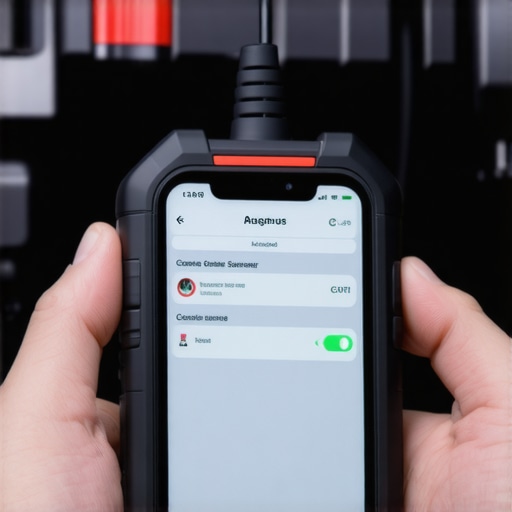
The future of auto maintenance is leaning heavily toward advanced diagnostic equipment integrated with AI and cloud data. As technology evolves, even enthusiast-level tools are expected to become more intuitive and affordable, empowering owners to monitor their vehicles remotely and perform timely interventions.
Are Your Maintenance Tools Up to Date
Using outdated or low-quality tools can result in missed diagnoses or improper repairs, leading to long-term damage. Keep your diagnostic devices calibrated and update your software regularly—most manufacturers provide firmware updates to improve accuracy and introduce new features. For fluid checks, I recommend a digital refractometer for oil and coolant to precisely measure contamination levels, which often go unnoticed with traditional dipsticks.
Maintain Tools to Ensure Long-Term Performance
Proper maintenance of your equipment is crucial. Store your diagnostic devices and hand tools in a dry, dust-free environment. Regularly clean and inspect connectors, batteries, and other components. For example, I clean my OBD-II scanner’s port with a soft brush and compressed air annually to prevent connectivity issues. Investing in quality tools and maintaining them properly prolongs their lifespan and keeps your maintenance routine effective.
Where Do I Picture My Auto Care Going
The trend toward smart, integrated systems will make auto maintenance more accessible and precise. Future vehicles might self-diagnose and alert owners to upcoming issues via smartphone apps, eliminating many guesswork aspects of car care. Staying current with these advancements will be essential for proactive maintenance and cost savings.
How do I Keep Up with Long-Term Maintenance
Developing a schedule based on your vehicle’s manual and utilizing reliable tools can elevate your auto care. Regularly verifying fluid levels, inspecting belts, and performing emissions tests help prevent failures. For a comprehensive guide on maximizing your car’s lifespan, consider reviewing our expert tune-up strategies. And don’t hesitate to contact us at your local shop for personalized advice or assistance. Remember, a proactive approach with the right tools can save you hundreds, if not thousands, in the long run—so invest wisely and stay ahead in your auto maintenance game.
Lessons That Changed My Approach to Vehicle Care
One of the toughest lessons I learned was how small components, like the air filter, can impact my entire driving experience. Neglecting routine checks cost me more in fuel and repairs than I’d like to admit. Now, I prioritize simple inspections, knowing that these tiny steps can prevent costly breakdowns. Another insight was realizing how diagnostic tools empower me to catch issues early—saving me money and reducing downtime. Lastly, I discovered that staying updated on auto repair trends and embracing new tech keeps my vehicle running smoothly and helps me make informed decisions about service and repairs.
Tools and Resources That Elevated My Car Care Game
My go-to resource is the [car service checklist](https://glassfixauto.com/car-service-checklist-how-to-keep-your-vehicle-in-top-shape) which guides me through essential maintenance routines tailored to my vehicle. I also rely on the BlueDriver Bluetooth Pro scanner because its detailed diagnostics allow me to understand what’s happening beneath the surface without guesswork. For further reading, the article on maximizing your car’s lifespan offers invaluable strategies that keep my vehicle in top condition. Lastly, I stay connected with trusted mechanics recommended in online communities, ensuring I get expert advice when needed.
Your Next Step Towards Smarter Auto Maintenance
Auto care isn’t just routine; it’s a mindset that pays off in safety, savings, and driving enjoyment. Start incorporating regular inspections, utilize modern diagnostic tools, and stay informed about the latest trends in auto repair. Remember, the more proactive you are, the more you’ll save—and enjoy your vehicle for miles to come. If you’re ready to take your auto maintenance to the next level, check out our comprehensive guide and consider reaching out to your trusted local shop for personalized advice. The difference is clear: smarter maintenance today means fewer worries tomorrow.
What’s the smallest maintenance step you’ve overlooked that ended up costing you more? Share your story below—learning from each other makes all of us better vehicle owners.