

I’ll never forget the morning I was late for work, fumbling under the hood of my car, hearing that irritating misfire sputtering every time I pressed the gas. I’d just spent a fortune on a tune-up, thinking that would solve the problem. But nope. The engine kept misfiring, and I felt that familiar wave of frustration—am I cursed or just unlucky? It was a lightbulb moment for me: sometimes, a simple tune-up isn’t enough to fix stubborn engine misfires. And if you’re here, chances are you’ve already faced this head-scratching issue too. Today, I want to share what I discovered beyond the basics—ways to troubleshoot and eliminate that pesky misfire once and for all, so your engine runs like new.
Why Your Engine Still Misfires After a Basic Tune-Up
Most folks think a tune-up is the magic fix for engine issues. But here’s the thing: misfires can stem from deeper problems, not just worn spark plugs or wires. If the spark doesn’t ignite properly, or if the fuel mixture’s off, the misfire persists. Early in my own experience, I made the mistake of assuming that replacing spark plugs was the end game. That only masked the issue temporarily. Real fix lies in identifying hidden causes—like faulty sensors, clogged injectors, or vacuum leaks—many of which are sneaky and require a more detailed diagnosis. Trust me, digging into these often-overlooked issues can save you a lot of time and money down the road. It’s like unlocking the secret to a smoother, more reliable engine.
Is It Really Worth the Extra Effort?
For many, the initial thought might be: “Is all this troubleshooting really worth it?” Absolutely. A stubborn misfire not only ruins your drive but can also damage other engine components. Plus, some issues, if left unchecked, can lead to costly repairs or even total engine failure. I learned this the hard way when my own car started to run rougher, and I ignored the warning signs. A quick peek at [this article](https://glassfixauto.com/4-pro-fixes-for-2026-engine-knocking-to-avoid-a-rebuild) revealed that ignoring engine knocking and misfires can result in a complete rebuild—something you definitely want to avoid. So, instead of masking the problem with temporary fixes, it’s smarter to get to the root and clear that misfire once and for all.
In the sections ahead, I’ll walk you through practical steps and insider tips I’ve used myself—things that really work, even when basic tune-ups don’t. Ready to bring your engine back to life? Let’s dive into the troubleshooting process that’ll save you time, money, and the headache of ongoing misfires.
,
Start with a thorough visual inspection
Before diving into advanced diagnostics, perform a comprehensive visual check of your engine bay. Look for cracked or damaged spark plug wires, disconnected vacuum hoses, or signs of oil leaks. I once found a disconnected booster hose that was causing a vacuum leak and misfire, and reconnecting it instantly smoothed out the engine. Think of it like fixing a leak in a pipe—you stop the leak, and everything flows better.
Test and replace spark components efficiently
Next, inspect your spark plugs and ignition coils. Use a spark plug socket to remove them and check for fouling, wear, or improper gaps. I recommend replacing spark plugs if they’re over 30,000 miles or show signs of wear. When I replaced my old spark plugs with high-quality iridium ones, my engine ran more consistently. Remember, spark plugs are the ignition point—think of them as the sparks needed to start a fire; if they’re dull or broken, nothing burns properly.
Check fuel delivery and filters
Fuel injectors can become clogged, causing poor combustion and misfiring. Remove the injectors and have them cleaned professionally or replace if necessary. Also, replace your fuel filter regularly, as a clogged filter limits flow. Once, I cleaned my injectors with a special kit, and my engine’s idle smoothed out considerably. Think of fuel injectors as faucets—if they’re clogged, the flow is restricted, and your engine doesn’t get enough fuel.
Scan for error codes and analyze sensor data
Use an OBD-II scanner to identify error codes pointing to specific issues like faulty sensors or misfires. Sensors such as the mass airflow or oxygen sensors play crucial roles in managing fuel mixture. I once used a scanner to discover a failing crankshaft position sensor, which caused intermittent misfires. This step is like reading the engine’s diary—each code reveals a specific problem that needs attention.
Address vacuum leaks meticulously
Vacuum leaks are sneaky culprits behind misfires. Spray carb cleaner around vacuum hoses and listen for RPM changes to identify leaks. Tighten or replace damaged hoses. In my experience, a small crack in a vacuum hose went unnoticed until I heard the engine stumble, confirming the leak. Think of vacuum leaks as unintended air taps—letting in unmetered air causes the engine to stumble and misfire.
Perform a compression test for internal health
If problems persist, conduct a compression test on each cylinder. Low compression indicates issues like worn piston rings or valves. I performed a compression test after multiple failed attempts to fix my misfire, discovering a burnt valve. This test is like checking the health of a plant—if the readings are poor, internal damage is the likely cause.
Consider professional assistance for complex issues
When basic troubleshooting doesn’t resolve the misfire, consult a professional technician. They can perform advanced diagnostics like scope analysis or leak-down testing. I’ve learned that some problems, like internal engine damage, require expert skills—attempting to fix them without experience can cause more harm.
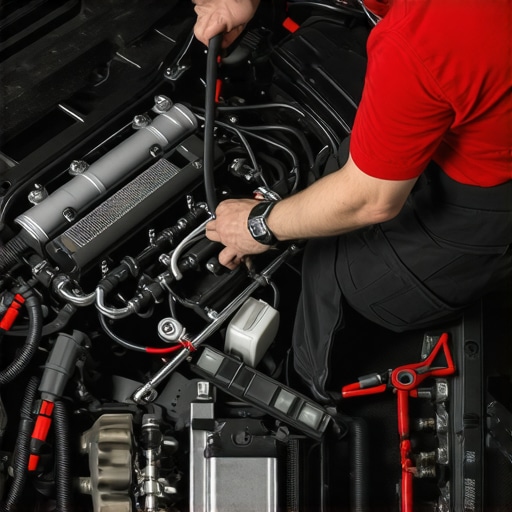 When it comes to car maintenance, there’s a mountain of advice that everyone seems to agree on—change your oil regularly, check your brake pads, and get tune-ups. But let’s dig deeper into some of the misconceptions and pitfalls that even seasoned drivers often fall for. A common myth is that all brake pads wear out at the same pace; in reality, driving habits greatly influence their lifespan. Hard braking, aggressive acceleration, or frequent city driving can accelerate wear, meaning you should check your brakes more often than the standard interval suggests. Rushing a brake service can lead to incomplete pad replacement or neglect of rotor inspection, which may cause uneven wear and even safety hazards. For example, an overlooked warp in your rotors can cause pulsing brake pedals—more details on spotting such issues can be found in this article about rushed brake jobs.
Advanced car care also entails understanding the complex interactions within your vehicle’s systems. Many drivers believe that a simple tune-up addresses all engine issues, but neglecting to check critical sensors like the oxygen sensors or the mass airflow sensor can render your tune-up ineffective. Ignoring these nuances can cause your engine to run inefficiently, increase emissions, and lead to costly repairs down the line. In fact, a study published by the Society of Automotive Engineers highlights how sensor calibration significantly impacts engine performance, underscoring why detailed diagnostics are vital.
Ever wondered which auto repair tasks are actually worth the effort and which are just misconceptions? Let’s consider brake performance; some think that replacing brake fluid alone solves squeaking issues. But in reality, contaminated brake fluid is only one piece of the puzzle. Dirt, moisture, and worn components all contribute to brake noise and reduced stopping power. Proper brake service involves inspecting pads, rotors, calipers, and hydraulic systems to ensure safety and longevity. For a comprehensive guide on this, you might explore this link to learn about common red flags in brake service.
Now, addressing the advanced questions that often go unanswered: How can modern diagnostic tools improve your car’s longevity without adding unnecessary costs? The answer lies in the precision of data interpretation. Advanced scanners can identify subtle sensor errors before they manifest as driver-visible symptoms. By catching these issues early, you avoid extensive repairs later. If you’re curious about the latest diagnostic technologies and their real-world benefits, check out this resource.
And this brings us to the crucial aspect—avoiding the traps that trap many drivers. For instance, a quick lube shop might suggest replacing your entire brake system simply because of minor pad wear, but a detailed inspection can reveal that only the pads need replacement, saving you hundreds. Being aware of these nuances ensures you’re not overpaying or risking safety. Want to learn more about spotting a rushed or dangerous brake job? See this detailed article for warning signs.
In conclusion, understanding the subtleties in auto repair and maintenance allows you to make smarter decisions and properly care for your vehicle. It’s about more than just basic know-how; it’s about recognizing the hidden factors that influence your car’s health and safety. Have you ever fallen into this trap? Let me know in the comments.
Tools That Keep Your Vehicle Running Smoothly
Maintaining your car’s performance over the long term requires more than just knowing what to do; it demands having the right tools at your fingertips. I’ve spent years testing and refining my toolkit to ensure I can handle everything from minor tune-ups to complex diagnostics. One indispensable item is a high-quality digital multimeter. I use mine daily to check sensors, test electrical circuits, and verify voltage levels, which helps me catch issues before they become serious problems. Additionally, a good OBD-II scanner is a game-changer. Unlike basic code readers, I favor an advanced model that allows me to access live data streams, reset codes, and perform system tests, giving me deep insight into my engine’s health. For example, diagnosing a fluctuating idle became much simpler when I could monitor real-time airflow and fuel trim data through my scanner. Investing in reliable diagnostic tools not only saves money but grants peace of mind, knowing that you can accurately identify and address issues early on.
How do I maintain my diagnostic tools over time?
Cleaning the device regularly, updating the firmware, and calibrating sensors ensures consistent accuracy and longevity. Most manufacturers release software updates; I make a point to install these promptly to keep up with vehicle tech advancements. Additionally, storing your tools in a clean, dry environment prevents corrosion or damage. In the future, as vehicle electronics become even more sophisticated, having up-to-date diagnostic equipment will be crucial for effective maintenance. Keeping your tools in top shape allows for faster troubleshooting, reducing repair times and expenses. To see how to optimize your diagnostic approach, check out this battery health check.
Using Quality Replacement Parts for Long-Term Results
Another key element in reliable car maintenance is selecting high-quality replacement parts. I always opt for OEM or reputable aftermarket components because they fit perfectly and last longer. For example, sticking with premium spark plugs or brake pads can significantly extend service intervals and prevent recurrent issues. Remember, cheap parts may save upfront costs but often lead to recurring repairs and safety concerns. Regularly inspecting critical parts like belts, hoses, and filters can prevent breakdowns and keep your car performing optimally. A good set of basic hand tools—like socket sets and screwdrivers—is essential as well, enabling quick repairs without needing to visit the shop for minor fixes.
Predicting and Preparing for Future Maintenance Needs
As vehicle technology advances, so do our maintenance strategies. Keeping detailed records of repairs and parts replacements helps forecast upcoming needs. For instance, monitoring the lifespan of your brake pads against recommended habits can help you schedule timely service. Investing in a maintenance app or digital log simplifies tracking and reminders. Moreover, staying informed about manufacturer recalls or service bulletins ensures your vehicle stays safe and compliant. Being proactive with maintenance tools and practices ensures your car remains dependable for many miles to come. Try integrating a diagnostics-focused approach, such as performing routine sensor checks, to catch issues early and avoid costly repairs later.
The Future of Auto Maintenance
Looking ahead, automotive diagnostics will become even more sophisticated. With the rise of connected cars and telematics, you’ll soon be able to monitor your vehicle’s health remotely or receive predictive maintenance alerts directly to your smartphone. Embracing these technological advances means investing in adaptable tools today. I predict a future where AI-driven diagnostics can automatically schedule repairs and suggest optimal maintenance routines, reducing the need for guesswork and expensive repairs. To prepare, start familiarizing yourself with emerging tools and software that integrate with your vehicle’s onboard systems.
Implementing advanced diagnostic techniques, like regularly testing sensors or using manufacturer-specific scan tools, can dramatically improve your vehicle’s longevity. For example, checking oxygen sensors periodically, as recommended in technical documentation, helps maintain optimal fuel efficiency and engine performance. Take one step today—try a comprehensive sensor test or update your diagnostic software. Small investments now will pay off with fewer breakdowns and better driving experiences in the future.
,
Lessons from the Trenches of Car Care
The toughest lesson I learned about auto repair was realizing that not all issues are straightforward. Sometimes, a misfire isn’t just a worn spark plug but a symptom of deeper sensor problems or internal engine wear I overlooked early on. It’s easy to get tunnel vision, fixing what’s obvious, only to be blindsided when the problem persists. My lightbulb moment came when I understood that patience and comprehensive diagnostics save time and money in the long run—avoid rushing into replacements without proper testing.
Another lesson was understanding the importance of refined tools. Investing in quality diagnostic equipment like a top-tier OBD-II scanner transformed my troubleshooting process. It revealed hidden error codes and real-time sensor data, turning guessing into precision. I wish I’d adopted this approach sooner, as it prevented unnecessary parts replacement and gave me confidence in my repairs.
The third insight: never underestimate the power of thorough visual inspections. Simple checks of vacuum hoses, wiring, and engine components often uncovered forgotten leaks or disconnected parts that fixed misfires instantly. Sometimes, the fix is hiding in plain sight, and a sharp eye can save the day.
The last lesson I’ll share is that prioritizing genuine, high-quality replacement parts makes all the difference. Cheap parts might look appealing initially but can lead to recurring issues. Using OEM or trusted brands ensures durability, which ultimately keeps your car running smooth and reduces total repair costs.
Tools and Resources That Changed My Approach
Over the years, I’ve curated a toolkit that’s essential for reliable car maintenance. A professional-grade OBD-II scanner has been my go-to for quick diagnostics. Pairing that with a high-quality multimeter allowed me to verify sensor readings and electrical circuits confidently. I also swear by high-grade spark plug sockets and a set of hand tools for minor repairs, which save trips to the shop.
For educational resources, I turn to trusted automotive blogs and manufacturer guides. They constantly update me on the latest tech, sensor calibrations, and diagnostic techniques. These resources have been instrumental in helping me avoid costly mistakes and extend my vehicle’s lifespan.
Stay Ahead with a Proactive Mindset
The future of auto maintenance is exciting, with new diagnostics and predictive tools on the horizon. By integrating regular sensor checks and leveraging advanced scanners, you can prevent issues before they manifest. Don’t wait until your engine misfires or your brakes squeal—get ahead of the curve, and your vehicle will thank you for it. The best thing you can do today is to review your current diagnostics setup and consider upgrading to tools that keep you in control of your car’s health. After all, knowledge and preparation are what turn mechanic work from reactive to proactive.
What’s the most surprising discovery you’ve made during your own auto repairs? Share your story below—I’d love to hear how you uncovered underlying issues that others might overlook.
Comments are closed.