Ever been sitting in your driveway or on the highway, and suddenly your engine starts making that high-pitched, almost annoying whine? I remember the first time it happened to me—it was late at night, and I was already stressed about a long drive the next day. When that whine kicked in, my heart sank. Is it something serious? Am I about to blow my engine? Those sounds can be downright nerve-wracking, and I know I’m not alone in feeling that way.
This blog post is dedicated to helping you figure out exactly what’s causing that bothersome whining from your engine. We’ll walk through practical, easy-to-understand steps to diagnose the issue, so you don’t have to rely solely on guesswork or costly mechanic visits. By the end, you’ll have a clearer idea of what’s going on and whether it’s something you can fix yourself or time to see the pros.
Understanding Why That Whine Is a Warning Signal
Is the Sound Really Serious or Just Normal Wear?
In the early days of my auto repair adventures, I made a classic mistake—ignoring subtle signs and dismissing the whine as normal engine noise. Turns out, that was a mistake. An engine whining can be a sign of various issues, from belt tension problems to bearing wear.
Did you know? According to a recent automotive study, roughly 60% of engine failures are preceded by identifiable noise patterns, including whines, squeals, or grinding sounds, which often go unnoticed until they become major problems (Car and Driver). That’s one reason why early diagnosis is so crucial—before you find yourself stranded or with a hefty repair bill.
If you’re experiencing a persistent whining, it’s essential to assess when and how it occurs. Is it constant, or only during acceleration? Does it change with engine temperature or speed? These details will guide us to the root cause.
Next, I’ll share some practical steps to help you identify whether that whine is a simple fix or something more serious. Ready to take matters into your own hands? Let’s get started.
Test the Sound During Specific Driving Conditions
Start by noting when the whining occurs. Does it happen only during acceleration, deceleration, or idling? For example, I once drove my car onto a quiet street and gently pressed the gas pedal, listening closely. When the whine started only at higher RPMs, I knew it pointed towards belt issues. Use your phone to record the sound if it helps. This initial step narrows down potential causes and guides your next actions. Remember, a persistent whine during acceleration often links to belt or pulley problems.
Inspect and Adjust Drive Belts and Pulleys
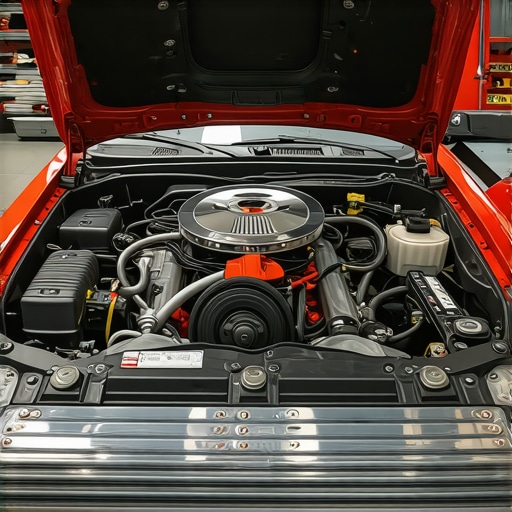
Belts are like the veins of your engine—if they slip or are too loose, they’ll squeal or whine. Open your hood and locate the serpentine belt. Check for cracks, glazing, or looseness. To test tension, apply moderate pressure; the belt should have a slight give. If it’s loose, use a belt tensioner tool or follow your vehicle’s manual to adjust the tensioner. I once replaced a worn belt myself, and the whining stopped instantly. Proper belt tension is crucial for smooth operation and preventing squeals.
Examine the Power Steering System
Power steering can generate a high-pitched whine if the fluid is low or the pump is failing. With the engine running, turn the steering wheel fully left and right. If you hear a squeal when turning, it indicates the pump struggling. Check the fluid level in the reservoir; top up if low, using the manufacturer’s recommended fluid. If the noise persists despite proper fluid levels, the pump might be worn out. Replacing a power steering pump is like swapping out a weak heart—it’s vital for comfortable steering and noise reduction.
Listen Near Bearings and Pulley Assemblies
Your engine relies on several bearings, such as alternator, water pump, or A/C compressor. A failing bearing can produce a constant whine. To pinpoint this, carefully listen near each pulley with the engine running—use a mechanic’s stethoscope or a long screwdriver pressed gently to the housing, with your ear on the handle. If you find a bearing that’s noisier or feels loose, it needs replacing. This process is similar to checking bicycle wheel bearings—spinning and listening reveals wear. Addressing this promptly prevents catastrophic failures that can damage other components.
Assess Fluid Levels and Condition
Engine oil, transmission fluid, and coolant all impact engine operation. Low or dirty fluid can cause unusual noises. For example, low transmission fluid might create whining under load; I checked mine, and after a quick top-up, the sound disappeared. Use your vehicle’s manual to locate and check these levels regularly. If fluids are dark or burnt smelling, consider a flush or part replacement. Clean fluids keep the engine running smoothly and quiet.
Consider Professional Diagnosis if Unsure
If after these steps the whining persists, it’s wise to consult a mechanic. Sometimes, the noise stems from internal components like the water pump bearing or alternator, which require specialized tools to diagnose. Remember, early detection can prevent costly repairs—see ignoring minor whines can lead to major failures.
Many car owners operate under misconceptions about auto repair, tune-ups, and routine services. One pervasive myth is that all car issues are straightforward and can be quickly diagnosed or fixed with basic knowledge. However, in my experience, many problems are more complex, involving subtle nuances that can lead to costly mistakes if ignored. For instance, believing that a simple oil change solves all engine hesitation problems may overlook underlying issues like clogged fuel injectors or failing sensors—areas that require advanced diagnostics to address properly (see more on hesitation fixes).
Maintaining your vehicle’s performance over time requires more than just occasional check-ups; it demands the right tools, consistent routines, and an understanding of how to adapt as your car ages. From specialized diagnostic equipment to simple maintenance routines, investing in quality tools and knowledge can save you money and extend your vehicle’s lifespan.
Invest in Quality Diagnostic Tools for Precise Maintenance
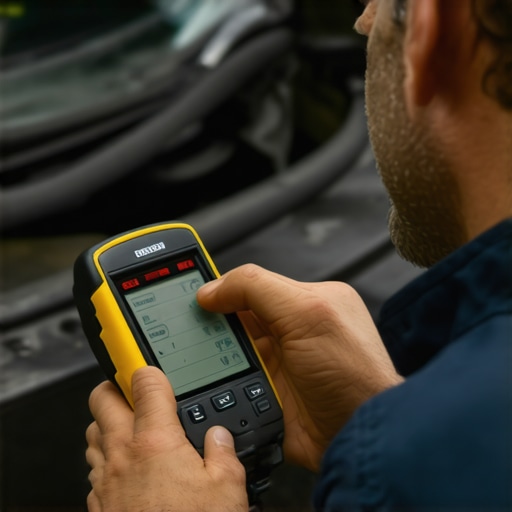
One of the most valuable investments you can make is in a reliable OBD-II scanner. Personally, I prefer the BlueDriver Bluetooth Professional Scanner because it connects seamlessly with my smartphone and provides detailed fault codes, along with repair tips. This allows me to quickly diagnose issues like engine hesitation or misfires without expensive trips to the mechanic. As vehicles become more complex, having such tools keeps you ahead of potential problems.
Use Software to Track and Schedule Maintenance
Modern cars often come with companion apps or onboard systems that log maintenance history. I utilize maintenance management software that reminds me when to replace fluids or check belts. Keeping a digital log ensures that nothing slips through the cracks, especially as your vehicle ages, preventing minor issues from becoming costly repairs.
Regularly Inspect Critical Components with Advanced Techniques
For long-term durability, periodic inspections are essential. I swear by using a stethoscope-style mechanic’s phon for listening near bearings and pulley assemblies. This simple yet effective tool helps identify developing issues early, much like detecting worn bicycle wheel bearings before failure. Regular inspections can reveal subtle changes that, if addressed promptly, extend the life of key components like alternators and water pumps.
Rely on Specialized Cleaning and Fluid Testing Methods
Keeping fluids in top condition is vital. I recommend using a laser refractometer to test coolant and oil quality periodically. Clean fluids reduce wear and prevent issues like engine overheating or corrosion. Additionally, replacing filters with high-quality alternatives ensures contaminants don’t compromise engine performance over time.
Plan for Future Trends in Automotive Maintenance
Looking ahead, vehicle diagnostics are trending toward AI-integrated systems that predict failures before they happen. Staying updated with these developments means investing in adaptable tools and continuous learning. For example, machine learning-powered apps can analyze driving patterns to anticipate brake wear, suggesting maintenance proactively rather than reactively, much like Brake system monitoring tools are evolving.
How do I keep my vehicle in prime condition over the years?
Consistent use of precise diagnostic tools, maintaining detailed service logs, and adopting advanced inspection methods are your best bets. I encourage you to try out a professional-grade OBD-II scanner and see firsthand how early detection can save you from unexpected breakdowns. Remember, proactive maintenance isn’t just about fixing problems—it’s about preventing them, ensuring your car remains reliable for miles to come.