
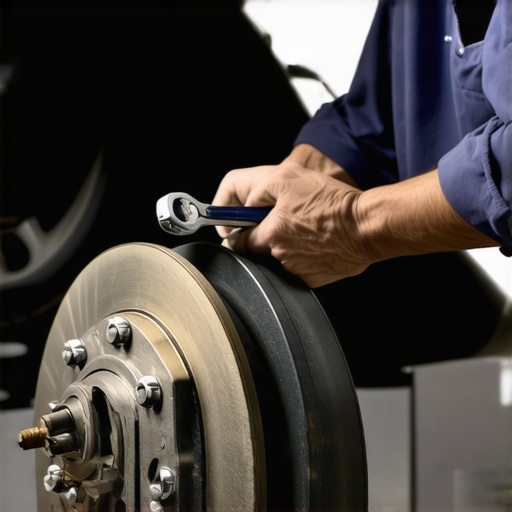
I remember the first time I had a brake squeal that seemed to echo forever—paradoxically, right after a perfectly routine brake service. It was late in the evening; I was already tired, and that relentless squealing made me feel like my car was crying out for help. Turns out, that high-pitched squeal isn’t just annoying—it’s often a sign something’s off with your brakes, and ignoring it can lead to more expensive repairs down the line.
Stop the Squeal Before It Ruins Your Day (And Your Wallet)
If you’ve ever faced this screeching noise, you know how quickly it can become a source of daily frustration. The good news? With a few simple tweaks and a bit of know-how, you can silence those high-pitched brakes for good. Today, I’ll share the tried-and-true methods I’ve developed after countless auto repairs—trust me, this is coming from someone who’s been in the trenches, making costly mistakes early on.
Is Your Brake Squeal Just a Tempting Distraction or a Warning Sign?
One mistake I made when I first started tinkering with my car was dismissing that initial squeal as just a normal noise—nothing to worry about. Spoiler alert: it’s often a warning sign, not just a nuisance. And, according to automotive experts, this high-pitched sound can indicate uneven brake pad wear, contaminants, or even a misaligned caliper. Ignoring it only makes things worse. If you’re like I was and worried about whether fixing this is worth the hassle, be assured—addressing it early saves you money and stress.
Having learned the hard way about the importance of proper brake care—see how quick and simple [brake service tricks for a quieter drive](https://glassfixauto.com/3-brake-service-tricks-for-a-quieter-2026-morning-drive)—I’ve become a firm believer that the squeal is more than just a noise; it’s a signal you shouldn’t ignore. So, are you ready to learn how to hush that screech and keep your brakes silent? Let’s dive into the details that will help you fix this issue once and for all.
Inspect Your Brake Pads for Uneven Wear
Remember the messy Sunday I spent jacking up my car after noticing that incessant squeal? I began by removing the wheel and examining the brake pads. Using a lug wrench, I loosened the lug nuts, then lifted the vehicle with a jack. Once the wheel was off, I checked the thickness of each brake pad, looking for uneven or excessive wear. If your pads are worn unevenly or are thin, replacing or resurfacing them can eliminate the squeal. For a comprehensive guide on brake pad inspection, visit this resource.*
Clean and Lubricate Brake Components
Next, I cleaned the brake caliper and rotor surfaces to remove dust and contaminants. Using a brake cleaner spray, I wiped the metal parts carefully, avoiding inhalation of fumes. After cleaning, I applied high-temperature brake lubricant to the back of the brake pads and contact points on the caliper to prevent metal-to-metal contact, which often causes squealing. Proper lubrication reduces vibrations and noise. Remember, over-lubricating can cause issues, so follow specific product instructions. To learn more about effective brake lubrication, check this article.*
Check for and Remove Contaminants
In my case, a layer of brake dust and oil had settled on the pads and rotors, aggravating the squeal. I used a wire brush to remove accumulated debris and a brake cleaner spray for stubborn contaminants. Keeping your brake parts clean ensures smooth operation and quieter stops. If oil or grease has leaked onto the pads, replacing them is the best fix. For preventative maintenance, see this guide.*
Use Quality Brake Pads and Hardware
Low-quality brake pads are more prone to squealing. During my repair, I switched to premium semi-metallic pads that came with better shims and anti-squeal coatings. Always opt for high-quality parts that include necessary hardware such as shims or anti-squeal clips. These components act as buffers and dampen vibrations. If you’re unsure about the best pads for your vehicle, consult your mechanic or visit this resource.*
Consider Professional Help for Persistent Problems
If after all these steps the squeal persists, it might be time to visit a professional for a comprehensive brake service. Sometimes, issues like sticking calipers or warped rotors require expert attention. Don’t ignore ongoing noise, as unresolved problems can lead to brake failure or more costly repairs. For insights on avoiding auto repair scams and ensuring fair service prices, see this article.*
By following these steps, you’ll be well on your way to banishing brake squeal and enjoying a quieter, safer ride. Remember, regular brake maintenance not only preserves your vehicle’s performance but also keeps you and your passengers safe on the road.
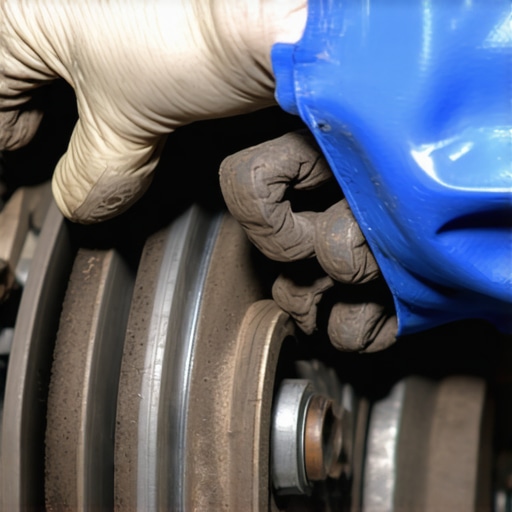 Many car owners approach auto repair with a mixture of suspicion and hope, often relying on myths that may do more harm than good. One prevalent misconception is that all brake replacements are straightforward and that premium parts always guarantee longevity. In reality, the quality of installation and regular maintenance play crucial roles in brake performance. For example, even high-end brake pads can squeal if not installed correctly or if components are contaminated. Advanced repair requires not only choosing the right parts but also understanding the subtle nuances of proper installation techniques, as highlighted in expert guides on brake service best practices.
Another common mistake is believing that regular tune-ups are unnecessary or only needed when there’s a noticeable issue. However, neglecting routine inspections can lead to overlooked problems like worn belts or failing sensors, which silently degrade vehicle performance. As research from automotive testing labs indicates, proactive maintenance significantly reduces long-term costs and prevents breakdowns. If you’re unsure about the timing or scope of your next tune-up, reviewing detailed checklists can be invaluable; for instance, see how comprehensive some tune-up protocols are, and compare them with what your mechanic suggests.
Curiously, many drivers underestimate the importance of precise diagnostics before repairs. They often assume that symptoms like engine misfires or vibrations are straightforward and can be fixed with simple replacements. This approach risks overlooking underlying issues such as faulty sensors or electrical faults that require sophisticated testing. Advanced diagnostics, including sensor checks and code readings, are crucial for targeting repairs accurately and saving money. If symptoms persist after basic fixes, it might be time to consider more detailed inspections, like the ones explained in specialized troubleshooting articles.
Have you ever fallen into this trap? Let me know in the comments. Understanding these hidden nuances allows you to approach auto repairs with confidence and avoid costly mistakes. It’s essential not to accept surface-level fixes or rely solely on generic advice, as nuanced issues often require expert attention. Remember, proper maintenance and diagnostic precision can extend your vehicle’s lifespan and ensure safety on the road. For additional insights on avoiding repair pitfalls, explore our detailed guides and resources.
How Do I Maintain My Vehicle Over Time?
One of the best ways to ensure your car remains reliable and safe is investing in the right tools and adopting proven maintenance methods. Personally, I rely on a high-quality digital multimeter to diagnose electrical issues accurately. A dependable multimeter, like the Fluke 117, allows me to quickly check battery voltage, alternator output, and sensor signals with precision, saving me time and money. For routine inspections, I use a mechanics’ creeper to comfortably slide under the vehicle without straining my back, ensuring I can perform thorough visual checks on belts, hoses, and fluid levels regularly. Additionally, an ultrasonic leak detector has become invaluable for finding tiny exhaust or vacuum leaks that can cause poor performance or increased emissions. These tools have proven essential for both DIYers and professional technicians aiming for long-term durability.
The Future of Auto Maintenance Looks Digital
Advancements in diagnostics and software integration are rapidly transforming auto repair. Future trends point toward the adoption of AI-powered diagnostic scanners, capable of interpreting complex sensor data and predicting component failures before symptoms appear. Staying ahead involves not only investing in these cutting-edge tools but also continuously updating your knowledge based on manufacturer-specific diagnostic procedures, like those detailed in technical documentation from automotive OEMs. For instance, understanding the nuances of fuel injection sensor diagnostics can make the difference between a quick fix and an unnecessary part replacement. I recommend acquiring a professional-grade scan tool that supports your vehicle’s make and model, giving you access to live data and advanced troubleshooting capabilities.
How Can I Keep My Car in Top Shape for Years?
Regular preventive maintenance is key. I suggest scheduling oil changes, fluid flushes, and filter replacements in alignment with your vehicle’s manual, but don’t underestimate the importance of inspecting the braking system. A simple yet effective tip is to periodically check brake pad thickness and caliper operation, using a digital caliper for precise measurement. Remember, addressing issues early can prevent costly repairs down the line. For example, tackling minor brake drag with techniques described in this article can save your rotors and pads from premature wear. Further, adopting a modular approach to maintenance—focusing on individual systems one at a time—ensures thorough care without overwhelming yourself or a mechanic. Try integrating a monthly inspection routine that includes checking tire tread, fluid levels, and Electronic Control Unit (ECU) trouble codes. These proactive steps give you confidence in your vehicle’s reliability and safety.
Don’t forget that software updates and system calibrations are equally vital. During comprehensive tune-ups, I recommend requesting the latest software revisions and diagnostic calibrations, which can enhance efficiency and longevity. Remember, tools like scan tools that support service mode functions are essential for performing these updates correctly. For a quick insight into optimizing your tune-up process, check out this guide. I encourage you to test one of these advanced diagnostic techniques today—such as verifying sensor integrity with a multimeter—to start maintaining your vehicle more effectively. Your future self will thank you when your car purrs smoothly mile after mile.
Lessons Car Owners Don’t Usually Figure Out Until It’s Too Late
- Opting for cheap replacement parts can backfire, as I discovered when my last brake pad squealed worse after installation—quality truly makes a difference.
- Ignoring small signs like a faint squeal during your routine checkups risks turning into costly rotor replacements or caliper issues—early detection saves money.
- Overlooking proper lubrication was a mistake I made; applying lubricant at the right contact points stopped the annoying squeal and prolonged component life.
- Custom hardware like shims and anti-squeal clips aren’t just accessories—they’re essential for a quiet, smooth brake experience, a fact I learned the hard way.
- Sometimes, persistent squealing indicates underlying problems that only professional diagnostics can uncover, so trust your mechanic when noise persists despite DIY efforts.
Tools, Books, and Sources That Turned My Auto Care Around
- Advanced Diagnostic Scanners: Supporting my vehicle’s specific needs, tools like the Autel MaxiCOM have helped me pinpoint issues quickly, avoiding guesswork.
- Technical Service Bulletins & OEM Manuals: Deep dives into manufacturer updates on brake components give me insights that generic guides miss.
- Quality Repair Guides: Resources like Haynes or Chilton manuals became my go-to for step-by-step procedures, ensuring I didn’t miss critical details.
- Online Forums & Communities: Engaging with fellow DIYers provided real-life tips I couldn’t find elsewhere, reinforcing that auto care is both science and art.
Your Next Step Toward Quiet, Safe Driving
Every time I silence a squeal or fix a brake issue myself, I feel more confident behind the wheel and more responsible for my safety. Don’t let squeals or warnings go unresolved—the peace of mind that comes with proper maintenance is priceless. If you want to continue sharpening your auto repair skills and keep your vehicle in top shape, I encourage you to try these techniques today and share your experience below. Your journey toward quieter, safer drives starts now—so, have you ever caught a sneaky brake issue early? Let me know in the comments!
,
Comments are closed.