
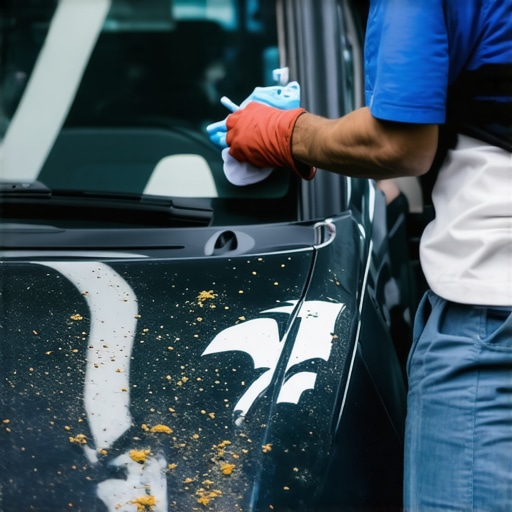
How to Remove Stubborn Love Bugs Without Ruining Your Car Paint
Introduction: The Florida “Snow” and the Battle for Your Clear Coat
If you have lived in Central Florida for more than a season, you know the phenomenon all too well. It starts as a few stray splatters on your windshield and quickly escalates into a thick, black coating of carcasses across your front bumper, side mirrors, and hood. We call it “Florida Snow,” but unlike the frozen variety, these pests – the Love Bug (Plecia nearctica) – don’t just melt away when the sun comes out. In fact, the sun is their greatest ally in the destruction of your vehicle’s finish.
As the owner of SuperiorDetailer LLC in Orlando, I’ve spent years specializing in high-end paint correction and protection. I see the aftermath of love bug season every day. In Orlando, we face two primary peaks: the first in April and May, and the second in August and September. While local news outlets like WKMG have noted that bug populations can fluctuate from year to year due to environmental factors, one thing remains a constant: the acidity of these insects is a direct threat to your car’s resale value. When you are looking for mobile detailing in orlando fl, the most common request we receive during these months is the safe removal of these stubborn hitchhikers.
The frustration is real. You spend your weekend washing your car, only to take a quick trip down I-4 or the Florida Turnpike and find your front end looking like a graveyard. But before you reach for the kitchen sponge or a harsh chemical, you need to understand exactly what you are dealing with. Removing love bugs isn’t just about cleaning; it’s about chemistry and preservation.
The Science of Destruction: Why Love Bugs Kill Paint
To the average driver, a dead bug is just a mess. To a professional specializing in orlando auto detail, a dead love bug is a ticking time bomb. The danger lies in the bug’s body chemistry. Love bugs themselves are not inherently toxic, but once they impact your car at 70 mph and die, their remains begin to decompose almost immediately.
Within 24 hours, the fatty tissues of the love bug begin to break down, and their pH levels shift from neutral to highly acidic. We are talking about a low pH level that can quickly drop to around 4.0. When you combine this acidity with the intense Florida sun, your car’s hood becomes an oven. The heat expands the pores of your clear coat, allowing that acid to seep deep into the paint. This process is known as “etching.”
As industry expert Garry Dean often points out, love bug etchings are deep, nasty, and permanent. Once those acids eat through the clear coat and reach the color layer, a simple wash won’t fix it. You are no longer looking at a cleaning job; you are looking at a paint correction job. This is why it is critical to learn The Best Way to Prep Your Car for a Long Distance Road Trip before you head out across the state. Prevention and immediate action are your only defenses against a permanent scar on your vehicle’s face.
Safe Removal: The Step-by-Step Professional Process
If you’ve already been hit, don’t panic. Following a systematic approach can help you remove the remains without adding “swirl marks” or scratches to your paint. Whether you are doing this yourself or hiring orlando mobile detailing, the process should always follow these steps:
1. Cool the Surface
Never, ever attempt to remove love bugs from a hot car. If the metal is hot to the touch, the cleaning chemicals will evaporate too quickly, potentially leaving behind streaks or chemical stains. Move the car into the shade or wait until the evening when the surface temperature has dropped.
2. The Pre-Soak
The biggest mistake people make is trying to “scrub” the bugs off while they are dry. You need to rehydrate the remains. Use a dedicated bug remover or a high-quality waterless wash concentrate (such as Ultima Waterless Wash Plus). Spray a generous amount over the affected areas. If the bugs are particularly thick, you can even soak a microfiber towel in the solution and lay it over the bumper to keep the area saturated.
3. The “Dwell” Time
Patience is the key to car detailing in orlando fl. Let the chemicals sit for 2 to 3 minutes. This allows the enzymes to break down the proteins and acidic fats in the bug guts. However, do not let the product dry on the paint. If it starts to dry, mist it with more water or cleaner.
4. Gentle Agitation
Once the bugs have softened, use a dedicated microfiber wash mitt. For more stubborn spots, a specialized “bug sponge” (which has a honeycomb texture designed to trap debris) can be used, but only with plenty of lubrication. You may have heard of the “dryer sheet” hack. While it can work in a pinch, be warned: the chemicals in dryer sheets can strip wax and, if used with too much pressure, the fibers can mar the finish of modern, soft clear coats. We always recommend sticking to microfiber.
5. Rinse & Neutralize
After agitation, rinse the area thoroughly with a high-volume stream of water. This isn’t just to move the debris; it’s to neutralize the acids. Follow up with a standard two-bucket wash to ensure no residue remains. If you are also focused on the interior, this is a great time to perform auto detail interior cleaning to keep the whole vehicle fresh.
Remember, if you are busy or don’t have the right tools, professional auto detailing orlando fl services can handle this safely while you relax at home.
What NOT to Do: Avoiding Common Mistakes
In a moment of desperation, many drivers reach for whatever is in the garage. This is where the real damage happens. Avoid these common pitfalls:
- Scouring Pads: Never use a kitchen sponge with a green abrasive side. You will remove the bugs, but you will also remove your clear coat, leaving a dull, scratched mess.
- Stiff Brushes: Plastic-bristled brushes are for tires, not paint. They create deep scratches that require expensive machine polishing to remove.
- High-Pressure Sprayers: While a pressure washer is a great tool, getting the nozzle too close (less than 12 inches) to a bug-damaged area can actually blast the paint right off the bumper if the acid has already weakened the bond.
- Scrubbing Harder: If the bug isn’t coming off, it needs more dwell time, not more elbow grease. Scrubbing harder just pushes the acidic grit deeper into the clear coat.
Also, don’t forget that bugs don’t just hit the paint. They clog your radiator and coat your headlights. If your lights are looking worse for wear after a cleaning, check out The Fix for Headlights That Look Foggy or Yellow for restoration tips.
Long-Term Prevention: PPF and Ceramic Coatings
If you want to stop worrying about love bugs entirely, reactive cleaning isn’t the answer – protection is. In the world of high-end detailing, we use two primary weapons to “bug-proof” a vehicle.
Paint Protection Film (PPF)
Often referred to as a “clear bra,” ppf services provide a physical barrier between the environment and your paint. PPF is a thick, clear urethane film that is applied to the high-impact areas of the car. The beauty of modern PPF is its self-healing properties. When love bugs hit the film, the acid stays on the film, not your paint. Because the film is hydrophobic and incredibly smooth, the bugs often wash off with nothing more than a garden hose. For those looking for a different aesthetic, car wraps orlando fl can also provide a layer of protection while changing your car’s color.
Ceramic Coating
If you prefer not to use a film, an orlando ceramic coating is the next best thing. Unlike wax, which melts in the Florida heat, a ceramic coating is a liquid polymer that chemically bonds with your vehicle’s factory paint. It creates a semi-permanent, glass-like layer that is extremely hydrophobic. Because the surface is so slick, the acidic “guts” of the love bug cannot bond to the surface. This prevents etching and makes your weekly wash significantly easier. This is a staple service for anyone seeking paint protection orlando.
For those interested in aesthetics as well as protection, searching for orlando vehicle wraps can lead you to solutions that combine style with a sacrificial layer that protects the underlying factory finish.
When to Call a Professional
Sometimes, despite your best efforts, the damage is already done. If you have washed your car and can still see the “ghost” of the bug in the paint – a textured, dull spot that won’t go away – the acid has etched the clear coat. At this stage, no amount of washing will help. You need professional detailing orlando fl.
A professional can perform paint correction, using machine polishers and specialized compounds to level the clear coat and remove the etching. This restores the gloss and prepares the surface for a more permanent solution like a ceramic coating. If you have a busy schedule, looking for car detailing near orlando fl can save you time while ensuring your vehicle is treated with the precision it deserves.
Maintaining your car in Florida is a challenge, but with the right knowledge and protection, love bugs don’t have to be a permanent problem. For more tips on keeping your vehicle in showroom condition, check out our Car Service Checklist: How to Keep Your Vehicle in Top Shape or How to Stop Your Windshield Wipers From Streaking Forever.
Ready to protect your investment? Whether you need a deep clean after a road trip or you want to “bug-proof” your car with PPF, visit blackvprotect.com to see how we can help you keep your car looking its best in the City Beautiful.