
Imagine cruising down the highway when suddenly your steering wheel begins to shimmy, or you hear a faint humming that crescendos with speed. I remember one such morning, feeling confident about my commute, only to be jolted by a peculiar clunk every time I turned the steering wheel. Turns out, it was my wheel bearing warning me—loud and clear—that I needed to pay attention before it turned into a real safety hazard.
Being proactive about such issues saved me from costly repairs and, more importantly, potential accidents. That lightbulb moment made me realize how crucial it is to recognize the early signs of a failing wheel bearing. Today, we’re going to uncover exactly how to identify a bad wheel bearing before it becomes a dangerous problem on the road, helping you avoid unexpected breakdowns and ensure your safety behind the wheel.
Spotting the Sneaky Signs of a Failing Wheel Bearing
Is Ignoring the Noise Actually Worth the Risk?
One mistake I made early on was dismissing that faint humming as just tire noise. It’s easy to think a weird sound is normal or just a minor inconvenience. But I learned the hard way that ignoring it can lead to more severe issues—like your wheel locking up or falling off entirely. It’s crucial to listen to your car and trust those instinctive warnings. If you’re curious about other signs to watch for, check out how to tell if your brake pads are thin without removing the wheel, as braking issues often accompany bearing failures.
Prepare Your Workspace and Tools
Start by parking your car on a flat surface, turning off the engine, and engaging the parking brake. Gather essential tools: a jack, jack stands, lug wrench, socket set, and a rubber mallet. Wearing gloves and safety glasses protects you during the process. I once skipped safety gear, and a sudden drop of a tire almost caused injury; now, I always prioritize safety.
Loosen Lug Nuts Before Lifting the Vehicle
Using a lug wrench, slightly loosen the lug nuts on the wheel you plan to inspect. Don’t remove them entirely; just break the resistance. This saves effort when the tire is elevated. When I changed my front wheel, I struggled with fully tightening nuts lying on the ground—loosen them first to make removal easier once elevated.
Lift the Vehicle Safely
Position the jack under the vehicle’s lift point—check your owner’s manual for exact locations. Elevate the car until the wheel is just off the ground. Secure it with jack stands. Never rely solely on the jack. I once tried to speed up a repair, but the jack slipped, emphasizing the importance of stable support.
Remove the Wheel and Check for Symptoms
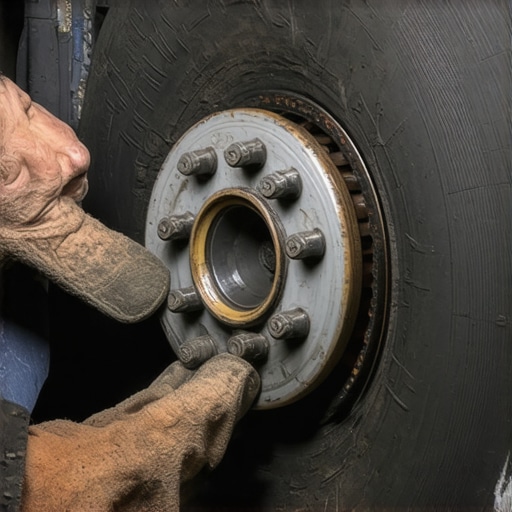
Unscrew the lug nuts completely and remove the wheel. Rotate the hub manually; it should spin smoothly without resistance or noise. Listen for roughness or grinding sounds. While doing this, I noticed my hub was unusually stiff, indicating bearing wear.
Check for Play and Noise
Hold the wheel at the 12 and 6 o’clock positions and gently rock it. Excessive play suggests a bad bearing. For my car, I found about 2mm of movement—a sign repair was necessary before further damage occurred.
Inspect for Visible Damage
Examine the bearing housing and surrounding components for cracks, corrosion, or debris. Sometimes, leaks or dirt accumulation indicate a failing seal. In my case, I found a greasy residue, prompting me to consider replacing the bearing assembly.
Test with a Stethoscope or Stethoscope App
If available, use a mechanic’s stethoscope or smartphone app to listen to the bearing while spinning the wheel. A grinding or squealing noise pinpoints bearing issues. I used a simple app and identified a high-pitched noise, confirming my suspicions.
Reassemble and Test Drive
After inspection, reattach the wheel, tighten lug nuts by hand, lower the vehicle, and fully tighten the nuts to manufacturer specifications in a star pattern. Test drive the car at various speeds, listening for vibrations or noises. When I completed my repair, the smoothness and silence of my drive confirmed I’d sorted the issue.
Maintain Regular Checks
Consistently listening for unusual sounds and performing periodic inspections can prevent catastrophic failures. Only then can you catch early signs, like in my experience, saving time and money. For more related issues, see how to spot a shop that is overcharging for basic services.
When it comes to auto repair, a common misconception is that most repairs are straightforward and can be safely attempted by DIY enthusiasts without fully understanding the intricate nuances involved. However, many car owners fall into the trap of oversimplification, believing that replacing brake pads or changing oil is a simple matter, when, in reality, improper techniques or skipped steps can lead to more serious and costly issues down the line. For example, a missed step during oil change can cause engine wear that might not be apparent immediately but could shorten the vehicle’s lifespan. Recognizing these subtleties is essential for truly effective maintenance.
One of the most pervasive myths in brake service is that grinding noises always mean the brake pads are merely worn out and need replacement. While often true, this sound can sometimes signal underlying issues like master cylinder problems or warped rotors that require more comprehensive repairs. Failing to diagnose the root cause correctly can mask potential safety risks. Many think that a simple pad change will fix all brake issues, but ignoring the system’s full health can cause squealing, vibrations, and even brake failure under heavy use.
Are You Overlooking the Hidden Details in Your Repair?
Advanced technicians know that preventive maintenance isn’t just about replacing parts; it involves understanding the interaction of components and signs that precede failure. For example, subtle inconsistencies in brake pedal feel could indicate issues beyond worn pads, such as caliper sticking or fluid contamination. The same applies to exhaust smells signaling hidden problems that need attention before escalating into costly repairs. Proper diagnosis combines visual inspection, testing, and sometimes specialized tools like a tachometer or diagnostic scanner to reveal these nuances.
Another trap is relying solely on visual cues, like checking brake pad thickness visually, which can be misleading if the pads are unevenly worn or if there are underlying issues such as uneven rotor surfaces or caliper malfunctions. Advanced troubleshooting often involves listening for squeals during braking, feeling for vibrations, and using diagnostic tools to get a comprehensive picture. This holistic approach is vital to avoid premature repairs and to ensure safety.
Let’s not forget the importance of proper tune-ups. Many believe that a tune-up is merely replacing spark plugs, but a complete tune-up includes inspecting and replacing ignition wires, filters, and even timing adjustments—steps that, if skipped, can cause engine misfires, poor fuel economy, and sluggish acceleration. The nuance lies in knowing exactly what to check and when to replace parts, based on manufacturer recommendations and driving conditions.
In the end, the key to effective auto repair and maintenance lies in understanding the complexities beyond the basics. Recognizing common myths, avoiding superficial fixes, and paying attention to the subtle signs can save you money and protect your safety. As you become more aware of these nuances, you’ll find that your vehicle’s longevity and performance improve significantly.
Have you ever fallen into this trap? Let me know in the comments. The more we share insights and experiences, the better prepared we all are to keep our cars running safely and efficiently.
Mastering Maintenance with Reliable Tools
Staying on top of your car’s health requires having the right equipment and understanding how to use it efficiently. Personally, I rely heavily on a high-quality digital torque wrench when tightening critical components like lug nuts or engine parts. This precise tool ensures that I avoid over-tightening, which can cause warping or damage, or under-tightening, leading to unsafe conditions. Investing in a digital torque wrench has transformed my approach to maintenance, giving me confidence that each bolt is secured to the manufacturer’s specifications.
Additionally, I swear by a reliable multimeter, especially when diagnosing electrical issues such as a malfunctioning fuel pump or dead battery. Instead of guessing, I measure voltage and current directly, which saves time and prevents unnecessary replacements. A good multimeter with auto-ranging capabilities simplifies testing and is invaluable when troubleshooting complex systems.
Implementing Advanced Diagnostic Software
Beyond physical tools, employing diagnostic software like OBD2 scanners helps me monitor my vehicle’s health proactively. I prefer a Bluetooth-enabled scanner that pairs with my smartphone and provides real-time data. This approach allows me to check engine trouble codes, monitor sensor readings, and even clear codes after repairs. For example, if your fuel pump begins to show signs of failure, a diagnostic scan can confirm suspicions before full-blown breakdowns occur.
With the trend toward more integrated vehicle systems, future tools might incorporate AI-powered diagnostics that can predict failures before they happen, based on sensor analytics. Embracing these technologies now can give you a significant edge in maintaining your vehicle efficiently.
How do I maintain my car over the long term?
Consistency is key. Regularly scheduled maintenance, like fluid changes and brake inspections, combined with the right tools, keeps your vehicle in peak condition. Remember to revisit your service manual and adhere strictly to the recommended intervals. For instance, inspecting and replacing your brake pads before they wear too thin can prevent costly repairs down the line. Also, consider integrating a scheduled check of your engine’s vital signs using your diagnostic scanner, which can alert you to potential issues early on. This proactive approach is, in my opinion, the best way to preserve your investment and ensure safety on every drive.
Furthermore, staying updated on quality parts and tools is crucial. For example, when replacing your spark plugs, I prefer OEM-grade components paired with a torque wrench to ensure proper seating, which can improve engine performance and fuel economy. As newer vehicle models incorporate more sophisticated electronics, investing in compatible diagnostic and repair tools will be necessary to keep pace.
Remember, a small investment in the right tools and knowledge now can save you significantly in repairs and prevent inconvenient breakdowns in the future. Try calibrating your torque wrench for your next tire rotation or fluid change — you’ll be surprised at how much easier and more precise your repairs become. For those interested in deepening their DIY skills, exploring how to restore foggy headlights or troubleshoot engine misfires might be a good next step, as detailed in other posts. Taking these proactive steps not only prolongs your car’s lifespan but also makes every maintenance session more satisfying and less stressful.
Lessons from My Own Auto Repair Mishaps
- I once ignored a faint humming sound while driving, thinking it was just tire noise. That small oversight led to a costly wheel bearing replacement months later, reminding me how critical it is to trust your car’s signals.
- Discovering excessive play during inspection was a lightbulb moment for me, highlighting that even minor movements can flag serious underlying issues—making regular checks an essential habit.
- Using a smartphone app to listen to wheel whines transformed my troubleshooting approach, showing me that simple tools can provide clear insights and prevent dangerous failures.
Tools and Resources That Have Changed My Approach
- Digital Torque Wrench: Ensures bolts are tightened to the correct torque, preventing damage or accidents. I rely heavily on this for wheel and brake work.
- OBD2 Diagnostic Scanner: My Bluetooth scanner connects to my phone, giving real-time engine data and helping spot issues early, like potential bearing failures or fluid leaks.
- Reliable Repair Guides and Forums: Trusted websites like GlassFix Auto provide comprehensive tutorials and community advice that save me time and money.
Embrace What’s Next to Keep Your Car in Peak Condition
Taking the initiative to learn these subtle signs and leverage reliable tools empowers you to prevent breakdowns and extend your vehicle’s lifespan. Remember, the best auto repair advice comes from a proactive mindset, curiosity, and a willingness to understand your car beyond surface issues. Think about incorporating these practices into your routine—your future self will thank you for safe, smooth travels ahead. Are you ready to start spotting those early warning signs and taking control of your car’s health? Share your experiences below and let’s learn together!