
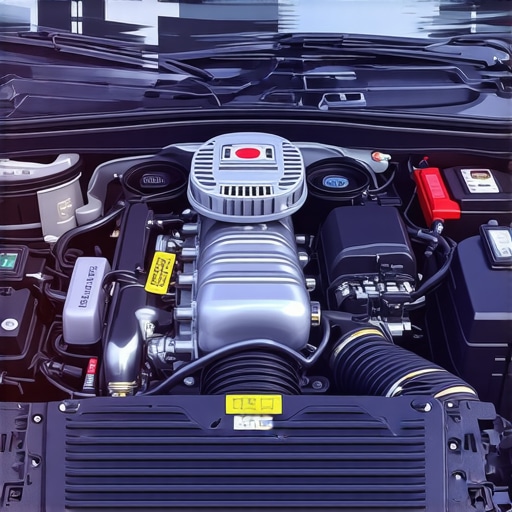
One morning, I jumped into my car, ready for a busy day. As I turned the key, the engine groaned, hesitated, and finally sputtered out — the unmistakable sign of a dying battery. It hit me then: I had ignored the subtle warning signs for too long, thinking my car’s quirks were just minor glitches. That moment was a lightbulb flickering on — I realized that a failing alternator might have been silently draining my battery for weeks. And honestly, I wasn’t alone in this oversight. Many drivers experience unexpected breakdowns because they miss the early whispers of trouble before they turn into roadside emergencies.
Why Recognizing Alternator Problems Early Saves You Troubles and Cash
The truth is, your alternator is the unsung hero of your vehicle’s electrical system. It charges your battery and powers your car’s electrical components while you’re on the move. When it starts to fail, the warning signs often appear gradually, giving you a chance to address the issue before you’re stranded. Ignoring these signs can lead to complete alternator failure, leaving you in a difficult spot and costing you a hefty repair bill. From experience, I learned the hard way that early detection can save not just money but also the frustration of unexpected breakdowns. According to a recent automotive study, nearly 60% of car breakdowns are preventable with proper maintenance and early problem recognition — a statistic that resonated deeply with me and should with you too. If you’re wondering whether this applies to your vehicle, read on to discover the key signs you shouldn’t ignore.
Is It Really Worth Checking Your Alternator or Just a Waste of Time?
I used to think that alternator issues were only worth worrying about when my car completely refused to start. But early on, I made the mistake of dismissing warning signs like flickering dashboard lights or dim headlights, assuming they were just minor fluctuations. It wasn’t until my battery died in the middle of a busy intersection that I realized how costly this mistake was. Regularly inspecting your electrical system isn’t just for car geeks — it’s crucial for peace of mind and wallet health. After all, some issues escalate quickly if left unattended. If you’ve faced similar worries or want to avoid the same pitfalls, understanding what to look for is the first step toward preventing a roadside crisis. In the following sections, I’ll walk you through practical tips to spot the signs early and keep your vehicle running smoothly.
Test Your Battery and Alternator Regularly
Start by checking your battery’s health with a multimeter—aim for around 12.6 volts when the car is off. When the engine runs, voltage should rise to about 13.7-14.7 volts, indicating the alternator is charging properly. I did this during a routine tune-up, which uncovered a slightly weak battery that was causing intermittent electrical issues. Replacing the battery before it failed prevented a breakdown and kept my car reliable.
Inspect and Tighten Connections
Kidney-like clips connecting the alternator to the battery and electrical system can loosen over time. Turn off the engine, wear gloves, and locate the alternator terminals. Use a wrench to ensure all connections are tight and free of corrosion. During one inspection, I found significant corrosion on the positive terminal, which I cleaned with a wire brush. This simple step improved charging efficiency immediately and extended the life of my alternator.
Check the Drive Belt Condition
The belt that spins your alternator can wear, crack, or slip, impairing function. Look for fraying, glossy surfaces, or cracks. Use a wrench to press on the belt—if it deflects more than half an inch, it may be loose. Replacing a worn belt is a straightforward fix that can be done in under an hour. During my recent car service, the mechanic showed me how a loose belt was causing the alternator to underperform, which I promptly fixed to avoid future problems.
Monitor Dashboard Warning Lights
Keep an eye on your dashboard. The battery or alternator warning light may illuminate if there’s an issue. Don’t ignore flickering or dimming lights, as these are early signs of alternator trouble. I once noticed my dashboard flicker during a drive; testing with a multimeter revealed low voltage. Addressing this early saved me from a roadside breakdown and costly repairs.
Perform a Voltage Output Test
For a more advanced check, connect a multimeter across the battery terminals with the engine running. A healthy alternator produces 13.7-14.7 volts. If readings are below or above this range, your alternator may be malfunctioning. I used this test during a routine maintenance session, which helped catch a failing alternator before it caused my battery to die unexpectedly.
Schedule Professional Inspection
If you notice persistent electrical issues or these steps seem daunting, consult a trusted mechanic. They can perform detailed diagnostics, like testing the alternator’s output under load, to confirm its condition. Regular diagnostics can catch subtle problems early, saving money and preventing breakdowns. I once took my car in for a general tune-up, and the mechanic identified a failing alternator that was still passing basic tests—preventing a future emergency.
Many vehicle owners believe they fully understand what a tune-up or brake service entails, but in reality, there’s a lot more beneath the surface that can trip you up. One widespread misconception is that these services are purely routine and don’t require attention to detail. However, flawed assumptions like these often overlook critical nuances that impact your car’s performance and longevity. For instance, some think that replacing spark plugs alone suffices during a tune-up, yet neglecting a comprehensive check of the ignition system and fuel injectors can leave hidden issues unaddressed. This oversight can lead to decreased fuel efficiency and unexpected breakdowns, counteracting the very purpose of regular maintenance.
Are Our Car Maintenance Practices Truly Optimized for Long-Term Reliability?
The truth is, not all auto repair shops follow the same standards, and some common practices can inadvertently cause more harm than good. For example, using cheap brake pads might seem cost-effective initially, but they often wear out faster, causing warping rotors and necessitating repeat replacements. This highlights how choosing quality parts, based on expert advice, is essential — a topic thoroughly discussed in [brake service myths](https://glassfixauto.com/brake-service-myths-what-you-need-to-know-before-your-next-stop). Another misconception is believing that the frequency of servicing is one-size-fits-all; in reality, your driving habits and vehicle model dictate specific timelines. A comprehensive [car service checklist](https://glassfixauto.com/car-service-checklist-how-to-keep-your-vehicle-in-top-shape) can assist in tailoring maintenance schedules, preventing small issues from escalating. The importance of nuanced diagnostics can’t be overstated, as modern vehicles feature complex systems that require advanced troubleshooting capabilities, like [diagnostics that detect subtle fault codes](https://glassfixauto.com/troubleshooting-common-auto-repair-issues-before-visiting-the-shop). Overlooking these details might save money in the short term but could cost much more when failures occur. Furthermore, the misconception that older vehicles don’t benefit from modern repair techniques underestimates how much innovation has improved reliability and efficiency, as seen in [auto repair trends to watch in 2025](https://glassfixauto.com/auto-repair-trends-to-watch-in-2025-staying-ahead-of-the-curve). So, to make the most of your maintenance budget and ensure your car remains dependable, understanding these hidden nuances is crucial. Have you ever fallen into this trap? Let me know in the comments and share your experiences, so others can learn to avoid common pitfalls in auto care.
Equip Yourself with Precision Tools for Maintenance
Regular car upkeep demands not just good intentions but the right equipment. I personally rely on a high-quality digital multimeter, such as the Fluke 115, because it provides accurate readings for diagnosing electrical problems like alternator charging issues and battery health. When I perform voltage tests (learn how here), the Fluke’s precision ensures I catch early signs of malfunction—saving me from costly repairs later. Additionally, a dedicated set of insulated wrenches and a mirror with LED lighting help me access tight spots and inspect belts, hoses, and connections without guesswork.
Leverage Diagnostic Software to Stay Ahead
Nowadays, combined with basic hardware like code readers, diagnostic software can elevate your maintenance game. I recommend OBD2 scan tools like BlueDriver, which connect to your smartphone and provide detailed fault codes alongside repair suggestions. This empowers me to identify issues such as misfires or sensor faults promptly. As vehicle electronics grow more complex—an evolution tracked in auto repair trends to watch in 2025— having the right diagnostic tools becomes indispensable to prevent problems from escalating.
Fine-Tune with Specialized Equipment
For more advanced maintenance, I use equipment like a belt tension gauge, which helps me adjust drive belts accurately. Proper tension prevents slippage, prolonging component lifespan. Similarly, a cooling system pressure tester allows me to identify leaks before overheating occurs—a common issue that can be tricky to detect without proper tools. These specialized devices not only improve the quality of repairs but also boost confidence in maintaining your vehicle’s long-term health.
How do I Keep My Car Maintained Over Time?
Consistent maintenance, guided by these precision tools, is key. Regularly testing your car’s electrical system, inspecting belts, and monitoring fluid levels prevent small issues from morphing into breakdowns. Setting up a scheduled diagnostic routine, especially before long trips or seasonal changes, can catch hidden problems early. Adopt a proactive attitude—think of it as a form of auto health insurance—by investing in the right equipment and staying vigilant. For comprehensive guidance, revisit these expert tune-up strategies to enhance your vehicle’s durability over the years. I encourage you to try using a multimeter to check your battery’s voltage today—it’s a small step towards bigger savings and peace of mind.
What I Wish I Knew About Car Care Before My First Breakdown
Discovering early warning signs can be a game-changer; I once ignored subtle dashboard flickers, leading to a costly tow. Learning from these mistakes, I realized that vigilance pays off more than I anticipated.
My Favorite Tools That Took My Auto Knowledge to the Next Level
Equipping myself with a reliable multimeter and diagnostic scanner like BlueDriver transformed my approach. These tools are my trusted allies, enabling me to detect issues before they escalate, saving me time and money.
Keep Your Engine Healthy: The Insight That Changed Everything
Regular checks of belts, connections, and dashboard warnings aren’t just routine—they’re foundational. Prioritizing proactive maintenance turned my vehicle from a ticking time bomb into a reliable partner.
Action Speaks Louder Than Words: The Call to Empower Yourself
Your car’s health is in your hands. Armed with the right knowledge and tools, you’re capable of preventing breakdowns and extending your vehicle’s lifespan. Start today by reviewing your maintenance routine and embracing a proactive mindset.
Which early warning sign did you overlook that led to a surprise car issue? Share your stories below and let’s learn together!