
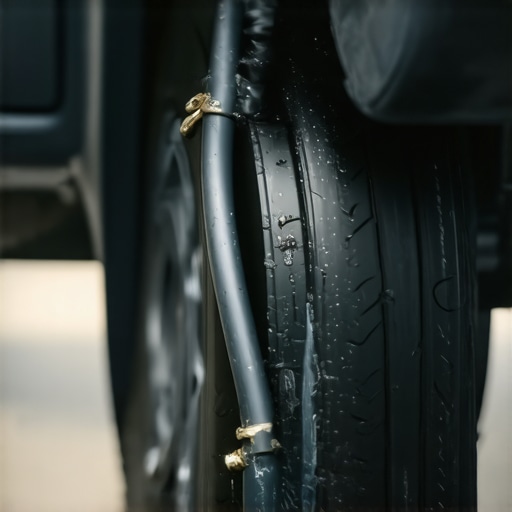
It happened to me just last month. I was cruising down a quiet suburban street when suddenly, my brake pedal felt spongy and unresponsive. My heart sank. It was a near-miss, and I realized I had ignored warning signs that could have saved me from a potentially dangerous situation. That moment taught me a valuable lesson: understanding how to spot a leaky brake line before it fails is a skill every driver should have. Because let’s face it—brakes are not just a safety feature; they’re the difference between a smooth stop and a catastrophe.
Don’t Wait for the Squeal or Soft Pedal—Prevention Is Better Than Panic
Brake lines are like the lifelines of your vehicle’s braking system. When they develop leaks, the consequences can be severe, leading to complete brake failure. The tricky part is, leaks often start tiny, sneaky even, and show subtle signs before becoming a crisis. As I learned early on, neglecting these signs can cost you more than just money—it could cost you your safety.
But how do you tell if your brake lines are leaking? That’s exactly what we’re going to explore today. I’ll share practical, proven tips to help you identify the warning signs early, hopefully sparing you the stress and expense I experienced. And trust me, catching a leak early isn’t as complicated as you might think.
Is It Really Worth the Worry or Just Overthinking?
I used to dismiss minor brake issues as part of aging or just a normal wear-and-tear thing. My mistake? Assuming that a soft pedal or a slight brake fluid smell meant nothing. Turns out, those are classic signs of brake fluid leaks, which can escalate quickly if ignored. An early mistake I made was ignoring a minor brake fluid leak—thinking it was just a small spill or dirt. Big mistake. That small leak turned into a major repair, and if I had been more vigilant, I could have avoided it.
The truth is, many drivers overlook or dismiss these signs until it’s too late. Research indicates that brake system failures, often caused by overlooked leaks, are a leading cause of vehicle accidents. So, paying attention now could be a life-saving decision.
Ready to become proactive? Great! Next, I’ll walk you through the key signs to watch for and how to spot a leaky brake line before it leaves you stranded on the side of the road or, worse, in a dangerous emergency. But before we get into the details, let me answer a common question that’s on most drivers’ minds.
Check Your Brake Fluid Level Regularly
Start by inspecting your brake fluid reservoir beneath the hood. If you notice the fluid is consistently low despite top-offs, it’s a clear sign of a leak. Here’s how I caught a leak last summer: I opened the cap, and the fluid level was noticeably below the minimum mark. I then used a clean cloth to wipe around the brake lines and fittings—any fresh fluid would be apparent. This simple step can save you from a sudden brake failure on the road.
Look for Physical Signs of Leaks
Examine the areas around your brake lines, calipers, and wheel wells for wet spots or crusty deposits. A common mistake is ignoring a small, oily stain because it seems insignificant. I remember seeing a faint dampness on my front left wheel and dismissing it. Turns out, that was a tiny leak that could have escalated. Use a flashlight or a mirror for hard-to-see spots. Think of it as a detective searching for clues—a few minutes can prevent a costly repair later.
Listen for Unusual Noises
When driving, pay attention to squealing, grinding, or hissing sounds—these often point to brake issues. Once, I heard a faint hissing noise when braking, which indicated escaped brake fluid over hot surfaces. To verify, I gently pressed the brake pedal and listened carefully for any air or fluid leak sounds. Acting quickly on these auditory clues is crucial because they often precede a complete brake failure.
Test Brake Pedal Feel
Press the brake pedal and notice its firmness. A soft or spongy pedal suggests air, moisture, or a leak in the system. I once experienced a pedal that slowly sank to the floor—immediately, I pulled over and checked for leaks. This sensation is like pressing a trampoline; if it feels too soft, something’s wrong. Fixing leaks early restores proper pressure and prevents accidents.
Perform a Safe Test Ride
After basic inspections, perform a controlled drive in a safe area. Lightly press the brakes at various speeds and observe response time and pedal firmness. If the pedal feels less responsive or if the vehicle pulls unexpectedly to one side when braking, it’s a red flag. I once experienced a slight pull and realized it was due to uneven brake fluid levels caused by a leak. Remember, never ignore these warning signs—your safety depends on them.
Use a Leak Detection Solution
For a more precise check, apply a brake fluid dye or leak detection spray around connections and fittings. If there’s a leak, the dye will glow under UV light, easily revealing the source. I found this method helpful once when I was unsure about a tiny fluid trail. Employing these tools can pinpoint leaks before they become critical, much like a mechanic would.
Consult a Professional If Unsure
If any signs point to a leak, don’t delay. Schedule a professional inspection promptly. Remember, even minor leaks can lead to total brake failure if neglected. For detailed insights, you might find it useful to review [how to spot a failing brake booster](https://glassfixauto.com/how-to-spot-a-failing-brake-booster-without-specialized-tools), which discusses similar warning signs. Taking quick action ensures your safety and keeps repair costs manageable.
Many drivers assume that routine tune-ups and auto repairs are straightforward tasks focusing only on replacing worn parts or topping fluids. However, as an auto repair expert, I can tell you that there’s a hidden nuance often overlooked: the importance of understanding the underlying causes behind symptoms rather than just addressing surface issues. For example, a common myth is that replacing spark plugs automatically resolves engine misfires, but in reality, those misfires can be caused by vacuum leaks, faulty sensors, or fuel delivery problems that need a deeper diagnosis. Ignoring these nuances can lead to repeated repairs and unnecessary expenses.
One trap many fall into is trusting generic repair advice or fixed-price tune-up packages without asking what’s actually included. A misconfigured tune-up might only replace parts without inspecting critical components like sensors, belts, or the fuel injection system. This oversight can cause symptoms to persist or recur, ultimately costing you more. Additionally, some shops may pad their quotes—this is where understanding **how to spot a padded repair quote** can save you hundreds. Read more about this common issue at https://glassfixauto.com/3-red-flags-your-2026-auto-repair-quote-is-padded-tips.
Have you ever fallen into this trap? Let me know in the comments.
A nuanced aspect often misunderstood involves the very misconception that all noises or symptoms are immediate indicators of a known problem. For example, hearing a squeal during acceleration might seem like a worn belt, but it could also signal tensioner issues or pulley misalignment. Rushing into part replacement without proper diagnosis can be costly. This is especially true with brake services; a pulsating pedal isn’t always just warped rotors—sometimes, the caliper or suspension components are causing uneven wear. More often than not, these issues have interconnected causes that require a systemic approach.
Moreover, many assume that when fluids are topped off, the system is fine. But low fluid levels can be a sign of internal leaks or component failures. Regularly inspecting your brake fluid, coolant, and transmission fluid for contamination or discoloration can prevent failure. For a detailed checklist on what signs to look for, visit https://glassfixauto.com/5-signs-your-2026-car-service-quote-is-total-fluff-save.
Advanced drivers ask: How can I ensure that my repairs address not just the symptoms but the root causes to prevent recurring issues? The key is proper diagnostic practices, rather than jumping straight into repairs. For instance, assessing the vehicle’s data with high-quality scan tools and understanding how sensors interact helps pinpoint issues like misfires, idle problems, or transmission slips. This analytical approach can save thousands in repairs over time.
Ultimately, the hidden nuance is recognizing that each symptom is a piece of a larger puzzle. Addressing only the visible parts of this puzzle—like replacing a worn belt or topping fluids—ignores potential hidden causes. Developing this understanding transforms routine maintenance into proactive vehicle health management. If you’d like to learn more about diagnosing complex auto issues, check out https://glassfixauto.com/how-to-spot-a-failing-brake-booster-without-specialized-tools.
Stay sharp, ask questions, and remember: a well-informed driver is a safer driver.Maintaining your car’s performance over time requires more than just routine oil changes; it demands the right tools, a keen understanding of vehicle systems, and proactive strategies to prevent costly repairs. As an auto repair enthusiast, I rely on a combination of professional-grade diagnostic equipment and specialized tools to ensure every aspect of my vehicle is in top shape. One indispensable device I use is the OBD-II scanner, which allows me to quickly identify sensor malfunctions or emission issues before they escalate. For example, when my check engine light popped on unexpectedly, I utilized my scanner to decode the diagnostic trouble codes, saving me a trip to the mechanic and enabling prompt, targeted repairs.
Overlooking minor brake issues can have serious repercussions. To truly safeguard your driving experience, embracing a proactive mindset is crucial. Regular inspections, understanding your vehicle’s signals, and knowing when to seek professional help are the backbone of enduring safety.
Lessons That Changed My Drive Forever
- Small signs matter: That faint squeal or a slight softness in brake pedal response isn’t just inconvenience—it’s a wake-up call. Recognizing these early signs prevented me from facing costly repairs and potentially dangerous situations.
- Trust your intuition: If something feels off, it probably is. Tires slipping, uneven braking, or unusual noises are your vehicle’s way of telling you to check for leaks or wear. Ignoring these whispers can lead to breakdowns on busy highways.
- Proper tools make a difference: Using leak detection sprays or UV dyes can be game changers. They help pinpoint tiny leaks before they become big problems—saving both time and money.
- Professional guidance counts: When in doubt, consulting a mechanic with diagnostic expertise ensures you’re not just treating symptoms but fixing root causes. This approach prolongs your vehicle’s lifespan and keeps you safe.
- Stay informed: Educate yourself on common signs of brake issues. Reliable resources like detailed guides and expert blogs empower you to act swiftly and confidently, turning you into your own safety advocate.
My Favorite Tools for Diagnosing Brake Problems
- OBD-II scanner: Essential for decoding engine and transmission codes, saving you trips to the mechanic.
- Leak detection sprays: Perfect for visually identifying tiny fluid leaks around brake lines and fittings.
- Visual inspection mirror and flashlight: Great for hard-to-see areas, helping you spot wet spots or crusty deposits early.
- Educational resources: Knowledge is power—staying informed about symptoms and solutions can turn you into your own auto sleuth.
Don’t Hesitate—Protect Your Drive Today
Taking control of your brake system health isn’t just about avoiding repairs—it’s about ensuring your safety and peace of mind every time you get behind the wheel. Proactive care saves lives and hundreds of dollars, so start paying attention to those subtle warnings now. Remember, serious problems often originate from minor issues overlooked in their infancy. Investing time in regular checks and learning to interpret your car’s signals is the best insurance you can have. Want to share your own brake inspection success stories or ask questions? Drop a comment below—your experience might just help someone else stay safe on the road.
Comments are closed.