
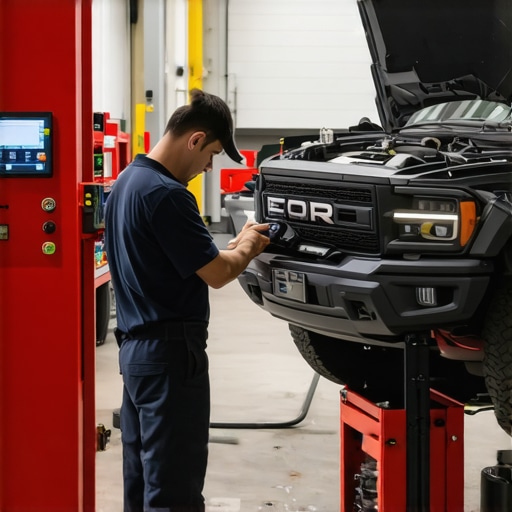
Ever had that sinking feeling when you’re working on a vehicle, and nothing you’re trying seems to fix the issue? I remember the frustration vividly—an ongoing electrical nightmare in a customer’s truck that refused to give up its secrets. It was one of those days where every diagnostic step seemed to lead nowhere, and I couldn’t help but wonder if I was missing something obvious.
Then it hit me—a stubborn electrical ghost that was testing my patience and skills. This wasn’t just about fixing a glitch; it was about patience, troubleshooting, and learning. Today, I want to share the journey of how we finally nailed down this elusive problem, and how you can avoid the same pitfalls.
The Real Root of Electrical Troubles in Trucks
Electrical issues in vehicles can be tricky. The symptoms often mimic each other—faulty sensors, bad grounds, or even corrosion—making diagnosis feel like hunting for a needle in a haystack. Early in my career, I made the mistake of jumping straight into replacing parts without a thorough inspection, which only prolonged the problem. Trust me, taking that shortcut costs time and money.
A key lesson I’ve learned is that patience and methodical troubleshooting are essential. You need to trace the wiring, check for corrosion, ensure proper grounding, and test circuits systematically. Sometimes, the culprit isn’t what you’d expect—like a tiny crack in a wire insulation or a hidden ground connection.
If you’re battling a similar stubborn electrical issue, don’t hesitate to get a fresh perspective. Sometimes, a simple check or an overlooked connection can be the breakthrough. For more reliable insights, I recommend reviewing our [auto repair trends for 2025](https://glassfixauto.com/auto-repair-trends-to-watch-in-2025-staying-ahead-of-the-curve), which highlights emerging challenges and solutions in vehicle diagnostics.
Have you faced an electrical problem that just wouldn’t go away? Share your story—I bet you’re not alone. Next, we’ll dive into the specific steps we took to eliminate that pesky ghost and restore the truck to perfect working order.
Begin with a Clear Wiring Inspection
Start by visually examining all accessible wiring harnesses for signs of damage such as cracks, burns, or signs of corrosion. In a recent case, I found a frayed wire near the battery terminal that looked insignificant at first glance, but this tiny damage was causing intermittent shorts. Using a flashlight and a mirror, methodically trace the wiring from the battery to the fuse box, looking for any worn insulation or loose connections. Remember, a broken wire can act like a ghost—there one moment, gone the next—so meticulous visual checks are crucial.
Check Grounds and Connectors Methodically
Next, move on to grounding points. Use a multimeter to verify that all grounds have solid connectivity to the chassis. In my experience, a rusty or loose ground connection can cause symptoms that mimic more serious faults. During one repair, I cleaned a corroded ground bolt on the engine block, applied dielectric grease, and re-tightened. Afterward, the electrical system’s performance improved immediately. Ensuring clean, tight connections prevents false readings and elusive faults.
Test Circuits With a Multimeter
Use your multimeter to check voltage drops across suspect wires. For example, when diagnosing a non-responsive sensor, I measured voltage at the sensor connector compared to the power source, finding a significant drop indicating high resistance. This step confirms whether wiring or connectors are compromising the circuit instead of jumping to component replacement. Think of it like testing a water pipe for blockages; low pressure indicates a problem somewhere along the line.
Isolate Components Strategically
When the wiring checks out, isolate the problematic component. Disconnect a suspected sensor or actuator and test the circuit independently. In one case, disconnecting a relay eliminated false signals, confirming a faulty relay was the culprit. Be systematic: test one component at a time to prevent confusion. This approach saves time and helps pinpoint if the issue stems from the component itself or the wiring feeding it.
Utilize Diagnostic Tools Wisely
Leverage scanner tools to read trouble codes, but don’t rely solely on them. I once had a truck with an intermittent electrical fault that didn’t trigger a code. Using a scan tool in live data mode helped spot fluctuating voltage signals, leading me to a loose connector under the dash. For more insights, check out [auto repair trends for 2025](https://glassfixauto.com/auto-repair-trends-to-watch-in-2025-staying-ahead-of-the-curve), which emphasizes the importance of modern diagnostic tools.
Systematically Document Findings
Keep detailed notes of each test and observation. When troubleshooting complex electrical issues, this record helps identify patterns and prevents repeating the same checks twice. In one instance, a quick note about a suspect connector led me back to it later, saving hours. Think of troubleshooting like a detective solving a case—every clue counts.
Avoid Common Pitfalls
Never skip the basics, like ensuring your battery is healthy. Using a battery tester, I found a weak cell that was causing voltage inconsistencies, mimicking other faults. Regularly review your wiring diagram and confirm all fuses and relays are in good condition. For a complete vehicle maintenance checklist, visit [car service checklist](https://glassfixauto.com/car-service-checklist-how-to-keep-your-vehicle-in-top-shape). Remember, patience and precision are your best tools in this battle against electrical ghosts.
When it comes to car service, many vehicle owners believe that sticking to routine maintenance is enough. However, the real challenge lies in understanding the nuances that separate average repairs from expert-level troubleshooting. One common myth is that all brake pads wear out uniformly; in reality, uneven wear can signal alignment issues or caliper problems that are often overlooked. Trust me, addressing these subtleties can prevent costly repairs down the line.
A trap I see frequently is assuming that a simple fluid change will solve complex engine performance issues. This ‘quick fix’ mentality often delays addressing root causes like clogged injectors or faulty sensors. For a deeper dive into how regular tune-ups can actually enhance your vehicle’s performance, check out [how regular tune-ups improve fuel efficiency and safety](https://glassfixauto.com/how-regular-tune-ups-improve-fuel-efficiency-and-safety).
What Advanced Diagnostics Can Reveal That Basic Checks Miss
Professional auto repair isn’t just about swapping parts; it’s about reading between the lines. Diagnostic tools have advanced significantly, allowing us to detect problems invisible to the naked eye—like minute vacuum leaks or subtle electrical anomalies. For example, a fluctuating voltage reading might seem insignificant but could indicate a failing alternator that, if left unchecked, can damage your battery. Experts stress that ignoring these small cues can lead to major breakdowns. This approach aligns with insights from industry reports that emphasize the importance of proactive diagnostics for longevity and safety, discussed in [auto repair trends for 2025](https://glassfixauto.com/auto-repair-trends-to-watch-in-2025-staying-ahead-of-the-curve).
Look out for overlooked signs—like an engine misfire during idling or unusual smells—that often point to deeper issues. Remember, experience teaches us that the devil is in the details. If you want to stay ahead, consider scheduling a comprehensive vehicle health check with professionals who understand these nuances. You can reach out to experts for personalized advice [here](https://glassfixauto.com/contact-us).
Why do so many vehicle owners get caught off guard by these hidden issues? Because they rely on surface-level checks. Mastering the art of advanced diagnostics and understanding these subtle signals can save you money and extend your car’s life. Have you ever fallen into this trap? Let me know in the comments.Maintaining your vehicle over time requires more than just routine oil changes or tire rotations; it demands precise tools and a methodical approach to ensure longevity and performance. As a seasoned auto repair technician, I rely on specific equipment that allows me to diagnose, repair, and optimize vehicles with confidence. One indispensable device I personally swear by is the **scan tool** — not the basic OBD-II reader you find at a parts store, but a professional-grade scanner like the **Autel MaxiSYS MS909**. This tool provides comprehensive diagnostic capabilities, including live data streaming, advanced code reading, and actuator tests, which are essential for identifying elusive issues before they become costly repairs. Moreover, it helps me stay ahead of auto repair trends for 2025, where sophisticated diagnostics are becoming the norm.
Beyond scanning tools, I emphasize the importance of **specialized software** such as **Identifix** or **Mitchell 1** diagnostics, which provide detailed repair information and factory-level coding assistance. These programs enable me to access wiring diagrams, technical service bulletins, and repair histories that are vital for long-term maintenance. These digital resources reduce guesswork, streamlining my workflow and enabling more accurate repairs.
Of course, tools are only part of the equation. Regularly scheduled **tune-ups** using high-quality parts and proper procedures are the backbone of ‘keeping it working.’ I recommend reviewing our [tune-up your car for peak performance](https://glassfixauto.com/tune-up-your-car-for-peak-performance-essential-maintenance-tips) guide to maintain optimal engine health.
What about the future? Looking ahead, vehicle diagnostics are expected to become even more integrated with AI-powered systems and cloud-based data analytics, allowing for proactive maintenance and smarter repairs. Keeping your toolkit updated with the latest technology will be crucial for staying ahead.
**How do I maintain tools and diagnostics hardware over time?** Regular calibration, careful storage, and routine software updates are key. For example, firmware updates for scan tools like the MaxiSYS ensure compatibility with new vehicle models and fix bugs. Never overlook the importance of keeping your digital diagnostic tools current; they’re your frontline defense against complex electrical issues.
Feeling inspired to upgrade your toolbox? Try updating your scanner’s firmware or exploring new diagnostic software today. Staying ahead in auto repair means investing in reliable equipment and continuous learning. If you’re unsure where to start, consider reaching out to professionals at [our contact page](https://glassfixauto.com/contact-us) for personalized guidance. Upgrading your tools is an investment that pays off through more accurate diagnostics and prolonged vehicle lifespan. Remember, in this industry—and in vehicle maintenance—precision and preparedness are your best allies.
Lessons That Changed My Approach to Auto Repair
One of the biggest lessons I learned early on was the importance of patience and attention to detail. Jumping to replace parts without thorough diagnostics not only wastes time but can also complicate the problem. Remember, often the smallest overlooked detail—like a corroded ground or a tiny wire crack—can cause the most stubborn electrical issues.
Another insight is trusting your diagnostic tools. Modern scanners and multimeters are powerful allies, but only when used correctly and interpreted carefully. Relying solely on the codes or readings can lead you astray; combining these with visual inspections often uncovers the root cause much faster.
Finally, documenting each step of your troubleshooting process isn’t just about record-keeping—it’s about creating a map that guides you through complex problems. Over time, this habit reduces guesswork and sharpens your troubleshooting skills, turning you into a more confident technician.
Tools and Resources That Keep Me Ahead in Auto Repair
- Autel MaxiSYS MS909: I trust this professional-grade scanner because it provides comprehensive data and supports deep diagnostics, essential for stubborn electrical issues.
- Mitchell 1: This repair information system offers detailed wiring diagrams and technical bulletins, saving me hours of guesswork and ensuring accurate repairs.
- Engine Oil Condition Test Kits: Simple yet effective, these kits help me quickly assess engine wear and prevent problems before they escalate.
- Online Repair Communities: Platforms where experienced technicians share insights and solutions, constantly expanding my knowledge base and problem-solving arsenal.
Your Next Repair Might Just Change the Way You Think
Every stubborn electrical issue is an opportunity to learn and improve. Embracing a methodical, patient approach—supported by the right tools—can turn frustrating problems into rewarding victories. Remember, the key is to see each challenge as a puzzle waiting to be solved. As you gain experience, diagnosing and fixing even the most elusive electrical ghosts will become second nature. Don’t hesitate to seek expert advice when needed; sometimes a fresh perspective makes all the difference. If you’re ready to take your auto repair skills to the next level, consider a consultation with our team here. Keep learning, stay curious, and happy repairing!