
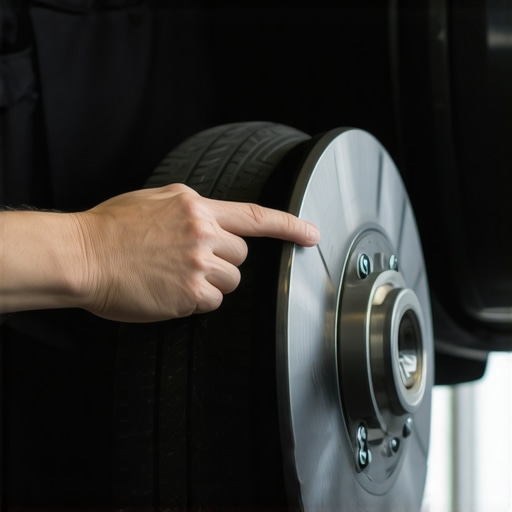
It was just another Saturday when I first experienced that unmistakable squeal every time I pressed the brake pedal. At first, I thought it was just a loose piece of debris or maybe a worn-out pad. But to my dismay, the squeaking persisted, growing louder with each stop. That lightbulb moment hit me hard — if I didn’t address this squeak now, I was risking costly damage to my rotors and risking my safety on the road.
Why Ignoring Brake Noise Can Cost You Big Time
Squeaky brakes are more than just an annoyance; they often signal underlying issues that could compromise your vehicle’s safety and longevity. When brakes squeal, it could mean worn brake pads, brake dust buildup, or, in worse cases, a potential rotor problem. Depending on how early you catch it, addressing this noise can save you hundreds, if not thousands, of dollars in repairs. Plus, it keeps your car running smoothly and reliably, a crucial factor for anyone who depends on their vehicle every day.
Is Brake Squealing Actually Worth the Hype?
I admit, I used to dismiss squeaky brakes as just a minor annoyance, thinking they’d go away on their own or that I could fix it myself later. Early on, I made the mistake of ignoring the signs, which worsened the problem over time. This oversight taught me an important lesson: if you’re hearing that high-pitched squeal, it’s time to prioritize maintenance. Proper brake upkeep isn’t just about silence — it’s about safety and trust in your vehicle’s ability to stop when it matters most. For expert tips on maintaining your brakes, check out trusted brake system repairs.
Assess the Extent of the Brake Issue
Start by inspecting your brake pads visually. Look for uneven wear or thinning material—if pads are less than 1/4 inch thick, they need replacement. Use a flashlight for the best view. Remember, uneven pads could cause squeals and reduce braking efficiency.
Gather Necessary Tools and Parts
Prepare a jack, jack stands, lug wrench, socket set, brake caliper piston tool, brake cleaner, and new brake pads or shoes. Having all tools ready prevents multiple trips to the auto parts store and expedites the process. I once had to stop midway because I remembered I forgot the brake lubricant—don’t be that guy.
Lift the Vehicle Safely
Loosen the lug nuts slightly while the car is still on the ground. Then, use the jack to lift the vehicle; secure it with jack stands. Never rely solely on the jack. Properly elevated cars prevent accidents, especially if you’re working beneath the vehicle. I recall once I lifted too high and struggled to maneuver under the car—taking your time is safer and more effective.
Remove and Replace Brake Components
Take off the wheel, then unbolt the brake caliper and hang it securely with a wire or bungee cord. Remove the worn brake pads. Before installing new pads, use brake cleaner to remove dust and debris. Apply a thin layer of brake lubricant to the back of the new pads and caliper contact points to prevent squealing, per trusted brake system repair tips.
Reinstall Caliper and Wheel
Squeeze the piston back into the caliper with a brake caliper piston tool to make space for new pads. Carefully reattach the caliper, torque bolts to manufacturer specifications, and put the wheel back on. Tighten lug nuts in a star pattern for even pressure. Lower the vehicle gradually and double-check lug nut tightness.
Test and Confirm Repairs
Before hitting the road, pump the brake pedal deliberately 20-30 times to seat the new pads properly. Then, test drive in a safe area at low speed, applying brakes gradually. Listen for squeals or unusual noises. If everything feels smooth and stops confidently, you’ve successfully completed the repair. Remember, performing a test like this saved me from a dangerous drive that could have been compromised by improper installation.
While many drivers believe that understanding the basics suffices for car maintenance, there are nuanced pitfalls and misconceptions that can lead to costly mistakes. One common myth is that all auto repairs can be tackled with a DIY approach using generic instructions. In reality, professional diagnostics often reveal underlying issues, such as subtle caliper sticking or brake fluid contamination, that layperson inspections might miss. For instance, not all brake squeals are due to worn pads; sometimes, a small leak or a warped rotor could be the culprit, which only an expert diagnosis can accurately identify. Skipping regular tune-ups might seem harmless, but it often results in overlooked engine inefficiencies or worn-out components that gradually degrade performance. According to industry expert sources, neglecting these nuances can reduce your vehicle’s lifespan and increase repair costs over time.
Another advanced mistake is assuming brake noise is always a sign of just worn pads, when sometimes it stems from issues like improper caliper retraction or uneven pad wear caused by misaligned rotors. These subtle problems, if unaddressed, can accelerate component failure and compromise safety. To avoid falling into these traps, consult trusted repair guides and get routine professional checkups—think of it as preventive medicine for your car. For example, regular brake system inspections can catch early signs of corrosion or fluid deterioration that might not produce immediate symptoms but can be detrimental long-term.
Curious about how to distinguish between minor and serious issues during your maintenance routine? Consider this: If your brakes squeal only during cold starts but become silent afterward, it could indicate brake pad glazing rather than worn-out components. Conversely, persistent vibrations under braking signal uneven rotor surfaces needing professional attention. Fine-tuning your knowledge on these nuances ensures you don’t just react to problems but proactively prevent them. Remember, even seasoned technicians sometimes miss these subtleties without proper diagnostic tools. To deepen your understanding, explore expert strategies for [trusted brake system repairs](https://glassfixauto.com/trusted-brake-system-repairs-auto-repair-strategies-for-safety).
Stay vigilant, question assumptions, and keep learning—your vehicle’s longevity depends on it. Have you ever fallen into this trap? Let me know in the comments.
Keep Your Vehicle in Top Shape with the Right Tools
Maintaining your car’s performance over time demands more than basic knowledge; it requires the right equipment and a systematic approach. I personally swear by a high-quality torque wrench from GearWrench because accurate torque settings prevent over-tightening, safeguarding your components and ensuring longevity. For diagnostic work, I rely on an OBD-II scanner like the BlueDriver, which provides clear error codes and actionable insights. These tools have consistently saved me time and money, highlighting the importance of precision and reliability in auto repair.
Prioritize Regular Tune-Ups and Inspections
Preventative maintenance is your best shield against costly repairs. Regular tune-ups, as detailed in expert auto repair tips, help catch issues early. I schedule comprehensive inspections every 6 months, focusing on brake systems, fluid levels, and belts. Using a trusted mechanic for semi-annual checkups ensures that hidden problems don’t escalate, maintaining optimal vehicle performance and safety.
Embrace Modern Diagnostic Software for Long-Term Results
While manual inspections are valuable, integrating advanced diagnostic software like TechLink’s Auto Repair Suite streamlines the process. It provides detailed insights into engine health, sensor data, and system integrity, allowing me to plan repairs proactively. According to industry expert insights, software-assisted diagnostics significantly boost reliability by identifying subtle issues invisible to the naked eye, especially as vehicles become more complex.

Placeholder for an image illustrating a mechanic using a diagnostic scanner with a laptop, highlighting the integration of technology in modern auto repair. Alt: Modern auto mechanic diagnosing vehicle systems using a laptop. Title: Embracing Technology for Better Vehicle Maintenance.
How do I maintain long-term reliability in auto repairs?
Consistent use of quality tools combined with scheduled inspections and software diagnostics creates a strong foundation. Don’t forget to document your maintenance history and adhere to manufacturer recommendations, which can extend your vehicle’s lifespan and improve performance. For more detailed strategies, visit trusted brake system repair tips and apply what fits your routine. Start by choosing one advanced tool, like a torque wrench or diagnostic software, and incorporate it into your maintenance routine—you’ll notice the long-term benefits quickly.
Over the years of DIY repairs, I’ve learned that some of the most costly mistakes come from overlooking small signs of trouble and trusting surface-level fixes. The real insight often hides beneath the surface, especially when it comes to critical components like your brakes. One lightbulb moment for me was understanding that a squeal or vibration isn’t always a simple pad issue—it can point to deeper, more complex problems that demand attention.
Lessons That Challenged My Auto Repair Assumptions
- Not all brake squeals are equal. I used to think squeals were only caused by worn pads. Later, I learned that misaligned rotors or caliper issues could produce similar sounds, which meant I was risking safety by only replacing pads without diagnosis.
- DIY isn’t always enough. While I love hands-on repairs, I discovered that some problems require specialized tools or knowledge, such as understanding rotor warping or caliper sticking—these lessons pushed me to know when a professional touch is necessary.
- Regular inspections prevent emergencies. Waiting until brakes fail often leads to costly repairs. Routine checkups, tailored to my driving habits, have saved me from unexpected breakdowns, aligning with expert advice found in trusted repair tips.
- My tools need to be trustworthy. Using quality tools for maintenance, like torque wrenches or diagnostic scanners, makes a visible difference. They bolster my confidence that my repairs will last and that my vehicle remains safe.
- The joy of proactive care. Catching small signs early has transformed my approach, turning what once felt like guesswork into a confident routine grounded in knowledge and preparation, fostering trust in my vehicle’s reliability.
Tools and Resources That Keep Me on Track
- GearWrench Torque Wrench — Essential for precise tightening, preventing over-tightening which can cause damage.
- BlueDriver Diagnostic Scanner — Provides detailed insights that go beyond basic checks, helping to identify hidden issues before they escalate.
- Trusted Brake Repair Guides — These guides deepen my understanding and clarify when a repair is DIY or professional.
- Routine Maintenance Tips — Building habits that focus on early detection and prevention, ensuring my vehicle remains in peak condition.
Challenges that Ignite My Passion for Smarter Repairs
Every unexpected sound or vibration pushes me to learn more, turning frustrations into opportunities. The thrill of correctly diagnosing and fixing an issue fuels my curiosity and patience, reminding me that smarter auto care isn’t just about saving money—it’s about building trust between me and my vehicle. Knowing I can handle minor issues confidently empowers me to seek professional advice for complex problems, keeping me safe and satisfied on every journey. Remember, proactive repairs and continuous education are the keys to long-term reliability. How have your repair experiences changed your perspective on vehicle maintenance? Share your story below and join the community of smarter car owners.