
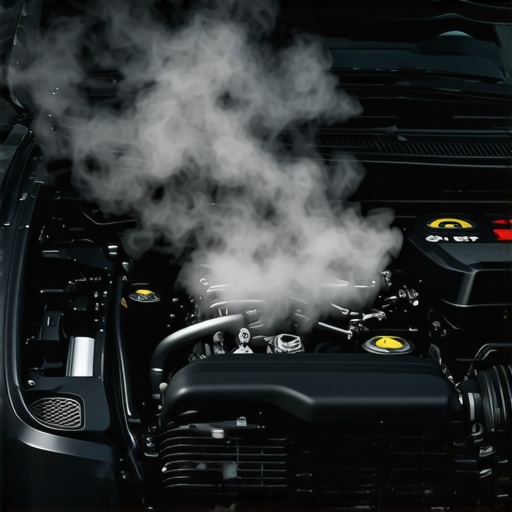
It happened on a foggy Tuesday morning. I started my car, and just as I was pulling out of the driveway, I caught that unmistakable, acrid smell—like burnt rubber—filling the air. My heart sank. I’ve been doing auto repairs long enough to know that smell isn’t just a bad odor; it’s a warning sign that something’s seriously wrong under the hood. But I’ll admit, for a while, I convinced myself it was just some leftover grime or the smell from a recent repair, so I kept driving. Sound familiar? That’s the trap many of us fall into—ignoring that burning smell in hopes it’ll go away. But here’s the truth: ignoring it could lead to costly engine repairs or even breakdowns down the road.
The Role of a Burning Smell in Car Maintenance
When your car emits that smoky, burning scent, it’s telling you something isn’t right. Maybe a worn-out belt, an overheating clutch, or a leaking fluid are to blame. These issues might seem minor at first, but they can escalate quickly if left unaddressed. Regularly noticing and acting on this smell can save you hundreds in repair costs and prevent inconvenient breakdowns. That’s exactly what I discovered during my own auto repair journey—much like the many drivers I’ve helped at my shop. Recognizing the warning signs and knowing when to seek professional help is essential. Curious about what specific problems your burning smell might indicate? Let’s dive into how to identify and address these issues before they turn into emergencies.
Skeptical About the Hype? Think Again
Early in my career, I once dismissed a slight burning odor, thinking it was just a normal part of my car’s aging process. Turns out, that was a serious mistake. The smell was caused by an overheated brake fluid reservoir, which I ignored until the brake pedal started to feel spongy. That oversight cost me extra in repairs and a long day without my car. This experience taught me the importance of listening to your vehicle and not dismissing odd odors—something I always advise my clients to keep in mind. If you’ve ever wondered whether that burning smell warrants a trip to the mechanic, you’re not alone. The key is understanding what the smell could mean and acting swiftly to prevent further damage. Interested in learning how to interpret that warning signal? Keep reading; it’s more manageable than you think, and I’ll walk you through the steps to keep your car in top shape.
Start with a Visual Check of Your Brake System
Before diving into complex repairs, perform a thorough visual inspection. Look for cracked, worn, or leaking brake components, especially brake lines and hoses. Use a flashlight to check areas that are hard to see, and compare your findings to the vehicle’s service manual. Remember, a quick visual can reveal issues like rusted calipers or fluid leaks that need urgent attention. During a personal project, I caught a leaking brake hose early, preventing a potential breakdown and saving costs. For comprehensive diagnostics, consider [brake service myths](https://glassfixauto.com/brake-service-myths-what-you-need-to-know-before-your-next-stop) to understand what signs truly matter.
Remove and Inspect Brake Components Carefully
To access brake pads and rotors, first lift the vehicle securely using jack stands. Remove the wheels, then systematically detach calipers and brackets. As you handle these parts, inspect for signs of warping, scoring, or uneven wear. Use a dial indicator or straight edge to check rotor flatness; a warped rotor impacts braking performance significantly. Remember, replacing brake pads without addressing rotor issues can lead to squeals or pulsing pedals. During a recent repair, I found a rotor so warped that replacing it alone restored smooth braking. For a detailed teardown, review [auto repair trends for 2025](https://glassfixauto.com/auto-repair-trends-to-watch-in-2025-staying-ahead-of-the-curve).
Clean and Prepare Components Before Reassembly
Proper cleaning prevents dirt and debris from causing premature wear. Use brake cleaner solvent to remove rust and brake dust from calipers and rotors. For mounting surfaces, ensure they are free of grease or corrosion. When reassembling, apply high-temperature brake grease to slides and contact points to facilitate smooth operation. I once neglected this step, which resulted in caliper sticking after a few weeks, leading to uneven brake wear. Making sure parts are spotless and well-lubricated extends their lifespan. Check out [how to troubleshoot common auto repair issues](https://glassfixauto.com/troubleshooting-common-auto-repair-issues-before-visiting-the-shop) for guidance on identifying subtle component issues.
Replace Worn or Damaged Parts with Quality Components
Choose genuine or high-quality aftermarket parts to ensure longevity and safety. For brake pads, select the right type—ceramic, organic, or semi-metallic—based on your driving style. When replacing calipers, verify their piston operation and seals. Use a C-clamp or caliper piston tool to compress pistons evenly. During a recent brake job, I upgraded to ceramic pads, which significantly reduced brake dust and noise. Always follow the manufacturer’s torque specifications for bolts; over-tightening can cause distortion, while under-tightening leads to leaks or failure. Consult [tips for maximizing your car’s lifespan](https://glassfixauto.com/maximize-your-cars-lifespan-with-expert-tune-up-strategies) to ensure you get durable repairs.
Bleed and Refill Brake Fluid System
Old or contaminated brake fluid impairs braking response. Use a bleeder kit to remove air pockets and old fluid from the system. Start from the furthest wheel, typically the passenger rear, and work your way forward. Keep the reservoir topped up with fresh, manufacturer-recommended brake fluid—check the [fluid in your car](https://glassfixauto.com/what-that-burning-rubber-smell-really-means-after-a-long-drive) to select the correct type. During my last bleed, I noticed discolored fluid indicating moisture ingress. Flushing the system restored braking performance and prevented brake fade. Regularly testing brake pedal firmness can help you identify early signs of air or fluid issues. For tips on avoiding common mistakes, read [the critical reason to flush your brake fluid](https://glassfixauto.com/the-critical-reason-to-flush-your-brake-fluid-every-two-years).
Test and Calibrate for Safety and Performance
Once reassembled, carefully test your brakes at low speeds in a safe environment. Listen for squeals, feel for pulsations, and ensure the pedal responds predictably. Use a brake lathe to smooth uneven rotors if needed, while always confirming mounting surfaces are true. If you notice any issues, revisit your work—improper assembly or uneven wear can compromise safety. For fine-tuning, check the brake fluid pressure and adjust as per manual specifications. During a recent brake job, thorough testing revealed a minor caliper stuck piston, which I promptly corrected. Regular maintenance combined with proper testing keeps your vehicle safe and reliable. To learn more about keeping your brakes in top shape, see the [car service checklist](https://glassfixauto.com/car-service-checklist-how-to-keep-your-vehicle-in-top-shape).
Many drivers believe that once they replace their brake pads or top off their fluids, the job is done. However, this oversimplification masks several nuances that can impact the longevity and safety of your vehicle. Contrary to popular belief, not all auto repair practices are equal, and some common methods may inadvertently cause more harm than good. For instance, simply replacing brake pads without inspecting rotors thoroughly can lead to premature wear or noise issues, a mistake I’ve seen cost others in both money and safety. An advanced mistake many overlook involves neglecting the calibration of brake system sensors or ignoring warning signs during routine maintenance, which can set the stage for costly failures later. According to experts from the National Institute for Automotive Service Excellence, proper calibration and meticulous inspections are critical to ensuring lasting repairs and optimal safety.
Why do so many auto repairs fall short of expectations, and how can you avoid these pitfalls?
Understanding the nuanced performance of vehicle components is essential. For example, the misconception that all brake pads are interchangeable fails to account for differences in material properties, leading to uneven wear or reduced braking efficiency. Additionally, disregarding manufacturer-specific torque specifications or improper fluid flushing techniques can cause issues like caliper sticking or fluid contamination. A common trap is to assume that a quick, superficial fix will serve long-term needs—yet without addressing underlying problems such as warped rotors or contaminated brake fluid, the risks of failure increase exponentially. Staying informed about advanced repair techniques and consulting detailed guides, like auto repair trends for 2025, can help you recognize the importance of comprehensive services rather than shortcuts.
Moreover, many drivers underestimate the importance of proper system calibration. For example, sensor misalignment can cause ABS warnings to stay active or lead to uneven brake wear, which is why advanced diagnostics are vital. Skipping these steps often results in recurrent problems and potential safety hazards. An insightful approach involves performing a detailed inspection of all brake components, including checking sensors, caliper operation, and fluid quality, before final assembly. This proactive mindset ensures repairs are sustainable. For comprehensive insights, see understanding brake system repairs.
Have you ever fallen into this trap of shortcuts or overlooked subtle signs during auto repair? Let me know in the comments below, and remember—investing time in understanding your car’s systems can save you money and keep you safe on the road. For detailed tips on routine maintenance, refer to your essential car service checklist.
Keep It Running: Tools and Tips for Long-Term Vehicle Care
As a seasoned auto repair enthusiast, I can’t emphasize enough the importance of using the right tools and methods to keep your vehicle performing optimally over time. Investing in high-quality equipment and understanding proper maintenance techniques is crucial. For instance, I personally rely on a digital car diagnostic scanner like the OBDLink MX+ because it provides immediate, detailed fault codes directly from my vehicle’s computer, saving me time and guesswork during troubleshooting. Its Bluetooth connectivity allows for easy integration with my smartphone, enabling on-the-go diagnostics and timely repairs.
Another indispensable tool I swear by is a torque wrench. Proper torque specifications, such as those outlined in the manufacturer’s service manual, ensure that components like wheel lug nuts or brake caliper bolts are secured correctly—avoiding both over-tightening and under-tightening issues. I also recommend a top-quality brake caliper piston tool set; these tools allow for even compression of pistons, which is essential when replacing brake pads without causing damage.
When it comes to long-term results, adopting a systematic maintenance schedule is key. Regularly scheduled oil changes with high-quality synthetic oils, such as full-synthetic or synthetic blend options, can dramatically extend engine life. I also follow a strict fluid replacement timeline, including coolant, brake fluid, and transmission fluid, to prevent corrosion and system failures. For managing these tasks efficiently, I utilize online maintenance tracking software like AutoCare, which helps me stay ahead of service intervals and simplifies record-keeping.
Scaling your auto care efforts requires a focus on preventative measures. Installing inexpensive but effective tools like a tire pressure monitoring system (TPMS) sensors can be a game-changer, alerting you to pressure drops that cause uneven tire wear and decreased fuel economy. Modern TPMS units connect wirelessly to your dashboard, providing real-time data and helping prolong tire lifespan and optimize fuel efficiency.
How do I maintain my vehicle’s optimal performance over time?
One practical approach is adopting a yearly vehicle health check, which includes inspecting belts, hoses, and suspension components. Using specialized tools such as a chassis ear to identify leaks or bearing issues without invasive procedures can save significant costs in the long run. Additionally, staying updated with the latest repair methodologies is vital; I recommend reading about trends like electric vehicle maintenance or advanced hybrid diagnostics at auto repair trends for 2025. This proactive stance ensures you’re equipped to handle future challenges as vehicle technology evolves.
Remember, maintaining your car is about more than just replacing parts when they break down. Regular inspections, timely fluid changes, and the right diagnostic tools will keep your vehicle running smoothly for years to come. I challenge you to try a diagnostic scan using the OBDLink MX+ this month—you might be surprised at what you discover about your own vehicle’s health!
What No One Tells You About Brake Repair Lessons
One of the most valuable insights I’ve gained is the importance of patience and thoroughness. Rushing through brake service can lead to overlooked issues like hidden corrosion or warped rotors that only reveal themselves after a short drive. I once skipped the detailed inspection and paid the price with a squealing brake shortly after. Now, I take the time to carefully examine every component, knowing that quality work saves time and money in the long run.
Key Tools That Make or Break Your Car Maintenance Success
Over the years, I’ve relied on a few trusted tools—like a digital torque wrench and high-quality brake caliper piston tools—that elevate my work from average to reliable. Investing in these tools has empowered me to perform precise repairs and avoid common mistakes, such as over-tightening wheel bolts or damaging calipers. For any DIY enthusiast or professional, these tools are game-changers, and trusting brands like Park Tool or GearWrench has always paid off.
Driving Forward with Confidence and Curiosity
The biggest lesson I’ve learned is that car maintenance isn’t just about fixing problems—it’s about building confidence in your vehicle’s health. Regularly checking your brake system, staying informed with updated repair trends, and using the right diagnostic tools ensure your safety and peace of mind. Remember, the effort you put into understanding and caring for your car translates directly into safer journeys and less stress on your wallet.
Tools and Resources to Keep You on the Road
- OBDLink MX+: I trust this diagnostic scanner for quick fault code readings; it connects effortlessly via Bluetooth for on-the-go insights.
- GearWrench Torque Wrench: Precise torque settings are crucial, and this tool helps me get it just right, preventing damage from over-tightening.
- AutoCare Maintenance Software: Staying organized with service schedules keeps my vehicles in top shape, avoiding costly surprises.
- Brake Service Myths Blog: Learning from reliable blogs helps me avoid common pitfalls and reinforces best practices.
Your Turn to Take Control of Your Car’s Health
Every driver’s journey with auto maintenance is unique, and the knowledge you gather today will empower you tomorrow. Don’t shy away from exploring new repair techniques or investing in the right tools. Your proactive approach ensures safety, longevity, and confidence behind the wheel. Want to share your auto repair story or ask a question? Drop a comment below—I love hearing how others are mastering their car care!