
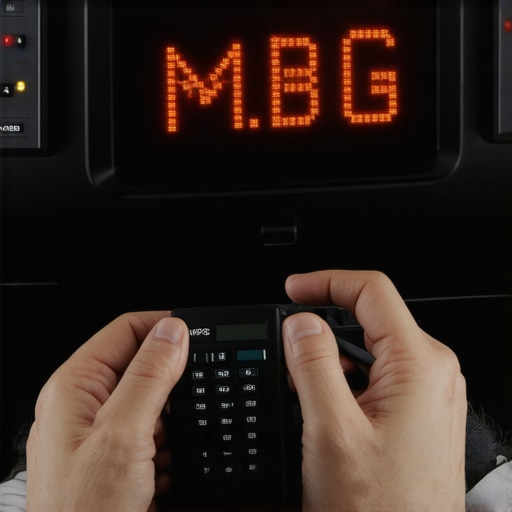
Ever glanced at your car’s dashboard and trusted that MPG reading, only to find your real fuel economy miles below what it claimed? I used to do the same—believing those numbers without question, thinking the car was performing perfectly. But one day, after a lengthy road trip, I decided to do the math myself. To my surprise, my actual miles per gallon were significantly worse than what the dashboard suggested. That moment was a lightbulb that changed my entire approach to car maintenance and monitoring.
Stop Relying Blindly on Dashboard MPG Estimates
The truth is, dashboard MPG readings are often estimates based on simplified calculations that can be wildly off. Manufacturers program these gauges to give you a quick, convenient snapshot, but they aren’t foolproof. Factors like inconsistent fuel quality, tire pressure, or even small mechanical issues can skew these readings, making it seem like everything’s fine when it isn’t. Personally, I’ve learned that doing your own calculations—by manually tracking fuel fill-ups and miles driven—is the only way to truly understand your vehicle’s efficiency and health. Once I started calculating my real MPG, I caught issues early that otherwise would have slipped under the radar. It’s like giving yourself a personal diagnostic test—one that can reveal problems before they manifest into costly repairs.
Are dashboard estimates really reliable or just convenient guesses?
In my early days, I naively trusted that little MPG number, not realizing I was deceived. It wasn’t until I made a misjudgment about my car’s fuel efficiency that I saw the importance of doing the math myself. Don’t make the same mistake I did—learning to do the calculations manually can save you unexpected expenses and extend your car’s life. Curious about how to accurately track your MPG? I’ve found a simple method that’s surprisingly effective, which you’ll see in upcoming sections. But first, let’s address the biggest skepticism many have: is this effort really worth it? Just ask yourself—what are you risking by taking dashboard estimates at face value? The answer might surprise you. For example, a small vacuum leak can cause your MPG to plummet, but if you’re only watching the dashboard, you might miss it entirely. I’ll show you how to spot such issues yourself, empowering you to be an active participant in your vehicle’s maintenance rather than a passive observer.
Start Keeping a Detailed Fuel Log
The first step I took was to set up a simple spreadsheet or notebook dedicated to recording every fuel fill-up. Whenever I refueled, I noted the exact liters or gallons added and the odometer reading. This clear record allowed me to calculate my true MPG over time, revealing issues I never suspected. For example, after a month of tracking, I noticed my MPG dipped unexpectedly. That prompted me to check for hidden problems, like a vacuum leak, which I later confirmed through a simple test. This process is akin to keeping a journal—understanding your car’s ‘diet’ helps identify when something’s wrong.
Perform Regular Manual Calculations
Every time I filled up, I divided the miles traveled since the last fill by the gallons purchased. For example, if I drove 350 miles and used 12 gallons, my real MPG was about 29.2. Consistently doing these calculations uncovers patterns—like whether fuel economy drops after certain driving conditions or maintenance tasks. This practice is comparable to checking your bank statement; it keeps you aware and in control. To streamline this, I set reminders to record data right after refueling, avoiding forgotten entries that skew results.
Inspect and Maintain Your Vehicle Based on Findings
Armed with concrete data, I took targeted actions. For instance, noticing a decline in MPG led me to inspect my tire pressure and found several tyres underinflated, which was an immediate efficiency killer. I also checked for vacuum leaks, which could cause poor fuel combustion. For common issues like vacuum leaks, I followed a step-by-step process mentioned in this guide. Fixing such problems restored my MPG closer to expected levels, saving me money and preventing future breakdowns. Regularly reviewing your logged data helps you spot subtle issues—think of it as giving your car a health checkup.
Use Visual and Sensory Clues to Detect Problems
In addition to calculations, I learned to listen and look for signs of trouble. A misfiring engine, for example, often causes unexplained drops in MPG and can be diagnosed early by recognizing the misfire’s symptoms. My experience was when my engine started hesitating during acceleration—initially subtle but gradually worsening. That led me to read about common causes at this article. Simple checks like inspecting spark plugs or spark wires can unveil the culprit. Combining numerical data with sensory observations creates a powerful diagnostic toolkit, enabling you to act before minor issues become costly repairs.
Leverage Technology for Better Tracking
While manual calculations are effective, I also adopted smartphone apps that log fuel and mileage automatically once set up. These apps analyze patterns over time, alerting me to sudden efficiency drops comparable to those experienced in professional tune-ups. Think of it as having a personal mechanic in your pocket—except it’s smart enough to spot things you might overlook. Incorporating these tools into your routine streamlines diagnostics, saving time and preventing guesswork. Remember, the goal is to create a comprehensive understanding of your vehicle’s performance, empowering you to maintain peak efficiency and catch issues early. For more advanced diagnostics, tools like code readers or vacuum leak detectors can be invaluable, but starting with accurate manual records is the most effective first step.Many car owners operate under the assumption that routine services like tune-ups or brake replacements are straightforward fixes, but in reality, there’s often a hidden nuance that trips up even seasoned enthusiasts. A prevalent myth is that replacing parts like spark plugs or brake pads automatically restores optimal performance. However, without understanding the underlying causes—such as misfiring ignition coils or warped rotors—you might find yourself repeatedly replacing the same components. This approach not only wastes money but also masks deeper issues that could jeopardize your safety.
Why Do We Overlook the Root Causes During Repairs?
Experts have shown that symptom-focused repairs often miss the bigger picture. For instance, a misfire during heavy acceleration might seem like a simple coil problem, but it’s more likely linked to fuel delivery or sensor malfunction—a detail detailed in this in-depth analysis. Fixing the surface problem without addressing the root can lead to repeated failures, increased costs, and compromised safety. A common trap is assuming that a quick fix suffices when, in fact, diagnostic precision is key. Have you ever fallen into this trap? Let me know in the comments. Additionally, many shops push for unnecessary replacements, capitalizing on customer trust in quick fixes. For example, some mechanics might suggest a complete transmission rebuild when a simple sensor cleaning or fluid flush would do. Recognizing these tactics requires advanced knowledge—like understanding how to spot a failing fuel pump before it leaves you stranded. Regularly inspecting and maintaining your vehicle’s critical systems is essential. For example, ensuring your cooling system is functioning properly can prevent costly head gasket repairs, which are often caused by overlooked cooling issues. This is why routines like checking your radiator fan or coolant levels, as explained here, are invaluable. Remember, car maintenance is about proactive measures, not reactive fixes. Don’t be lulled into a false sense of security by quick patch-ups—an educated owner can spot discrepancies, like a dashboard warning, before they escalate into serious failures. The right approach combines routine inspections, sensor diagnostics, and understanding common failure patterns. This way, you stay one step ahead, ensuring your vehicle runs smoothly and safely for miles to come.Maintaining your vehicle over time requires more than just routine visits to the mechanic; it demands the right tools, knowledge, and disciplined practices. Personally, I rely on specific equipment that I’ve tested and trusted through years of hands-on experience. One indispensable item is a quality code reader, like the Autel MaxiCOM MK808—I use this to diagnose issues quickly without guesswork, saving me time and money. It’s especially helpful for checking engine codes and sensor data, enabling me to identify problems early before they escalate.
Another vital tool I swear by is a digital tire pressure gauge; maintaining proper inflation isn’t just about safety but also optimizing fuel efficiency. I prefer the Tekton dial gauge because of its precision and durability. Regularly checking tire pressure with this device has prevented uneven tire wear and improved my MPG.
For fluid maintenance, I recommend an oil extractor pump instead of traditional draining—it’s cleaner, quicker, and allows you to monitor the exact amount of oil removed. I use the Mityvac Fluid Extractor because it’s versatile for oil changes and brake fluid topping. This approach helps maintain cleaner workspaces and reduces the risk of contamination.
Beyond the physical tools, software plays a crucial role in **predicting** and **preventing** issues. Using diagnostic apps like OBDLink, connected via Bluetooth to my smartphone, gives me real-time data on engine performance and alerts me to potential failures before they turn catastrophic. The future of maintenance clearly points toward smarter, connected tools that deliver proactive insights—think of it as giving your car a health monitor similar to wearable tech for humans.
Speaking of long-term results, consistently logging and analyzing data from these tools allows you to spot trends—even subtle ones—before they cause significant damage. For instance, if I notice a gradual drop in fuel economy despite no apparent issues, I inspect for vacuum leaks or sensor malfunctions, referencing guides such as this detailed guide. Regular checks and maintenance based on solid data keep my car running smoothly and extend its lifespan.
How do I maintain these tools over time? First, I schedule routine calibrations; for example, I verify my tire gauge against certified standards annually. Second, I store electronic devices in cool, dry places to prevent damage. And third, I stay updated with software firmware, downloading updates when available to ensure compatibility with newer vehicle models.
Incorporating these tools and practices into your routine isn’t just about immediate fixes but building a long-term strategy for reliable vehicle operation. I suggest starting by adopting a code reader for your car—it pays dividends by catching issues early. Whether you’re a DIY enthusiast or just want to be an informed owner, mastering these tools secures better performance and peace of mind on the road.
The Hardest Lesson I Learned About auto repair,tune up,brake service,car service
One of the most profound realizations I’ve had is that trusting dashboard MPG readings blindly can mask underlying issues. After years of merely accepting these estimates, I discovered that my real fuel economy often told a different story—sometimes revealing problems before any warning lights appeared. This experience taught me to prioritize accurate tracking over superficial gauges, saving money and extending my vehicle’s lifespan.
3 Myths About auto repair,tune up,brake service,car service That Held Me Back
Initially, I believed that quick fixes like replacing spark plugs or brake pads would always restore vehicle health. I had to learn the hard way that without understanding root causes—like faulty sensors or air leaks—these replacements are temporary bandaids. Educating myself with resources and proper diagnostics proved more effective than relying on shop suggestions alone.
What Experts Won’t Tell You About auto repair,tune up,brake service,car service
Many seasoned mechanics know that regular maintenance needs to be data-driven. Keeping detailed logs, performing manual calculations, and recognizing sensory clues can prevent costly breakdowns. I’ve found that combining these methods empowers me to catch issues early—whether it’s a vacuum leak or sensor malfunction—saving both time and money in the long run.
Curated Recommendations for Smarter Vehicle Care
My Essential Toolkit for auto repair,tune up,brake service,car service includes a quality code reader like the Autel MaxiCOM MK808, which provides quick insights without guesswork. I also trust the Tekton digital tire pressure gauge for maintaining optimal inflation—crucial for efficiency—and an oil extractor pump like the Mityvac for cleaner fluid changes. These tools are dependable and have become staples of my routine, helping me stay ahead of problems through accurate data.
Take Action Now and Keep Your Car in Prime Shape
Remember, becoming proactive about your vehicle’s health isn’t just about saving money—it’s about ensuring safety and peace of mind. Whether you’re tracking MPG or inspecting for subtle sounds, each small step adds up. The future of auto maintenance is leaning toward smarter, more connected tools that give you real-time insights—so start today. Your car will thank you for it, and you’ll enjoy every mile with confidence.