
Ever been stranded on the side of the road, scratching your head over why your car feels wonky, only to realize your tire pressure was off? I’ve been there, too. One summer, I thought I had a flat tire because my car was pulling and my steering wheel wobbled. Turns out, I’d just skipped a proper tire pressure check. That moment was a lightbulb—if I’d just taken a few minutes to do it correctly, I could have avoided a stressful, roadside fix.
When it comes to maintaining our vehicles, checking tire pressure might seem simple. But trust me, the devil is in the details. An incorrect pressure isn’t just about tiny inconveniences like uneven wear or a bumpy ride; it can impact your safety, fuel efficiency, and even the lifespan of your tires. According to the U.S. Department of Energy, keeping tires properly inflated can improve fuel economy by up to 3%. That’s a lot of savings that can add up over time.
Today, I want to walk you through the most effective and accurate way to check your tire pressure—so you avoid my past mistakes and keep your drive smooth and safe. You might wonder, “Is it really worth fussing over little things like tire pressure?” Well, yes. Properly inflated tires are crucial for safe driving, handling, and saving money in the long run.
The Common Mistakes That Sabotage Your Tire Checks
So, where do most folks go wrong? I won’t sugarcoat it: early on, I was guilty of measuring tire pressure when the tires were hot from a long drive or right after parking, which skews the reading. I also relied solely on the gauge at the pump, which can often be inaccurate if not calibrated properly. Small mistakes, but they make a huge difference. If you want your tires to perform as intended—and extend their life—you need to get it right.
Before we dive into the step-by-step process, here’s a quick heads-up: for the most accurate results, check your tire pressure when the tires are cold—that is, after your car has been parked for at least three hours. This ensures you’re getting a true reading of your tire’s resting pressure. Ready to learn how? Let’s get into the nuts and bolts of a proper tire pressure check that you can trust.
Prepare Your Vehicle Properly
Start by parking your car on a level surface and turning off the engine. Ensure the tires are ‘cold,’ meaning they haven’t been driven for at least three hours, to get an accurate reading. For my own experience, I once checked my tires after a 30-minute city drive, which led to false readings—since the tires were warm, I thought my pressure was fine but was actually underinflated. This mistake cost me fuel efficiency and accelerated tire wear, emphasizing the importance of proper preparation.
Gather Your Tools
Get a reliable tire pressure gauge—digital or analog—and verify its accuracy regularly, as cheap gauges can give false readings. It’s best to avoid relying solely on the built-in gauges at the gas station, which might be miscalibrated. Think of it as having a trusted stethoscope when checking a heartbeat; precision matters. When I started using a quality gauge, I immediately noticed more consistent readings, and I avoided unnecessary tire adjustments.
Locate and Remove Valve Caps
Unscrew the small valve stem caps on each tire—these prevent debris from entering and affecting the pressure. Keep them in a safe place or in your glove compartment for easy access. I once forgot to replace the cap, and dust entered the valve, causing slow leaks over time. Properly sealing the valve is akin to sealing a pipe joint; it ensures the measurement is true and your tires maintain optimal pressure.
Measure the Tire Pressure Precisely
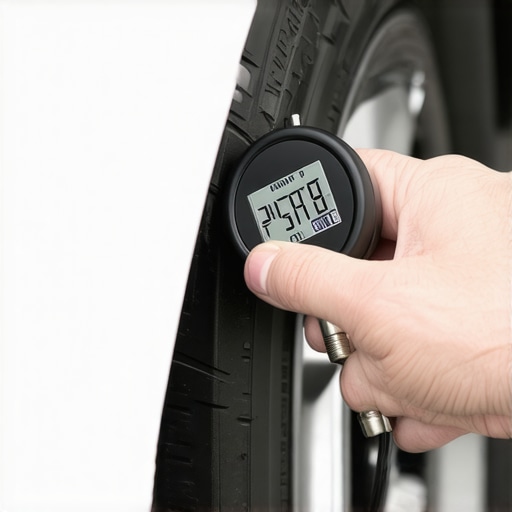
Press the gauge onto the valve stem firmly and evenly to avoid air leakage. For digital gauges, read the display carefully; for analog, note the pointer’s position. For example, during a weekend getaway, I checked my tires before hitting the highway, adjusting pressure to match manufacturer specs. Doing this step meticulously ensures your readings are trustworthy, much like tuning a musical instrument to its proper pitch for the best sound.
Be Mindful of Variations and Repeat if Necessary
If the reading seems off or inconsistent, re-measure to confirm. Differences between tires are normal, but large discrepancies might indicate a slow leak or valve issue. Once, I rechecked after initial low readings and found I hadn’t pressed the gauge evenly, which could have led me to overinflate—causing uneven wear. Repeating ensures accuracy and prevents unnecessary adjustments or visits to the mechanic.
Reinstall Valve Caps and Record Your Results
Replace the valve caps tightly to prevent dirt ingress, and note the pressure for future reference. Keeping a log helps identify gradual pressure drops, signaling potential leaks. After adjusting my tire pressure to specs, I marked the date on the caps with a marker—this small step saved me from guessing future pressures and helped maintain consistent tire health. Regular checks are like routine tune-ups, essential for safety and efficiency.
Many car owners believe that routine tune-ups and auto repairs are straightforward tasks that anyone can handle. However, in my experience, there’s a lot more nuance involved, and misconceptions can lead to costly mistakes. One prevalent myth is that all mechanic shops offer the same level of service. In reality, not all technicians have the same expertise, and some might overlook critical details that affect your vehicle’s performance. For example, postponing brake service or ignoring subtle signs of wear can turn minor issues into major safety hazards.
Are All Auto Repairs Created Equal?
Many assume that any repair shop will do a good job, but the quality of service varies widely. Advanced diagnostics, for instance, are crucial for identifying hidden problems, especially in complex systems like brakes and transmissions. Relying solely on visual inspections or generic maintenance may not catch underlying issues—this is where professional, up-to-date diagnostics make a real difference. According to industry experts, misdiagnosis or incomplete repairs can compromise safety and lead to repeated visits, costing you more over time. To stay ahead, consider shops that embrace the latest auto repair trends and train their staff accordingly. You can explore these trends in detail [here](https://glassfixauto.com/auto-repair-trends-to-watch-in-2025-staying-ahead-of-the-curve).
One common trap owners fall into is thinking that a quick, inexpensive fix is sufficient when, in reality, it might only mask the problem temporarily. For example, replacing brake pads without inspecting rotors or calipers can lead to uneven wear and reduced stopping power. Visiting a reputable shop for thorough diagnostics and repairs ensures long-term safety—this is especially important given the complex nature of modern vehicle systems, which are now heavily reliant on electronic components. The misconception that ‘more expensive’ means better service isn’t always true, but sacrificing quality can definitely cost you more in the end.
Moreover, many drivers overlook the importance of regular maintenance intervals. Sticking to the recommended schedules, like those outlined in [this comprehensive guide](https://glassfixauto.com/tune-up-your-car-for-peak-performance-essential-maintenance-tips), helps prevent emergencies and keeps your vehicle running smoothly. Skipping or delaying services such as brake inspections can be dangerous, yet it’s a mistake many make out of convenience or cost-saving instincts. Remember, investing in preventive maintenance pays off by extending your car’s lifespan and ensuring safety on the road.
In conclusion, becoming an informed vehicle owner involves understanding that not all repairs are equal and that subtle nuances matter. Stay curious, ask questions, and choose professionals who prioritize accuracy and safety over shortcuts. Have you ever fallen into this trap? Let me know in the comments.
Choosing Reliable Tools for Maintenance
Over the years, I’ve learned that investing in high-quality tools pays off when performing routine car maintenance. A digital tire pressure gauge from a trusted brand like Mitutoyo, for example, provides consistent and accurate readings, reducing the guesswork. I personally rely on my Infla-Check Digital Tire Gauge because it auto-calibrates and displays precise PSI levels, ensuring my tires stay at optimal pressure and extend their lifespan.
Leveraging Diagnostic Software for Auto Repairs
Modern vehicles are packed with electronic systems, making diagnostic tools indispensable. I recommend the OBD-II scanner from BlueDriver; it syncs seamlessly with my smartphone, offering real-time data and notifications about engine health. These tools help identify issues before they escalate—saving time and money. According to industry insights, advanced diagnostics are becoming essential, especially with the rise of electric and hybrid cars, which require specialized software. You can explore future trends in auto repair trends to watch in 2025.
Regular Maintenance Schedules Keep It Working
Implementing a consistent schedule isn’t just about reacting to problems; it’s about preventing them. Use a methodical approach, such as the car service checklist, to ensure each component gets attention at the right intervals. I synchronize my maintenance with my digital calendar and log every service, which helps me catch potential issues early—like noticing a slow leak in my brake system before it becomes a safety hazard. These proactive steps minimize downtime and keep my vehicle performing optimally over years.
Stay Ahead by Embracing Modern Trends
Looking ahead, the integration of smart diagnostics and predictive maintenance powered by AI will revolutionize how we care for our cars. Vehicles will increasingly alert us about maintenance needs before symptoms appear, making proactive care more accessible. For example, some newer models already provide notifications about brake pad thickness or pending oil changes directly to your smartphone. Staying informed through industry updates, such as auto repair trends, positions you to adapt early and enjoy long-term savings.
How do I maintain my vehicle’s longevity and safety over time?
Consistency is key. Regularly inspect vital systems like brakes and suspension, using both trusted manual checks and diagnostic tools. For example, inspecting your brake pads through the rim can reveal hidden wear, while software diagnostics alert you to electronic issues. I encourage you to try my favorite advanced tip: regularly use a high-quality tire pressure gauge and double-check after warm-up to ensure accuracy. This simple habit can prevent uneven tire wear and improve safety.
Remember, keeping your car in top shape is an ongoing process, not a one-time effort. Investing in the right tools and knowledge today ensures your vehicle will serve you well for many miles to come. If you’re interested in specific diagnostic procedures, check out how professional diagnostics can save you money by catching issues early.
What Slipped Through My Garage Door? The Costly Lessons of Overlooking Tire Pressure
One mistake I made early in my car-owning journey was neglecting routine tire pressure checks, especially when tires were warm or after short drives. I learned that accurate readings come only from measuring when tires are cold—recognizing this saved me from uneven wear and compromised safety. Sometimes, small habits like double-checking with a trusted digital gauge can prevent larger issues and expenses later on.
How Tiny Details Can Make a Major Difference in Your Auto Care
It’s tempting to think that checking tire pressure is straightforward, but overlooking details like valve caps or inconsistent gauges can lead to misdiagnosis and ineffective adjustments. I realized that investing in a high-quality, calibrated gauge and maintaining checklists helps maintain tire health, which directly translates to better fuel economy, longer-lasting tires, and peace of mind on every trip.
Building Confidence with Advanced Auto Maintenance Techniques
Learning the nuances of manual checks, coupled with modern diagnostic tools like OBD-II scanners, empowers me to identify potential issues early—before they turn into costly repairs. Regularly reviewing this information, supported by trusted resources, keeps me ahead in vehicle care, ensuring I don’t just fix problems but prevent them altogether.
The Surprising Powers of Consistency in Vehicle Longevity
Sticking to a precise maintenance schedule, from tire pressure checks to fluid replacements, transforms the way your car performs over years. It’s like giving your vehicle a health boost with routine tune-ups and tire care, which has saved me from roadside emergencies and extended my car’s lifespan beyond expectations.
Insider Wisdom
- Skip the heat—checking when tires are warm yields false readings, so always measure after the car’s been parked for at least three hours.
- Don’t forget your tools—a reliable, calibrated digital gauge ensures you get the exact PSI needed, making adjustments precise and effective.
- Valves matter—ensure valve caps are tightly sealed, preventing dirt ingress that can cause leaks or inaccurate readings.
- Revisit your readings—if something seems off, re-measure or verify with a different gauge; accuracy is the backbone of safe driving.
- Log your checks—keeping a simple record helps track pressure drops over time and identify slow leaks before they become emergencies.
Gear Up with Trusted Tools and Knowledge
My top recommendation is the latest in auto diagnostics. A high-quality tire pressure gauge, like the Infla-Check Digital Tire Gauge, paired with an OBD-II scanner from BlueDriver, provides confidence and precision. These tools have transformed my approach to vehicle maintenance, revealing issues early and saving me from late-night breakdowns.
Inspiring Action for Safer Journeys
Don’t wait for a flat or a warning light to remind you about tire care. Embrace these habits now—your safety, your wallet, and your vehicle will thank you. Remember, consistent tire pressure checks are a simple yet powerful way to keep your drives smooth and secure.
Have you ever caught a tire issue early thanks to a regular check? Share your story in the comments below—I’d love to hear how small habits have made a big difference in your auto care routine!
,